
Gehry: The deconstructivist master who changed a whole city with a museum
Known worldwide for designing the Guggenheim Museum in Bilbao, he has received more than 100 awards for all his work.


Frank Gehry, one of the great names of American architecture , died this Friday at the ageof 96 at his home in Santa Monica, California, from a short respiratory disease.
One of his great works as a designer was the Guggenheim Museum in Bilbao, inaugurated in 1997; a bold construction that has become a symbol of the Basque city and represents a state-of-the-art architecture based on deconstructivism.
Frank Owen Gehry was born in 1929 in Toronto, Canada, but he acquired American nationality in 1947 after moving with his parents to Los Angeles. In 1954, he graduated in Architecture from the University of Lower California and started working at Victor Gruen's studio. After military service, he studied Urbanism at Harvard and returned to Gruen's office.
It began to stand out in the 1970s because of the construction of sculptural forms combining rare industrial materials such as titanium and glass. At the same time, it began to develop as a furniture designer with the Easy Edges collection, which emerged as a low-cost line consisting of fourteen cardboard pieces, followed by Experimental Edges with a more artistic character.
Since the late 1980s, the name of Frank Gehry has been associated with the deconstructivist movement, characterized by fragmentation and disruption of a linear design process, resulting in the creation of buildings with a striking visual appearance. The most notable examples of this formal language are the Guggenheim Museum in Bilbao (1997) and the Nationale-Nederland Building in Prague (1996).
His works also include the California Aerospace Museum (1984), the Vitra Design Museum (Weil am Rhein, Germany, 1989), the Frederick Weisman Art Museum in Minneapolis (1993), the DZ Bank building in Berlin (1998), the Gehry Tower in Hannover (2001), the Cambridge Technological Institute's State Center (2003), the Walt Disney Concert Hall (2003), and the Maggie's Center in Scotland (2003).
Gehry has also worked at a contemporary art museum in Paris for the Louis Vuitton Foundation; he designed his first playground in New York, at the southern end of Manhattan Island, known as The Battery; and he reformed and recovered the Mayer Park in Lisbon, including the restoration of the Capitol Theatre.
His designs have received more than a hundred awards worldwide, including more than a dozen honorary doctorates and the Arnold W. Brunner Memorial Prize (USA, 1977), the Pritzker Prize (1989), the Wolf of the Arts Award (Israel, 1992), the Praemium Imperiale Prize (Japan, 1992), the Dorothy and Lillian Gish Prize (1994), the Friedrich Kiesler Prize (Austria, 1998) and the Twenty Five Year Award of the American Institute of Architects (2012).
He has also received the National Medal of the Arts of the United States (1998) and the Medal of Lotus of Merit (1999), as well as the Gold Medal of the American Institute of Architects (1999) and the Royal Gold Medal for the Promotion of Architecture (2000), the latter awarded by the Queen of England.
You might like
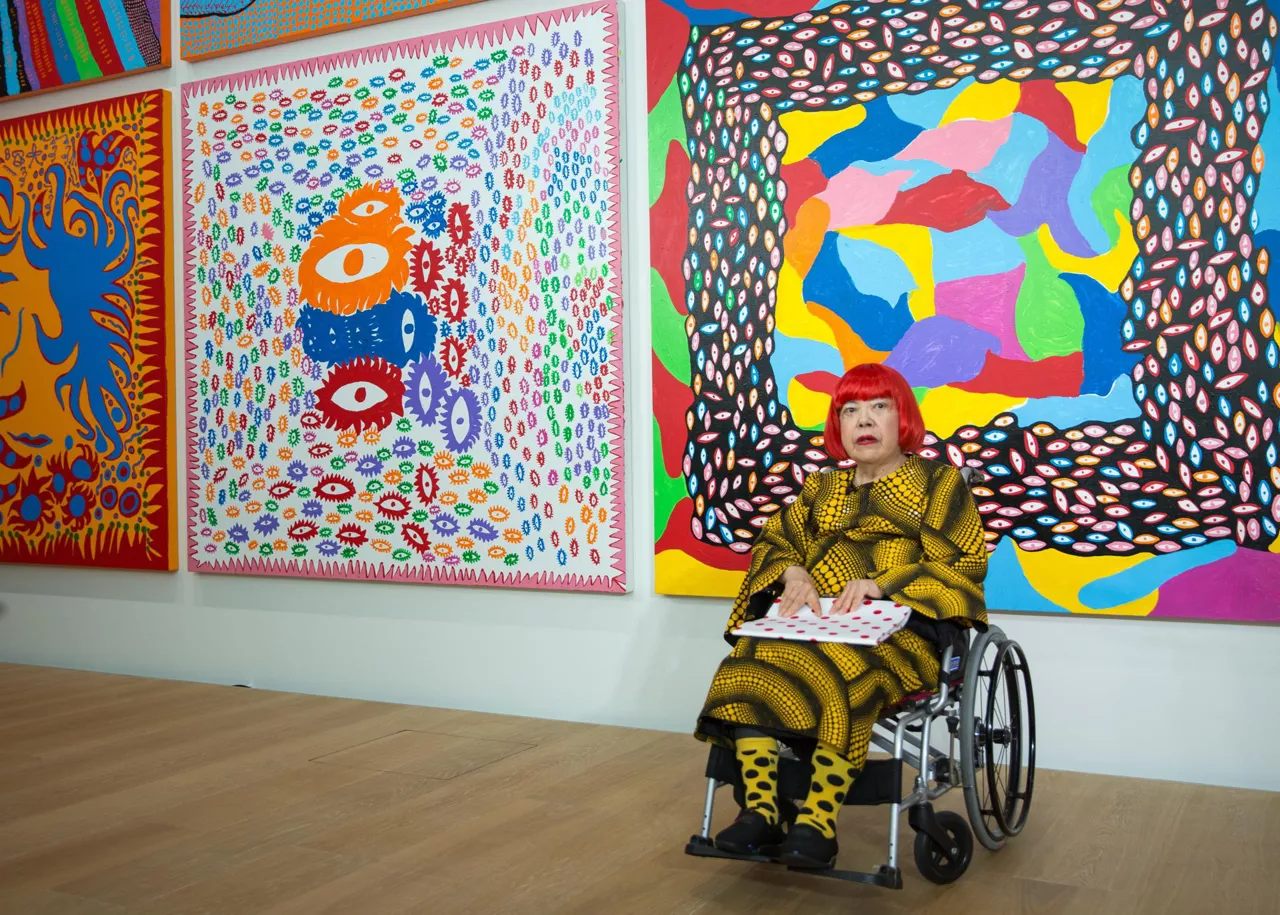
Japanese artist Yayoi Kusama died at the age of 97
Specifically, the well-known artist died on August 14 in a hospital in Tokyo. In 2023, the Guggenheim hosted the exhibition "Yayoi Kusama: from 1945 to the present." Kusama began painting at the age of 10, using obsessive repetition of moons and patterns such as nets and arches.
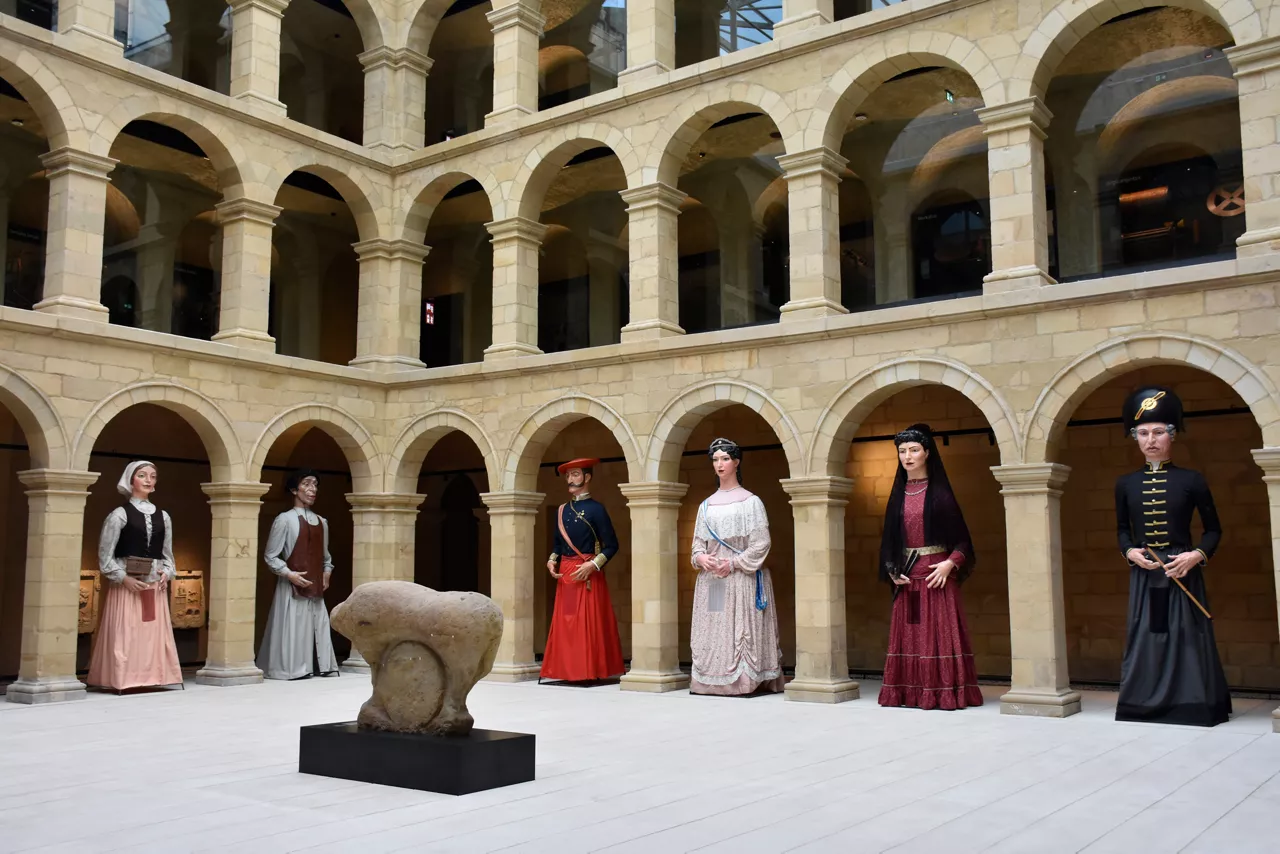
The entrance to the Basque Museum in Bilbao will be free from 22 to 30 August on the occasion of Big Week
Visitors will be able to visit the semi-permanent exhibition, learn about Ra Asensi's contemporary proposal "Waves" and enjoy the traditional exhibition "Giants of Bilbao".

The wizard Juan Tamariz died at the age of 83
He was known all over the world, he specialised in cardboard, nearby magic and mentalism, and he used humour in his shows.

Adele, Raye, Sienna Spiro... 15 years waiting for Amy Winehouse's heir
Amy Winehouse was found dead 15 years ago at her home in Camden Town; since then, UK music has found no match for her.
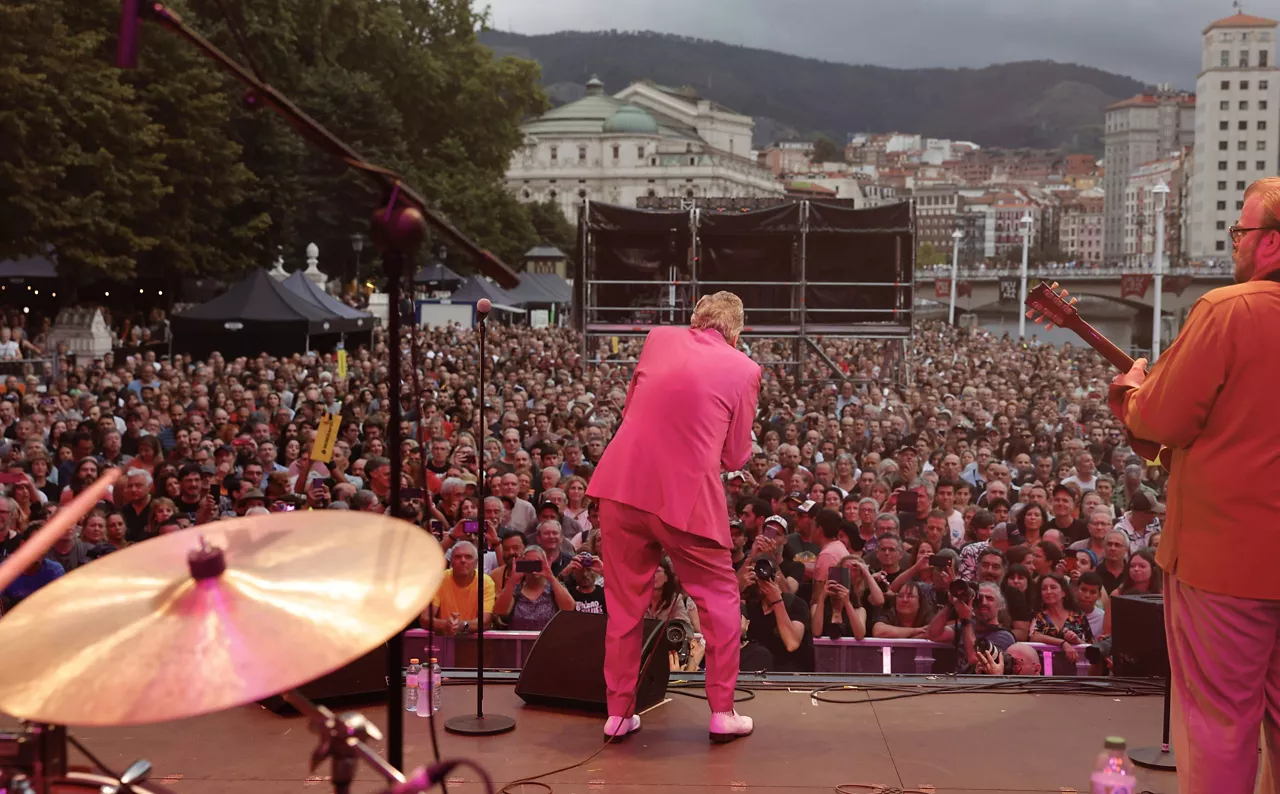
Bilbao Blues will fill the Arenal with free concerts
The fifth edition of the festival, to be held from 24 to 26 July, will award the annual award to the Vizcaíno group Travellin 'Brothers.

Calvin Harris, FKA twigs and Dani Fernandez, the brightest stars on the first day of the Bilbao BBK Live
The surprise concert of Alcalá Norte and the performances of Calvin Harris, FKA twigs and Dani Fernández have opened three days of music in the Byzantine capital. Milaris have enjoyed international names, local talent and a surprise performance that has surprised the Kobetamendi audience.

Onintza Enbeita will be the champion of the Aste Nagusia of Bilbao 2026
Ainhoa Urrejola Soldevilla of the comparsa Kaixo will be the Txupinera.

Alex of the Church immerses himself in animation, inspired by the work of Lovecraft
will be titled 'Ages of Madness: The Howling of the Jinn' and will be based on the fiction book of the American writer 'Necronomicon'. It will spin several stories located in different times and places.
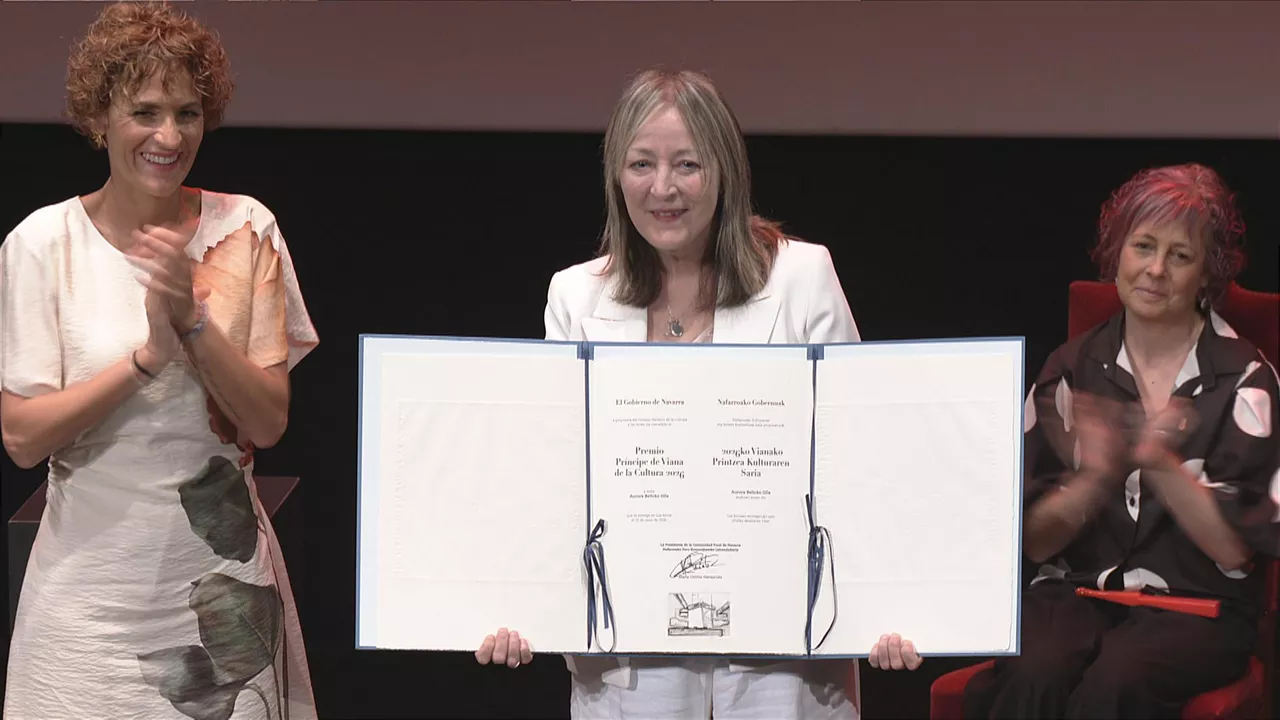
Aurora Beltran receives the Prince of Viana Prize for Culture in Navarre
Navarre singer Aurora Beltrán received the 2026 Prince of Viana of Culture Award this Saturday in Los Arcos (Navarre) for "all those women who have wanted to fly and who may not have been able to or have not been able to leave them."

The Basque Book and Disco Fair in Ziburu will open "The Moment of Breath and the Square of Creation"
On 6 June, the seventh edition of the Basque Book and Disco Fair will be held in the Labour town, at the initiative of the association Balmán and the media Argia, which will pay tribute to the linguist Beñat Oihartzabal.