
Euskal zinemako lau film ertain historiko eta Stanley Kubricken zein Manoel de Oliveiraren lanak, Klasikoak sailean
Zinema unibertsalaren historiako klasiko zahar eta modernoak berreskuratzen dituen atalak Ehun metro, Hamaseigarrenean aidanez, Zergatik panpox eta Oraingoz izen gabe euskal klasikoen bertsio zaharberrituak aurkeztuko ditu, besteak beste.


Klasikoak Donostiako Zinemaldian zinema unibertsalaren klasikoak berreskuratzen dituenak atalak hamabi lan bilduko ditu zinema jaialdiaren 73. edizioan, tartean Christian-Jaque, Jorge Fons, Antonio Giménez-Rico, Stanley Kubrick, Yoshimitsu Morita eta Manoel de Oliveiraren filmak.
Horiez gain, Furtivos (José Luis Borau, 1975) duela mende erdi Urrezko Maskorra irabazi zuen filma, ere emango dute, baita Ehun metro (Alfonso Ungría), Hamaseigarrenean aidanez (Anjel Lertxundi), Zergatik panpox (Xabier Elorriaga) eta Oraingoz izen gabe (José Julián Bakedano) ere, EITBk eta Euskadiko Filmategiak zaharberritu dituzte 80ko hamarkadako euskarazko film ertainak.
Titulu horiei guztiek Lillian Hellman gidoilariari eskainitako atzera begirako zikloa batu behar zaio, baita urritik aurrera Gasteizera, Bilbora, Donostiara, Iruñera eta Donibane Lohizunera iritsiko den Filmategiaren hiru hileko zikloa.
Zinemaldian, Un revenant (Christian-Jaque, 1946), El callejón de los milagros (Jorge Fons, 1994), Vestida de azul (Antonio Giménez-Rico, 1983), Barry Lyndon (Stanley Kubrick, 1975), Kazoku gemu / The Family Game (Yoshimitsu Morita, 1983) eta Aniki Bóbó (Manoel de Oliveira, 1942) ikusiko dira .
Gainera, Hellmanen atzera begirakoan 1935etik 1999ra arte 16 film proiektatuko dituzte.
You might like
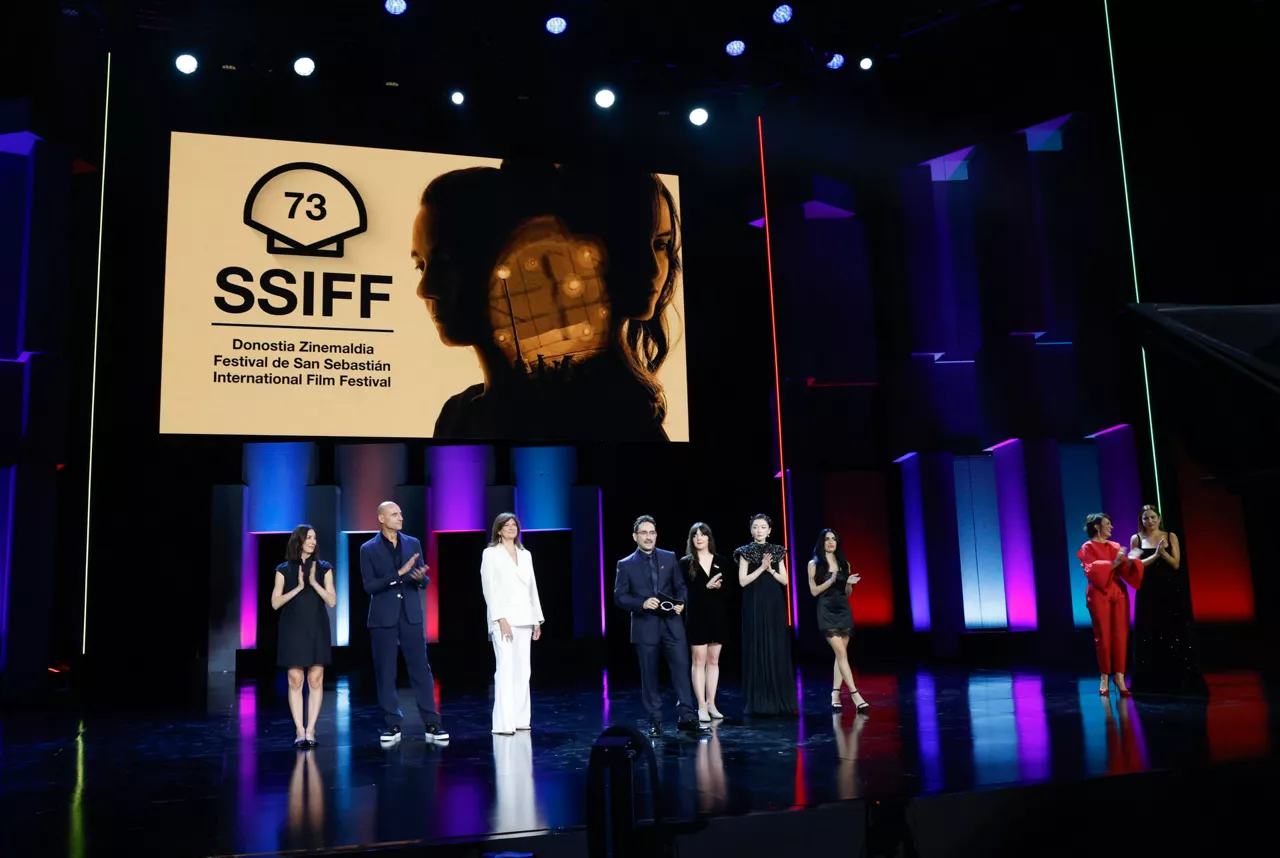
The public competition to elect the new director of the Festival has begun
José Luis Rebordinos will cease to lead the film festival on December 31, 2026, and will be replaced by "a person with a higher university degree, a high level of English and communication skills in both Basque and Spanish".
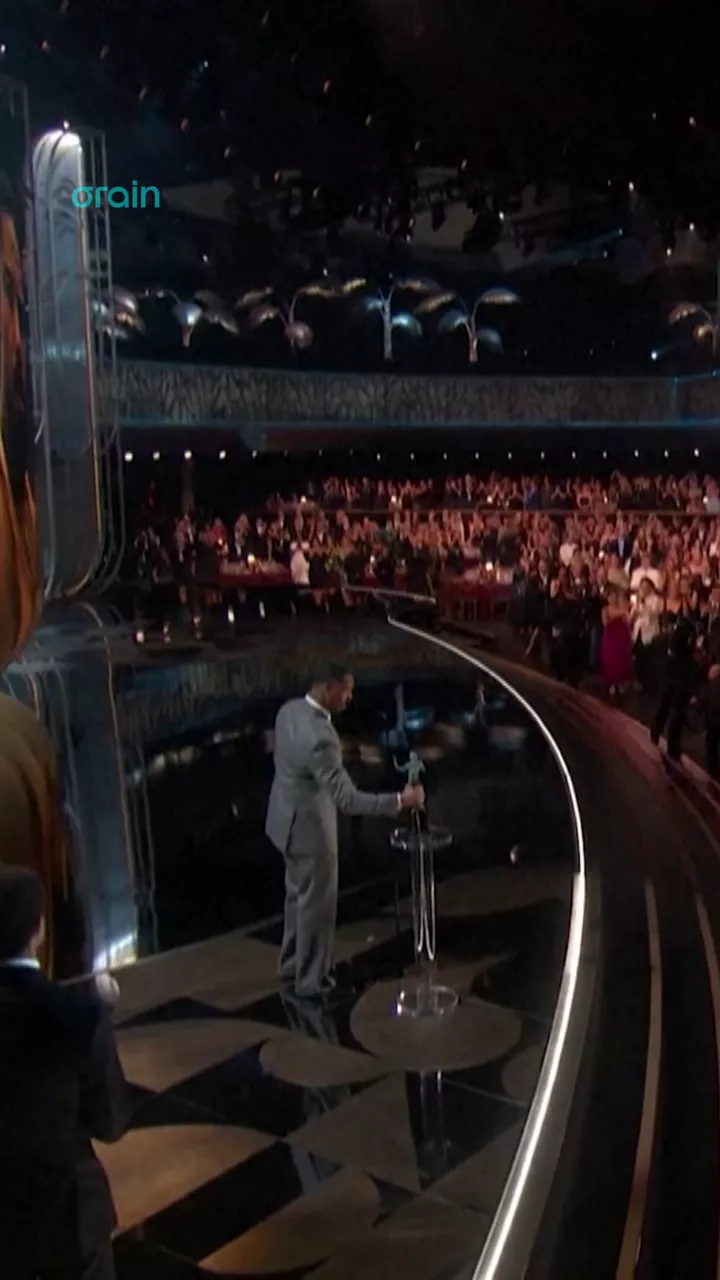
The US actors' union has given a boost to "Sinners."
Two weeks after the Oscars, vampire drama won the award for the best film last night in the 32nd edition of SAG-AFTRA, the main actor union in Hollywood. Michael B. Jordan has been awarded the best actor for his role in 'Sinners', in front of Leonardo DiCaprio ('One Battle After Another'), Ethan Hawke ('Blue Moon'), Jesse Plemons ('Bugonia') and Timothée Chalamet ('Marty Supreme'). In the women's section, Jessie Buckley has won the award for her role in "Hamnet."
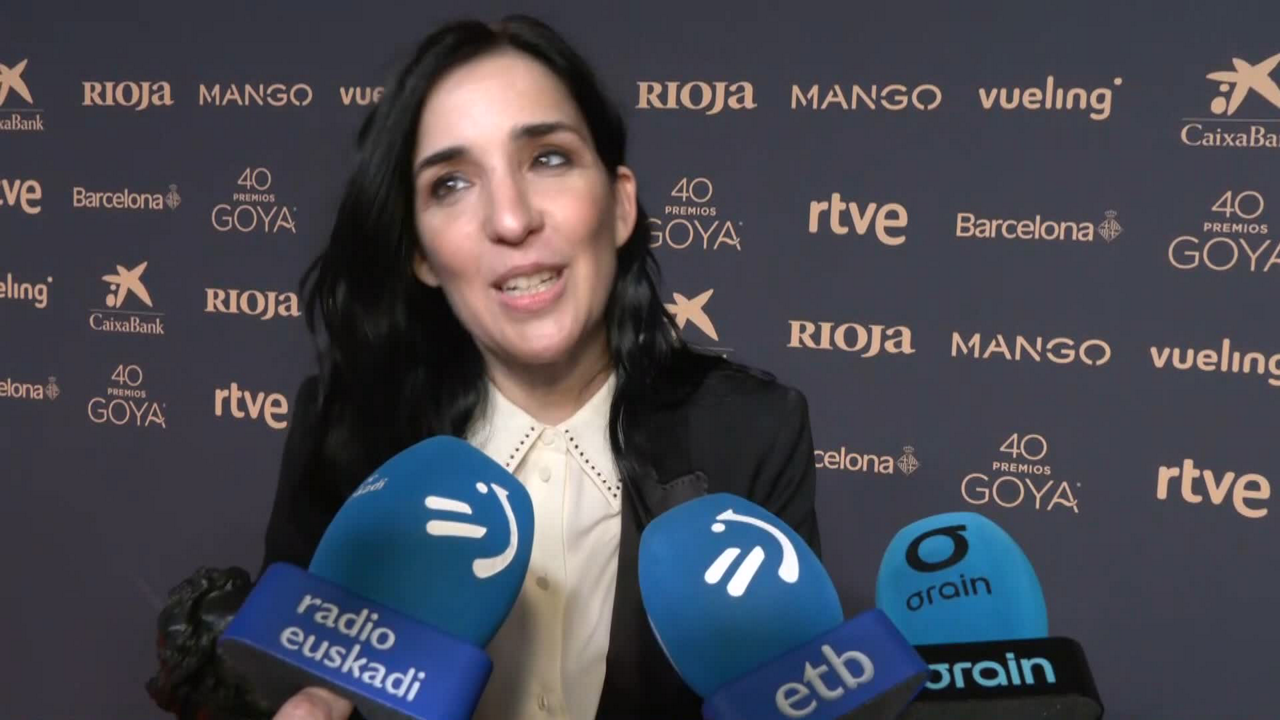
Alauda Riuz de Azua: "It's a dream night"
The Baracaldés filmmaker has been pleased after "The Domingos" won five Goya Awards .
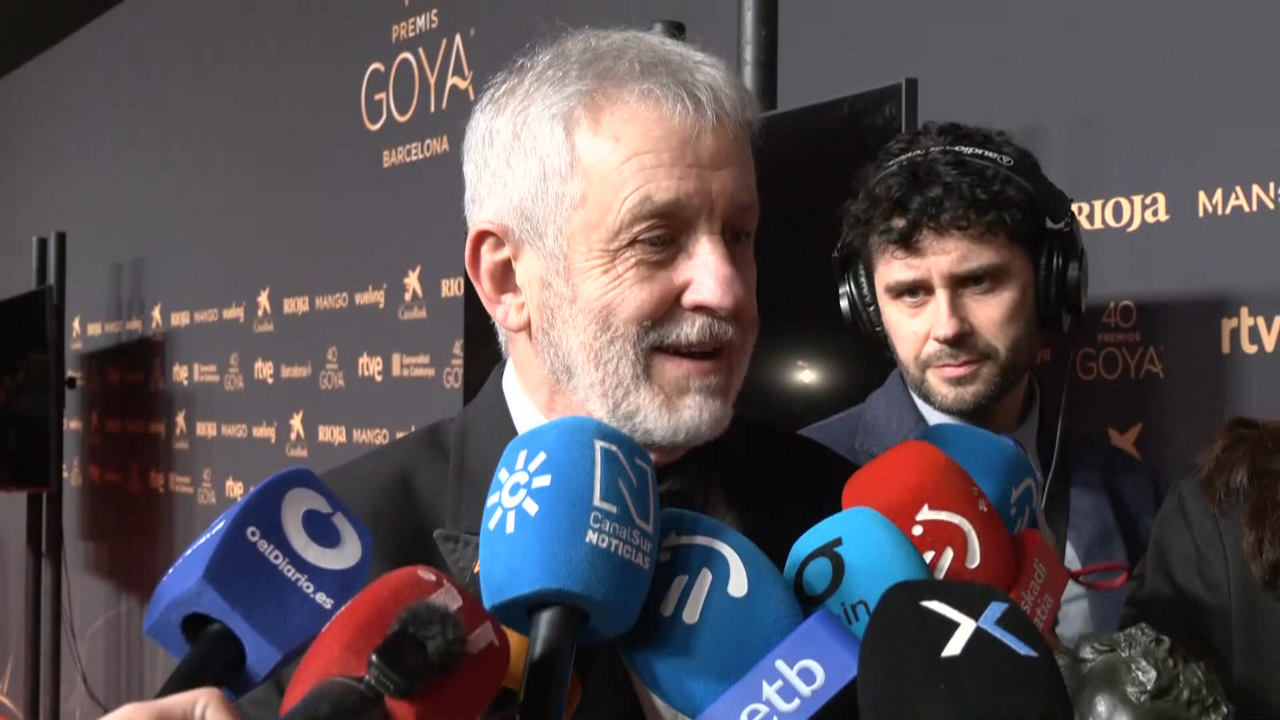
Jose Ramon Soroiz: "Swollen, I'm full"
The Legorreta actor has won the Goya for the best lead actor in Barcelona for his role in "Maspalomas."
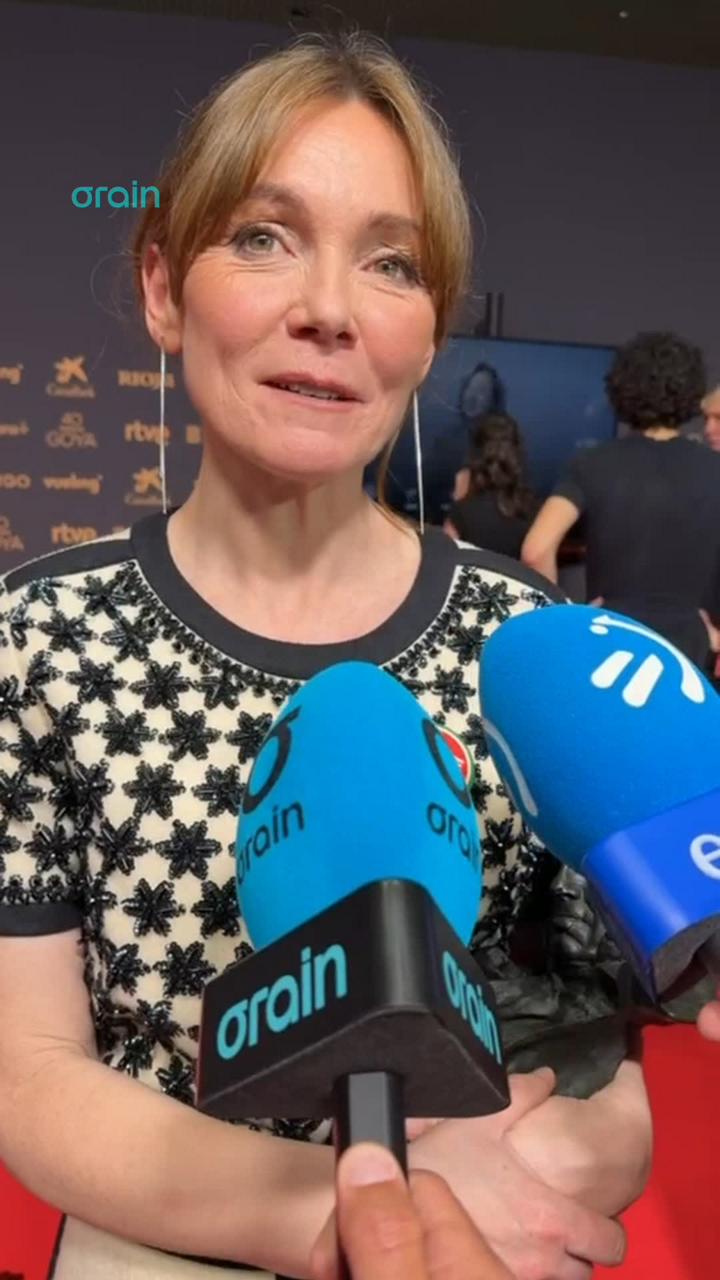
Nagore Aranburu: "I'm so happy."
Just received the Goya for the best supporting actress thanks to her work on "The Domingos," we talked to the Azpeitiarra actress. "I've been through very nice things, and I'm so grateful," she says.
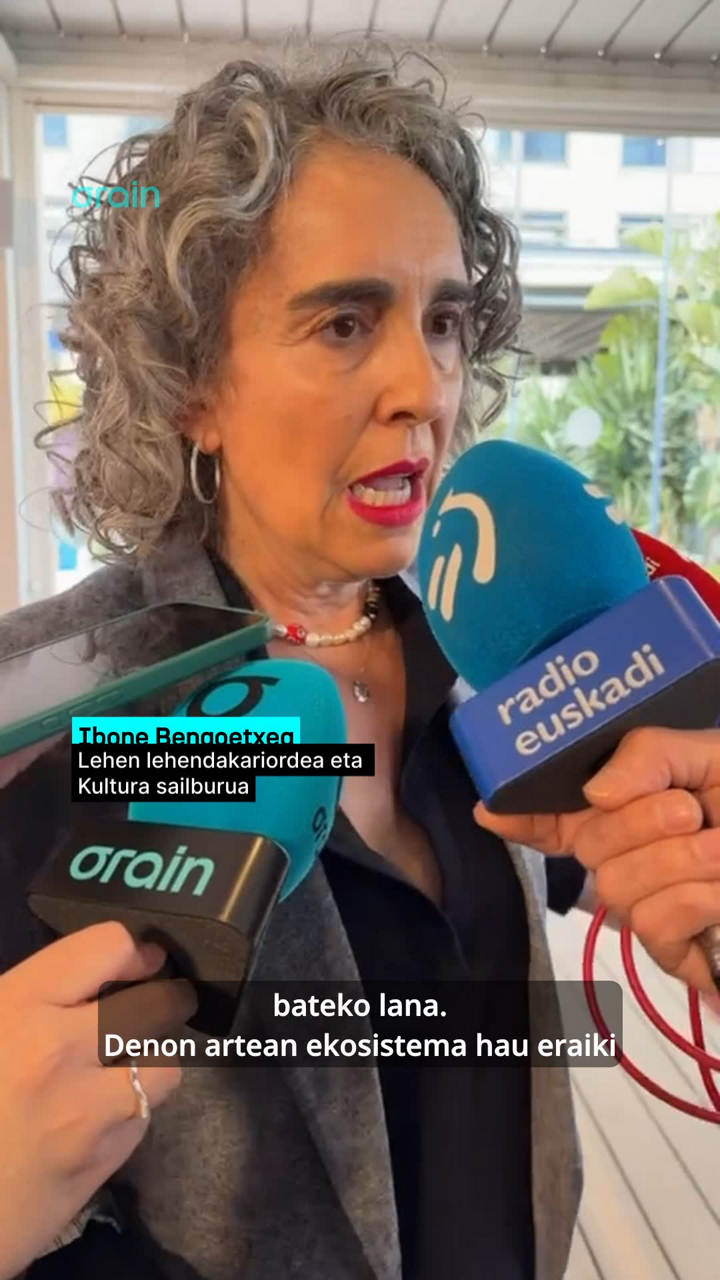
Ibone Bengoetxea is proud of his recognition of Basque cinema at the Goya
The First Vice-President and Culture Counsellor has appreciated the talent of the sector and valued the ecosystem that drives it, beyond institutional support.
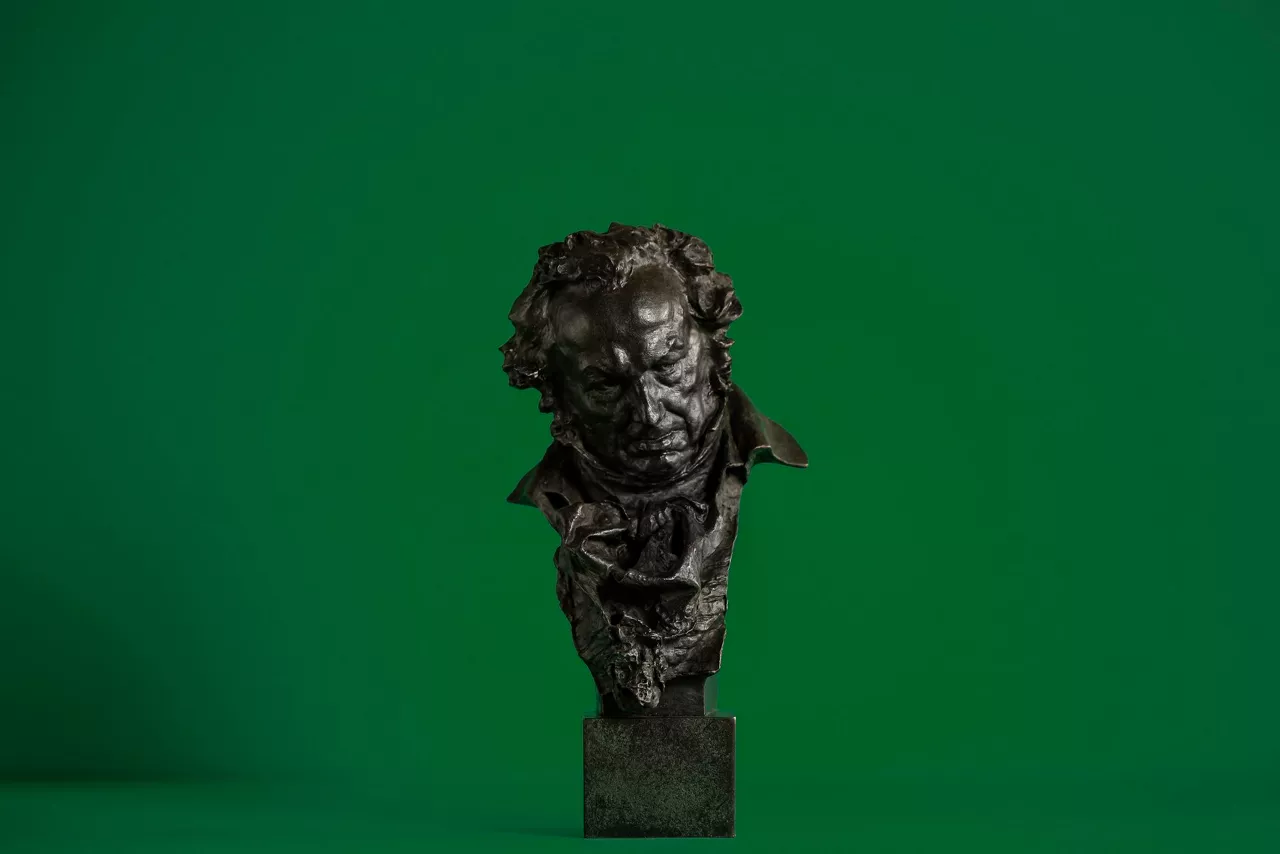
Basque cinema wants to celebrate a great year in Barcelona today
Basque film producers and professionals will be able to win the Goya tonight at the Spanish Film Academy gala, with 47 nominations in 23 of 28 categories.
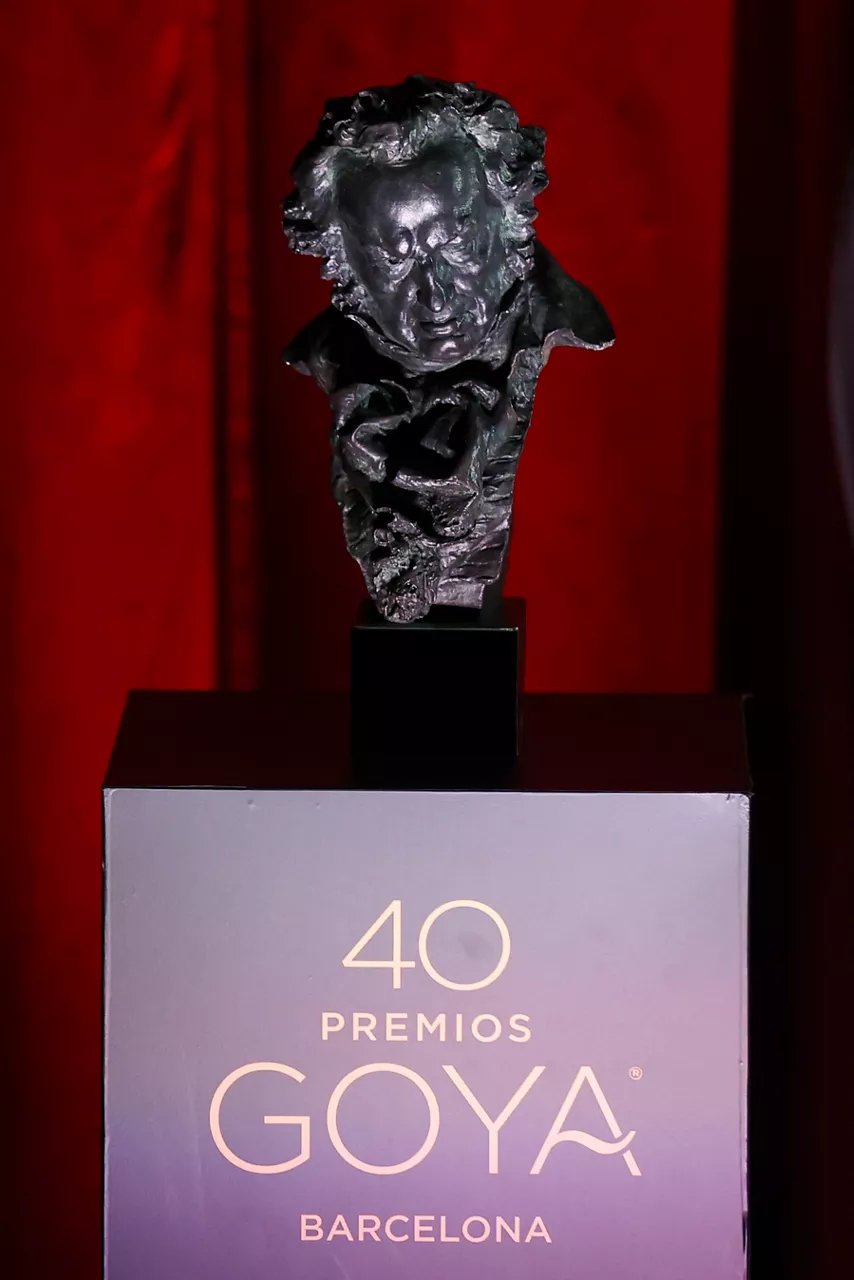
Basque cinema wants to round up a great year in Goya
The Spanish Film Academy will present its awards on Saturday evening in Barcelona. Basque productions and professionals have received 47 nominations, and films such as "The Domingos" and "Maspalomas" want to complete the successful path they started at the San Sebastian Film Festival.
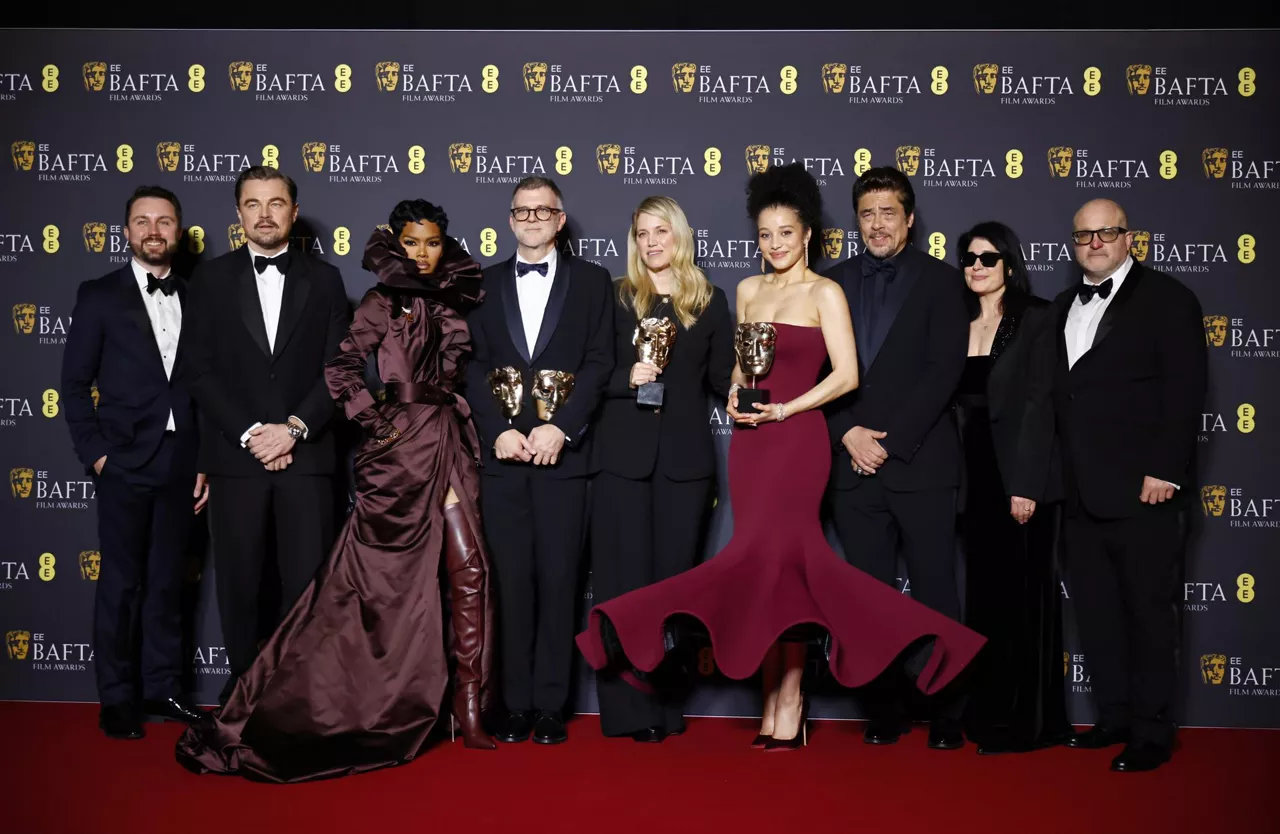
"One Battle After Another" has been the BAFTA's top winner with six masks
The English actor of Basque origin Robert Aramayo has won the award for the best actor for his role in 'Uncontrollable'. Aramaio has also received two BAFTAs, since he has also been awarded the trophy in the category of 'star revelation'.
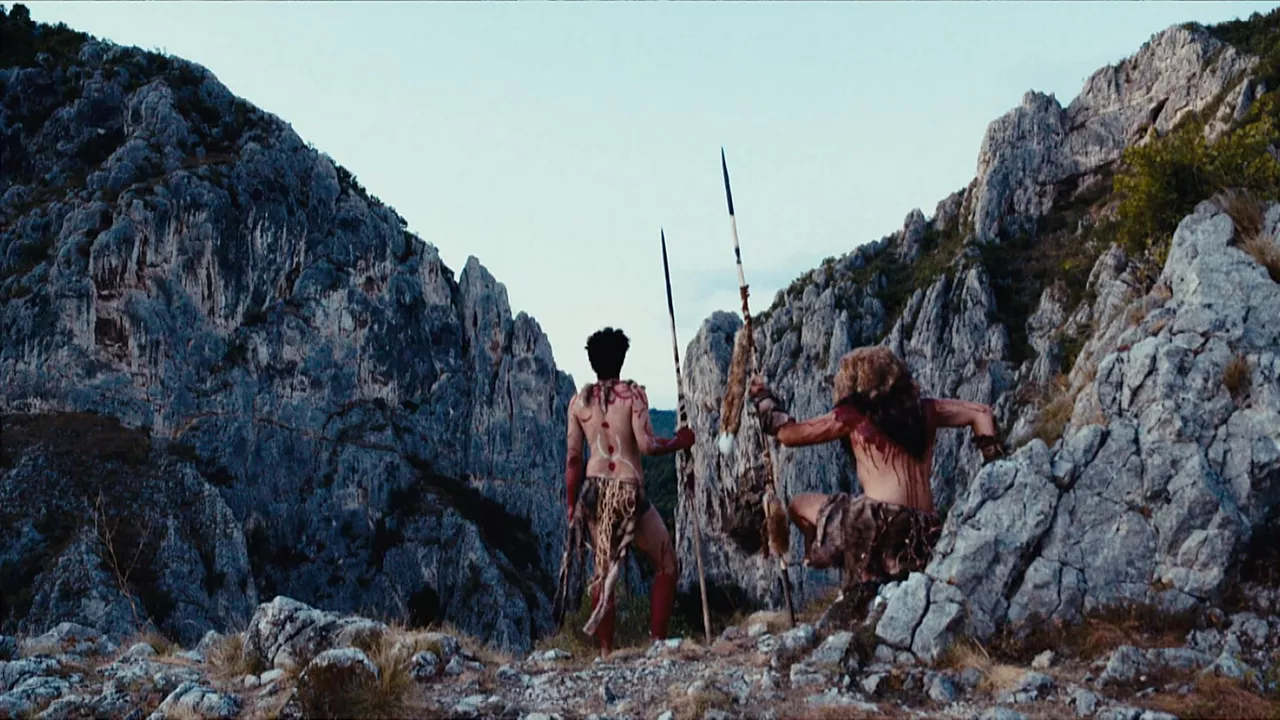
A Palaeolithic film has been made entirely in Basque in Serbia
A Serbian filmmaker wanted to make a film based on the Palaeolithic, and his goal was for the characters to speak an ancient language of the time. The work of dialogue reached the Basque Country, and through acquaintances he contacted the two Biscayans.