The absolute majority of the Senate, the most coveted: Why are parties considering formulas for a majority?
The race for an absolute majority in the Senate in the next legislature has intensified on the day, with parties on the left and on the right exploring alliances for the strategic value of the Upper House.


The PSOE, the Broad Front, and other left-wing parties have agreed to run together in 47 Senate constituencies, while the PP and Vox continue to explore the possibilityof alliances on lists to the Upper House in the November 29 election.
In this legislature, the PP has had an absolute majority in the Senate, while in Congress the PSOE had a majority with its partners. This has led to increased congressional control, several commissions of inquiry, the veto and extension of some government laws, and various institutional conflicts between the Houses.
That's why the blocs have understood the strategic power of the Senate and activated alliances to gain control of the Upper House in this legislature.
It is true that the political importance of the Senate has hitherto been relative. This body does not participate in the election of the President of the Spanish Government, nor is it decisive in the drafting of laws: its amendments and reforms may be suspended by Congress, which has the final say.
On the contrary, the Senate is crucial to the application of Article 155 ofthe Constitution, as was the case with Catalonia in 2017. The Government shall submit a bill to the Senate for deliberation and approval by an absolute majority, or may not take any action under that constitutional article.
Even in previous legislatures, he was determined to approve the so-called spending ceiling, because he could veto it and force the government to run again. However, the Ministry of Finance has withdrawn the Senate's ability to veto this spending ceiling during this legislature.
In any event, one of the main keys to gaining control of the Senate relates to the election of the four judges of the Constitutional Court to whom it belongs, who have not yet been renewed in this legislature.
The election and renewal of the Magistrates of the Senate requires a three-fifths (3/5) majority of the members of the House;
The Court of Auditors is the other body in which the Senate has the power to decide; for the Upper House elects six of the twelve Councillors, with a three-fifths majority. It may also decide on international treaties or conventions and on reforms to the Statutes of Autonomy.
Another function of the Senate is to set up committees of inquiry, and in fact the PP has used the absolute majority of this legislature to set up seven parliamentary investigations.
There is also the ability to amend the Rules of Procedure of the House, to decide on the internal use of co-official languages, to influence politically the use of Artificial Intelligence (AI), and to act more responsibly on the institution's budgets.
You might like

Tension and police charges at Abascal's event in A Coruña
The assessment committee recognizes 60 other people as victims and proposes that the police centre declare them a "memorial centre for torture"
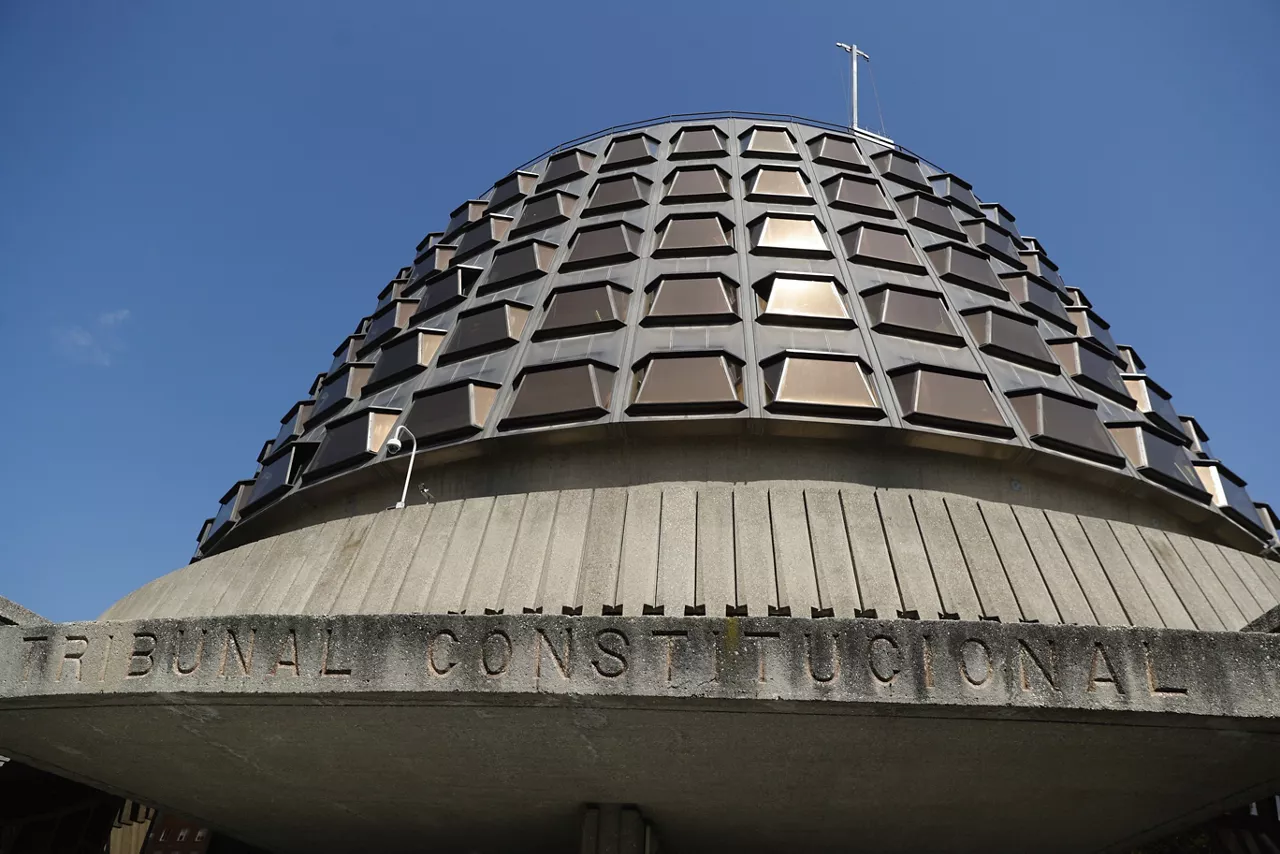
The Constitutional Court rejected the Ombudsman's appeal against the Grandchildren 'Act

Aske alleges that the two imprisoned by the National High Court are victims of a "criminalization campaign"

Cristina González takes office as Counsellor for Tourism, Trade and Consumption of the Basque Government

EH Bildu Navarra presents his candidacy for general election, led by Maiz and Aoiz

The PP calls for "respect for justice" in the case of two people imprisoned for a terrorist offence

Illa has argued that amnesty opens a new stage in Catalonia: "It is everyone's victory."