
The European Commission questions whether the amnesty law responds to the "general interest"
According to the Spanish lawyer who has participated on behalf of the European Commission, it is clear that the amnesty law is the result of a political agreement to obtain the investiture of Sanchez. He has also stressed, ignoring the Venice Commission, that the urgent processing of the law has "deepened" the division of the political class, institutions and society.


The European Commission has questioned on Tuesdaybefore the Court of Justice of the European Union whether the amnesty lawresponds to an objective of 'general interest'. Moreover, it has considered it to be the result of the political agreement to obtain the investiture of the current head of the Spanish Government. In this regard, it has stressed that the urgent processing of the law has' deepened 'the division into the political, institutional and social classes.
This was expressed by the Spanish lawyer for the European Commission, Carlos Urraca, at the hearing held this morning at the EU Court of Justice , which concerns the former Presidents of the Generalitat Carles Puigdemont and Artur Mas, as well as a number of other charges, including the analysis at today's session of whether the Catalan process has caused any economic damage to the EU's economic interests.
IT MAY BE IN YOUR INTEREST: THE KEYSTO AMNESTY LAW
Counsel adds that "the Spanish authorities ignored the recommendation of the Venice Commission"to take the time necessary to prevent the split.
On the other hand, counsel criticises the fact that there is a two-month period for the application of the amnesty, since he believes that the power of the Court of Auditors to verify or reject such a connection is limited.
You might like
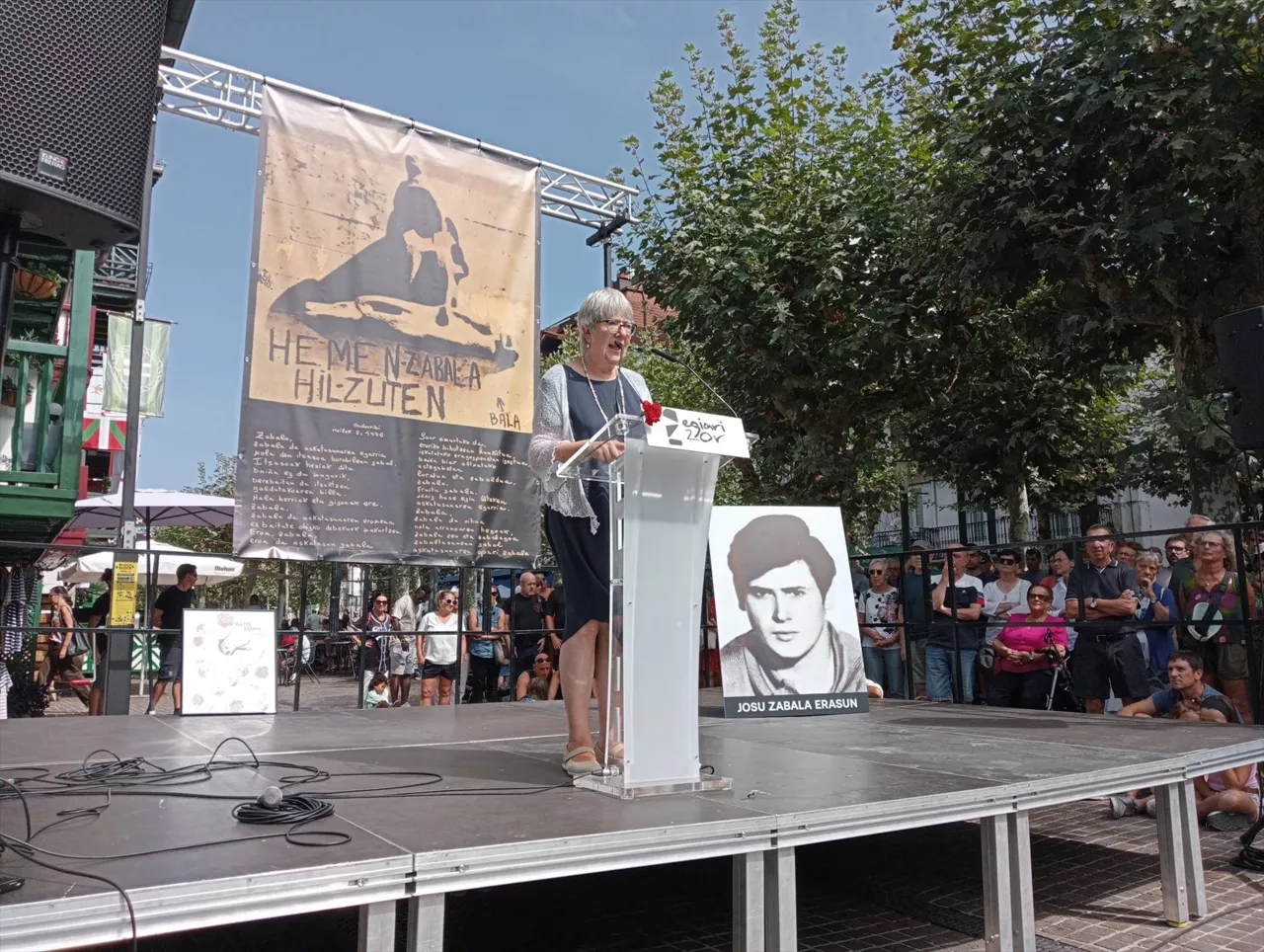
Josu Zabala Erasun was remembered in Hondarribia on the 50th anniversary of his death
Josu Zabala Erasun was shot dead by the Civil Guard in 1976 during a demonstration against the kidnapping of ETA member Eduardo Moreno Bergaretxe, 'Pertur'.
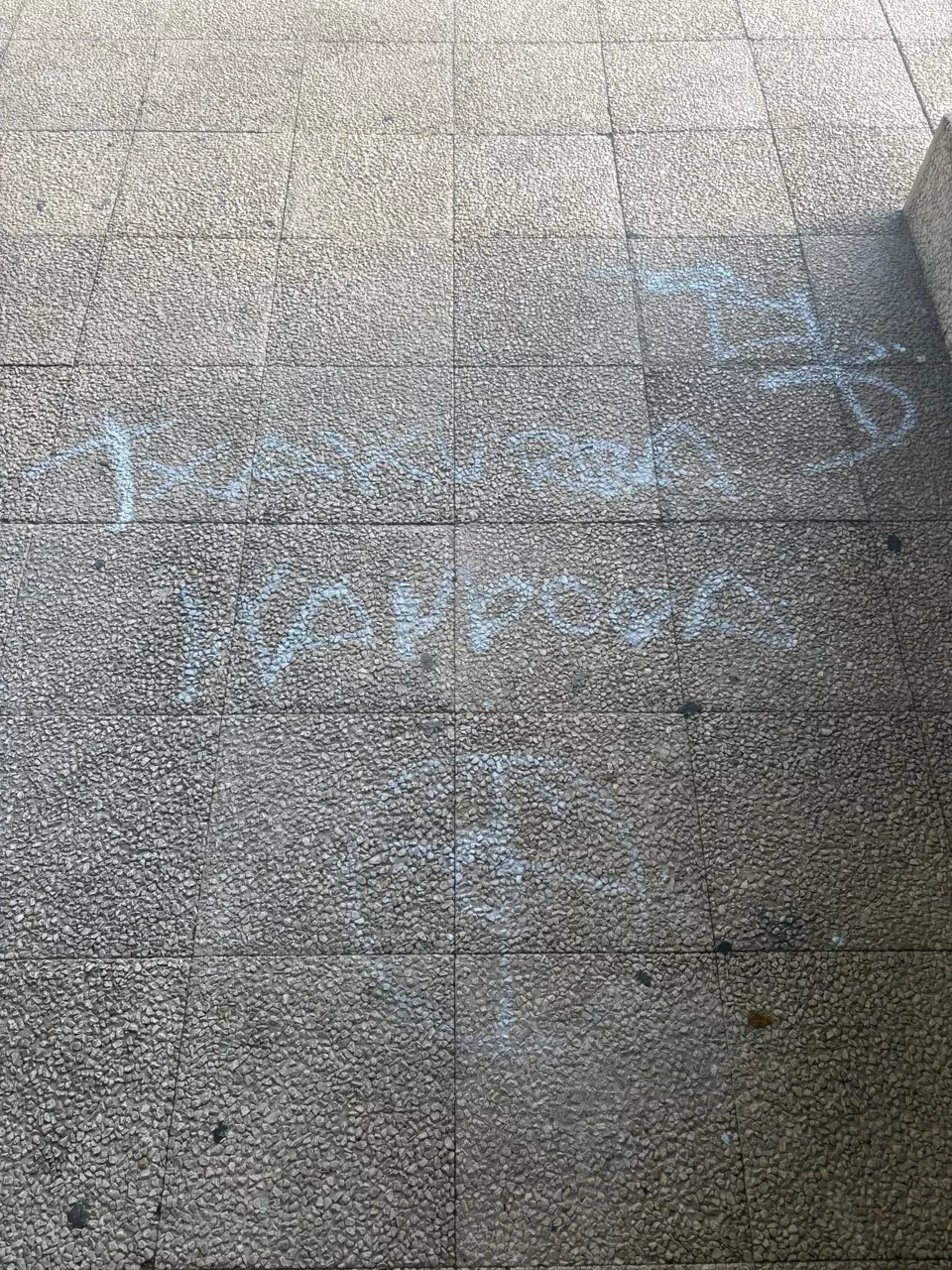
A painting against an ertzaina appears near his home in Vitoria-Gasteiz
The Department of Safety and Security has condemned "the threats and threats to the police, which recall past times and attack not only the said officer and the Ertzaintza, but also the foundations of democracy and coexistence".
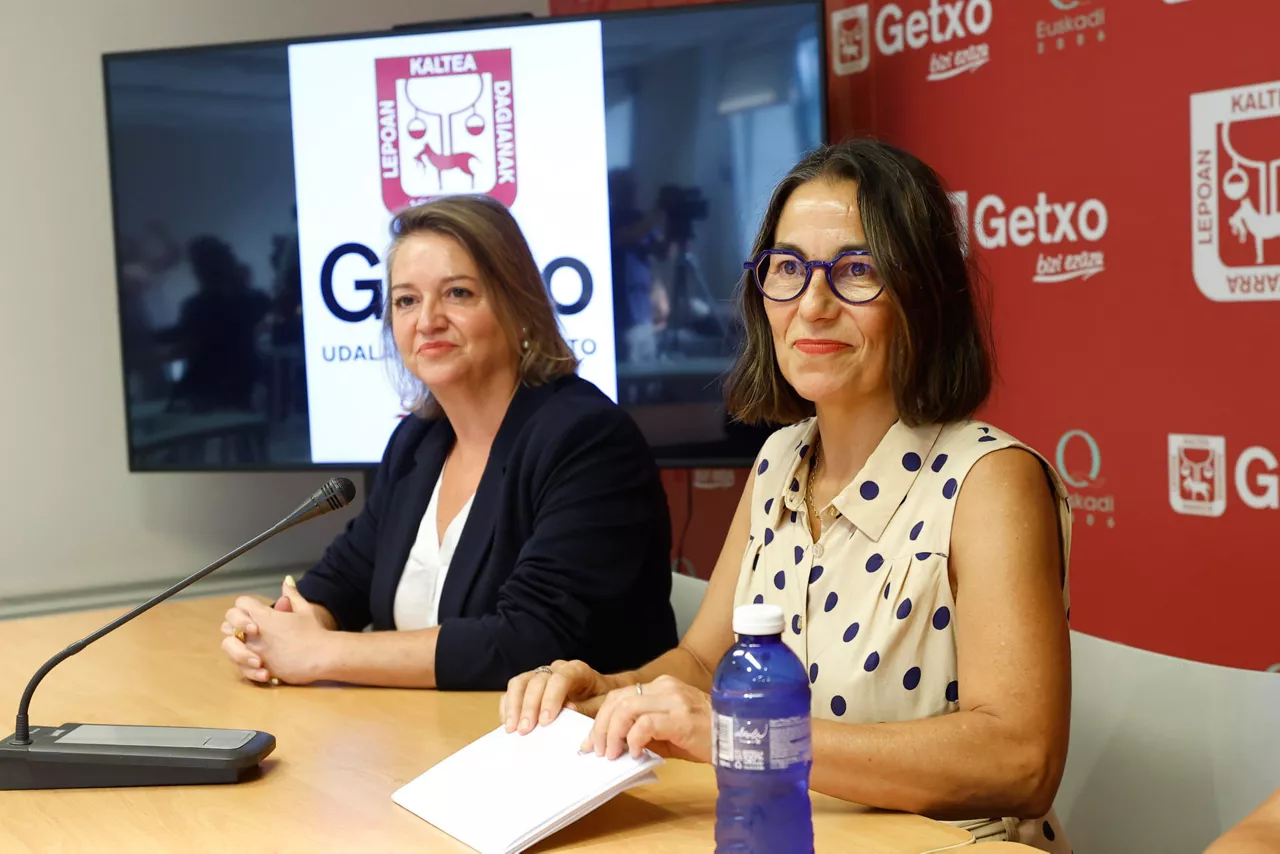
Agirre has called for a "public repair" of Irura's Bat Palace on the grounds that "progress" is not enough
According to the mayor, for months the debate has gone beyond the legal issue, with very serious accusations being made against the people affected and against the PNV, so he has clearly said that it is not enough to leave what happened behind.
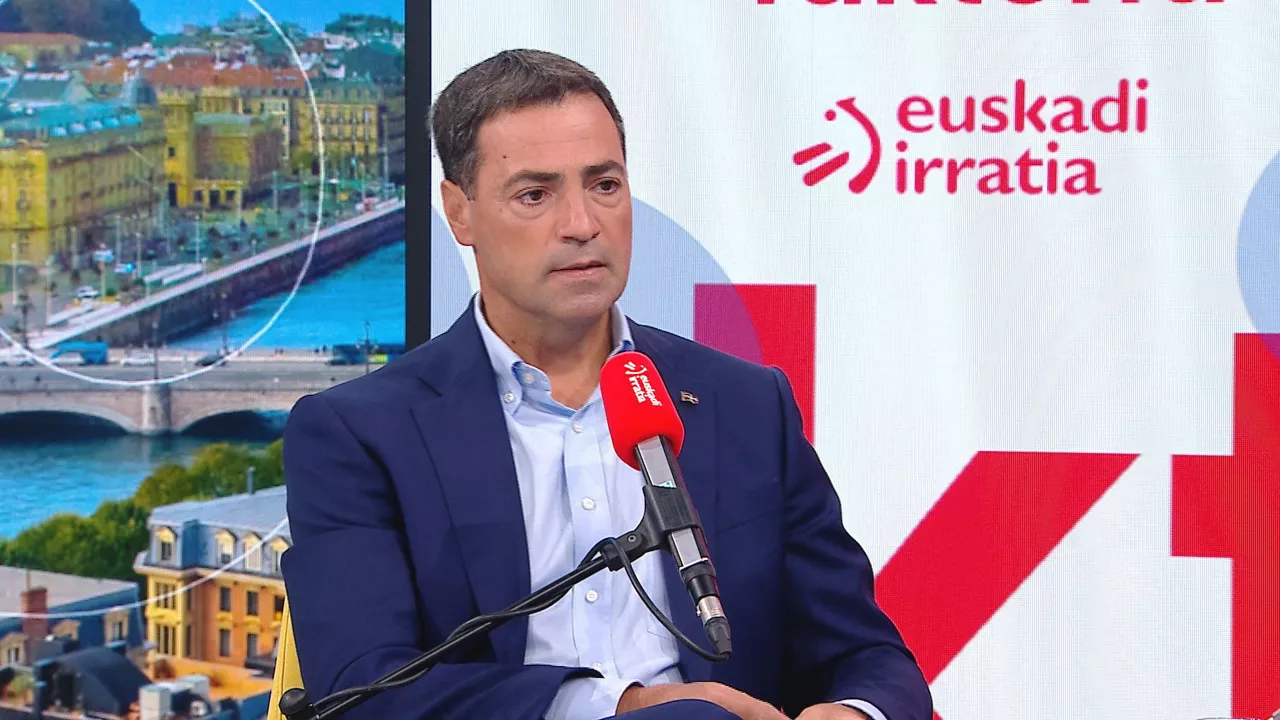
The President has assured us that there is no organized crime in the Basque Country today
Interviewed in the Faktoria programme of Euskadi Irratia, the President of the Basque Government, Imanol Pradales, has pointed out that the murders of recent years are mainly related to the deterioration of personal relations caused by drugs, addictions or gender-based violence, and has stressed that there is currently no organized crime in the Basque Country.
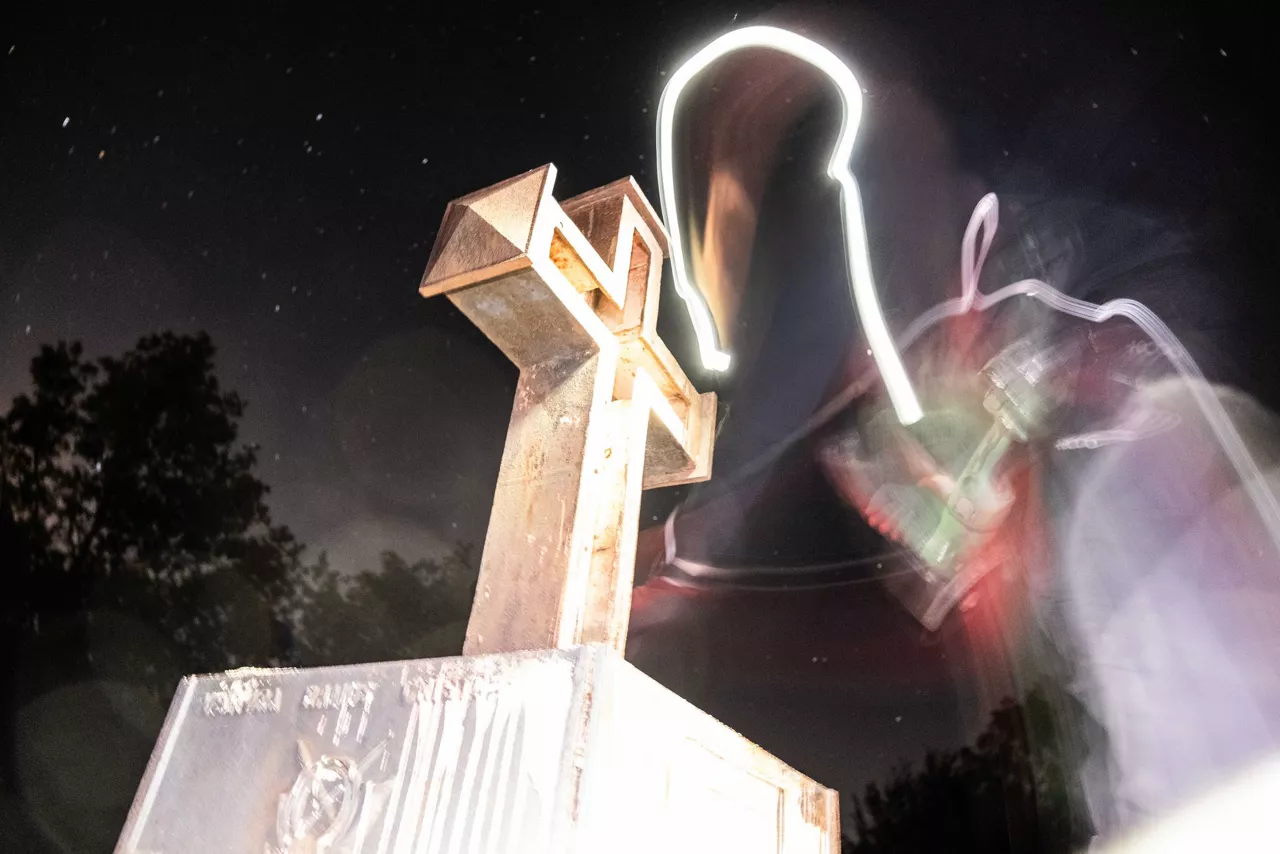
Ernai launches the Francoist cross of Mount Isuskitza
Ernai has shot down and videotaped the 1940 cross on Mount Isuskitza (Álava) in memory of the Franco requetés. The youth organization has claimed that fascism has no place in our country and has called for participation in the demonstration that will take place on 13 September in San Sebastian.
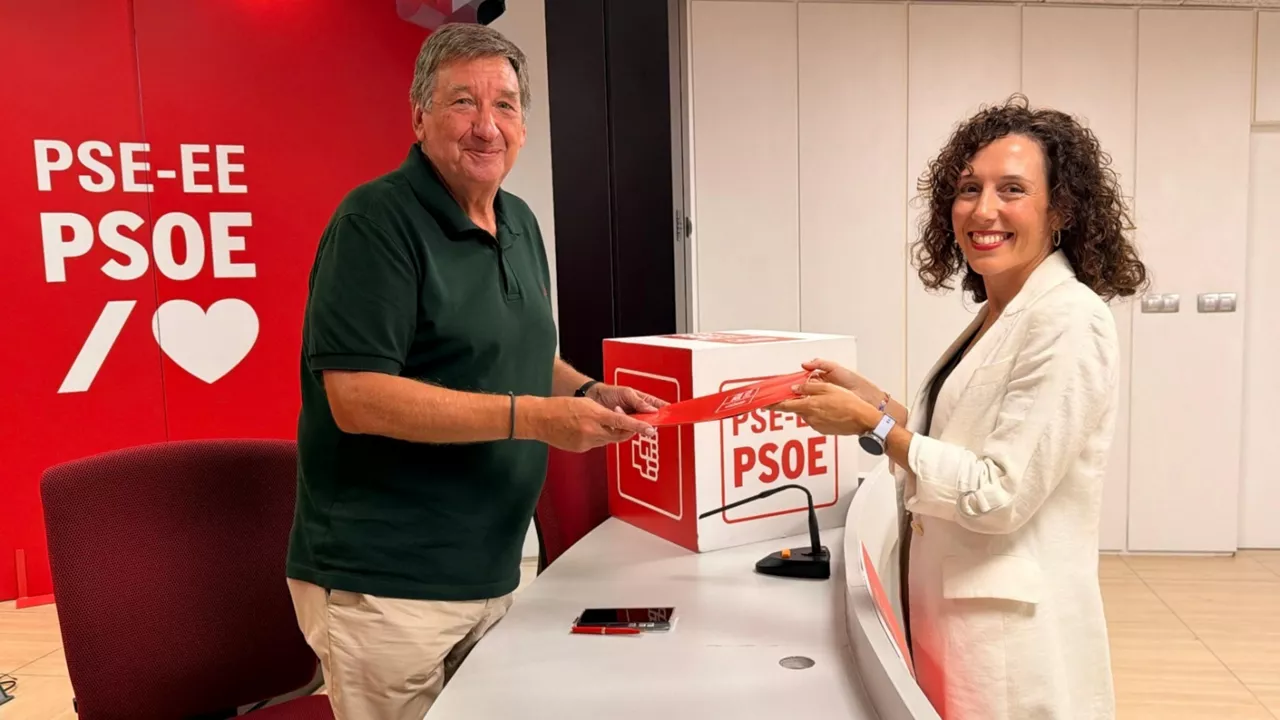
Nora Abete (PSE-EE) presents her candidacy for mayor of Bilbao
The current deputy mayor of the Bilbao City Council and spokesperson for the PSE-EE has explained that his candidacy stems from "proximity, listening and decision-making."
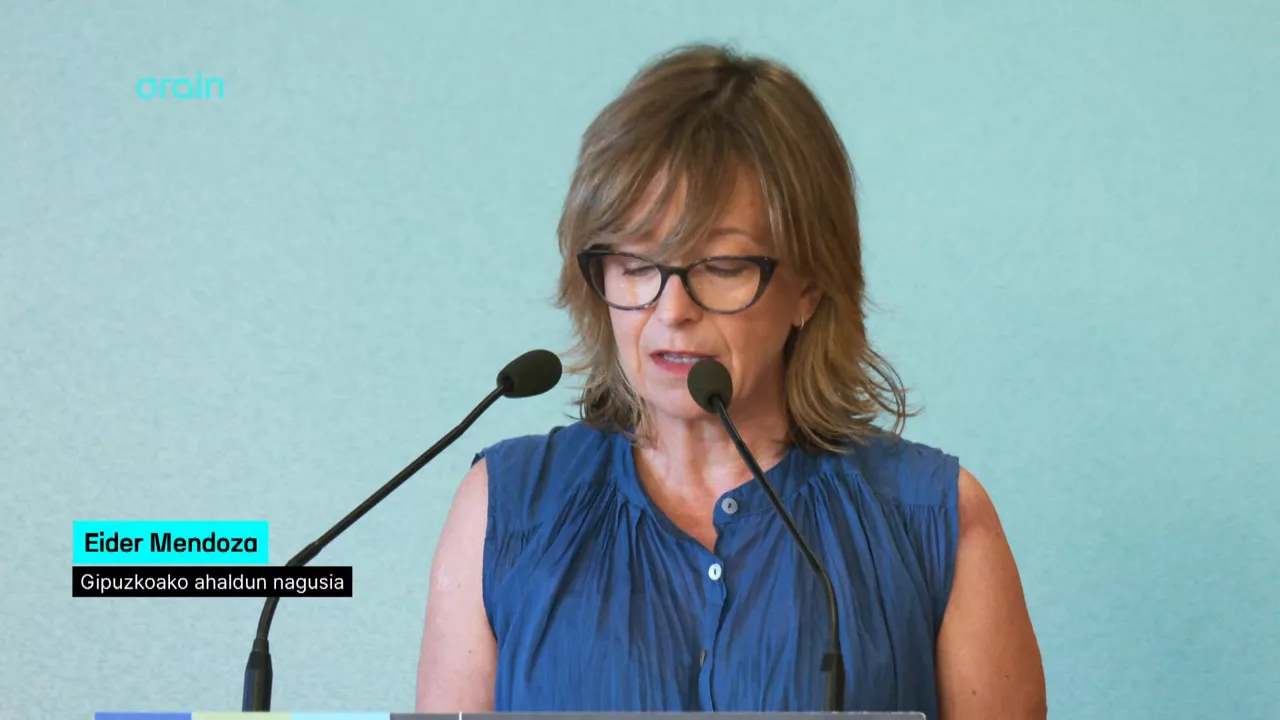
Gipuzkoa's Provincial Council will begin negotiating fiscal budgetary measures next week
Gipuzkoa MP Eider Mendoza has advanced her intention to start a round of talks with opposition groups to begin negotiations on the territory's budgets and some fiscal measures.
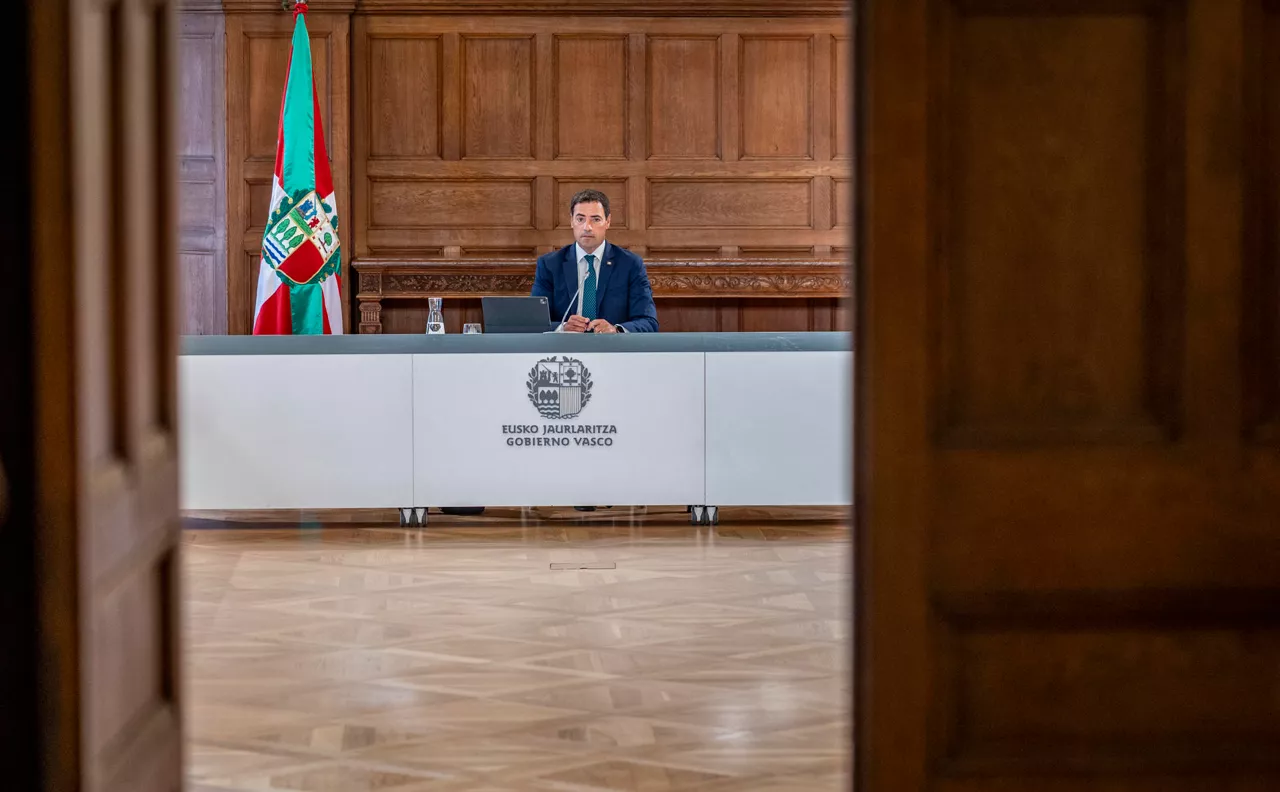
The President shall propose economic, self-government and housing agreements in his round of meetings with the parties and social partners
The meetings will take place from 8 to 15 September with the aim of strengthening dialogue and fostering partnerships in a context marked by international uncertainty and the electoral cycle of 2027.
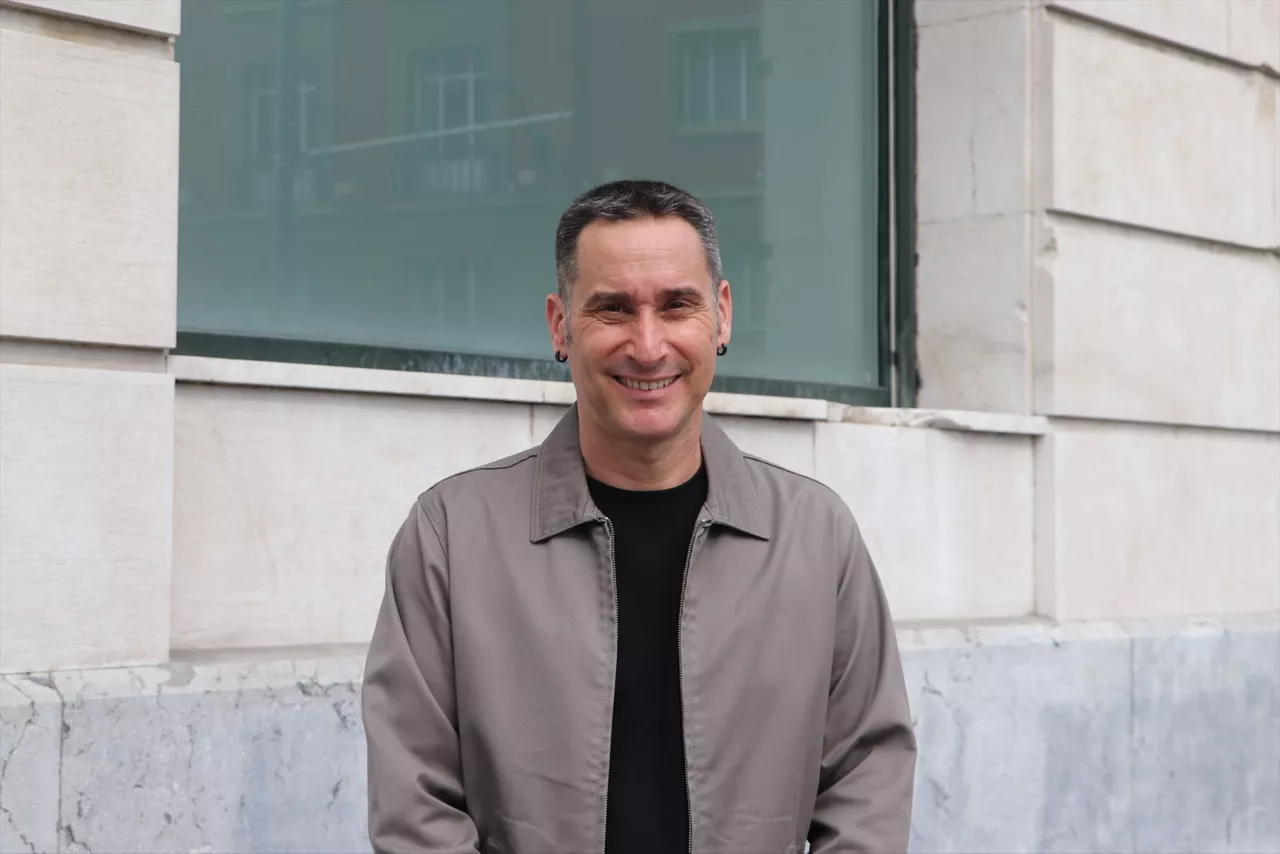
Iker Casanova will again be EH Bildu's candidate for Bizkaia's MP
EH Bildu's Bizkaia Political Bureau believes that baracaldés is the right person to represent the project of left-wing sovereignty.
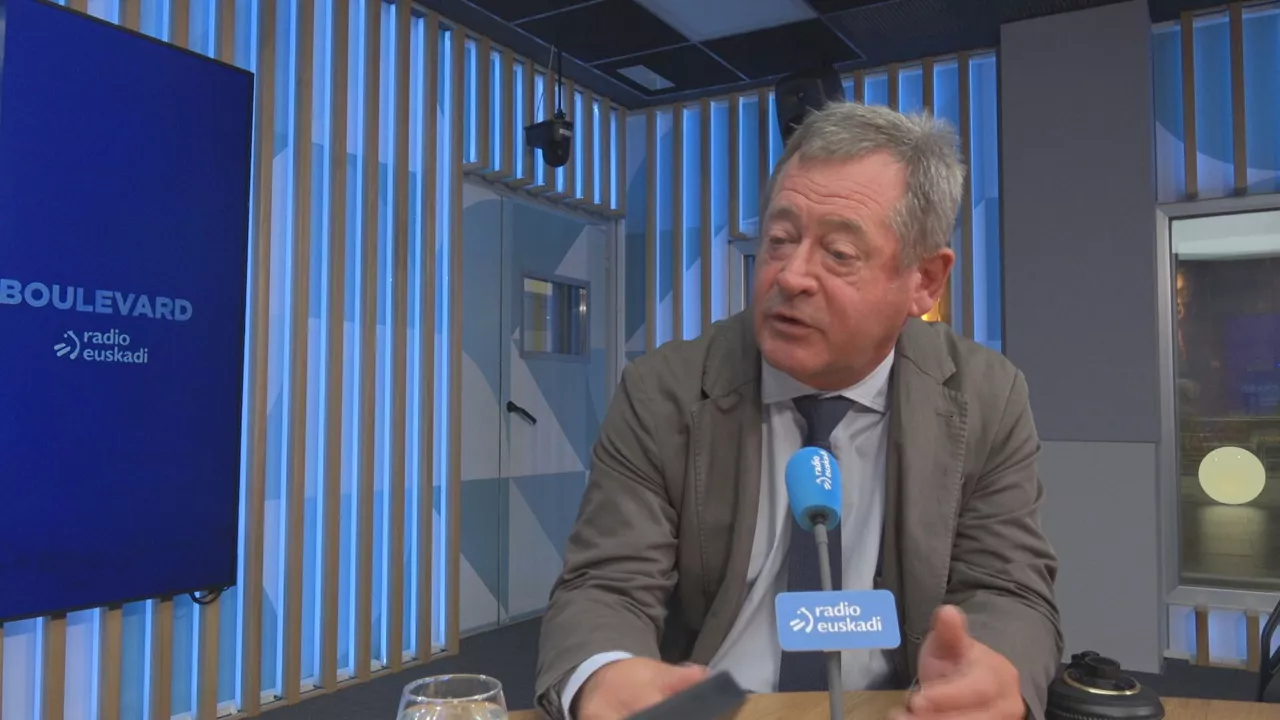
Zupiria believes that there is no political tint in the recent incidents between young people and the Ertzaintza
The Security Adviser of the Basque Government, Bingen Zupiria, has linked the incidents to young men, the consumption of alcohol and other substances and the "disinhibition" of night leisure. Asked about Ceuta, he regretted that Morocco was not asked to "assume its responsibility".