
They warn of the criminal dangers of publishing images of other people, whether true or created by Artificial Intelligence
The Spanish Data Protection Agency warns that the thoughtless use of these instruments may violate fundamental rights and give rise to legal liability, especially in cases of intimate, sexualized content or affecting minors.


The Spanish Data Protection Agency (AEPD) has warned that the publication and dissemination of images of third parties carries risks, in many cases criminal, whether real or created through artificial intelligence systems. This warning has been issued by the organization to examine the legal implications of the use of such technologies, even in seemingly insignificant or playful contexts.
AEPD emphasizes that the image of a person d is a personal data, even if it is created with artificial intelligence, and that actions such as uploading, forwarding, transforming or creating content from that image involve the processing of personal data.
The document pays particular attention to situationsof high risk, such as the creation of nudes or synthetic intimate content, sexualization, eroticism, the allocation of non-real facts with a reputation impact, the de-contextualization of images or the use of content affecting minors or persons in situations of special vulnerability.
In recent weeks there have been problems with images modified or created with Artificial Intelligence, which many have called for "undressing" or "sexualizing" thousands of people. This phenomenon has splashed the Grok system used by the X social network, which, after controversy, has decided to limit these functions to paid users, a measure that many experts consider insufficient.
The organization recalls that the presence of a photo on a social network or messaging group does not imply a general authorizationfor its use in Artificial Dimen devices A, nor for the dissemination of modified versions. It also warns that the transfer of images from one group to another involves a loss of control of content.
The agency has also referred to so-called "invisible"risks, such as loss of control over images when they are uploaded to Artificial Intelligence systems, which will be treated by third parties and which can be used to learn, preserve or communicate to other organizations. It has also warned that such uses may affect fundamental rights such as honour, privacy or self-image, and may lead to the application of other legal rules, including the Criminal Code, which would be investigated by the judicial and police authorities.
You might like
The Spanish Government will ask the Public Prosecutor's Office to investigate whether X, Meta and TikTok have committed crimes
"These platforms are violating the mental health, dignity and rights of our children, something that the state cannot tolerate," Pedro Sánchez stressed on the X social network.
Excessive use of social media increases loneliness among young people, according to a study
The journal OFAmerican College Healthtoday published the results of a survey of 64,988 young people between the ages of 18 and 24 at 120 universities in the United States.

The Czech Government has been in favour of banning social networks for children under 15 years of age
In a video broadcast on X, the head of the Czech Government claims to adhere to the ban promoted in Spanish or French states.
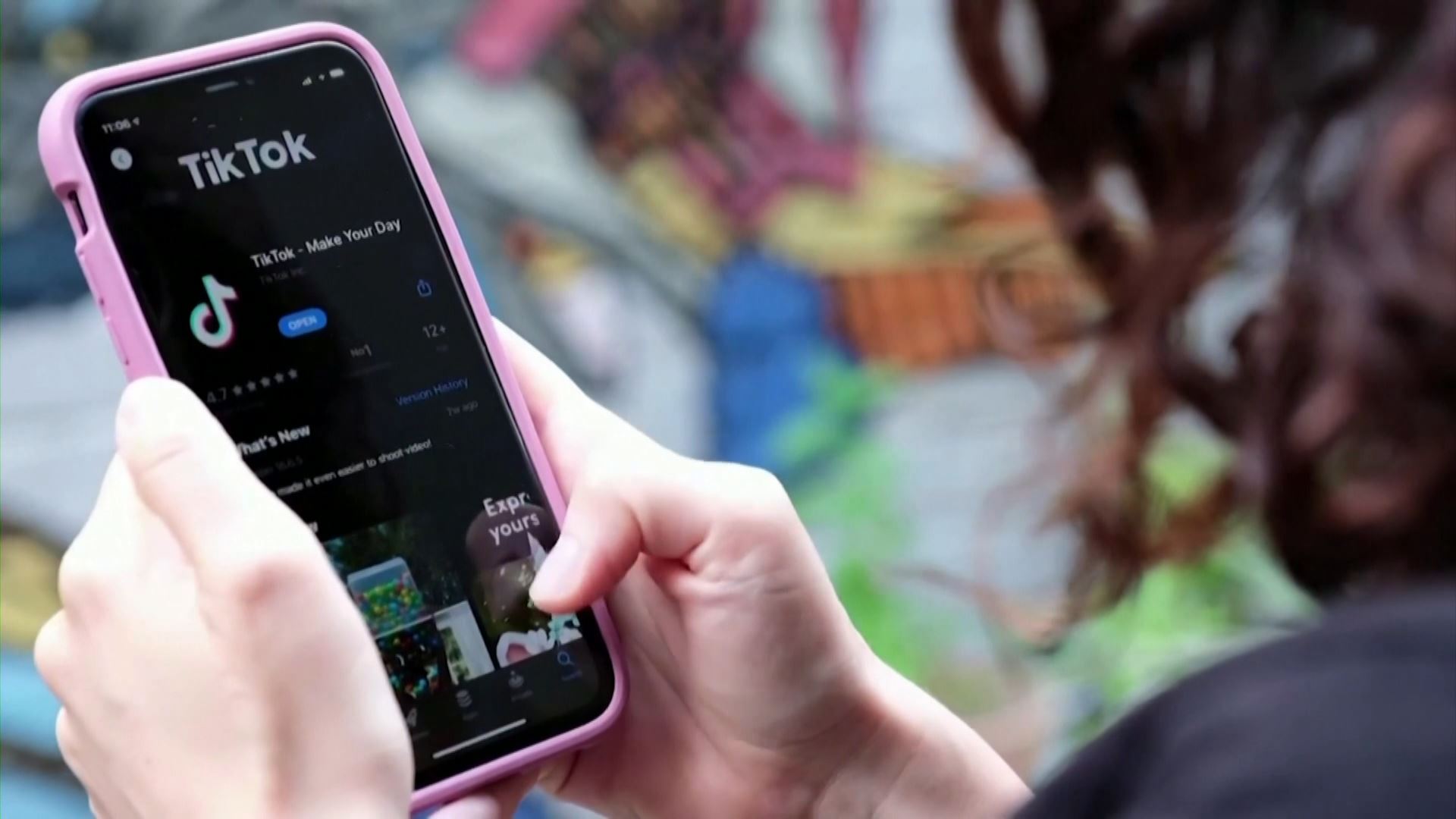
Brussels concludes that TikTok's "addictive" design violates European Union law
The European Commission has specified that by constantly "rewarding" users with new content, certain features of the TikTok design fuel the need to keep moving across the screen and cause users' brains to "automatically pilot," which can lead to compulsive behavior and reduce user self-control.

Quantum tower inside, where chips will be manufactured to develop the quantum computer
In San Sebastian, a quantum tower has been built attached to the CIC Nanogune, where, among other things, a dilution fridge has been installed, and there are the laboratories that will produce the chips that the quantum computer needs.

History of Australia and France: They have established a way to regulate the use of social networks for minors
Australia and France were the first countries to restrict teenagers' access to social networks and set a precedent that has prompted the Spanish Government to adopt a similar measure.
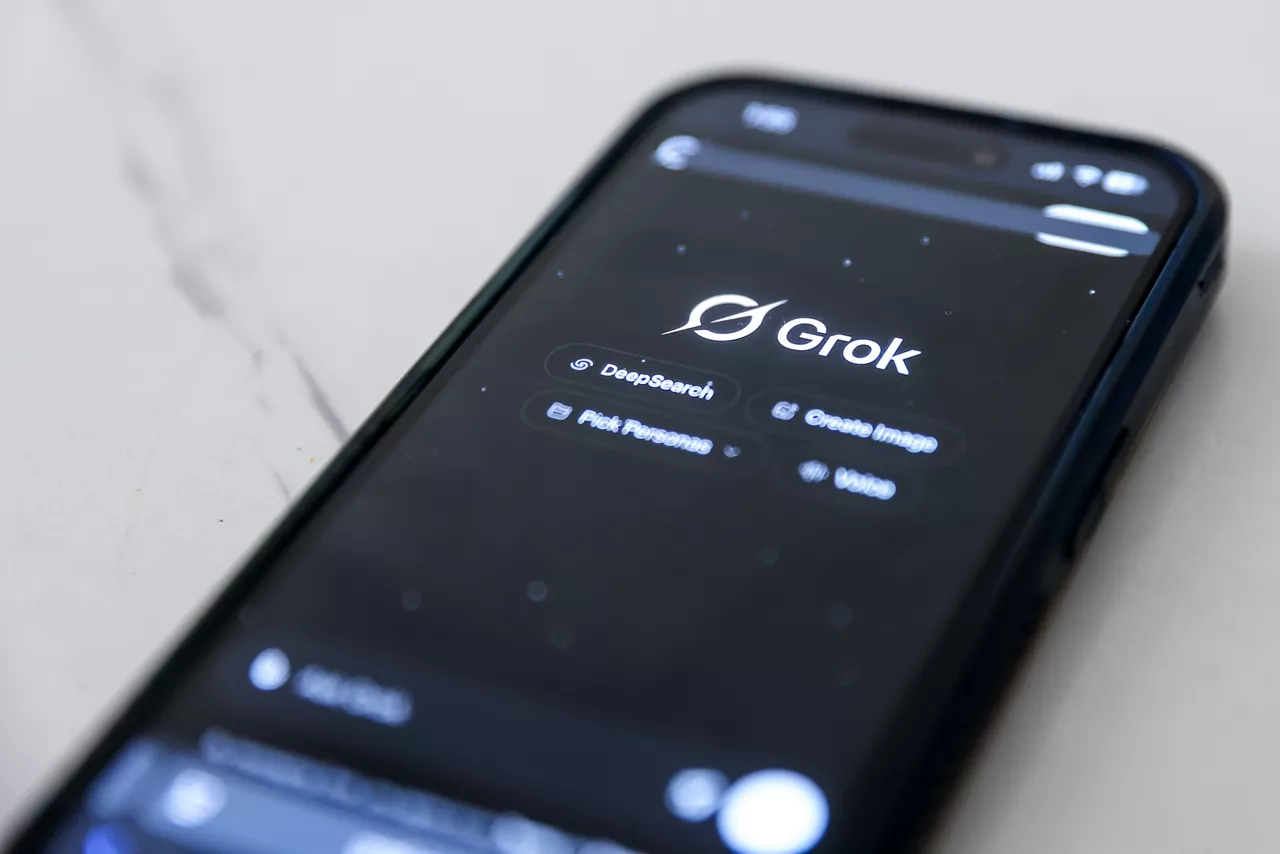
X will block Grok's creation of fair, sexualized images for all users
The social network has imposed further restrictions on artificial intelligence, following controversy over the creation of images of real people in intimate clothing, including minors. The measure also applies to paid subscribers.
Mundu osoko gobernuak Musken Grok estutzen ari dira, horrek sortu ditzakeen “deepfake” sexualengatik
Europan, hainbat gobernuk ikerketak abiatu dituzte horrelako edukiak legez kanpokoak diren ebaluatzeko.
ChatGPT and Copilot will stop operating on WhatsApp and only Meta AI will remain available
As a result of the new messaging platform policies, third party chatbots will be shut down and, as a result, OpenAI and Microsoft will be withdrawn from tomorrow.
Wikipedia turns 25 and the Basque edition becomes a reference for minority languages
The world's largest free and collaborative encyclopedia is celebrating its 25th anniversary with more than 60 million articles, while Wikipedia in Euskera stands out for its sustained growth, active community and support for the care and dissemination of the Basque language on the Internet.