
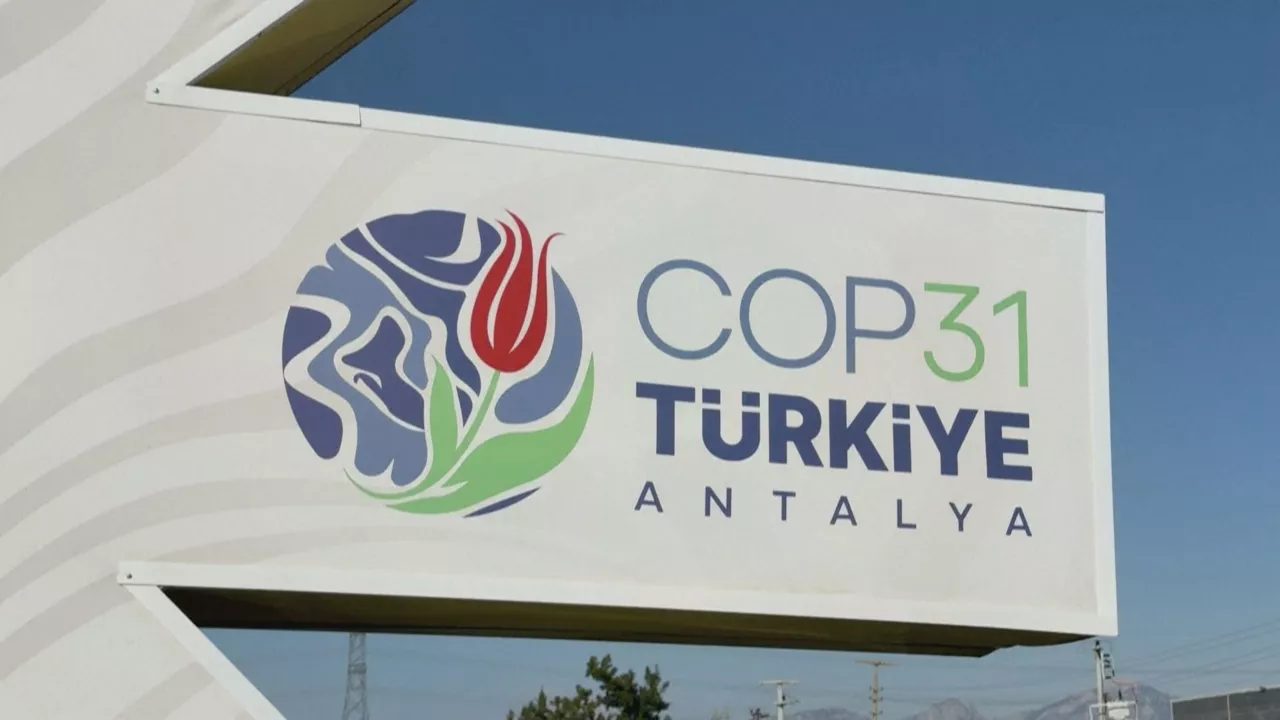
COP31 is underway with the challenge of turning climate commitments into concrete action
The UN climate summit has brought together representatives from around 200 countries in Antalya until 20 November, with the presence of the Basque Government and Basque companies in the sector, who will present ongoing projects to address the effects of global warming.


The city of Antalya will host the 31st United Nations Climate Change Conference (COP31) until the 20th and will bring together representatives from around 200 countries. Euskadi will have an institutional and business presence, with the aim of making progress in implementing the climate commitments made at previous summits.
The delegation of the Basque Government will be led by the Counsellor for Industry, Energy Transition and Sustainability, Mikel Jauregi, and will have four other representatives of the Department, in addition to this institutional representation, will have the participation of Basque companies in the sector to report on the projects being developed to respond to the effects of global warming.
Unlike other editions, COP31's main goal is not to announce a grand bargain, but to advance the implementation of commitments made, with the idea of moving from promises to action to accelerate emissions reduction, boost energy transition, and ensure the funding that countries need to meet their climate goals.
Stopping Global Warming
One of the main challenges will be to narrow the gap between the objectives of the Paris Agreement and the commitments that countries have put forward so far. With current policies, the planet will be warming up to 2.8 degrees by the end of the century, well above the 1.5 degree limit that the international community set as its benchmark.
The United Nations Environment Programme (UNEP) raises the need to reduce emissions by 45% by 2035 and limit warming by 2025 to remove CO2 from the atmosphere. However, current national commitments would only allow emissions to be reduced by 11% to 15% over that period.
In Antalya, governments will discuss how to close this gap, with particular attention to electrification, the deployment of renewable energy and the mobilization of economic resources to support climate plans in developing countries.
Renewables, one of the keys
The growth of renewable energies offers one of the few reasons for optimism. Since the adoption of the Paris Agreement in 2015, renewable electricity generation capacity has increased three times faster than expected, while photovoltaic solar has increased sevenfold its initial estimates, according to UNEP.
The Turkish summit wants to take advantage of this momentum to increase the weight of electricity in world energy consumption from 20% today to 35% todayin 2035. This objective, known as "35 for 35", will be one of the summit's most prominent initiatives.
China's role will also be crucial because of its ability to manufacture and export clean technologies and the evolution of coal consumption. The United States and the European Union are less ambitious, which also determines the international context of this edition.
Representation of the Basque Government
The Basque Government will be present at COP31. In addition to Counsellor Mikel Jauregi, Josu Bilbao, Vice-Minister for the Environment, Adolfo Uriarte, Director of Natural Heritage and Adaptation to Climate Change, Mikel Hidalgo, Coordinator of Social Transition Projects, and Urko Odriozola, Director of Institutional Relations of the Department of Industry, Energy Transition and Sustainability.
Environmental organizations call for more ambition
Ecologists in Action, Greenpeace, WWF and SEO/BirdLife have called for greater political ambition in COP31. The four organizations have warned that the measures taken so far are insufficient to curb global warming, and have called for accelerating emissions reductions, increasing climate funding, and moving toward fossil fuel deposition.
You might like

The director of the Nvidia company is being investigated for his relationship with a Chinese spy
The man who shot six people in Kraków has died
Russian statistical services have been hacked, bringing the death toll in the war to 400,000
Eisenkot announces "novel and unusual" political actions after taking over the task of forming a government in Israel
Climate meeting COP31 at Trukia, with the challenge of transforming commitments into agreements

The floods in Gaza have flooded the tents of 70,000 Palestinian displaced persons
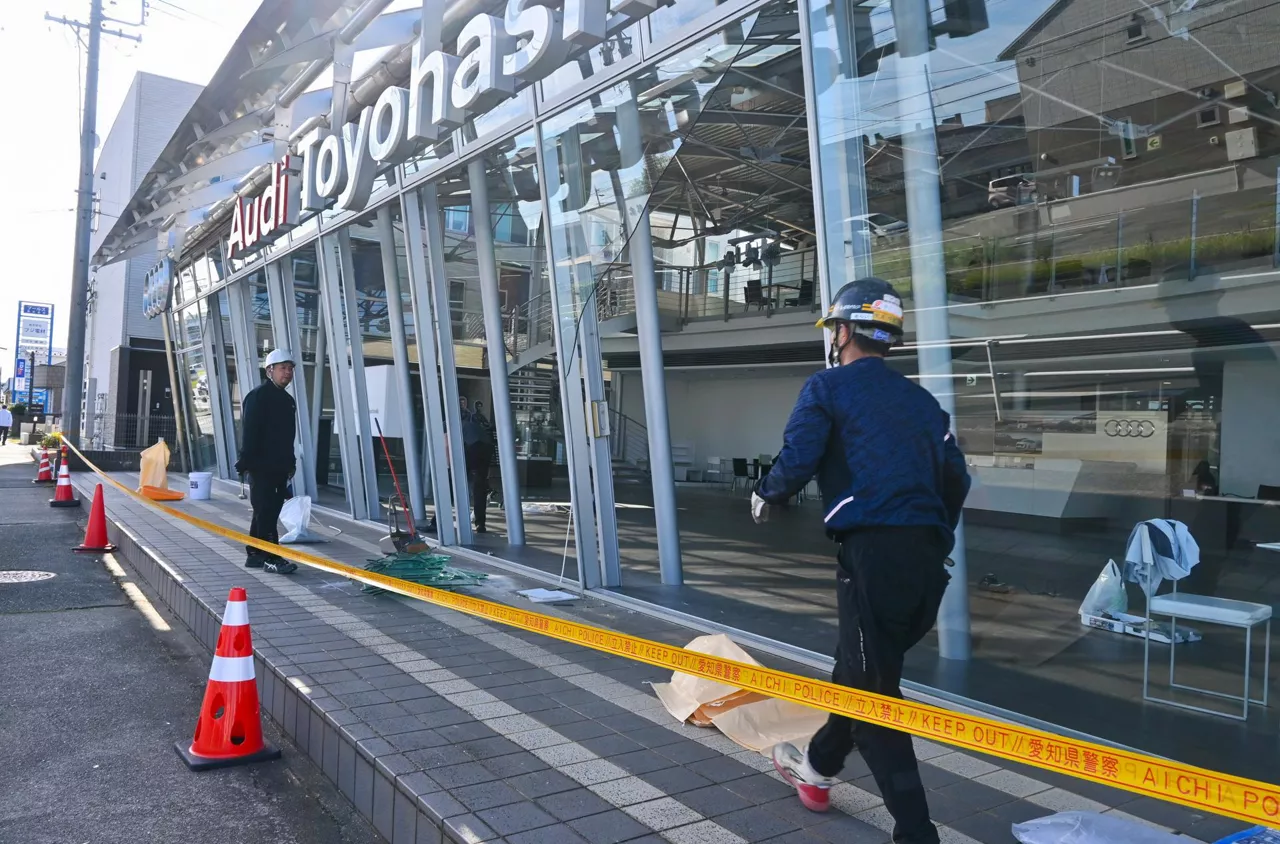
A 5.7 magnitude earthquake shakes central Japan
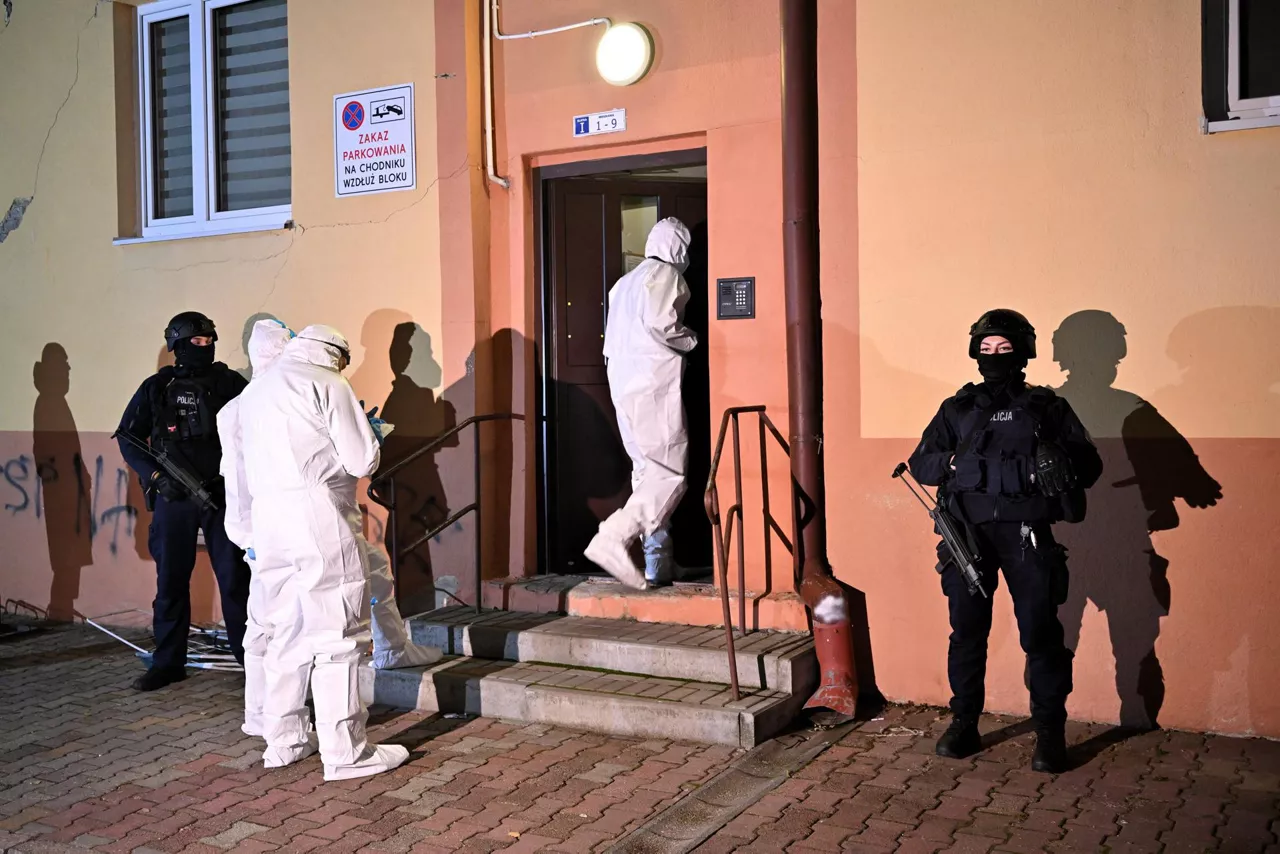
The bodies found in the house of the Kraków attacker are his parents and sister
