
Welspun has cancelled its meeting with the Tubos Reunion unions to discuss the SEPI debt issue
However, the Indian group that wants to buy Reunited Tubes has expressed interest in continuing the process and has advanced that it will reconvene the unions once the situation has been assessed.


The Welspun Group of India has postponed the meeting with the Tubos Reunidos Works Council in Trapagaran scheduled for Monday to discuss the debt situation withthe SEPI. D.\The Indian group interested in acquiring Tubos Reunion has expressed interest in continuing the process and has advanced that it will reconvene the unions after analysing the situation.
Welspun is one of five bids selected to move into the next phase of this sales process. He convened a committee meeting in Trapagaran, Bizkaia, on Monday to present his plans to workers' representatives.
However, this very Friday it decided to cancel this appointment in order to analyse the situation of Tubos Reunion's debt to the SEPI of around 150 million. This body has submitted a report from the services of the European Commission's Directorate-General for Competition which concludes that it would be illegal to withdraw that debt.
The SEPI has pointed out that production units must assume this liability and that the insolvency administration of Tubos Reunidos inits reports considers the debt to be "subsidiary", while the five bidders have not requested the withdrawal, but the potential buyers have not claimed the share of the production units they own.
So that debt and the possibility of coping with it and transferring that whole process to Europe can complicate the whole process.
Jáuregui warns that it could lead the company to a "no-return" exit
Industry Advisor Mikel Jauregireported on Thursday that if the State Company for Industrial Holdings (SEPI) is not flexible with the 150 million euros owed to it by Tubos Reunion, it could lead the company to a "no-return" exit.
The Chief Executive stated that this view of the European Commission is not final, but acknowledged that there was concern among potential buyers who made offers thinking they should not accept that debt.
You might like
Nöel d'Anjou has been hopeful that agreements will be reached between the parties and that the budgets will be taken forward

The Nanclares Committee of Tubos Reunion rejects the ERE proposed by the insolvency administrator

LAB questions Vicinay's interests and opposes redundancies
The Basque Country closed the third quarter with 3,100 fewer unemployed and 6.6% unemployment
D'Anjou calls for "broad vision, responsibility and willingness to agree" for the 2027 budget negotiation

PNV and PSE agree on tax measures on housing, including rent incentives and taxes for large owners
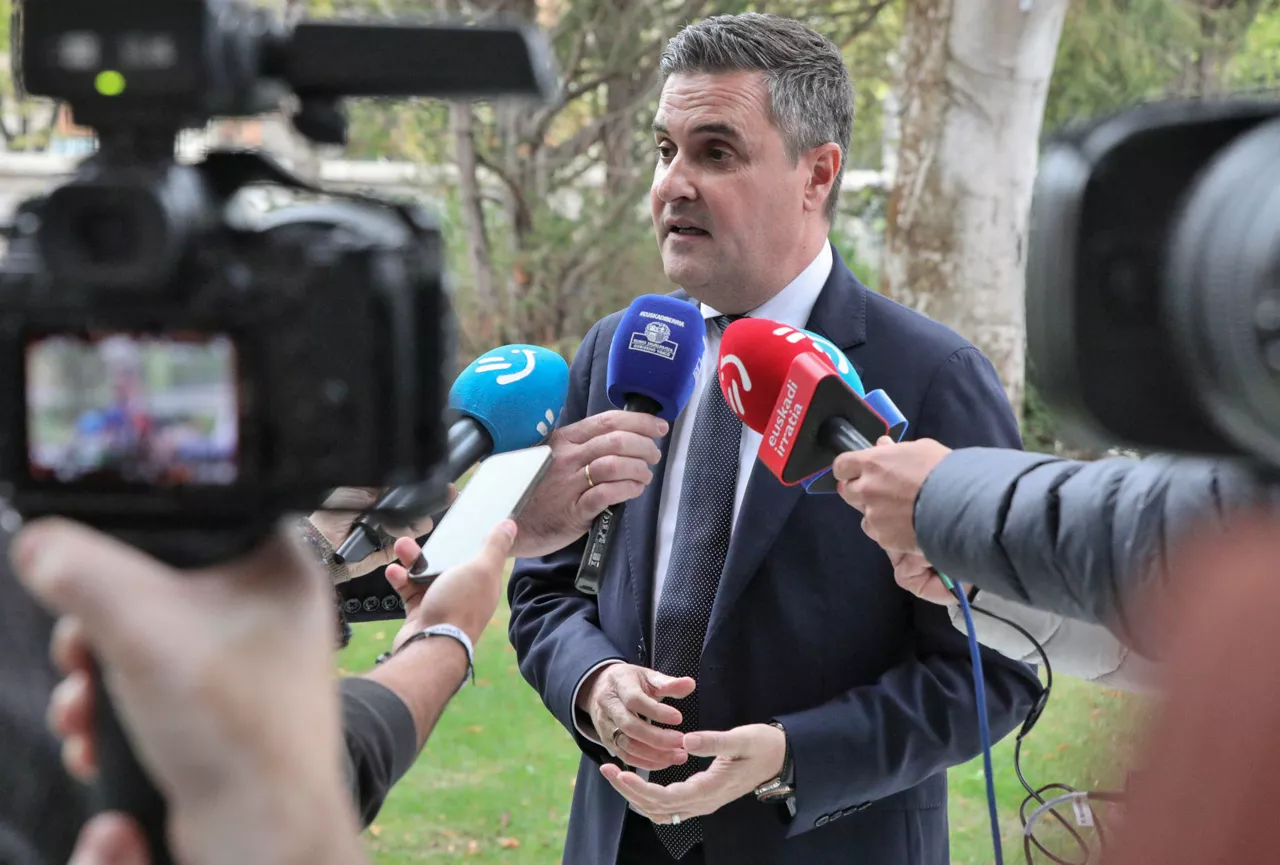
Jáuregui warns of critical risk to Tubos Reunion over SEPI debt and will seek alternatives to Vicinay jobs
Navarre will buy 27 homes from an investment fund
