The big EU countries have not supported a 90% reduction in emissions by 2040. Now what?
France, Germany, Italy and Poland, among others, have not supported the European Commission's proposal and have shaken the EU's climate leadership so far.


The recent floods, forest fires and extreme heat in many areas have shown that climate change is progressing faster than political measures. For a long time, the European Union has been a benchmark for the energy transition. Now, however, the fragmentation between countries, among other measures put in place by China, has cast doubt on its leadership.
Europe has been in force since 2020 under the European Climate Act , according to which by 2030 greenhouse gas emissions should be reduced by 55%, by 2050, climate neutrality should be achieved, that is, no emissions should be emitted.

Last July, the European Commission proposed an amendment to this law to include an intermediate target on the way to achieving the 90% reduction set by 2040, which has been opposed by the large EU countries.
The European Union, Germany, France, Italy and Poland, among others, are opposed to this objective, which is why negotiations have not progressed. Hungary, Slovakia and the Czech Republic have also opposed the proposal from the outset.

There are several reasons to oppose the measure, on the one hand thepolitical actorsf and on the other the economicactors f. There are politically partisan positions on the transition to curbing climate change and, for example, there are more representatives of right-wing and ultra-right-wing parties than in the previous parliamentary term, most of them opposed to climate policies.
Moreover, economic measures of this kind have a major impact on a country's economy, and as a result many countries have expressed concern.
"All production and consumption patterns in a country should be radically transformed, so some countries want to study well what impact it will have on certain sectors of their country," says Jon Sampedro, researcher at the BC3 Basque Centre for Climate Change.
Some countries have called for the emission target to be achieved with more international compensation, while others have asked the European Union for time and, of course, there are also voices in favour, such as Spain, Denmark and the Netherlands.

In any case, Member States have difficulty agreeing, which could jeopardize the EU's leadership in climate change policies so far. Europe has been characterised by acting as a bloc and proposing major objectives and challenges: 'If it does not act as a bloc, it could lose strength,' Sampedro said.
At the request of Germany and France, the regulation has been debated and adopted at the European Council, where the Heads of State and Government of the 27 countries meet. The next meeting of the European Council will be held on 23 and 24 October.
For the time being, at least, the plan to reduce greenhouse gas emissions by 2040 will have to wait, and it will continue to be discussed at the meeting at the end of October. The regulation must be adopted unanimously, and it seems difficult, given the draft that is now being worked on.
What happened could also make it difficult for the EU to reach the COP30 climate summit in Brazil in November.

You might like
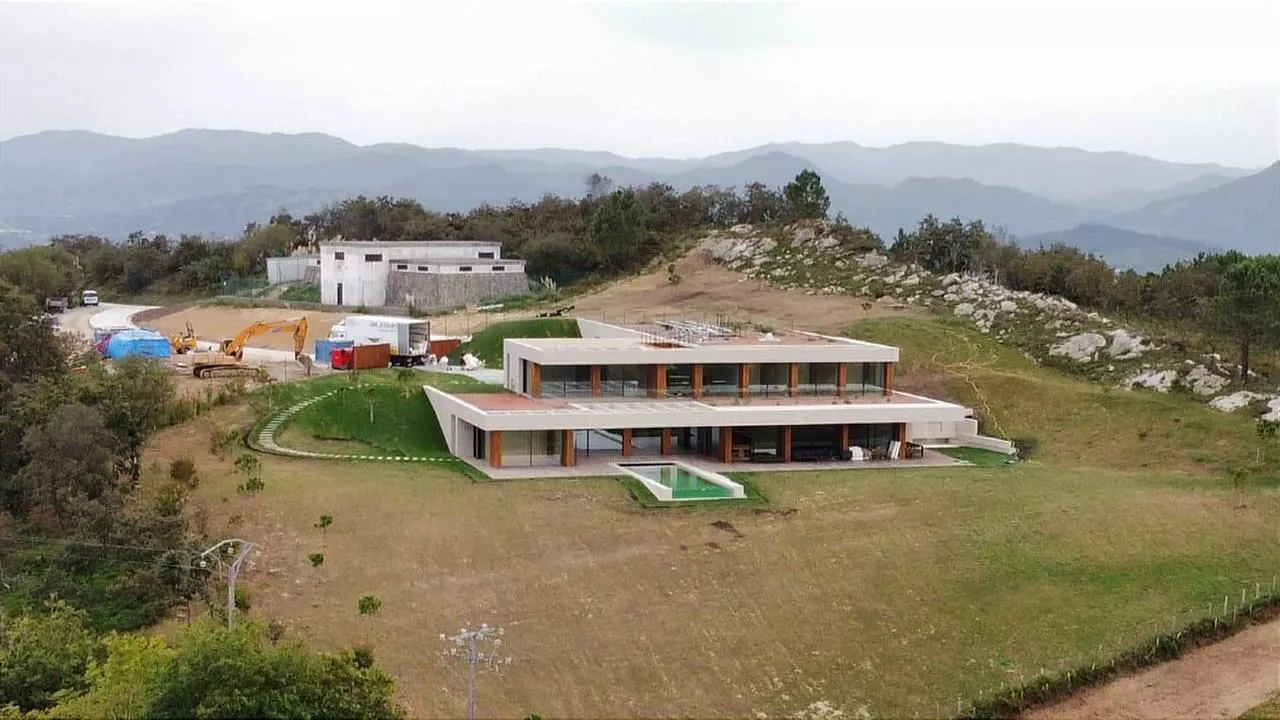
The TSJPV has ruled that the villa built by Xabi Alonso in Igeldo is legal
UPV/EHU will not renew its partnership agreement with CAF after five years of running
Lack of resources is the main cause of teacher stress in the ACV, according to a study
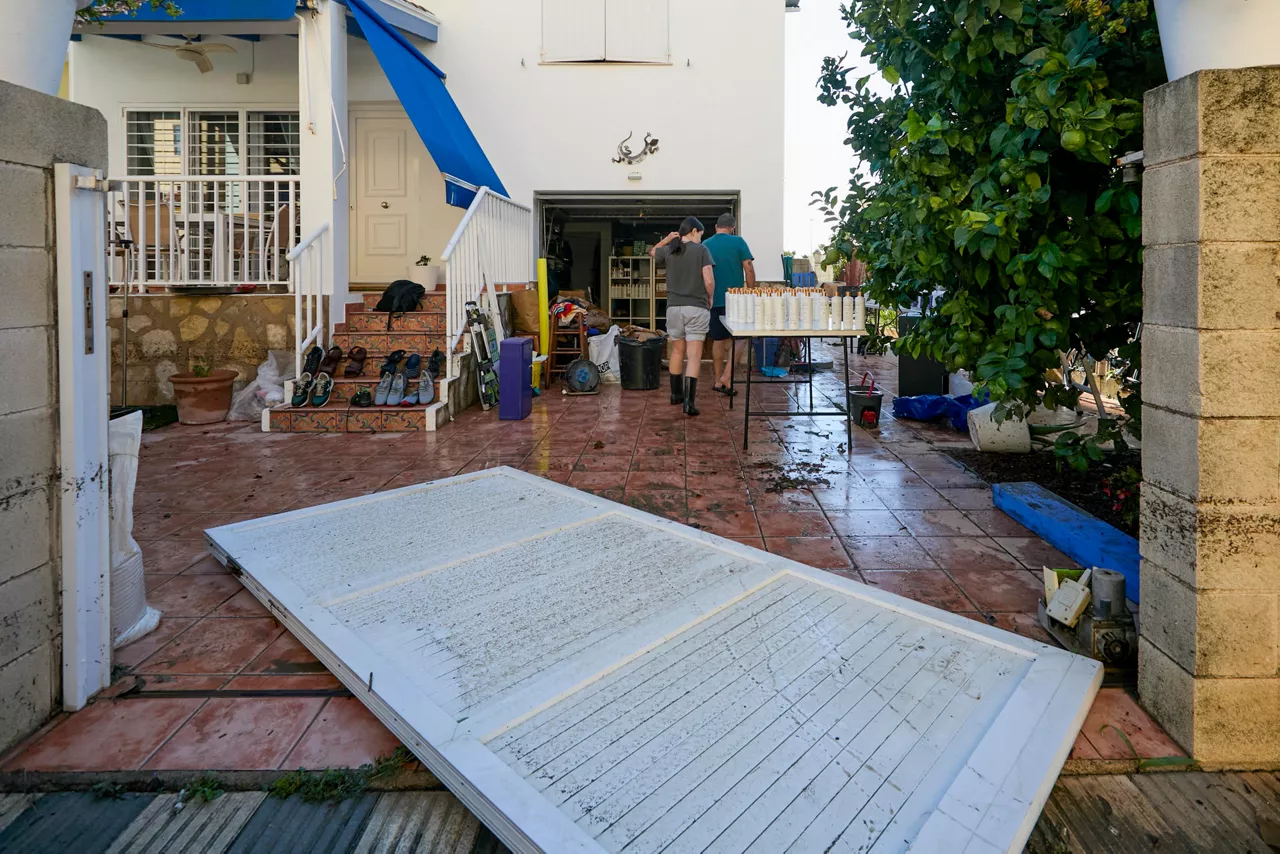
Residents are working to clean up the municipalities most affected by the isolated depression in the Adam Heights
Benta Berri residents will remain on protected rental terms
The Council will launch a virtual league between Guipuzcoan municipalities to promote healthy ageing
The storm has left two dead in Valencia, where the government is preparing a restraining order
The remains of Neanderthals have been found for the first time in Navarre in the caves of Abaunz

There will be news: Vaccinations in the ACV and flu vaccination in Navarre, Adam GOIDI and protests in France