Real poverty in the Basque Country has risen from 4% to 6.1%, according to the survey on social inequalities
Although the ability of families to cover their daily expenses has improved, the difficulty of going on holiday and having a car under the age of 10 has increased.
 Jorge Aramendi, coordinator of the Statistical Body for the Demographic Challenge, together with Counsellor Nerea Melgosa. Photo: EFE

The real poverty rate in the Basque Country was 6.1% in 2024, according to data presented by the Counsellor for Welfare, Youth and Demographic Challenge, Nerea Melgosa, and the coordinator of the Statistical Body of the same department, Jorge Aramendi. The data reflects a significant increase, since the previous one, in 2022, was 4%. The official survey on poverty and social inequalities was conducted in almost 4,500 households, with more than 10,000 participants.
The report shows that, although the ability of households to maintain their incomes has improved slightly, the maintenance poverty rate has fallen from 7.3 per cent to 7.2 per cent, but the shortfall in the accumulation dimension has increased: the percentage of households unable to pay at least one week's vacation has increased from 13.9 per cent to 18.8 per cent, and the proportion of households without a car under 10 years of age has increased from 58.1 per cent to 64.4 per cent.
At the same time, some indicators of habitability have improved: housing with moisture problems has fallen from 12.4 per cent to 9.8 per cent, while those exposed to noise and pollution have decreased slightly, from 8 per cent to 7.4 per cent.
Counsellor Melgosa stressed that despite the increase in real poverty, Basque society has the capacity to create an economic, network and community cushion. She also noted a slight improvement in the Gini coefficient, which measures inequality in income distribution, from 26.9% to 25.9%. This represents less inequality, although there are more people in poverty.
The study was carried out in 2024, with an upward trend in inflation, with a year-on-year CPI of 3.6 per cent, which in particular made food, housing and fuel more expensive and affected the saving capacity of many families. Moreover, there is a growing population of foreign origin, with more than 117,000 people arriving in the Basque Country in 2023 and 2024, and a greater weakness in some groups due to difficulties in employment, housing and savings.
You might like
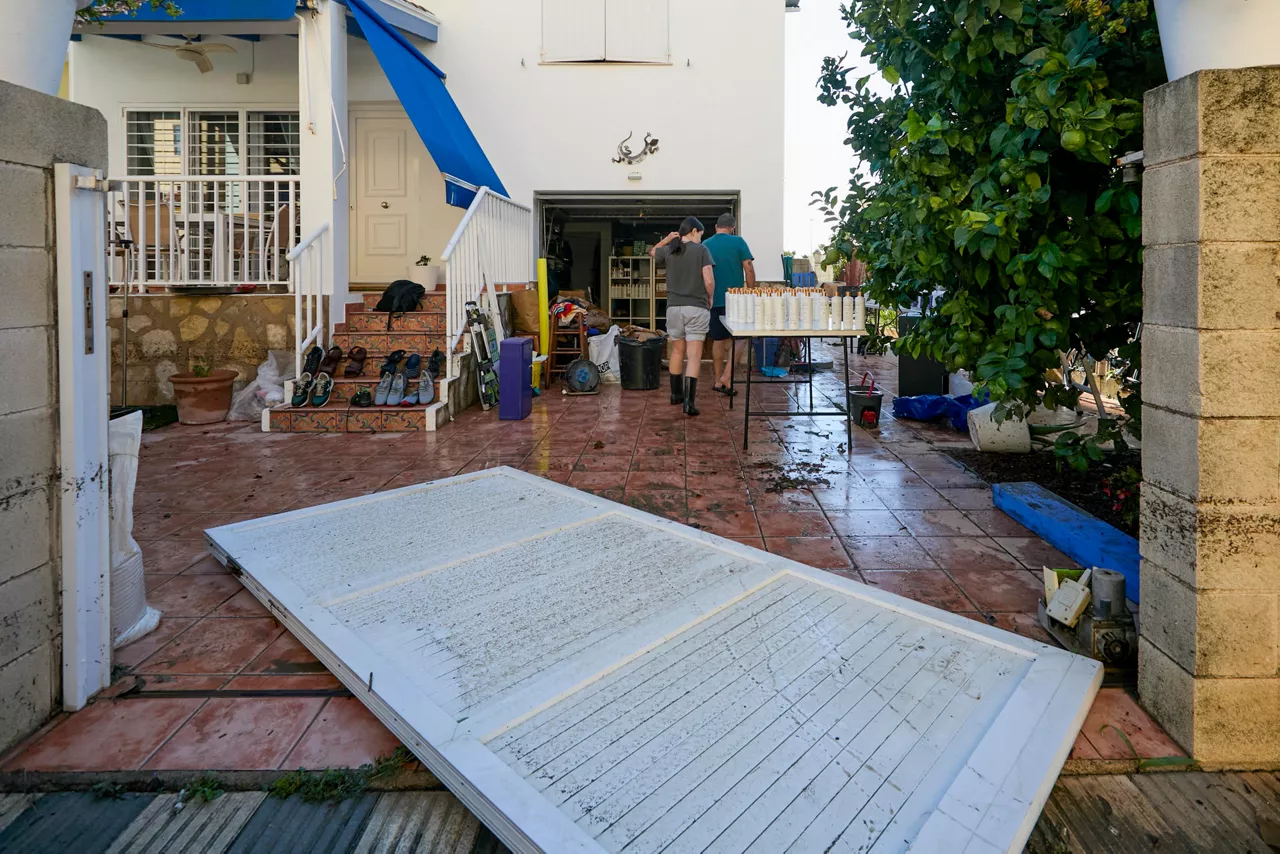
Residents are working to clean up the municipalities most affected by the isolated depression in the Adam Heights
Benta Berri residents will remain on protected rental terms
The Council will launch a virtual league between Guipuzcoan municipalities to promote healthy ageing

The storm has left two dead in Valencia, where the government is preparing a restraining order
The remains of Neanderthals have been found for the first time in Navarre in the caves of Abaunz

There will be news: Vaccinations in the ACV and flu vaccination in Navarre, Adam GOIDI and protests in France

The Invisible Breast Cancer Bill
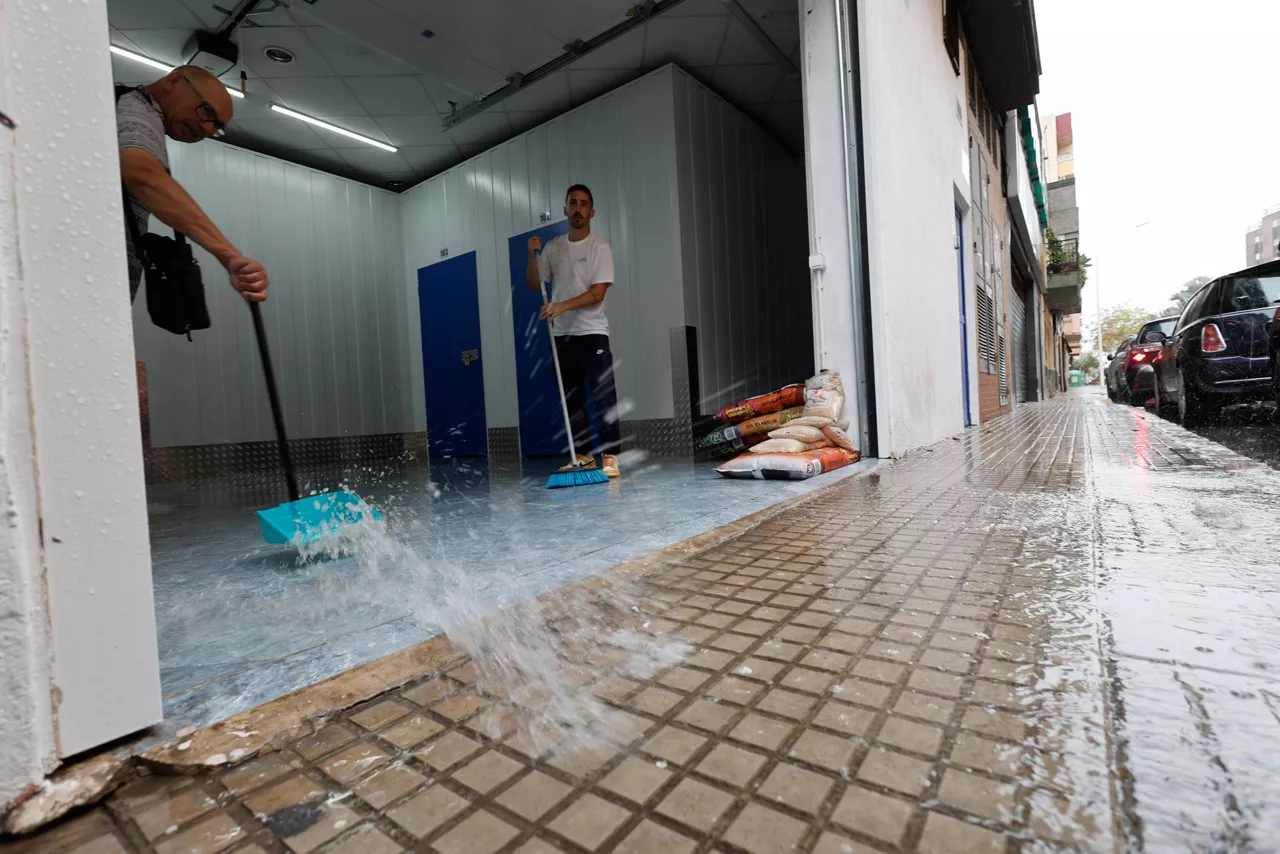
Red alert continues in Valencia and Alicante for storm Adam heading for Catalonia

More than 200,000 people are called to be vaccinated against influenza and covid in Navarre today