Who are the seven people who wrote Korrika's message?


The 24th edition of the Korrika has ended with an extraordinary surprise: the reading of a message written not by one person but by seven people who are not known throughout Euskal Herria. Who are they?
Oier Iñurrieta Garmendia , a 25-year-old gasteiztarra (Álava), is one of those who has written the message. The teacher, by profession, participates in the project called Zunba Herrikoia, with the aim of integrating the Euskera into the leisure area.
The Eskoriatzarra Oihana Arana Cardenal (Gipuzkoa) has also participated in the writing of the message. She chose to live in Basque from transfeminism while studying anthropology and works in literature and bertsolarism.
Elene Mengyu Larrinaga Bilbao was born in China in 2003 and arrived in Barakaldo (Bizkaia) before arriving a year ago. At home she listened to Pirritx and Porrotx, watched ETB3 on television and studied in model D. However, thanks to AEK she achieved a higher level of Basque and also studied university in Basque. She belongs to the first generation of family with her sister.
The fourth messenger is Beñat Jusue Rosano , a 28-year-old Tudela (Navarre) who, from a very young age, began to military for the Euskera, to organize Euskera Day, youth days and so on. At 22 years old, he participated in the founding of the Tudela Union to promote Euskera, parity and cultural integration.
The 23-year-old hendaiarra Aitzol Gil de San Vicente Pla (Lapurdi) arrived in Lapurdi at the age of seven from San Sebastián, driven by political conflict. His passion for militancy in favor of the Basque Country was kindled at the Bernat Etxepare Lyceum.
Xalbat Alzugarai Etxeberrihas arrived in Bilbao from Urepel (Baja Navarra). The journalist of the newspaper Berria acknowledges that he almost lost the Euskera in his adolescence, but the passage of Korrika through his village helped him translate it into the language he had received at home.
Finally, we have the Sohütarra Leire Casamajou Elkegarai (Zuberoa), who, despite being a French mother tongue, says her parents made her "Euskaltzale, patriot, militant for our language and for our people."
You might like
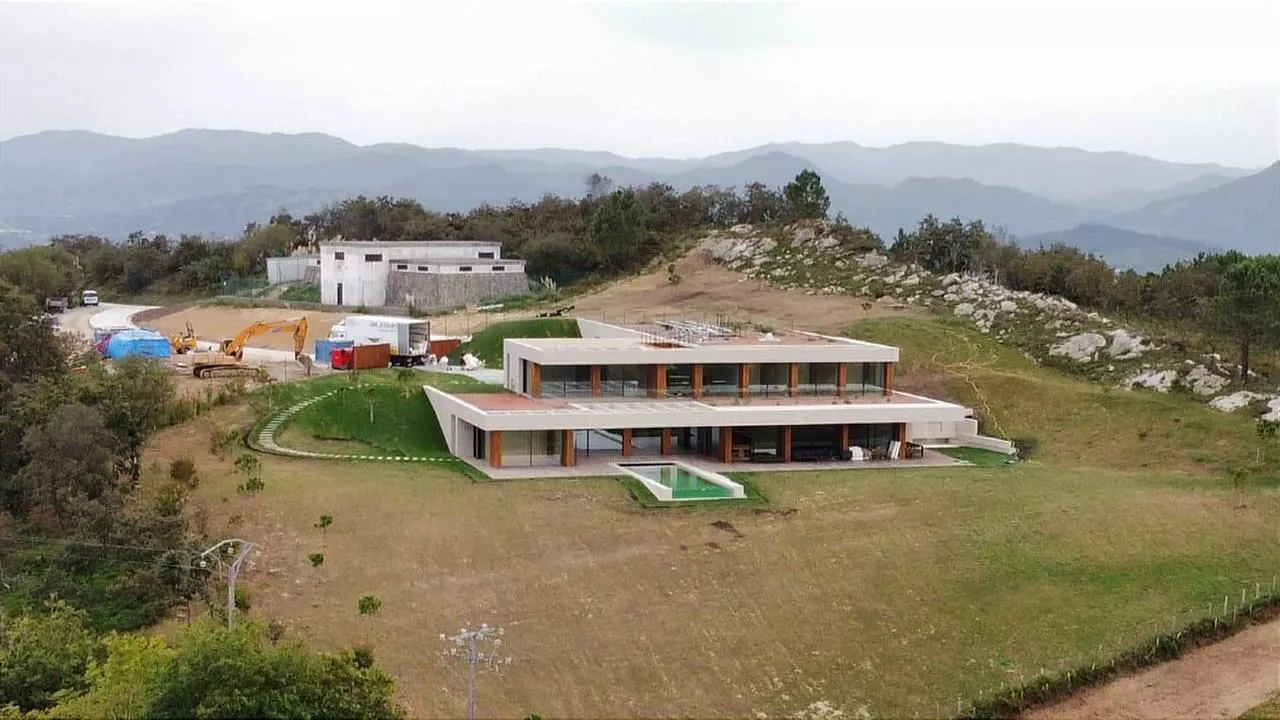
The TSJPV has ruled that the villa built by Xabi Alonso in Igeldo is legal
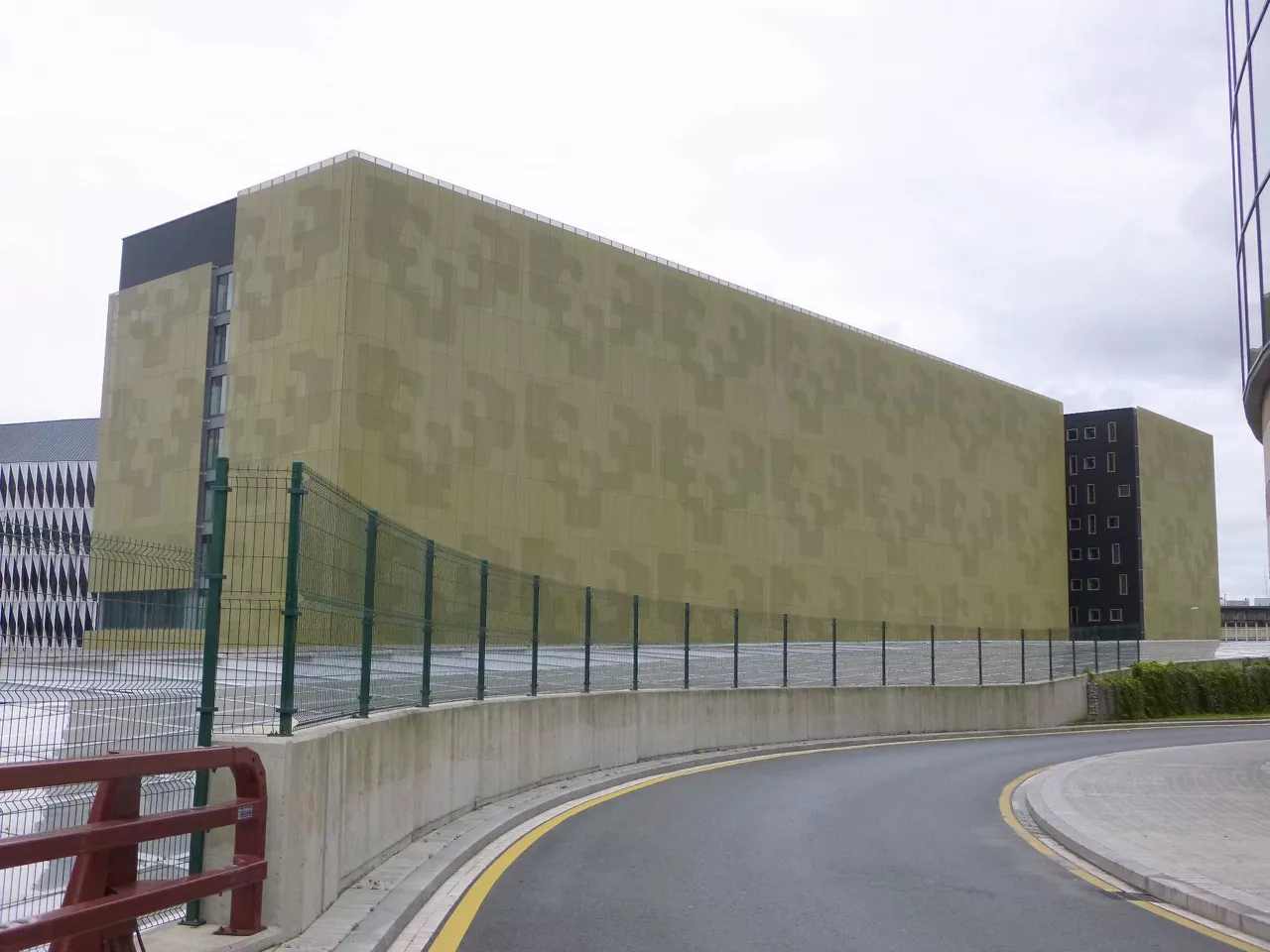
UPV/EHU will not renew its partnership agreement with CAF after five years of running
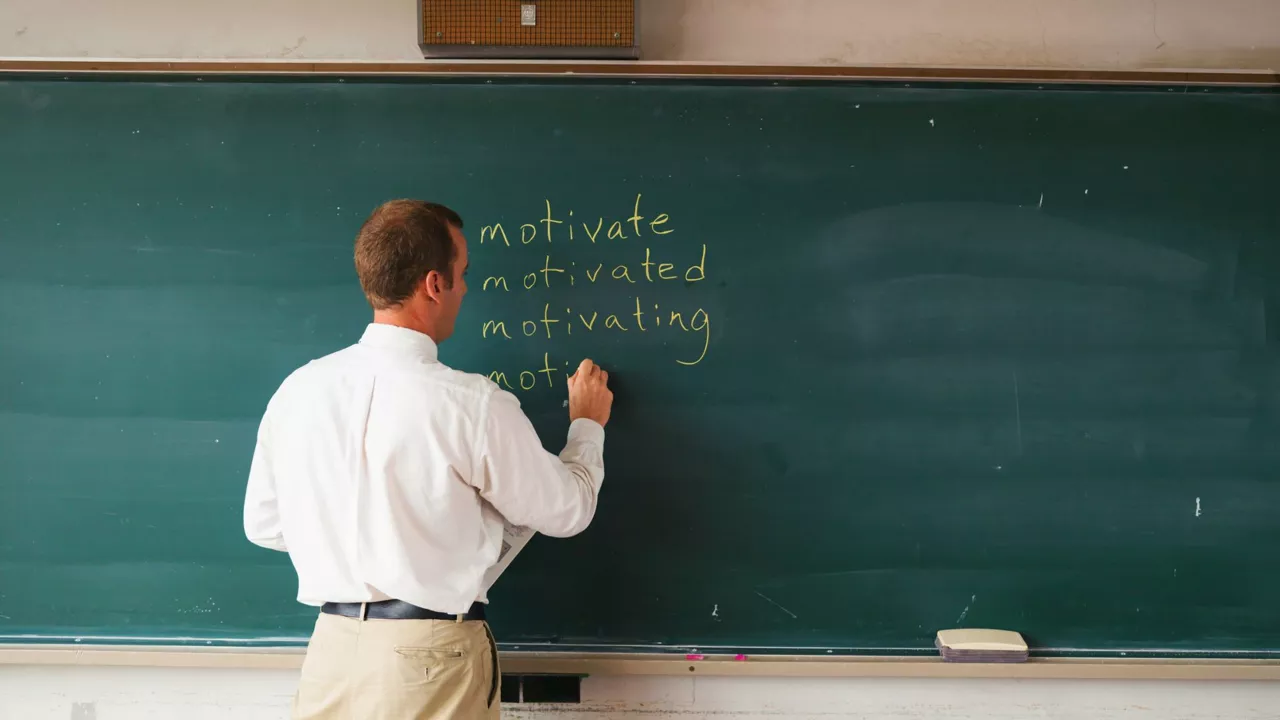
Lack of resources is the main cause of teacher stress in the ACV, according to a study
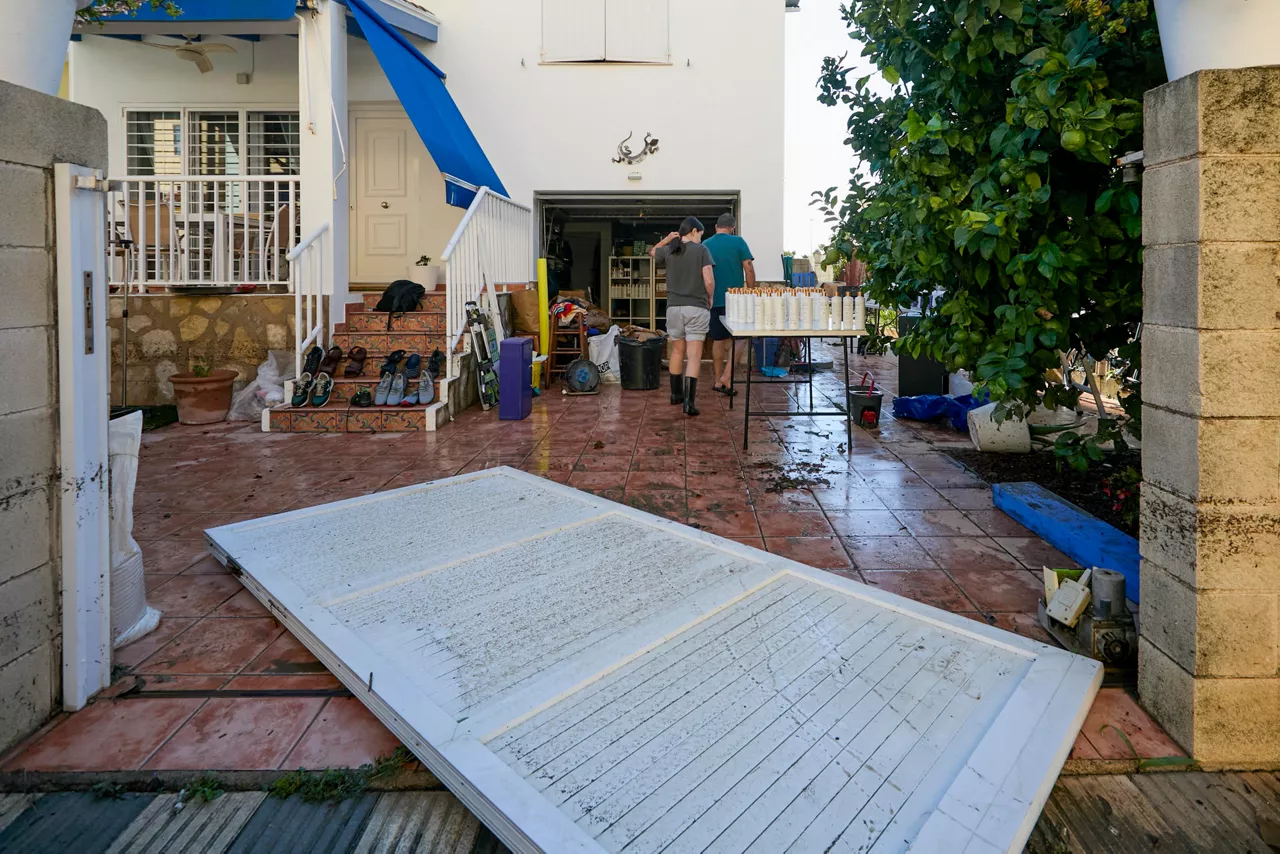
Residents are working to clean up the municipalities most affected by the isolated depression in the Adam Heights
Benta Berri residents will remain on protected rental terms
The Council will launch a virtual league between Guipuzcoan municipalities to promote healthy ageing
The storm has left two dead in Valencia, where the government is preparing a restraining order
The remains of Neanderthals have been found for the first time in Navarre in the caves of Abaunz

There will be news: Vaccinations in the ACV and flu vaccination in Navarre, Adam GOIDI and protests in France