Creation of HaurSarea, Osakidetza's comprehensive network for complex cronicity and paediatric palliative care
The aim is to provide a more orderly, equitable and effective response to this reality, with "continuous assistance" adapted to the different stages of the disease and the complexity of each minor, for which there will be multidisciplinary teams of paediatricians, paediatric nurses, social workers and psychologists, and 24/7 support.


The Basque Government has launched the Children's Network, a comprehensive network of Osakidetza for the care of children and adolescents with complex chronic diseases or in need of paediatric palliatives, which will strengthen existing services so that they can receive assistance at home with permanent surveillance equipment.
This Wednesday HaurSare was presented in Bilbao by the Health Counselor, Alberto Martínez; the General Director of Osakidetza, Lore Bilbao; and the Head of Pediatrics of the Basque Health Service, Iratxe Salcedo.
Alberto Martínez, who advanced his intention to structure the paediatric palliative care system in June last year, has stressed today that this support network will allow the monitoring, support and support of minors and their families throughout the disease process, with "continuous assistance" appropriate to the stages of the disease and the level of complexity of each patient, and will also provide support in mourning in cases where the patient dies.
According to data from Osakidetza, children and adolescents with complex chronic pathology accountfor 6.8% of paediatric patients and about 90 out of 10,000 children require palliative care. However, behind these figures, Alberto Martínez has stressed, are "families in need of continuous support, rapid and close responses and real coordination." In addition, advances in medicine have explained that children with complex diseases live longer, which increases the need for follow-up, technical support, and emotional support.
HaurSare responds to the commitments of the Basque Health Pact and is part of the Strategic Plan for Palliative Care. Martinez has stressed that "it does not start from scratch", but from the work already done by many professionals inOsakidetza, "who will now have a clear, organized and sustainable structure".
It will connect all levels of care, reference hospitals, Primary Care (the main axis of follow-up) and the home, which will be the "central focus of care", so that "each child receives the most appropriate care, in the most appropriate place and at the most appropriate time, with rapid coordination between all levels", explains Salcedo.
The network will have multidisciplinary hospital teams in the four Integrated Reference Health Organizations (Cruces, Basurto, Donostia and Araba Hospitals), composedof paediatricians, paediatric nurses, social workers and psychologists, in "close coordination" with primary care and the other levels of care in the system.
Nurse Manager, key figure
The new project incorporates a figure that will be "key" to improving the coordination and continuity of care: the nurse managerof complex cronicity and paediatric palliative care cases. This professional will be an expert in paediatrics and with extensive knowledge of palliatives. He will lead the management of complex cases, perform advanced home care and serve as a link between hospital, primary care, family, school and social services.
In total, the network envisages 16 nurses ,or distributed in integrated health areas, with the ability to monitor, support and assist throughout the disease process.
The Children'sNetwork will be implemented progressively, with the incorporation of professionals, the provision of material resources, structured training and the gradual activation of continuous care, "until within a few months it reaches full coverage 24/7", explains Lore Bilbao.
You might like
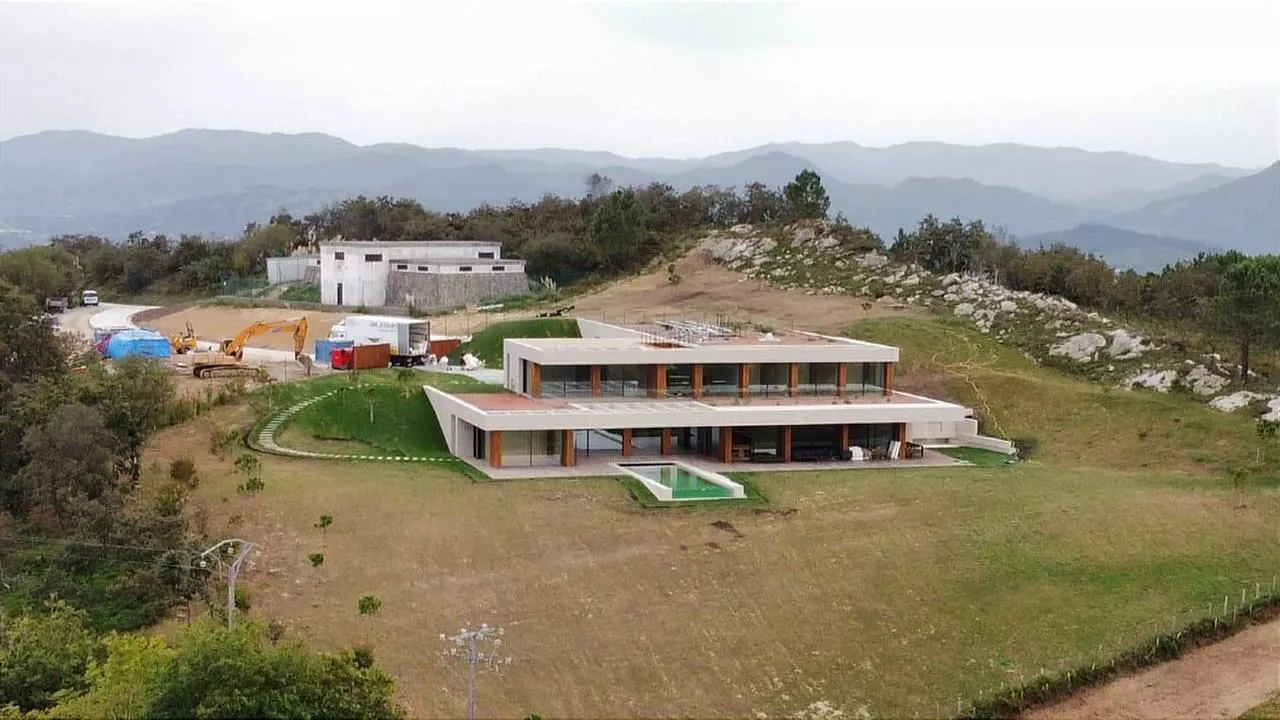
The TSJPV has ruled that the villa built by Xabi Alonso in Igeldo is legal
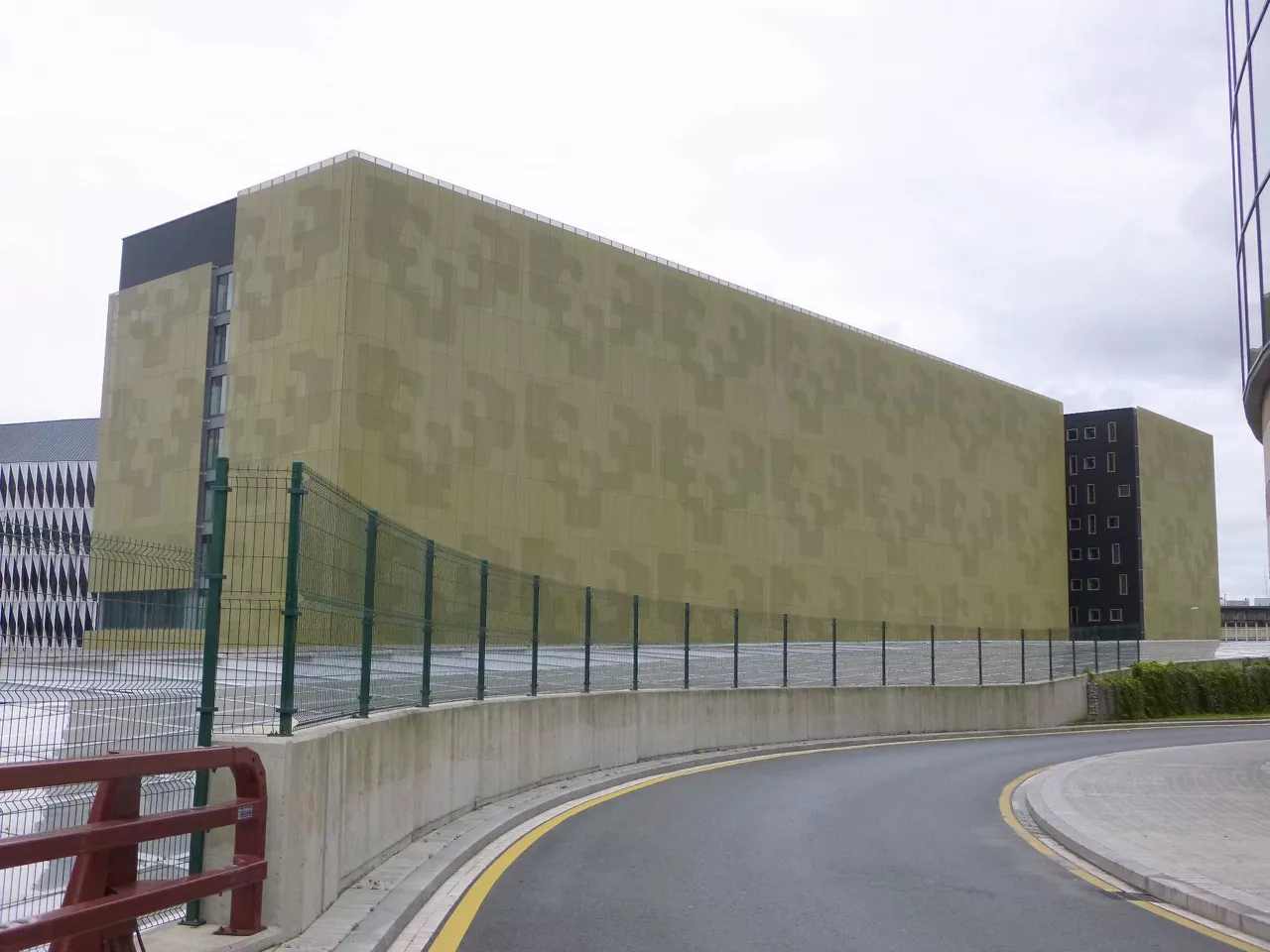
UPV/EHU will not renew its partnership agreement with CAF after five years of running
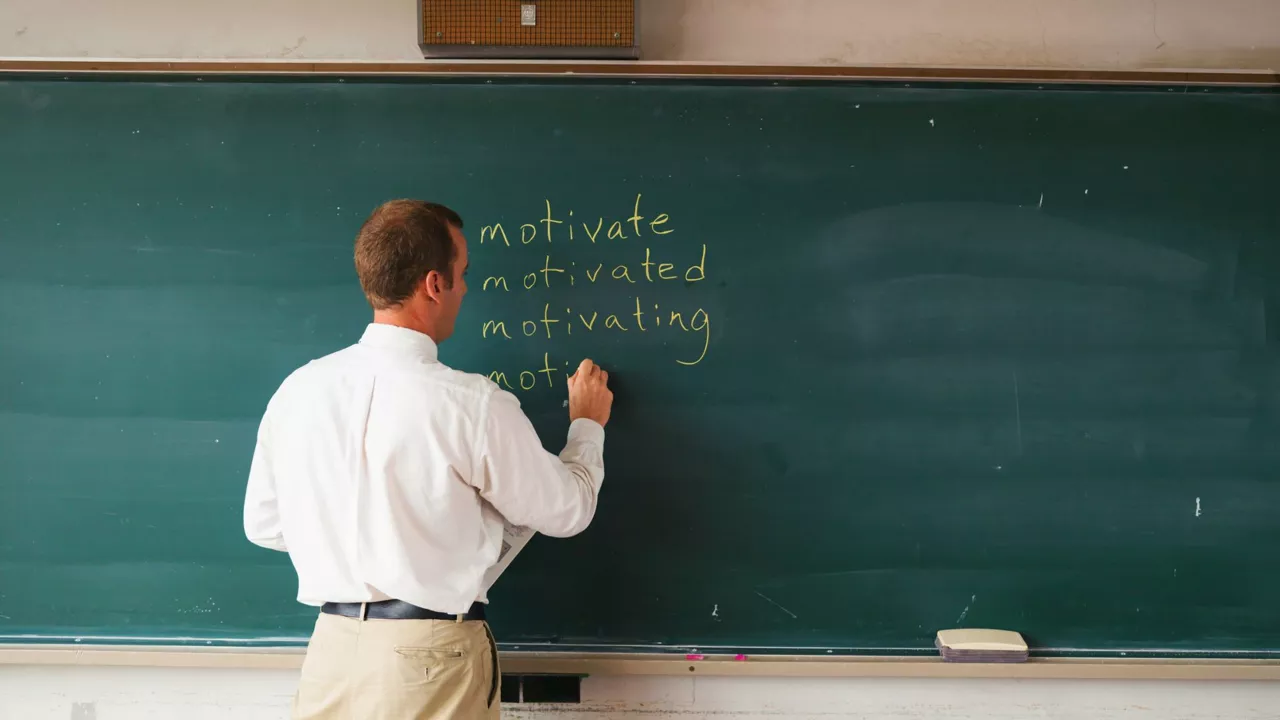
Lack of resources is the main cause of teacher stress in the ACV, according to a study
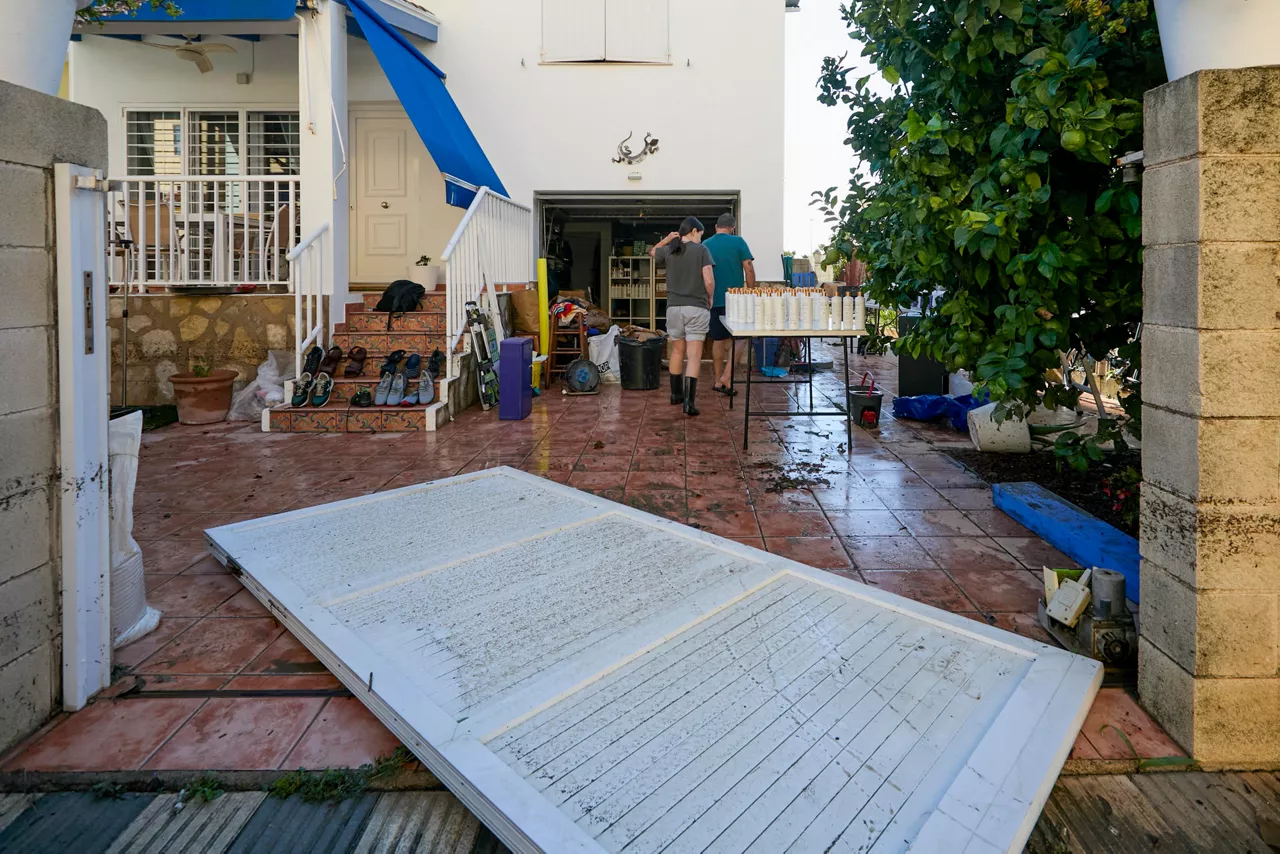
Residents are working to clean up the municipalities most affected by the isolated depression in the Adam Heights
Benta Berri residents will remain on protected rental terms
The Council will launch a virtual league between Guipuzcoan municipalities to promote healthy ageing
The storm has left two dead in Valencia, where the government is preparing a restraining order
The remains of Neanderthals have been found for the first time in Navarre in the caves of Abaunz

There will be news: Vaccinations in the ACV and flu vaccination in Navarre, Adam GOIDI and protests in France