UNICEF warns that time is running out in Gaza: "Children will begin to die of thirst."
There is hardly any drinking water in the Gaza Strip because of the humanitarian blockade imposed by Isral, which the UN has stressed is a political decision.


"If the 100-day blockade of fuel to Gaza does not end, children will begin to die of thirst," a UNICEF spokesman, James Elder, warned.
The situation on the list can be fatal, even as far as water is concerned. Currently, of the 217 facilities, only 87 operate. Facilities like this need fuel because the Palestinian enclave has no electricity since the genocide began.
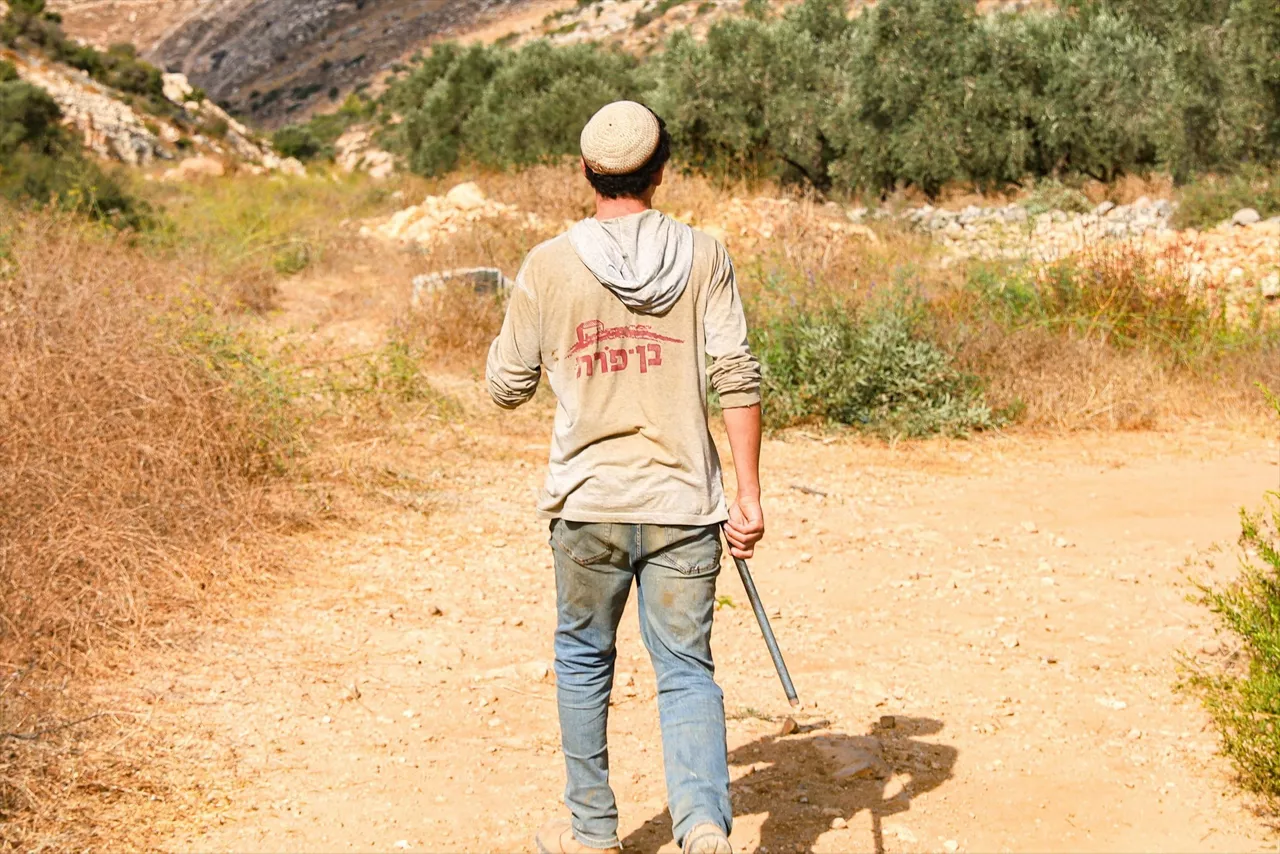
Gaza depends to a large extent on desalination plants, and water must also be transported to reach its destination, and transport is increasingly limited. The UNICEF spokesman has indicated that in some cases donkeys have begun to replace trucks as "the last breath of a falling system."
A donkey can carry about 500 litres, and the truck capacity is 15,000 litres. Animals have trouble moving too, because "there's hardly any food."
Elder has stated that "it's a man-made drought" and that's precisely why "it can stop." In this regard, he has warned that there are no logistical or technical problems preventing systems from recovering; "they are political," he added.
"If there is political will, the water crisis can be alleviated: the presence of fuel would mean that the water would begin to flow through hundreds of underground wells, and the supply would be restored one day," he has demanded.
According to UNICEF estimates, the number of children between the ages of six months and five who need treatment for acute malnutrition has increased by 50 per cent between April and May. More than 110 children a day are hospitalized for this reason.
You might like
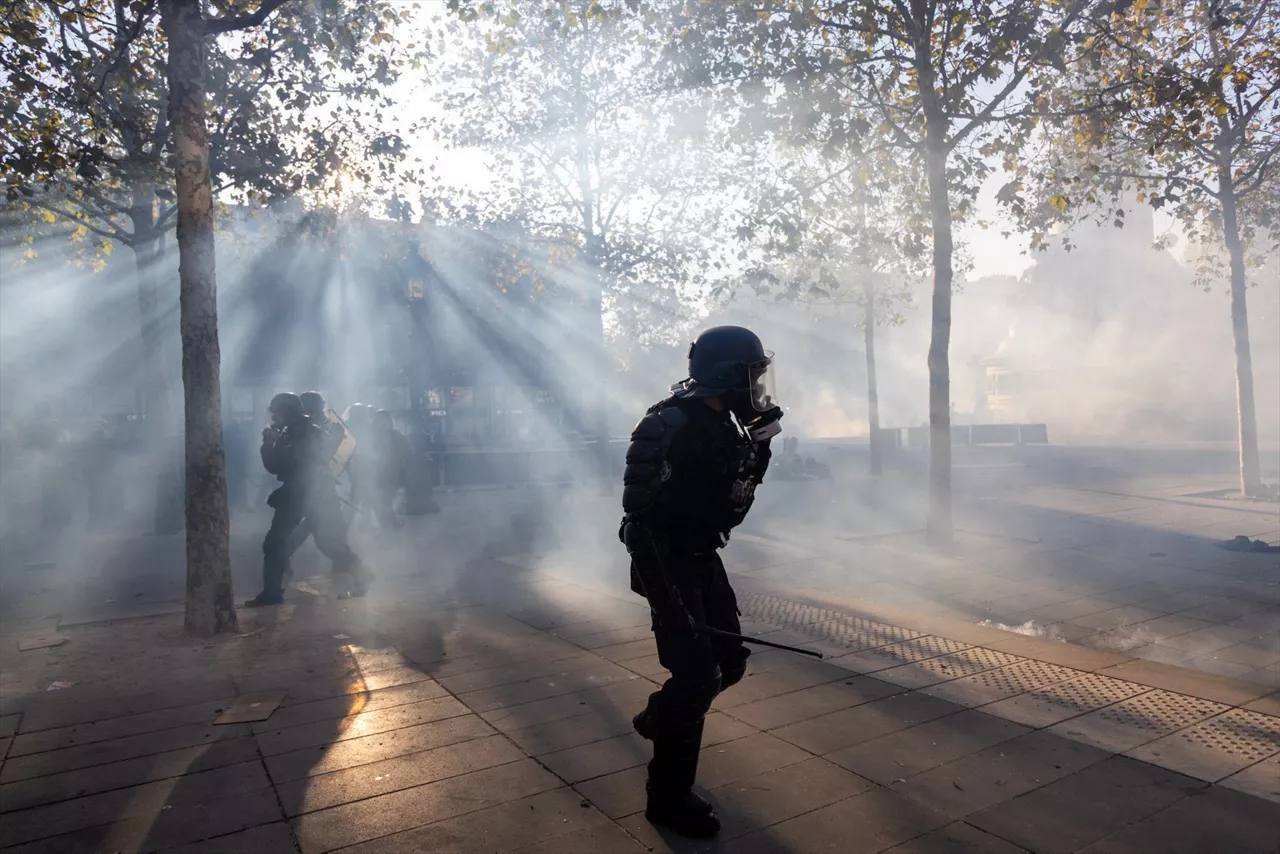
Yellow vests called for demonstrations on Saturday, and Macron accuses Trump of manipulating revolts
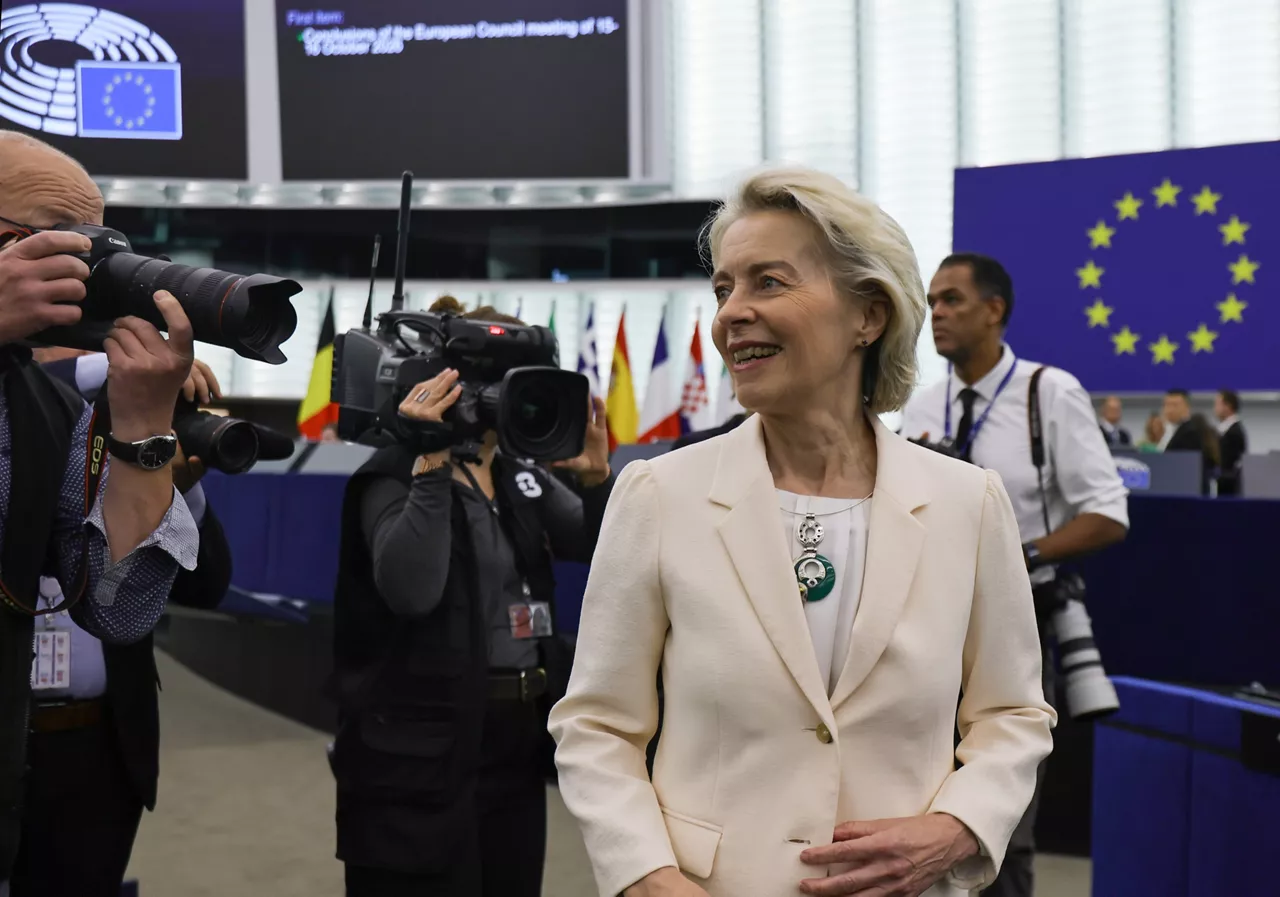
Von der Leyen blames several states and other actors for the migration crisis in Ceuta
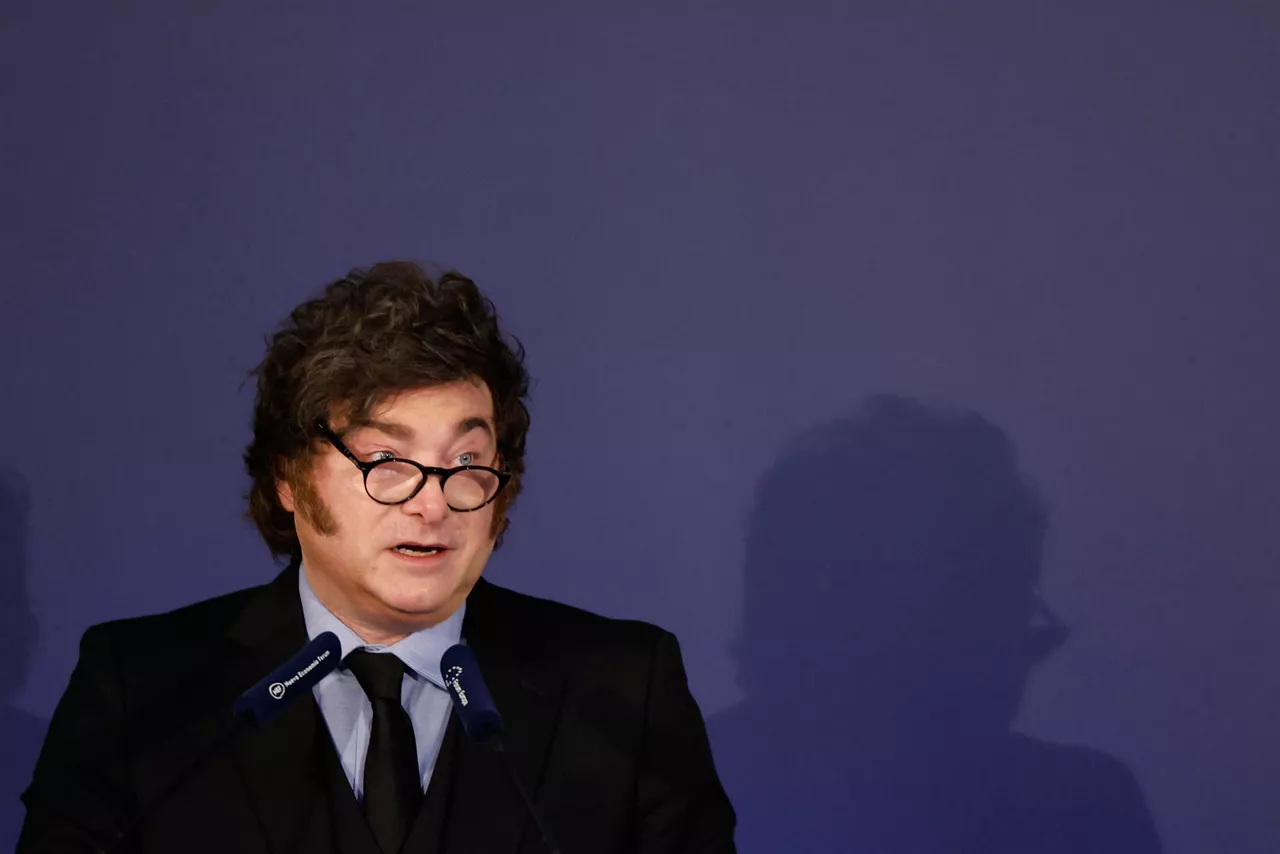
Milei calls Sanchez a "dictator" and accuses him of promoting an "invasion" in Ceuta
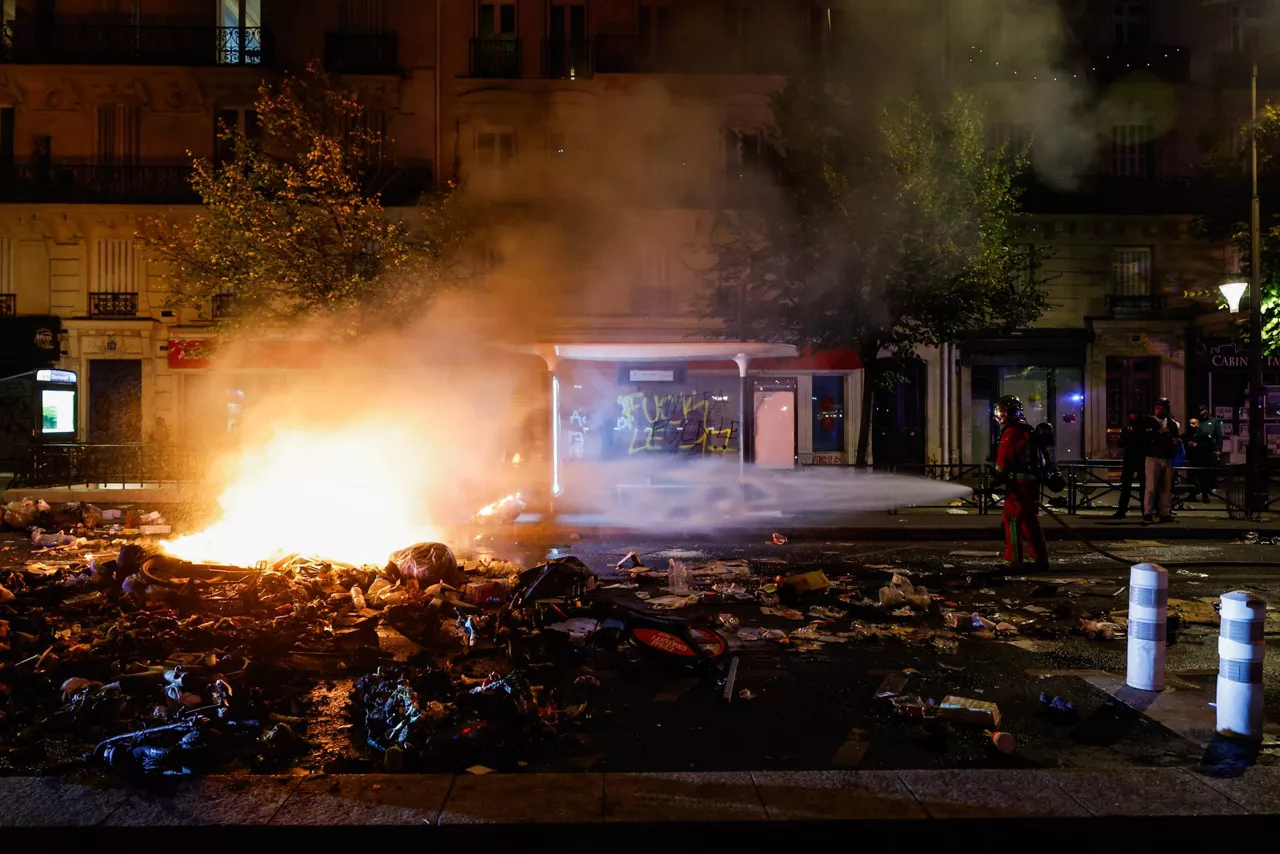
Partial curfews will be imposed in several French cities due to riots
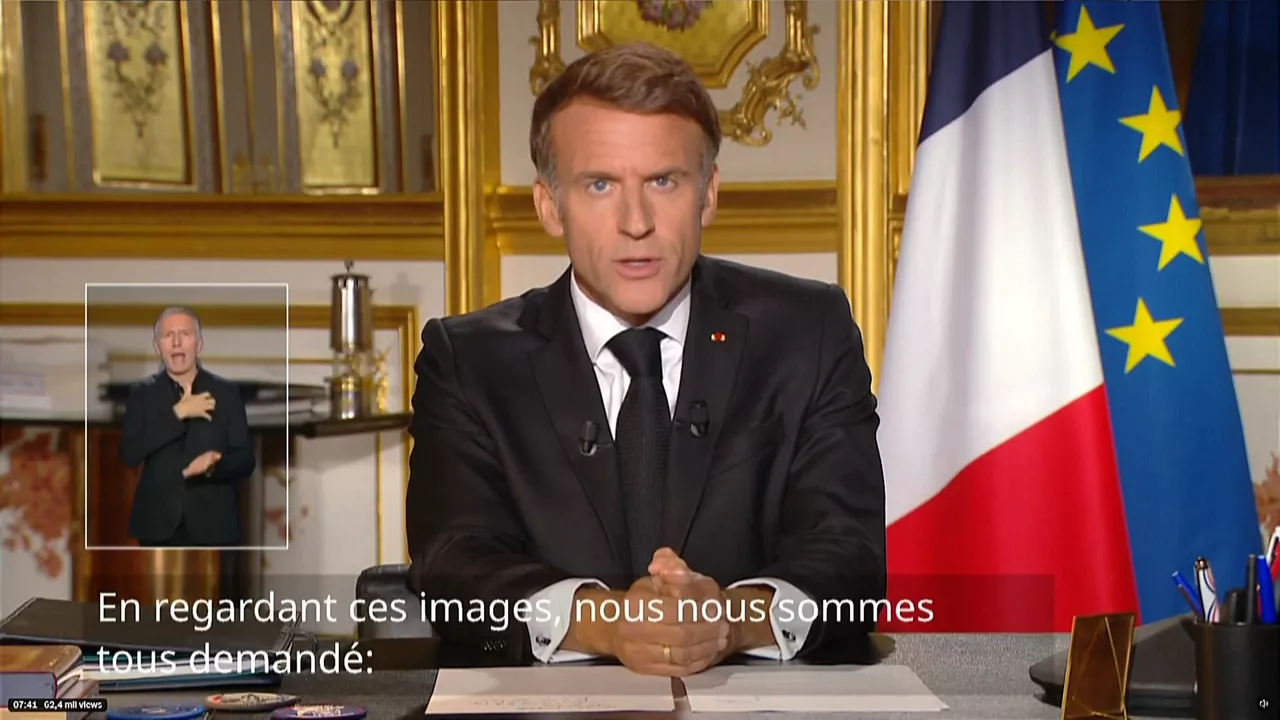
Macron holds the far left responsible for the violence and conveys his support to the police and traders
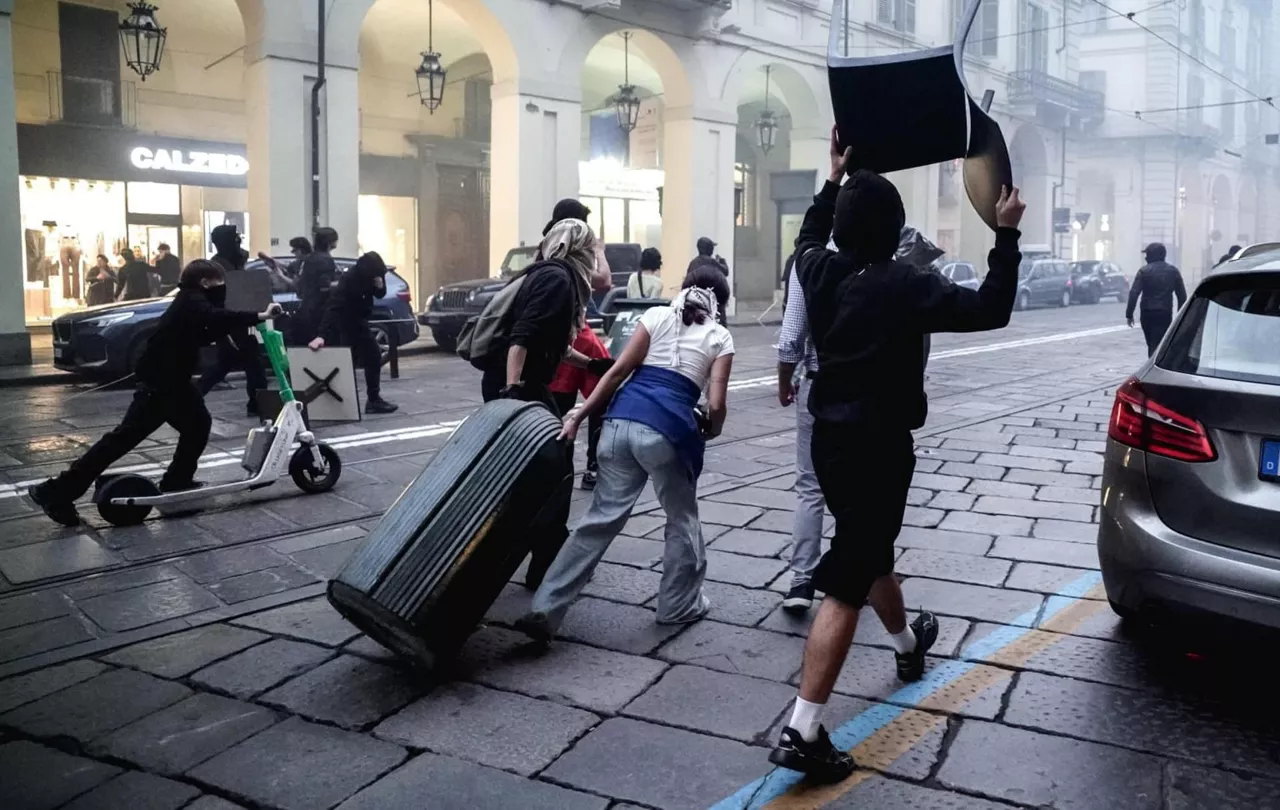
Violent protests in Italy and Albania against rising prices
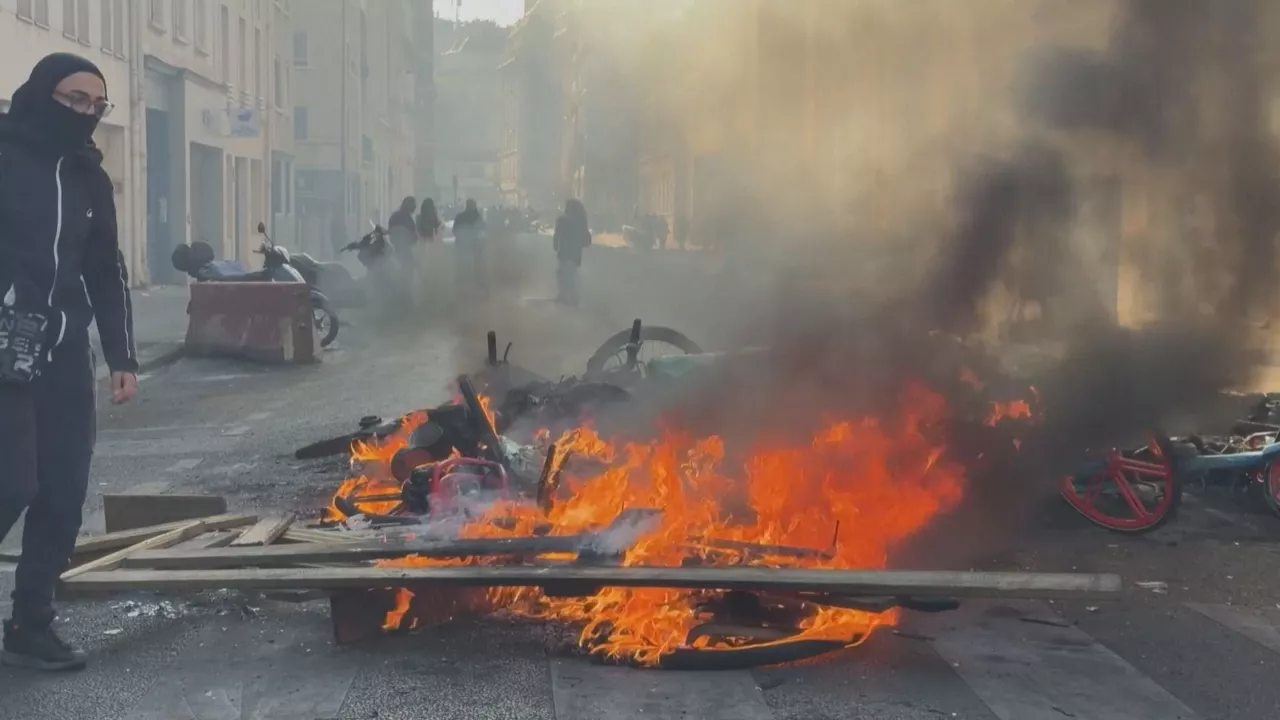
Riots erupt again in Paris the day after the protests
The Pope reappears in the Vatican to pray for the Angelus
Consequences of the protests in France: one person has died, 1,200 have been arrested and there is destruction everywhere