Zelenski says there's no security guarantee, "just friends and guns."
He has also warned of the dangers of "the most destructive arms race in human history."


Ukrainian President Volodimir Zelenski said on Wednesday that international law and multilateral institutions have become so weak in recent years that only allies and armaments can ensure the survival of countries under attack like their own.
"If a nation wants peace, it has to take up arms. It's terrible, but that's the reality. It's not international law, it's not cooperation. It's weapons that decide who's going to survive," he lamented at the United Nations General Assembly.
Zelenski added that "there is no guarantee of security" and that if a country wants to survive, it will depend on the alliances and weapons it achieves, warning of the dangers to the whole world of the current arms race and the evolution of contemporary war.
According to the Ukrainian leader, the institutions' responses are insufficient, and he has given as an example the response this month to the entry of some 20 Russian drones into Polish airspace or the recent entry of Russian fighter planes into EU airspace and another NATO member country, Estonia.
In the face of the inability of the international organizations he has denounced, the President of Ukraine has referred to the so-called Coalition of Volunteers, consisting of more than 30 countries that are prepared in various ways to ensure Ukraine's security at the end of the current war against Russia, suggesting that this could be applied elsewhere in the world as a multilateral "security model".
Zelenski has also warned of the dangers of "the most destructive arms race in human history," caused by ongoing conflicts around the world, and has now called for stopping it and preventing the possible use of drones loaded with nuclear weapons.
"(Vladimir) stopping Putin is now cheaper than trying to protect every port and every ship from terrorists," the president said.
At the same time, the Ukrainian President has pointed out that his country has managed to develop weapons to deal with certain threats and recalled that Ukraine plans to export the surplus weapons it produces so that other countries can strengthen their security.
"Every year this war continues, weapons are becoming more deadly, and only Russia is to blame for it," Zelenski has condemned.
You might like
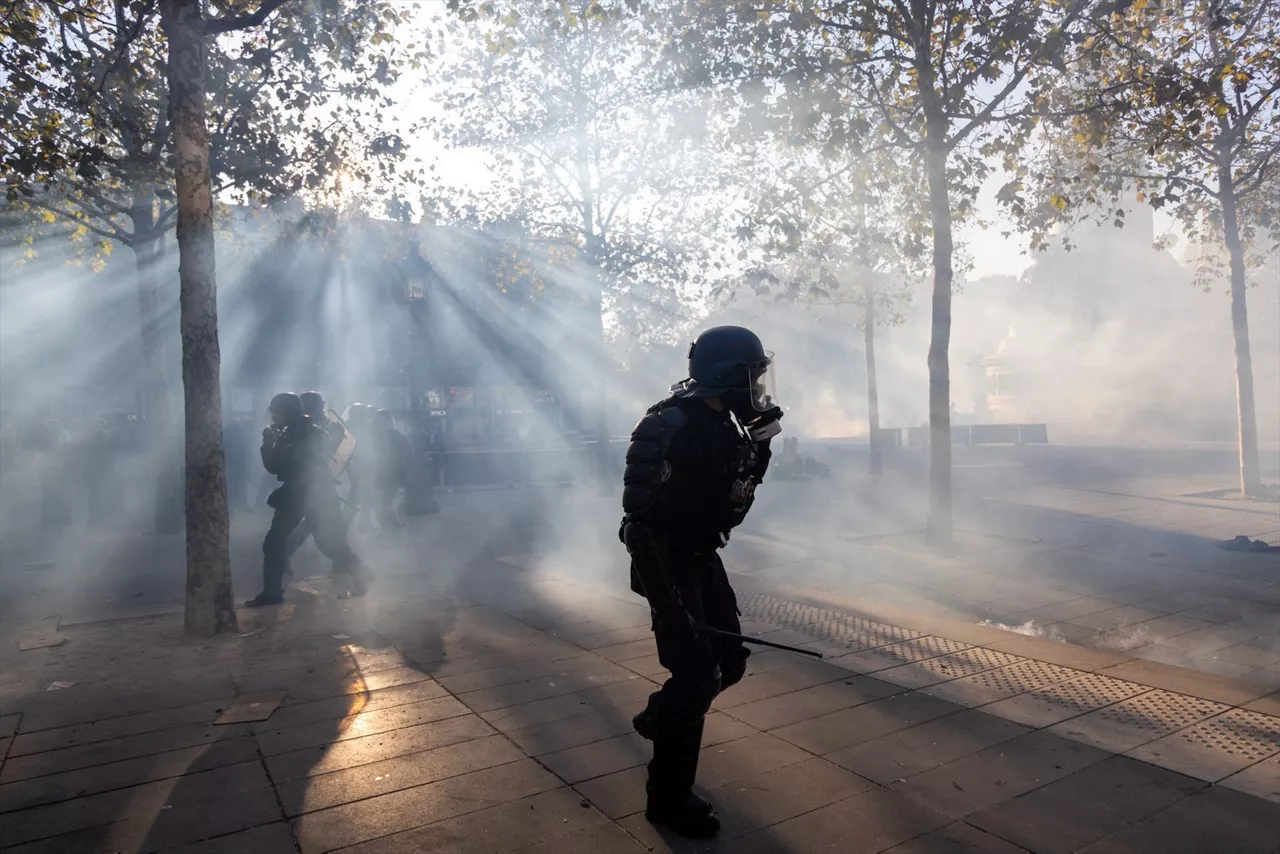
Yellow vests called for demonstrations on Saturday, and Macron accuses Trump of manipulating revolts
Von der Leyen blames several states and other actors for the migration crisis in Ceuta
Milei calls Sanchez a "dictator" and accuses him of promoting an "invasion" in Ceuta
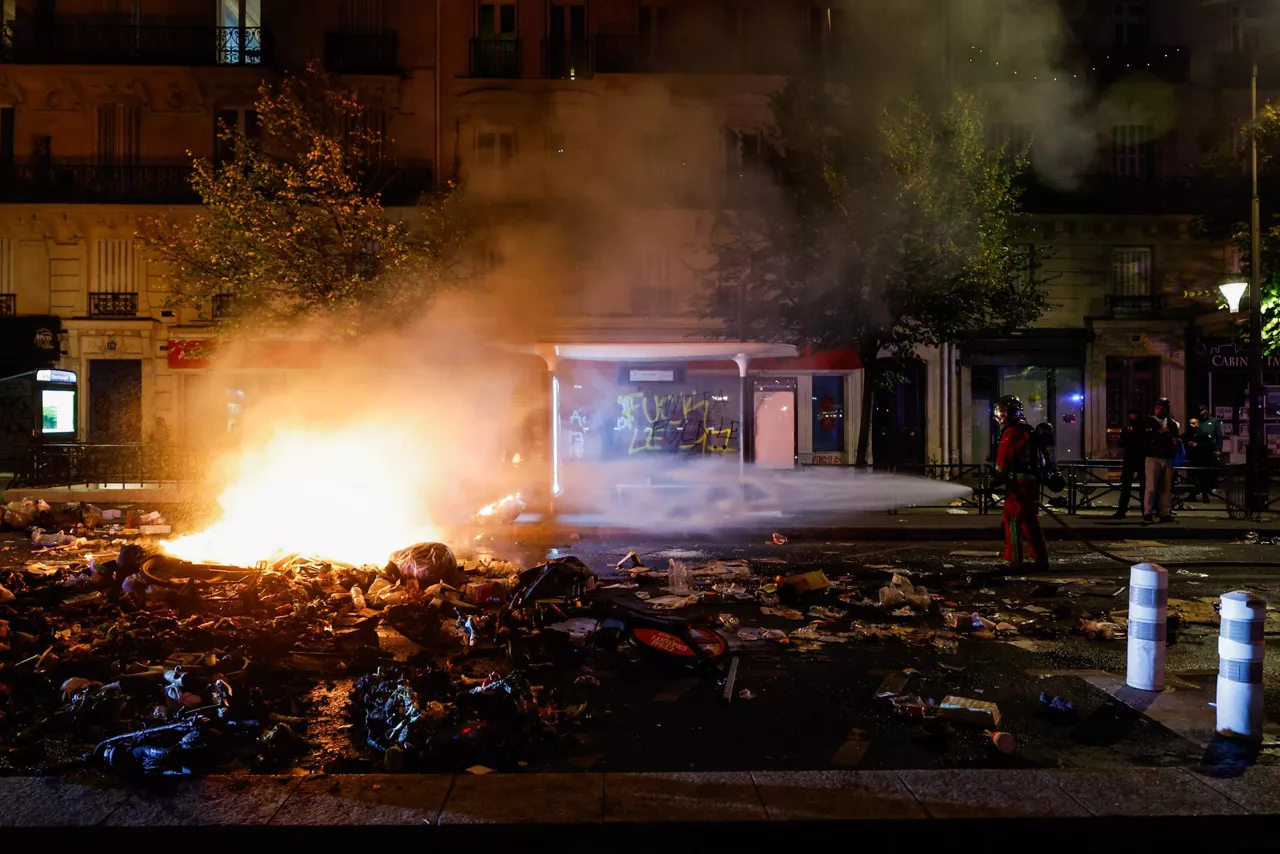
Partial curfews will be imposed in several French cities due to riots
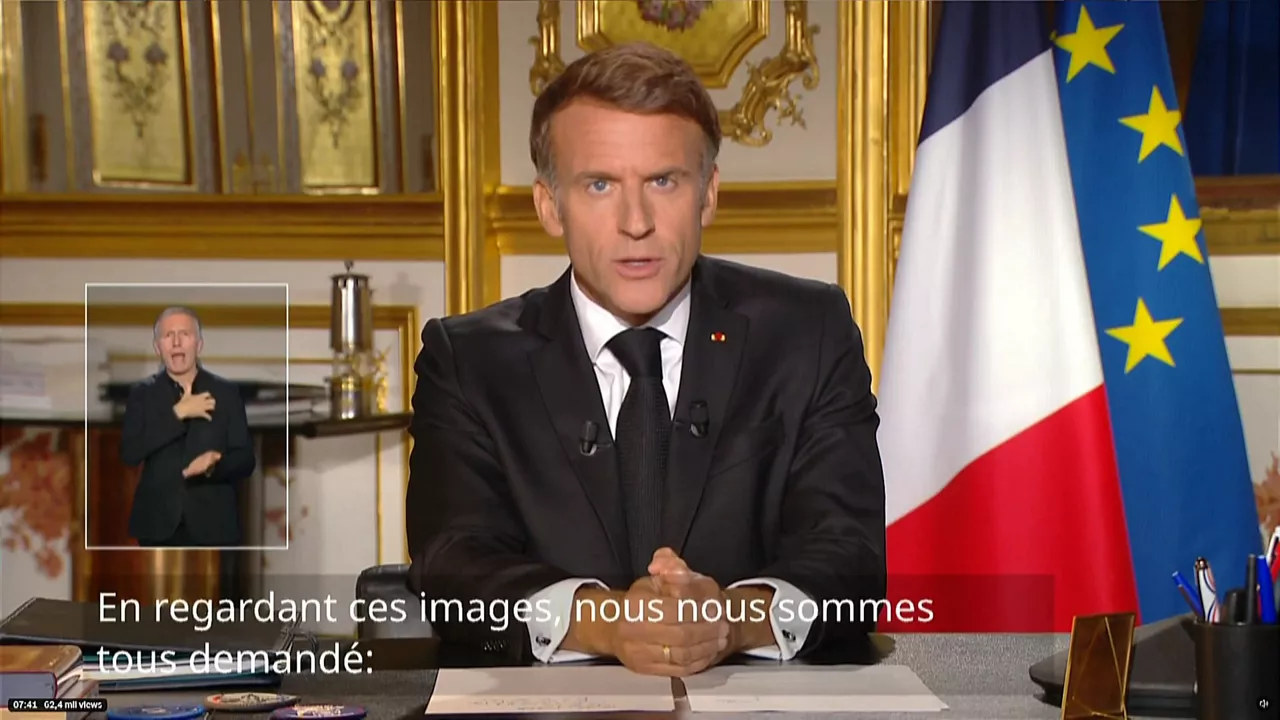
Macron holds the far left responsible for the violence and conveys his support to the police and traders
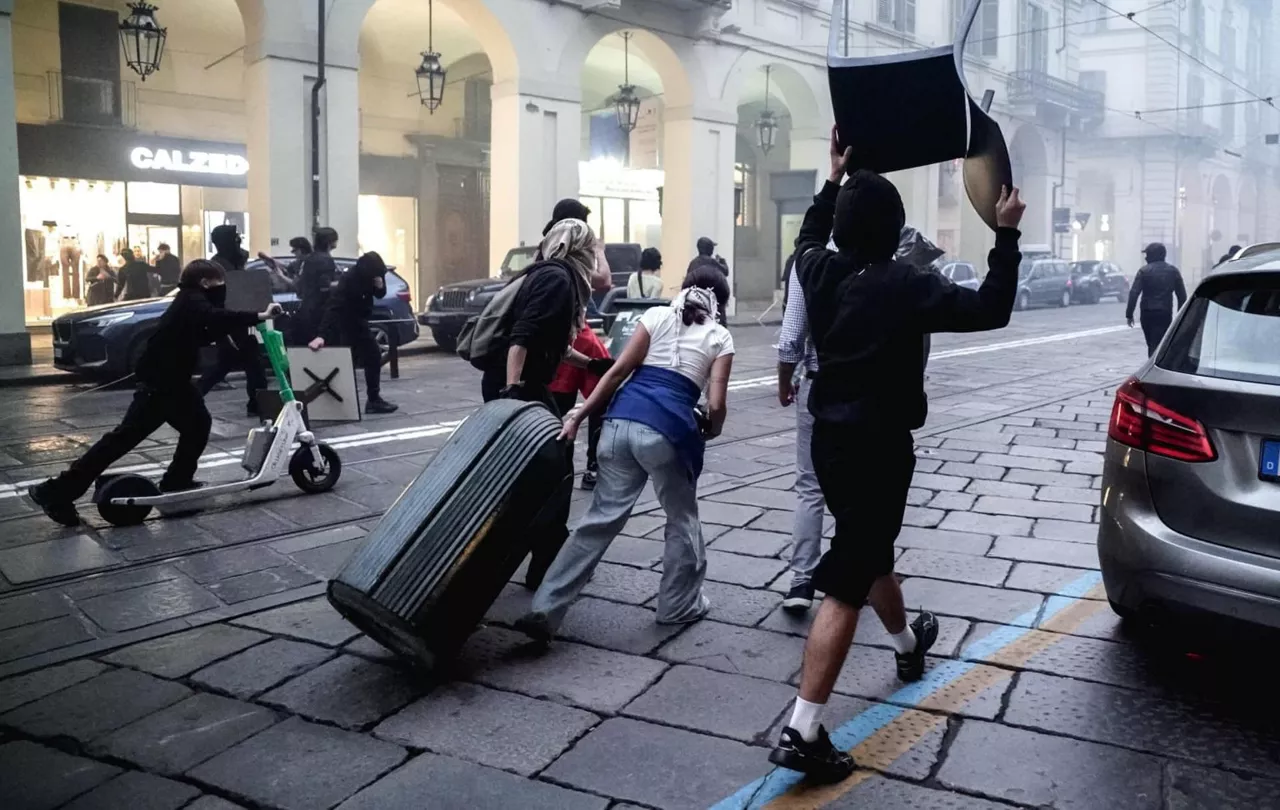
Violent protests in Italy and Albania against rising prices
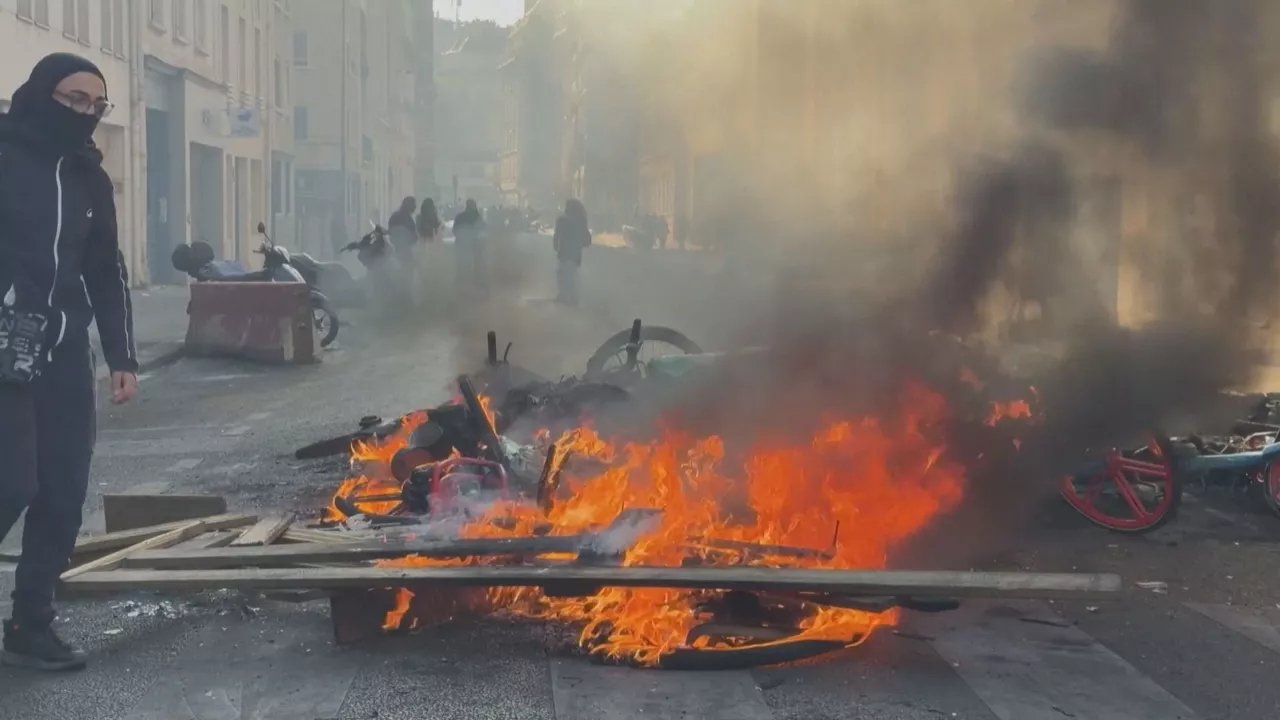
Riots erupt again in Paris the day after the protests
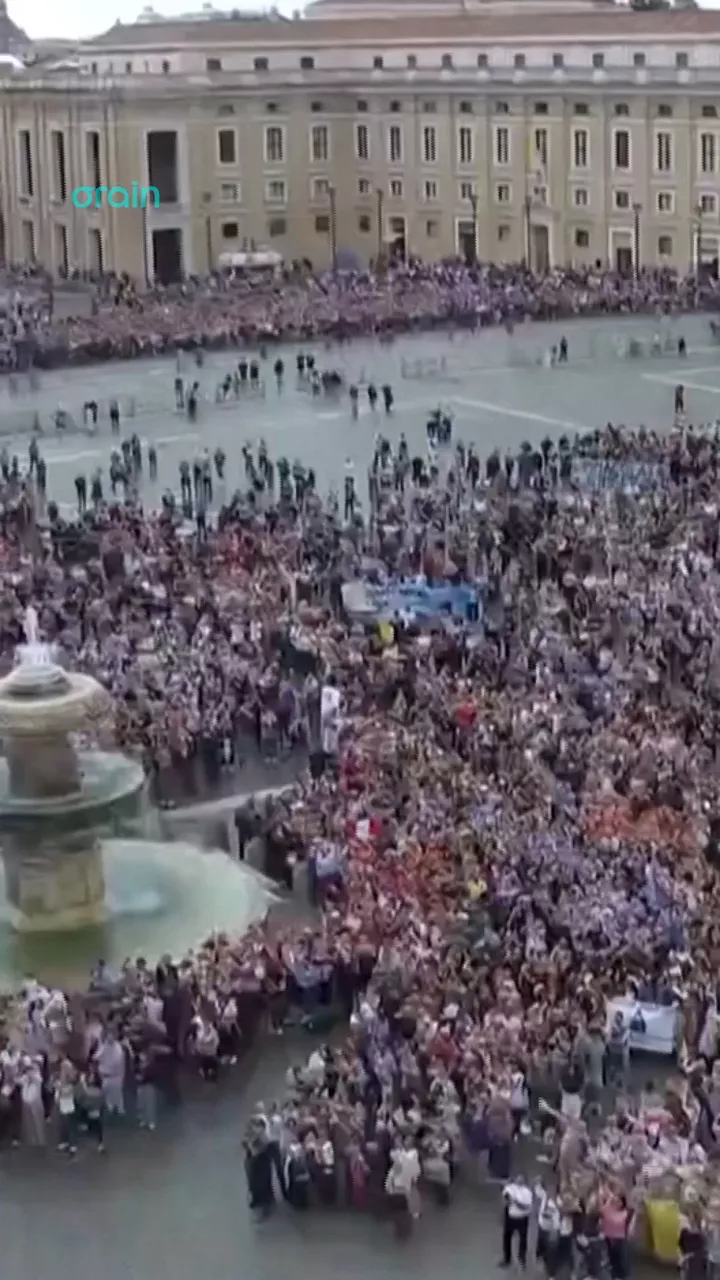
The Pope reappears in the Vatican to pray for the Angelus
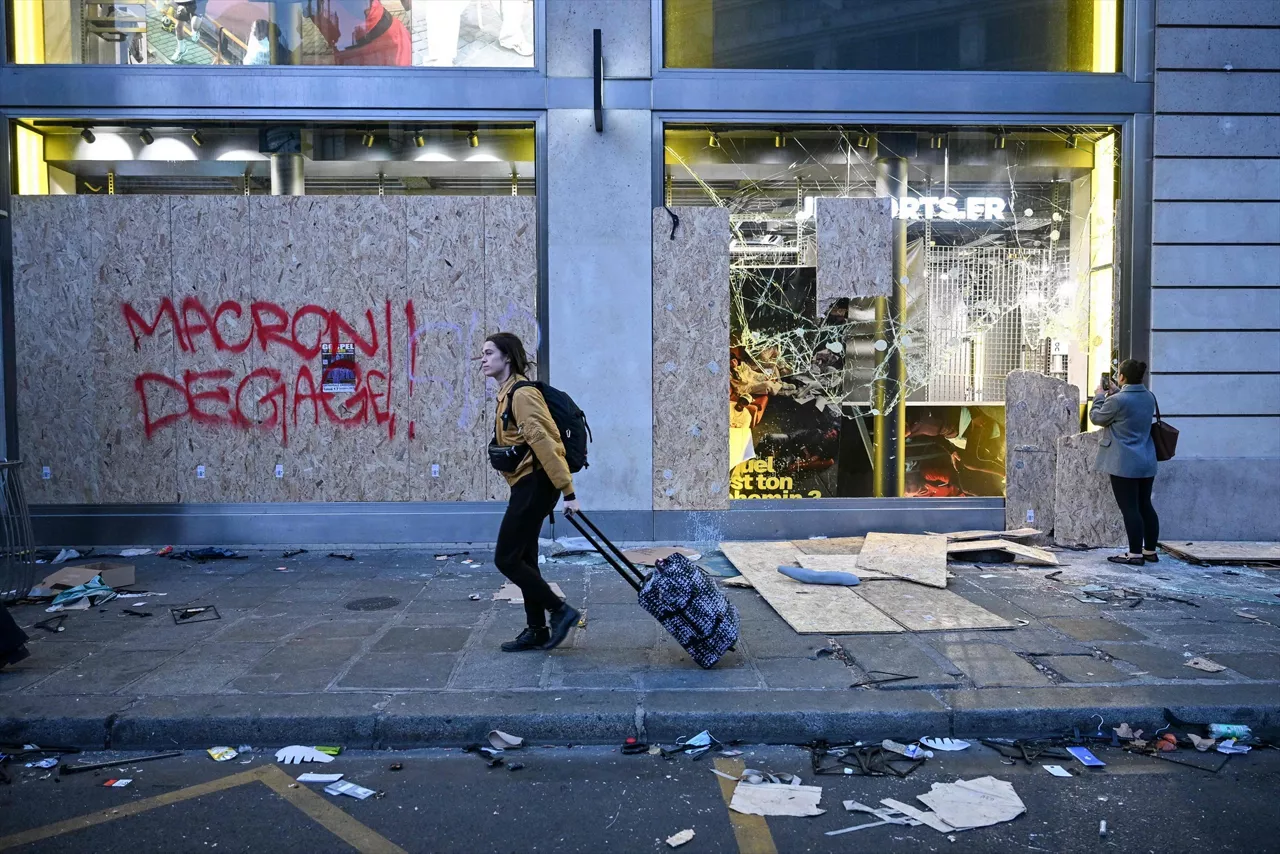
Consequences of the protests in France: one person has died, 1,200 have been arrested and there is destruction everywhere