
BRICS countries have decided to moderate the Middle East and reject unilateral sanctions
Meeting in India, these countries have agreed on a comprehensive 140-point statement, including a commitment to work together to "protect the flow of trade and energy."


BRICS leaders have unanimously adopted the New Delhi Declaration on Saturday calling for restraint in the faceof escalating conflict in the Middle East and for joint work to "protect trade and energy flow" and reject unilateral sanctions against international law.
The BRICS countries (Brazil, Russia, India, China, South Africa, Egypt, Ethiopia, Iran, Saudi Arabia, the United Arab Emirates and Indonesia) are holding a summit on global governance and multilateralism in India this weekend.
After many disagreements, they have finally agreed on a text -the New Delhi Declaration of 2026-in the context of the escalation of tension in the Near West, which reflects the "deep concern" of these countries, calling for "restraint and avoidance of actions that could further aggravate the situation."
They also consider it necessary to protect civilians and civilian infrastructure and to respect the sovereignty and territorial integrity of States.
In a long 140-point statement, the bloc stresses the need to work together to "maintain a constant flow of global trade, supply chains and energy." It does not directly mention the Strait of Hormuz, a key global supply route affected by the current regional escalation.
It also calls for the elimination of measures deemed "illegal" by the bloc. "We condemn the imposition of unilateral coercive measures that are contrary to international law and reaffirm that such measures, including under unilateral and secondary economic sanctions, have profound negative effects on human rights."
You might like
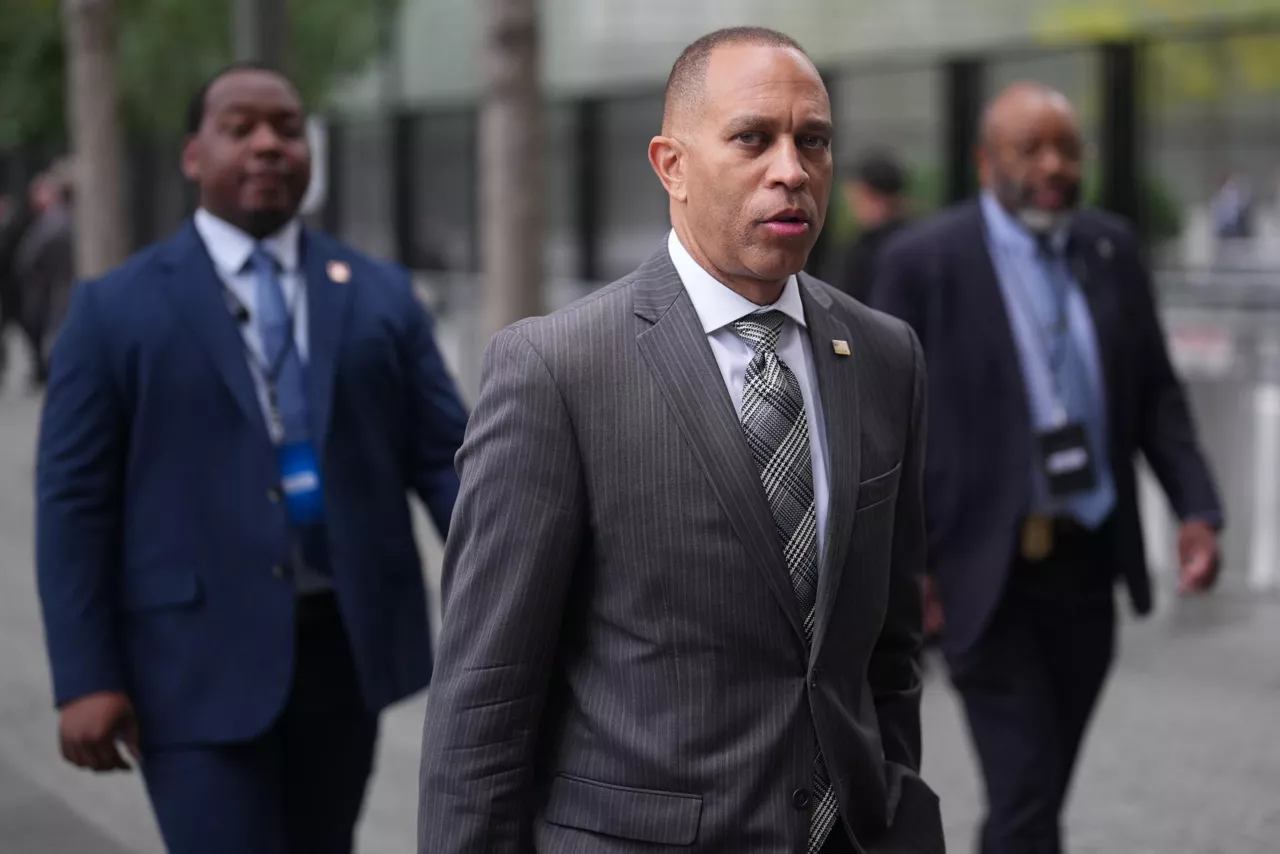
U.S. Congressional Democrats Want to Slow AI Development After Sector Leaders "Alarm, Trump Says" It Won't Happen "
Democrats in the lower house will meet on Tuesday, where "an important priority will be action on artificial intelligence," they have advanced.
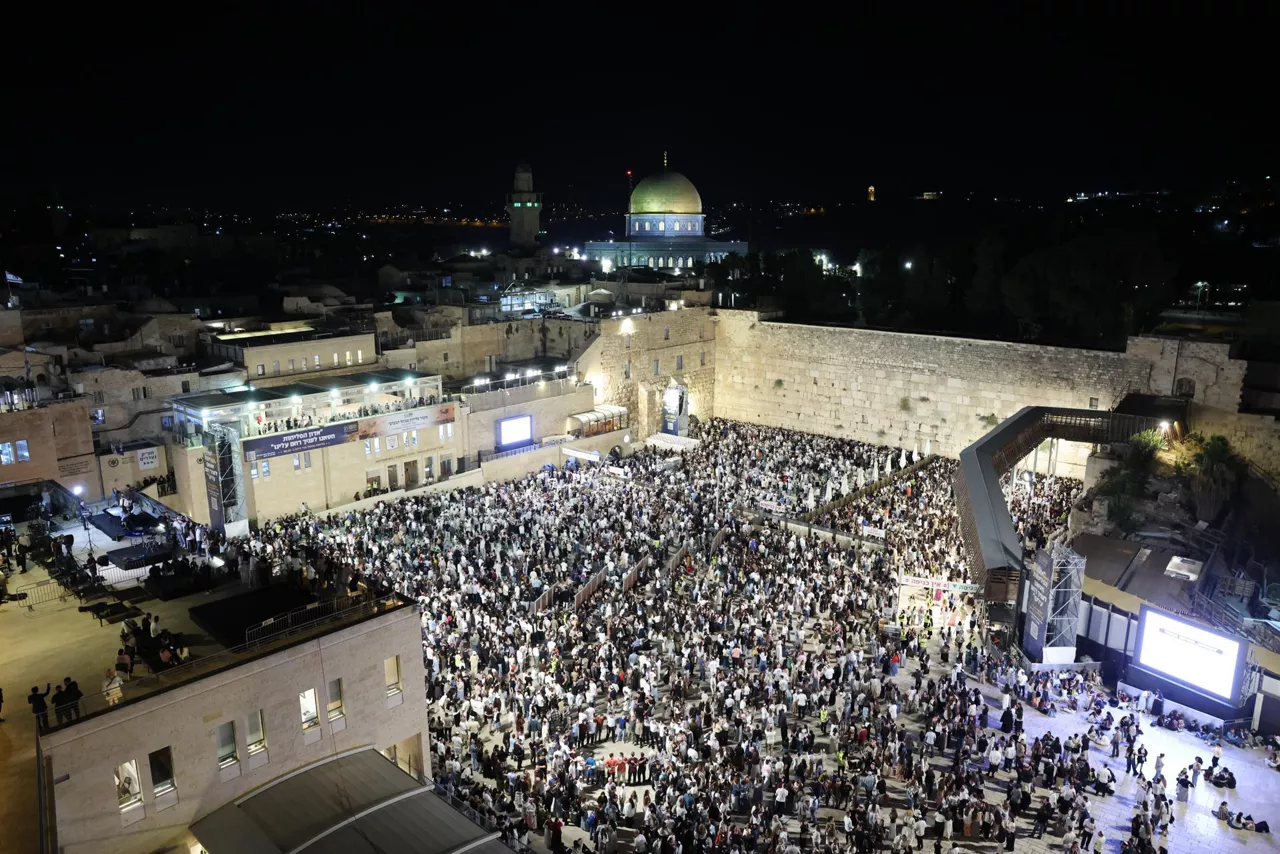
Nearly 500 Israeli settlers have entered the Al Aqsa mosque during the Jewish New Year celebrations
According to the status quo, which has been in force since 1967 (when Israel occupied eastern Jerusalem), this camp is only for Muslim worship, and Jews can only enter as visitors.

The Swedes will decide today between the centre-left opposition or the current right-wing government
The centre-left is a favorite in the polls with a slight difference, and if the right wins in the end, the far-right can enter the government.
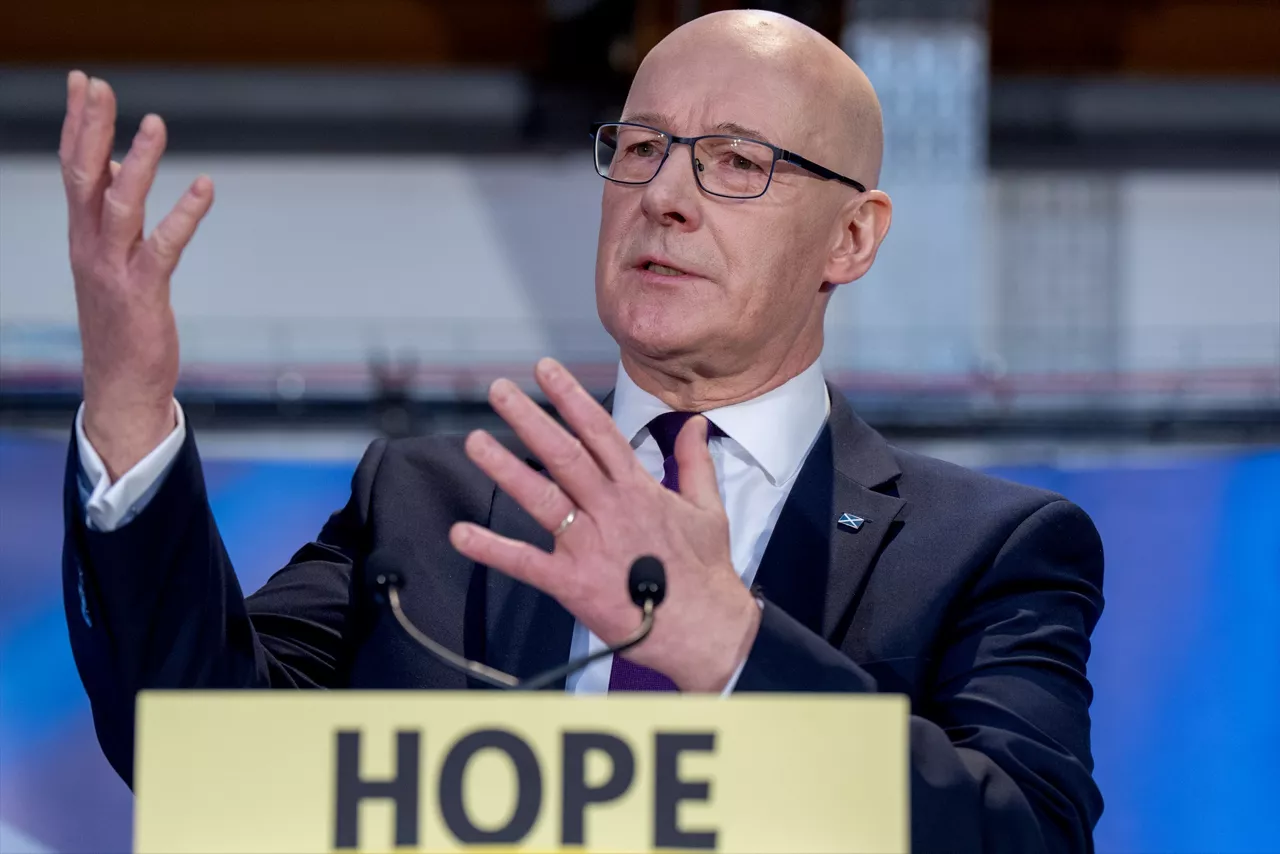
Leaders from Scotland, Wales and Northern Ireland will sign a memorandum for independence
The announcement comes a day after Trump said Ireland's reunification is imminent; his statements have been widely criticized in the UK.
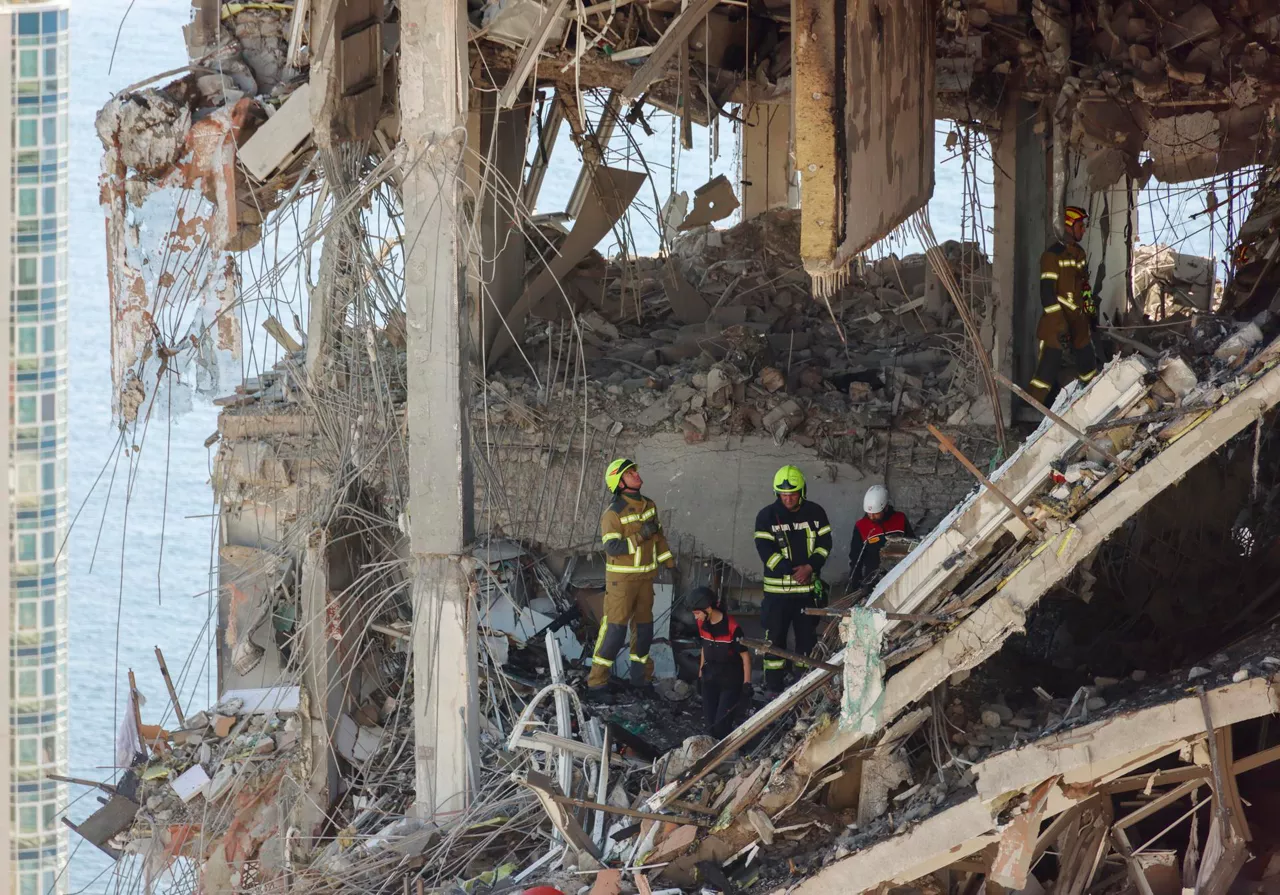
Russia attacks Ukraine with drones one more night
Kiev has claimed that it has been able to defuse most of the drones, which Moscow has claimed responsibility for, and has clarified that it has targeted Ukraine's "logistics centers" and "energy facilities." At least five people have been injured.
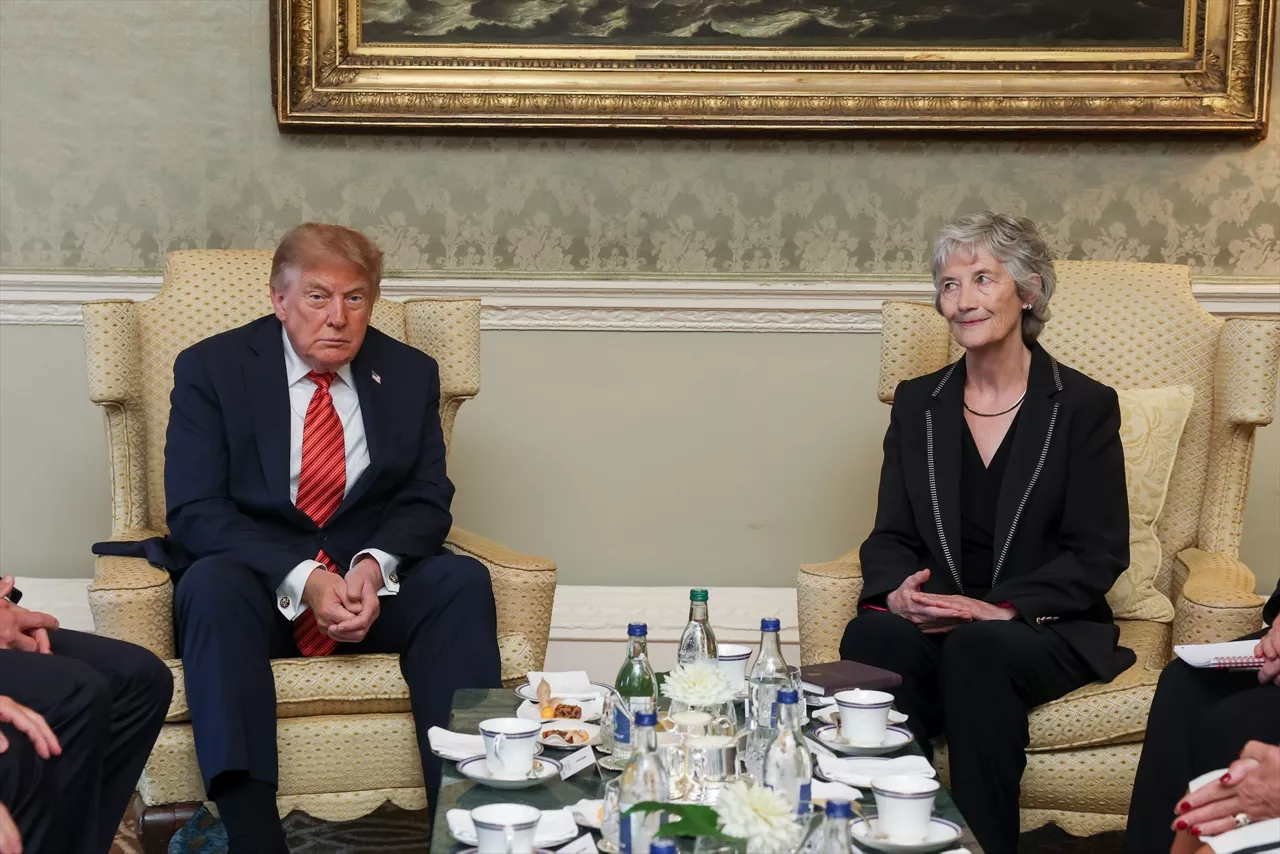
Trump said he would "love" to unite Ireland: "Sooner or later it will happen."
The President of the United States, who is in Ireland these days, has made these controversial statements, and the reactions have come in full swing.

Saudi Arabia closes its East-West pipeline after several attacks
This infrastructure is the main supply route for global markets in the current context of tension in the Strait of Hormuz, which can transport up to seven million barrels of crude oil a day.

Ramón Aizarna lived 300 meters away from the 9/11 attacks: "The impact of everything seen will be for life"
The Guipuzcoan Ramón Aizarna, a Basque based in the United States, followed the attacks on the Twin Towers of 11 I-11 from a loft overlooking the World Trade Center. He told live for ETB what was happening at the time. Twenty-five years later, we spoke to him again, from his testimony, to remember that tragic day that changed history.

Emma Bonino, former European Commissioner for Consumption, Fisheries and Humanitarian Aid, dies at the age of 78
He was an influential Italian politician who fought for civil rights throughout his career, such as the legalization of abortion in Italy, and he was a great pro-European.