
Iñárritu, bordering here and there
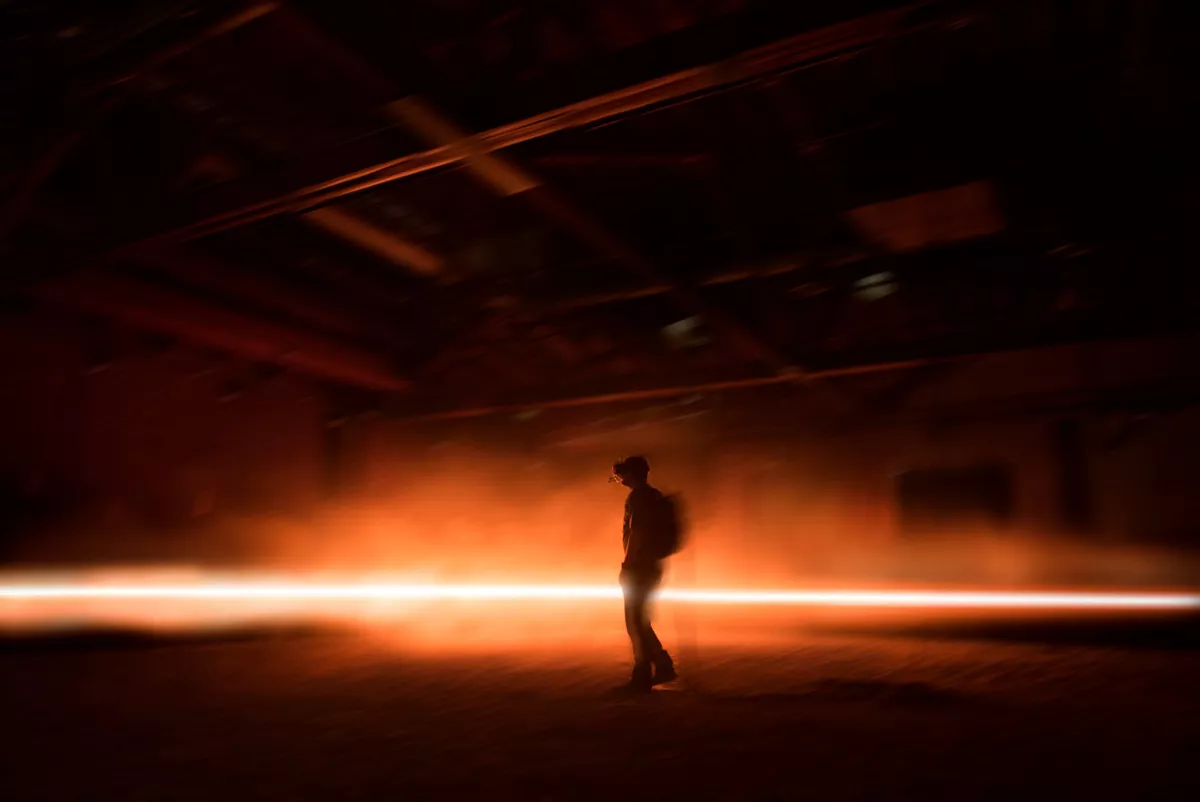
"Carne y arena" In the immersion facility that is visited at EITB's bilbaine headquarters until June 20, the Mexican filmmaker Alejandro González Iñárritu pushes the visitor to get into other people's shoes, accompany the indomitable for a moment on the way and wander around the border, from reality to fiction, from meat to pixel, from sand to hole and from humanity to cruelty.

Photo: Enmanuel Lubezki.

The visitor is greeted with a cold pat on the 5th set of the EITB headquarters in Bilbao by the virtual reality "Carne y arena" created by Mexican film director Alejandro G. Iñárritu. Cold and surrounded by dozens of worn and discarded shoes scattered on the ground during the recapture of a detention center for the US border patrol.
Silent but truly significant textile witnesses are those footwear ragged by the sand and the force of the sun, isolated testimonies of the perverse march of Mexicans and Central Americans in need of departure and in danger of never arriving.

Credit: legendary. Photo: Chachi Ramirez
To be another, to "get into the shoes" of others or strangers, is the essence of any transformative creative work, whether it be the soul, the work of journalism, literature, music, or the play, or the "experience." Hence, from the knowledge of others, one can spread one's own world.
From this longing, in the installation "Carne y arena", thedirector of the indispensable films Amores Perros, Babel and Birdman invites the visitor to take off his shoes and enter a second room, the object of the sensor and, at the same time, the subject. In this second space, blossoming on the sandy floor, he will share the journey, the horror and the helplessness, for six minutes, the Uruguayan writer Eduardo Galeano called them "insignificant" and, if I may call them now destroyed , the white mask of the silent subject.
In the multinational space of the installation, the frame inherent in the cinema disappears, the stimuli multiply and the feeling is extolled, the emotional shock of the "experience" is sublimated (we live in the age of subjectivity, and it would seem that the only way to understand it is to be the protagonist). However, the aim of the work, I believe, is to follow this emotional shock by reflection, and thus to translate into reality, its virtual representation and its return to reality, in that return, after entering the skin of the other, into a broader view of the visitor's world.
To this end, the final step of the installation is helpful: we have helped through the desert crossing, we have been intimately acquainted with the narrative experience, we will be shown on some screens the testimonies of people, to know better the protagonists of the real journey to life or death that was later reinterpreted in front of the cameras of Iñárritu.
So, if we didn't know or didn't want to know, we'll know, for example, that Lina left five children in Guatemala when her youngest daughter was three years old, and when she came to the United States, she took them to her side one by one for twenty years, collecting money regularly, until the youngest one reunited her family when she was 23.
The work "Carne y arena (virtually present, physically invisible)" is a work of special effect and special emotion, in which those condemned to be ghosts are clothed with flesh and dignity. It is the art of the future for a world that should sooner rather be past.

"Carne and arena (virtually present, physically invisible)" can be visited on set 5 of the EITB headquarters until June 20. Tickets.
You might like

Orlando Bloom, Marion Cotillard and Jeremy Irons attend the Film Festival
In addition to Wener Herzog and Naomi Watts, creditors of the Donostia Prize, Brad Pitt, Noemie Merlant, Martin McDonagh, Cristian Mungiu, Pawel Pawlikowski and Ira Sachs, the head of the official jury, among others, will arrive in San Sebastian.
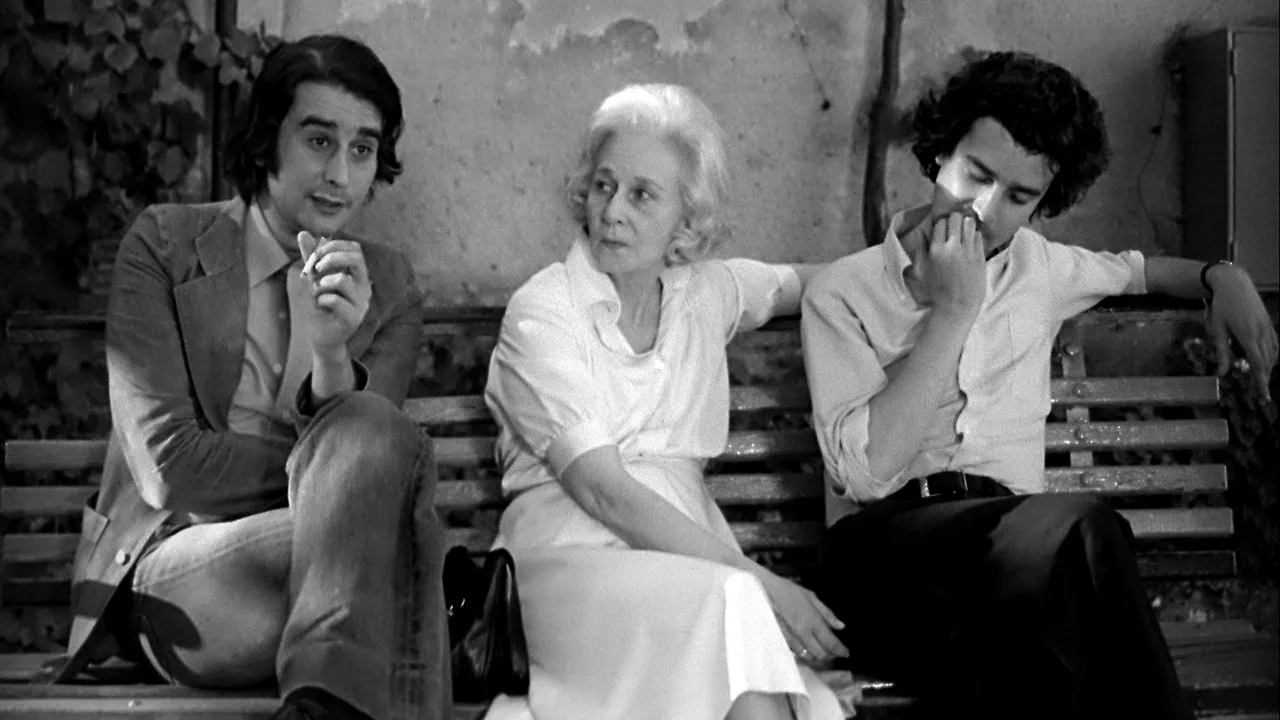
Classics The festival section will redeem El Desencanto and Ander and Yul
The festival will feature feature films by Milos Forman, Pere Portabella, Jacques Tati, Fernando Trueba, Agnes Varda and José Giovanni, and the festival will award the best music for the first time.
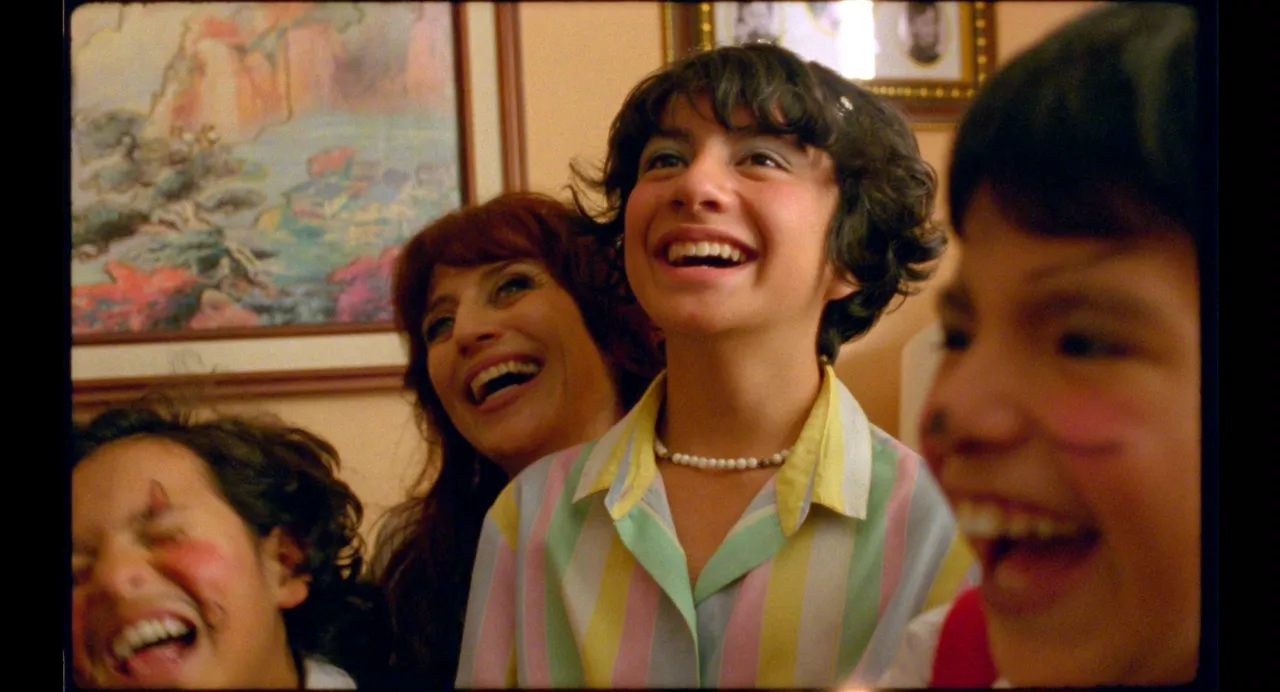
"Six Months in the Pink Blue Building" wins the Sebastiane Latino Award
The lesbian, gay, bisexual trans and intersex association of the Basque Country has awarded the award to the feature film of the Mexican screenwriter and director Brumo Santamaría Razo.

Naomi Watts receives the Donostia Film Festival Award
Watts joins German director, screenwriter, producer and actor Werner Herzog on the 74th edition Donostia Awards winning list.
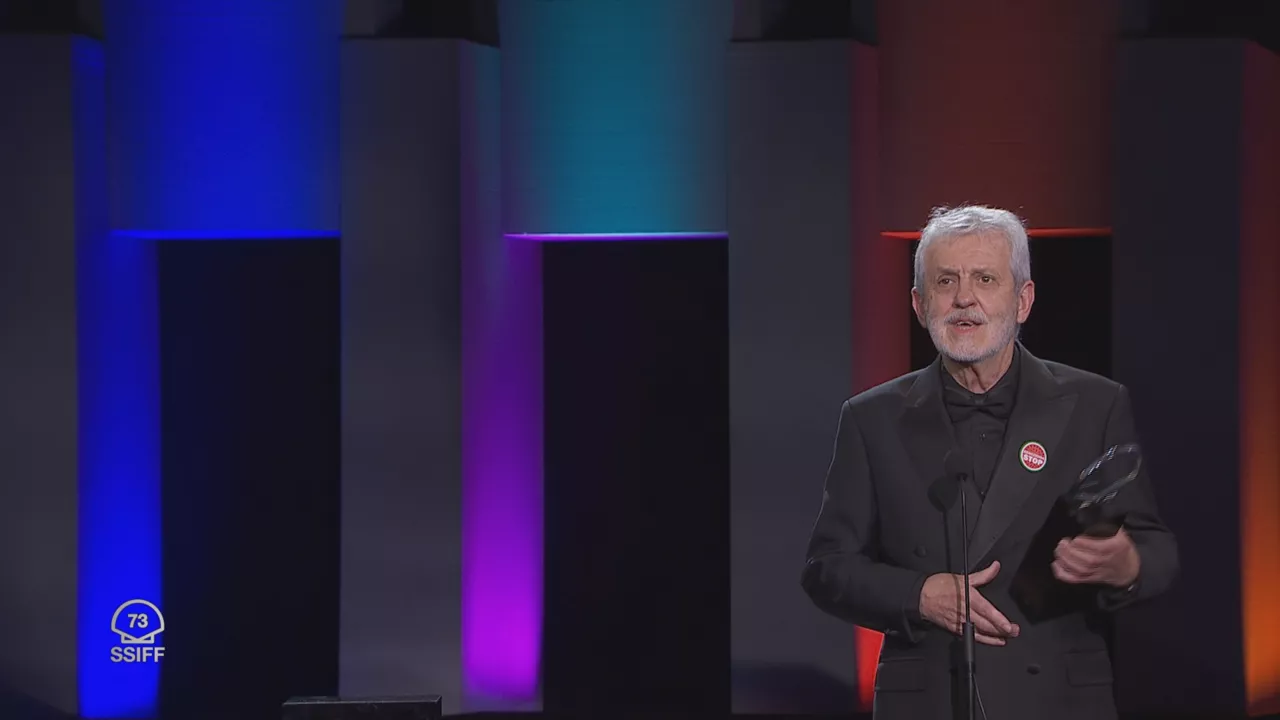
Actor Jose Ramon Soroiz will receive this year's Zinemira Award
The Festival and EPE-IBAIA will pay tribute to actor José Ramón Soroiz at the Grand Basque Film Gala to be held at the Victoria Eugenia Theatre on 22 September.
Outstanding Basque film films at the Film Festival
A total of 31 Basque productions will participate in the various sections of the 74 edition of the Festival, 19 of which will compete for the Irizar Prize for Basque Cinema.
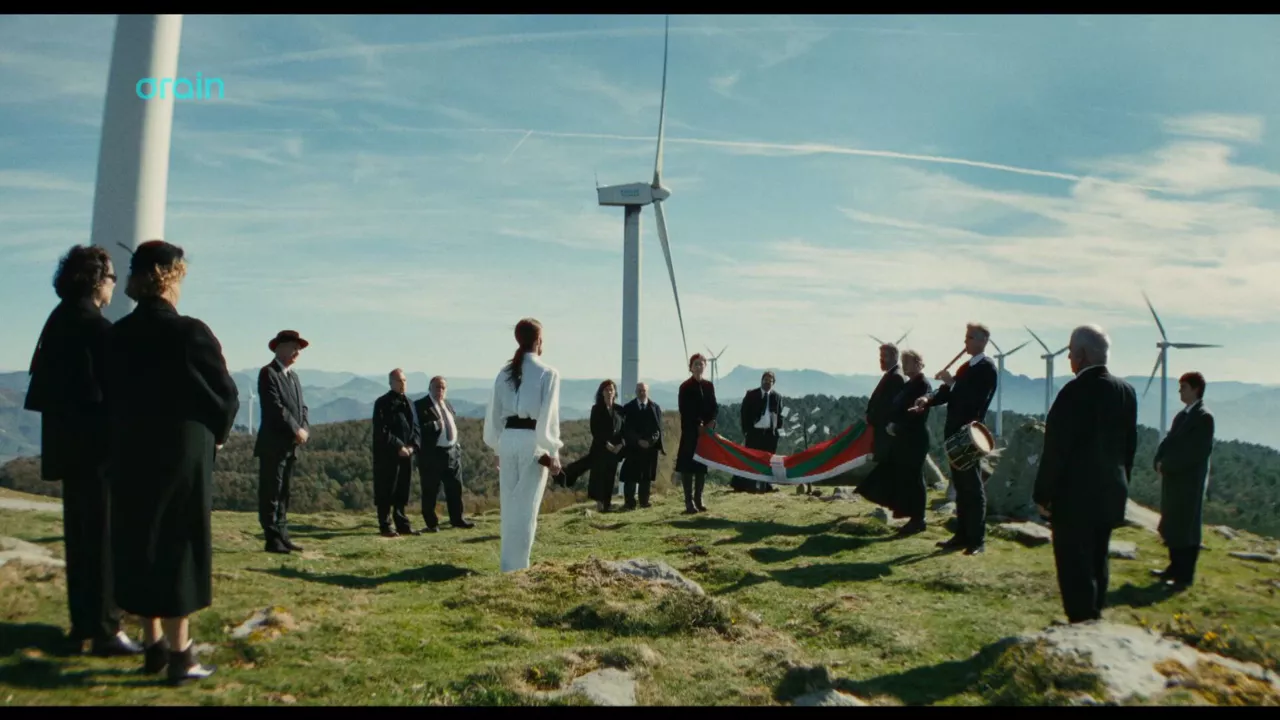
First images of 'The Last Farewell': We released the trailer for Koldo Almandoz's new film
The existentialist drama filmed in Basque focuses on life and death, combining irony, tenderness and humor. The protagonists are Iñigo Azpitarte and Izaro Nieto, owner of a civil funeral company and a young man who practices in it. 'The last farewell' will be presented in the Official Section of the Festival, within the Special Screenings, and is the third feature film by Koldo Almandoz, after Sipo Phantasma and Oreina.
The Basque Terror, beyond the Film Festival
This text has been automatically translated, it may contain errors or inaccuracies.
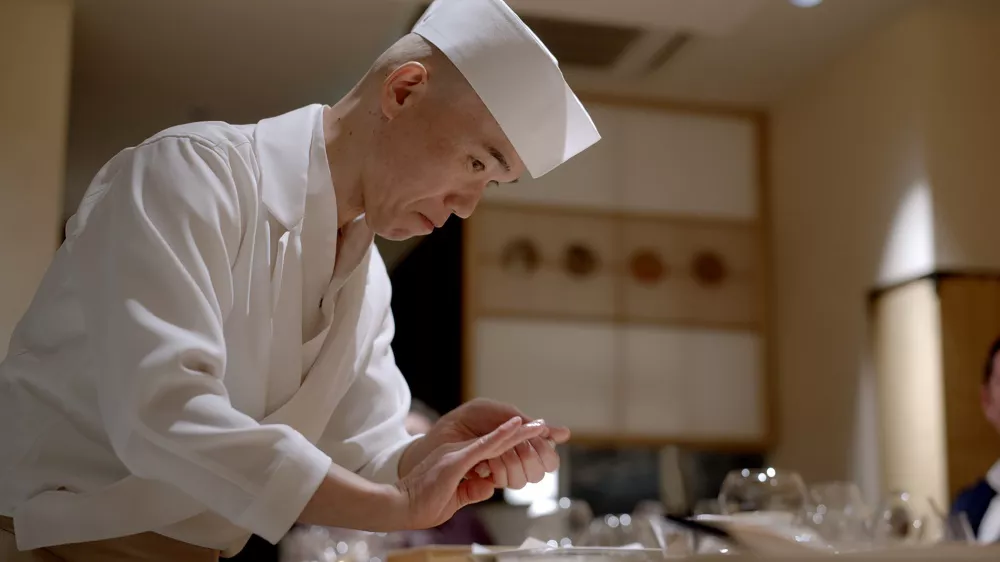
Culinary Cinema will feature four world premieres and travel to kitchens in Andalusia, Mallorca and Japan
Tickets for movies and dinners will be on sale this Friday, August 28, at 10 a.m., through the usual channels.
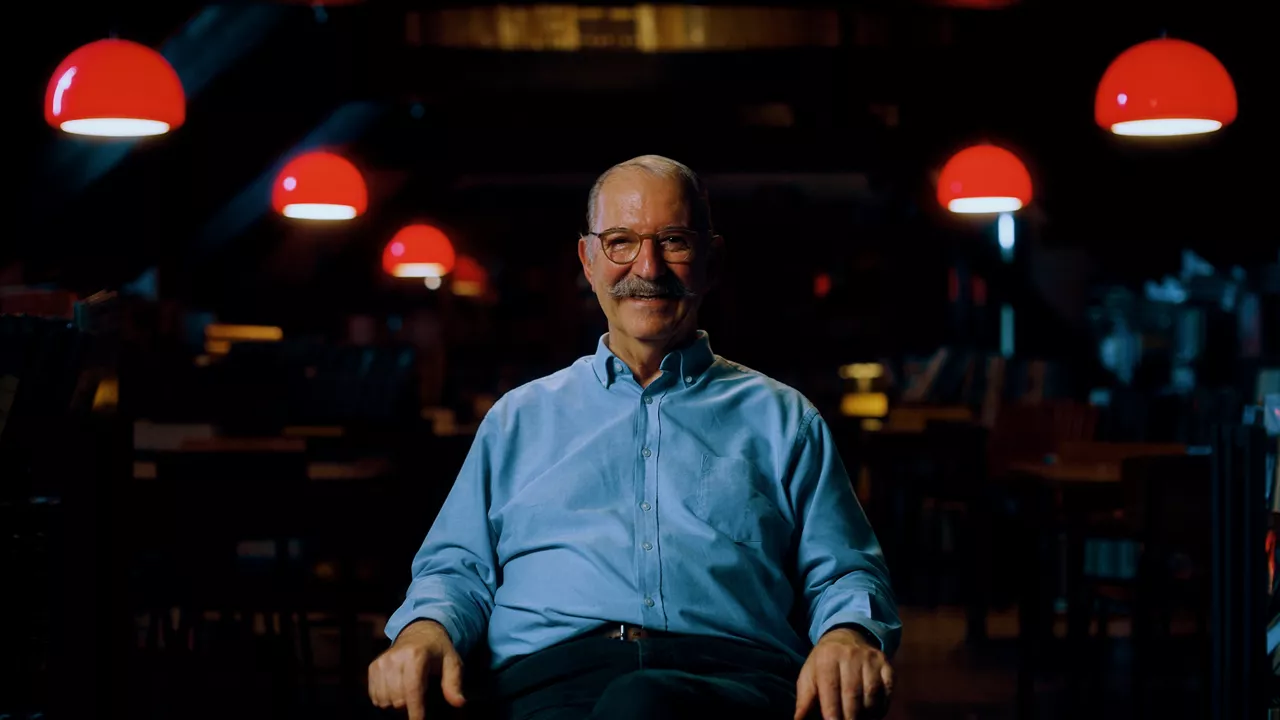
The Festival premieres "Subijana, beyond a mustache", a work that brings us closer to the life and fires of the culinary master
The new non-fiction work by Jorge Fernández Mayoral and Jesús Javier Ruiz Aquerreta will be presented at the San Sebastián Film Festival, within the Culinary Zinema section. Under the title Subijana, beyond a mustache, the film offers an intimate and personal account of the Guipuzcoano cook Pedro Subijana, a key figure in the great transformation and modernization of our gastronomy and a portrait of one of the main drivers of the New Basque Cuisine.