
Leire Bilbao wins the National Prize for Children's and Youth Literature for 'Klera'
The jury has chosen the work of the Biscayan because of its poetic beauty and because the author has been able to convey to children raw subjects such as war and death, based on various artistic disciplines.

Photo: ELKAR PUBLISHING HOUSE

Vizcaíno Leire Bilbao Barruetabeña has received the 2025 National Prize for Children's and Youth Literature for her work Klera (Elkar), awarded by the Ministry of Culture with 30,000 euros.
The jury has chosen his work "for poetic beauty, since the author, based on various artistic disciplines, especially illustration, presents a proposal with an implicit commitment to culture, peace and coexistence, addressing such harsh issuesas conflict, war and death, so that they are understandable to children. "
The jury has also stressed that Klera, " writtenwith a deep lyrical load and a powerful message, "is an example and lesson of unlabeled literature, interdisciplinary, absolutely beautiful. In short," a delicate and necessary piece that complements the deepest aspect of human nature. "
Leire Bilbao (Bizkaia, 1978) holds a degree in Economic Law from the University of Deusto. In 2006 he published his first poem Ezkatak ; in 2011, Scanner; in 2018, his bilingual poem Entre escamas and, in 2020, Etxeko urak.
He has also published numerous children's books: Xomorropoemak, 2017 Basque Prize forLiterature, Bichopoemas and other beasts, 2019 Kirico Prize and 2021 Home Waters, Lauaxeta Prize, among others. His adult works have been translated into several languages, is part of various anthologies and some of his works have been musicalized.
You might like
Marjane Satrapi, author of the comic book 'Persepolis', died of 'sadness' at the age of 56
According to a note from her relatives, Satrapi has not been able to overcome her husband's death.
Joseba Sarrionandia begins reading the novel "Leturia's Hidden Diary"
The Iurretarra writer has opened the Continuous Reading of Classics organized by the Euskaltegi Bilbo Zaharra. This year the book of Txillardegi will be read "Leturia's Hidden Diary".
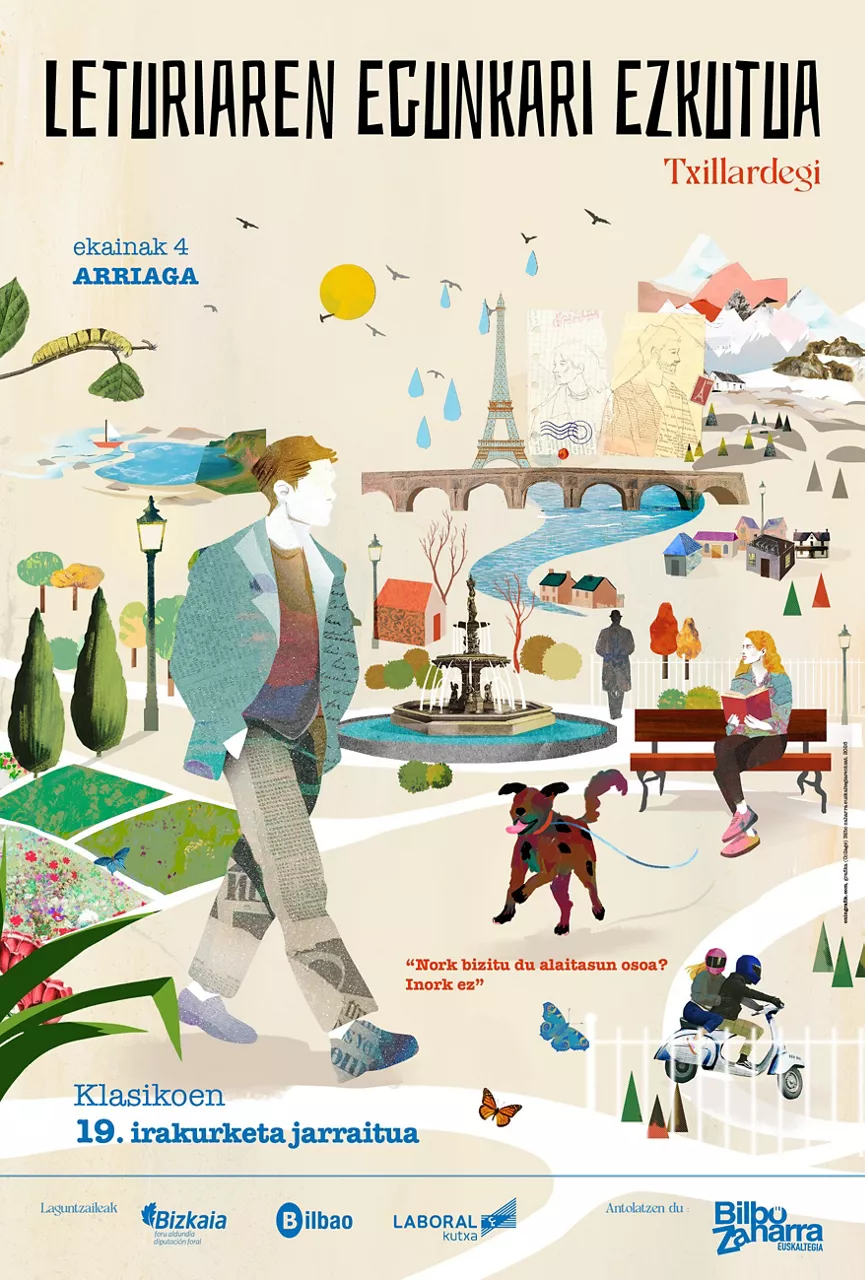
Hundreds of Joxeba Leturia, Thursday in the Arriaga
On the 4th, the novel "Leturia's Hidden Diary" by Txillardegi will be constantly read in public in the 19th edition of the Continuous Reading of Classics organized by the Euskaltegi Bilbo Zaharra.
Literature, shivering at the pace of literature
The Plaza de las Letras Vascos will open in Zarautz from 29 to 31 May under the slogan "Dar-dar": book fair, presentations, perfomance, round tables, courses, music, concerts...
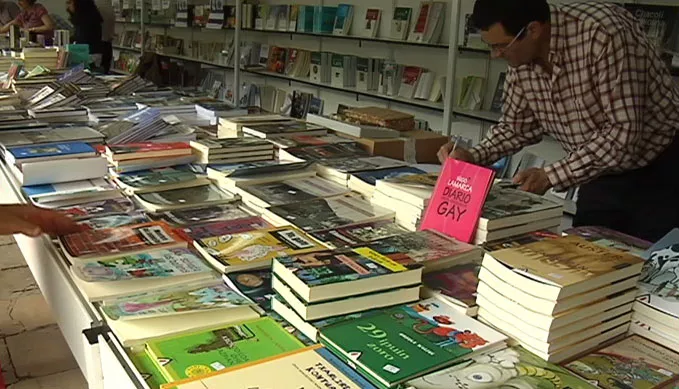
Encounters with authors, fairs and literary itineraries as protagonists on Book Day
The celebration of Book Day will be centralized in the squares, libraries and cultural centres of Hego Euskal Herria, with initiatives designed for all audiences.

The Spanish Critics Association will reward Eider Rodriguez and Ane Zubeldia
The Guipuzcoan writers have won awards in Basque, Rodriguez in the narrative section for "Everything was the same hole" and Zubeldia in poetry for "Kontra".
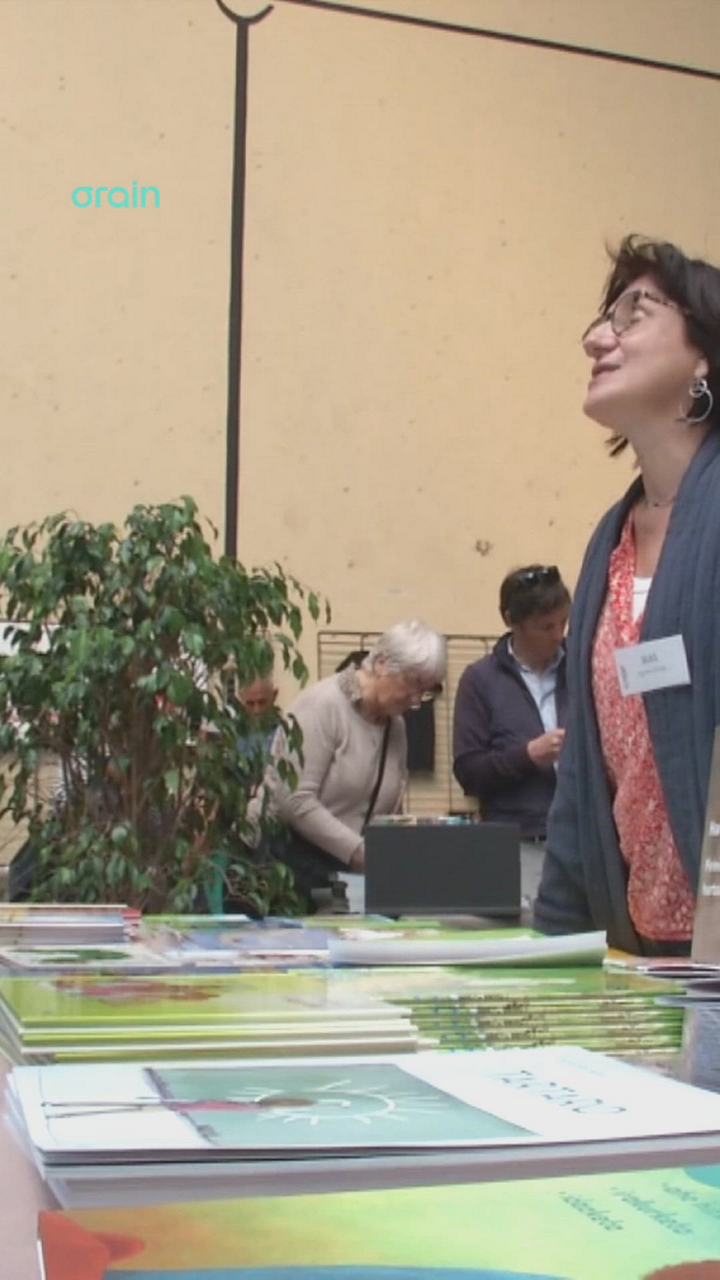
Professional Day To End Sara's Writers' Conference
The literary meeting point, which began on April 5, ends today on a day dedicated to professionals, this year paying tribute to the writer, professor, researcher and militant in Baigorri, Marikita Tambourin, and the writer, researcher and anthropologist of Zuberoa Anne-Marie Lagarde.
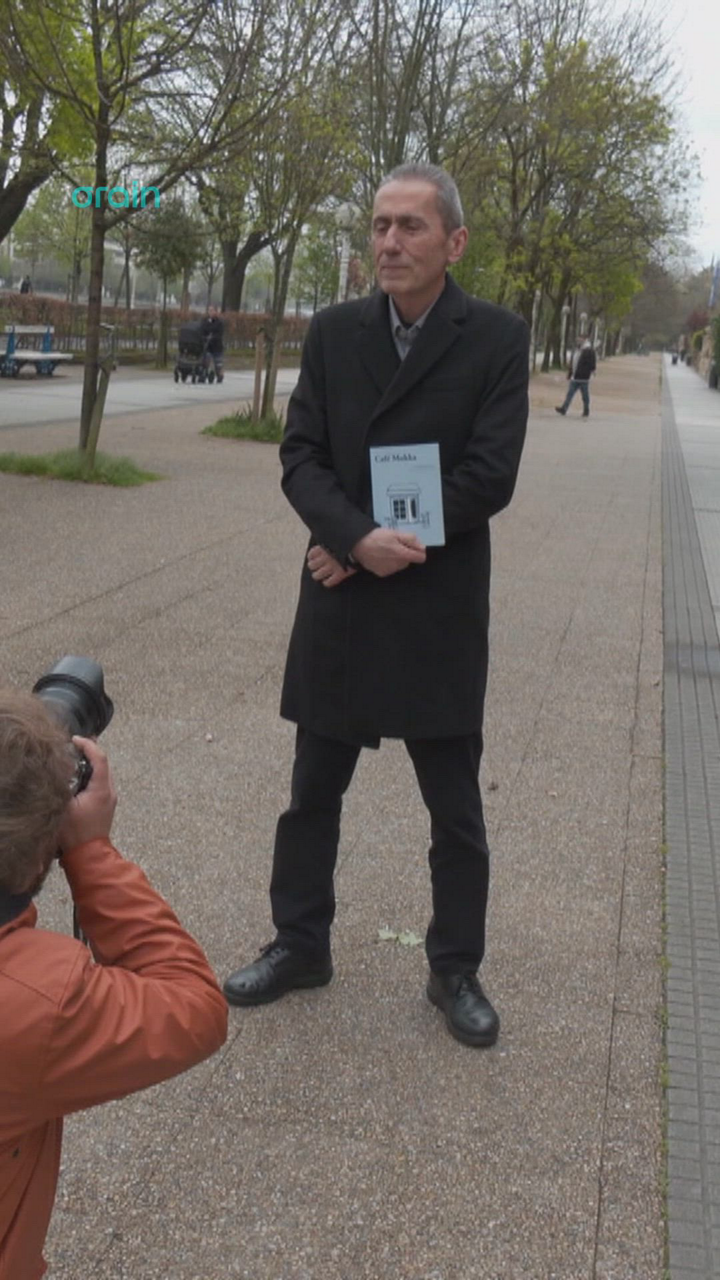
Musician and writer Jabier Muguruza publishes his first novel, "Café Mokka"
The novel offers "an intimate and ironic first-person account from the everyday life of a cafeteria. Café Mokka becomes a sociocultural observatory where customer conversations and everyday situations reflect the contradictions, tendencies and changes of society."
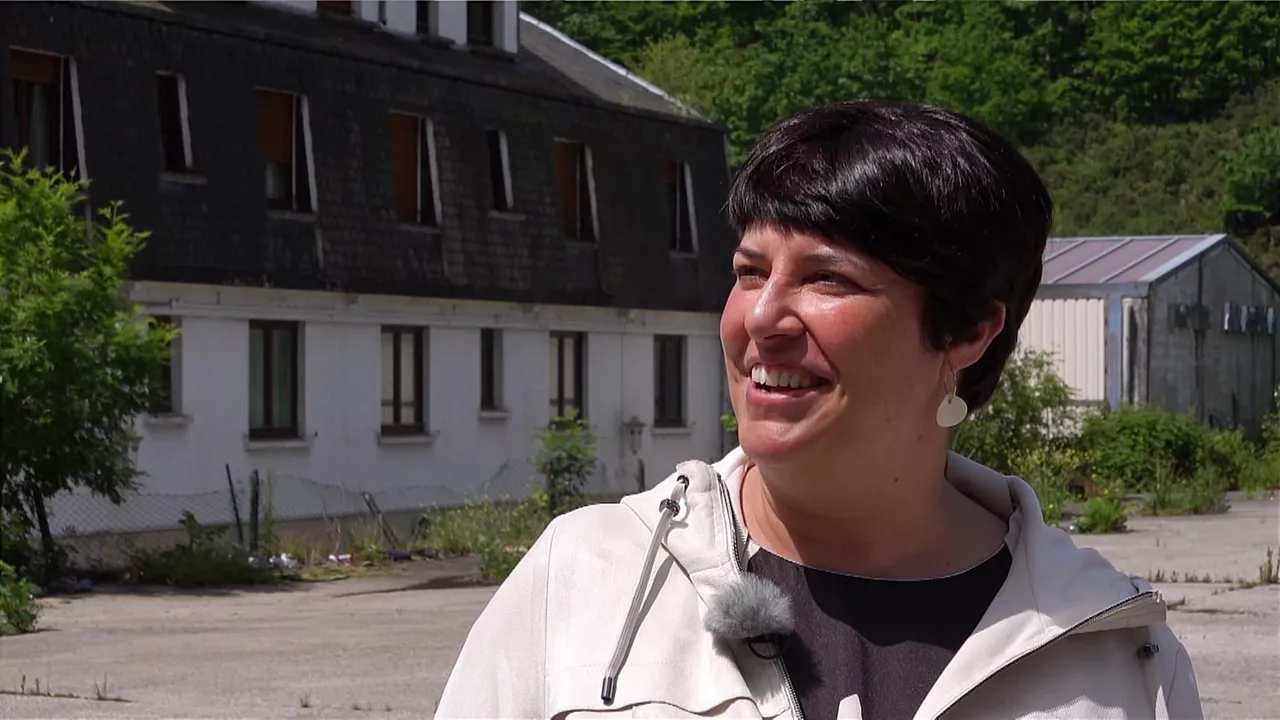
They'll take the literature back to the square in Oiartzun
From 9 to 28 March, the Plaza de la Literatura will be held in Oiartzun for the fourth time, and the organizers have scheduled eight appointments on Basque literature, 1545.
Women writers gain presence: feminism brings new voices, new bodies and new themes
Feminism has brought about profound changes in recent years, including in literature, bringing new themes, looks, voices, bodies and narratives. Half a century ago, there were few women writers, and they were relegated to the background.