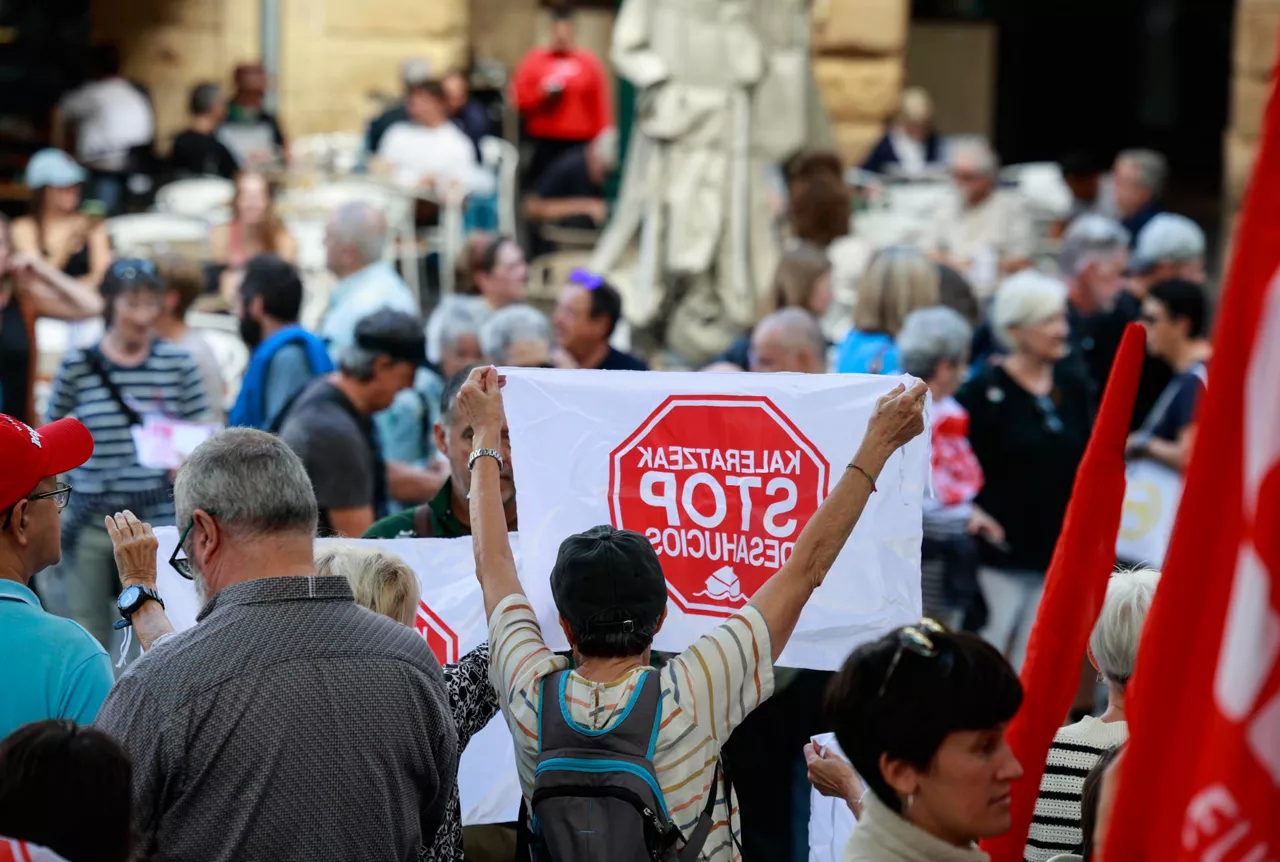
The PNV of Donostia-San Sebastián has set itself the goal of increasing the supply of housing and deepening the "orderly and sustainable" model of tourism for the coming years
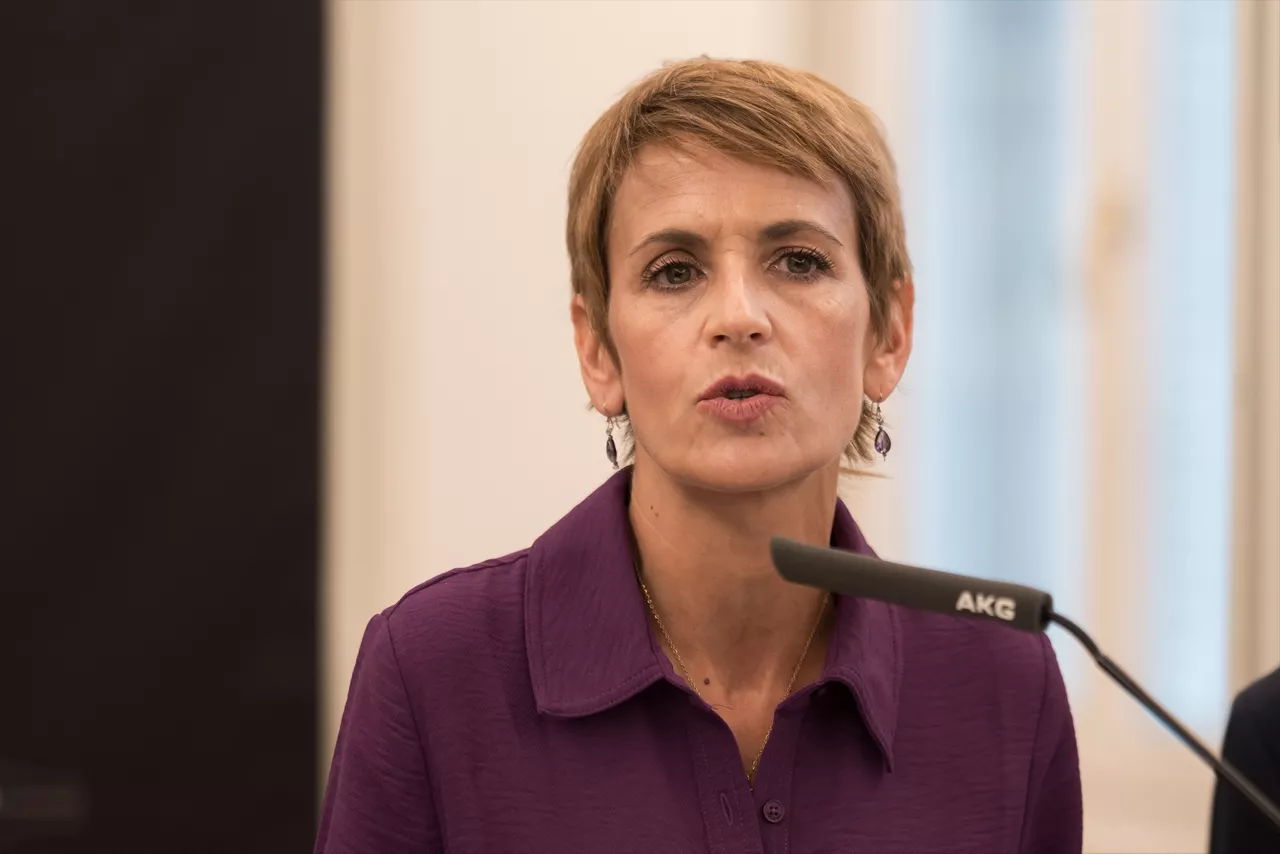
 Insausti and Arrizabalaga, press conference. EITB

The PNV of Donostia-San Sebastiánhas held a five-month talk session with some 500 social associations to identify the challenges facing the city in the coming years and to gather input . The initiative, under the name "Commitment to San Sebastian", has identified 11 important issues, including the A0 commitment to increasehousing supply, deepen the "orderly and sustainable" tourism model and work on the "comprehensive security model ".
The initiative was presented today by the mayor of Donostia-San Sebastián, Jon Insausti, and the president of the Gipuzku Buru Batzar (GBB) of the PNV, María Eugenia Arrizabalaga, who have valued the reflections and contributions collected during the listening process.
The PNV of Donostia-San Sebastián began work on the initiative in March of this year. First, they carried out an internal party process on the basis of the "Prioritization Key" document prepared by the PNV of Gipuzkoa. With 140 militants from thecity, 10 working groups were formed on the most important issues (Housing, Health, Migration, Security, Tourism, Social Policies, Equality, Euskera and Culture, Sport and Economic and Industrial Employment).
11 sectoral challenges
The report has identified 11 major challenges: housing, health, migration, security, tourism, social policies, male violence, Euskera and culture, sport, the economy, industry and employment, and mobility and sustainability. In the area of housing, they have stressed the need to increase supply , through greater public and private cooperation and have also focused on increasing protected housing, allocating empty housing to rent and facilitating the emancipation of young people.
Taking into account the weight of San Sebastián in the tourismdispute, the agents have shared their commitment to "deepening the orderly and sustainable model", capable of protecting the quality of life of the citizens and allowing the money received to be returned to it, for which they have supported the establishment of "more efficient regulations".
They have also placed the emphasis on security. They have defended a 'comprehensive security model' with the strengthening of the Basque police. On the other hand, they have stressed the need for prevention and firmness in the face of repeated crime.
In the field of Basque and culture, have considered it necessary to strengthen our language in everyday life, especially among young people and the new generations of donostiarras.
Theissue of migration has also been on the table, among other issues, the commitment to naturalization, equality with rights and duties, intercultural coexistence and the strengthening of social unification. The authors of the report consider immigration to be an "ethical challenge", as well as an "opportunity for the demographic and economic future" of our society.
Insausti: "We want San Sebastian to be among the most prosperous and advanced cities in Europe"
You might like
The Official Gazette of Spain has already published the decree bringing the elections forward to 29 November

They will be news: electoral advance, housing decrees and the Bilbao Museum of Fine Arts

How will the parties get to the polls?
The TC provides for amnesty for the offence of embezzlement of public funds
The Public Prosecutor's Office has appealed the award of the third degree to Idoia Mendizabal

What Sanchez has not done: approve the 2027 budgets, comply with the Statute and complete the processing of various laws

What happened in the last legislature? Measures and laws adopted by the Government of Spain
Chivite, about the election: "We will mobilize and regovern."
They will not immediately vacate the camp in Sol, after justice rejected Ayuso's request