
The Prince of Viana Institution gives way to the reform of the Monument to the Fallen in Pamplona
The decision is based on the Foral Act amending the Historical Memory Regulations to introduce a specific provision on the monument, which obliges the monument to be given a new meaning, limits its uses to the purposes of education and democratic memory, and provides for the removal of elements of Francoist exaltation.


The Prince of Viana Institution has issued a report in favour of changing the protection of the Monument to the Fallen in Pamplona, so that the fundamental step is to be declared a space of memory and coexistence.
The resolution responds to a timely amendment of the Municipal Plan approved by the City of Pamplona on 5 June.
The aim is to reduce the level of protection of the main body of the building — from level 2 to level 3 — and to eliminate the protection of the side arches, crypt and other basement rooms, enabling comprehensive intervention of symbolic and functional renewal of meaning.
The Prince of Viana's report specifies that the new cataloguing will allow action to be taken on the outside of the dome, including the removal of crosses or templets and the introduction of new coatings or artistic elements, while ensuring the preservation of the interior murals, which can be hidden without destroying them, for further study and dissemination.
The decision is based on the Foral Actamending the Historical Memory Regulations to introduce a specific provision on the monument, which obliges the monument to be given a new meaning, limits its uses to the purposes of education and democratic memory, and provides for the removal of elements of Francoist exaltation.
In this regard, the report notes that even after the exhumations and symbology carried out, the building continued to spread the message of "totalitarian propaganda".
The file has had a number of technical assessments. The Historical Heritage Service recommended maintaining the current protection of the complex for architectural consistency, since it was a unitary project of José Yárnoz and Victor Eusa, built between 1941 and 1952.
However, Prince de Viana stresses that the examination cannot be limited to formal criteria, but must have a symbolic, historical and social dimension, in accordance with the legislation on memory and cultural rights.
In this context, the Directorate-General for Memory and Coexistence issued a report on 21 August, which welcomed the City Council's proposal. The planned actionsinclude the demolition of the crypt and external arches, the removal of existing Franco plates and inscriptions and the partial concealment of the dome. It considers these measures to be consistent with the law and compatible with international human rights standards.
The Prince of Viana's document further recalls that cultural heritage is no longer conceived as an invariable set of formal goods, but as a social process "constantly reinterpreted".
The resolution concludes that the requested amendment is legally feasible and complies with the legal mandate to renew its meaning by allowing the removal of Francoist symbology, the redefinition of uses and the transfer of space to educational and social purposes, although it warns that it is up to the department responsible for culture to establish the necessary measures in the future to ensure consistency with the principles of conservation and democratic memory.
The decision of the Prince of Viana may be appealed to the High Court of Justice of Navarre within two months.
The next step will be the approval of the report by the City Council Plenary, while the Committee of Experts continues to work on the draft report.
With regard to the future of the building, EH Bildu, PSN and Geroa Bai reached an agreement to reject the demolition and advocate a new meaning. The members of the Contigo-Zurekin government have been very critical of the agreement and have been in favour of its demolition.
You might like
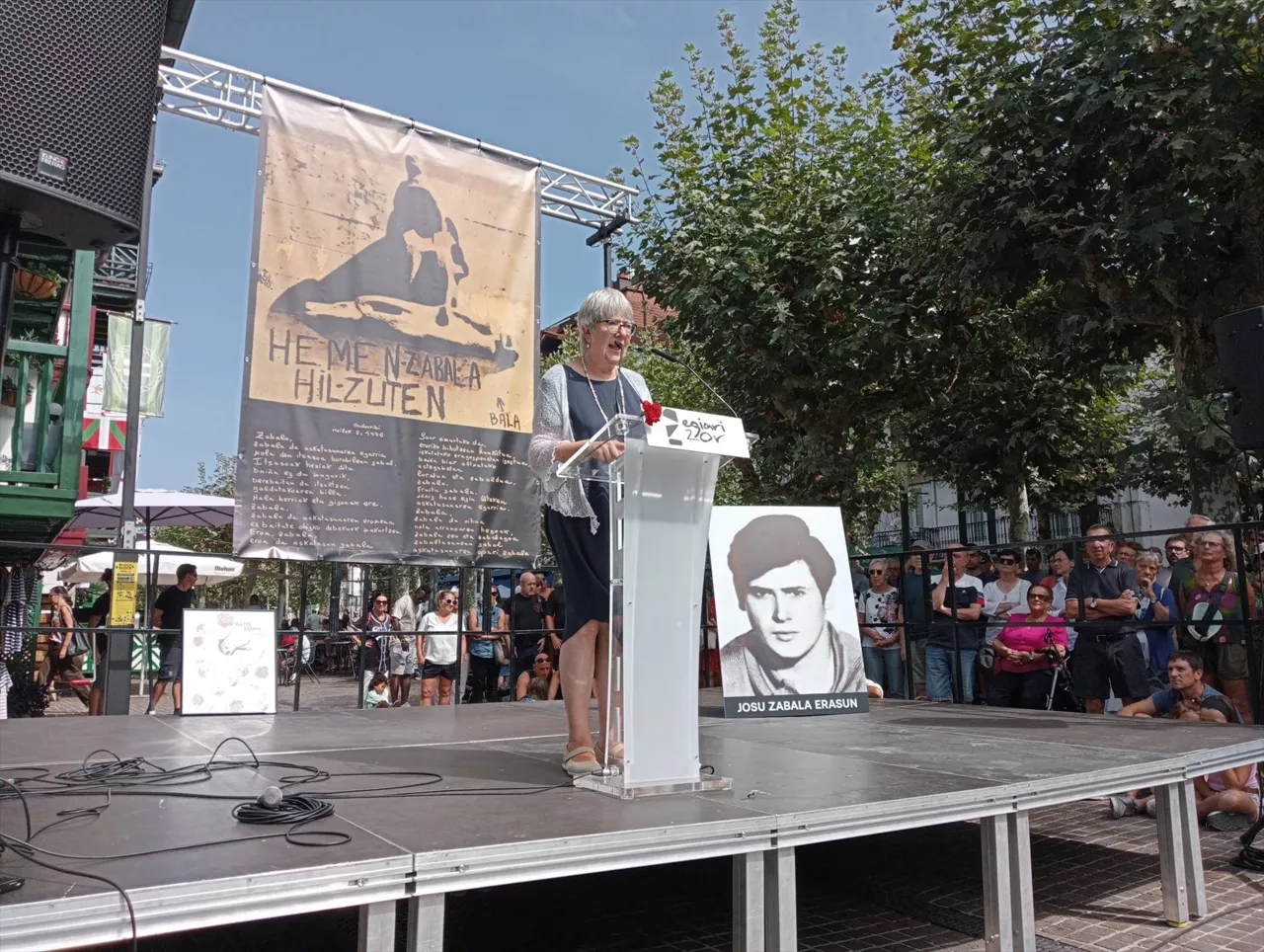
Josu Zabala Erasun was remembered in Hondarribia on the 50th anniversary of his death
Josu Zabala Erasun was shot dead by the Civil Guard in 1976 during a demonstration against the kidnapping of ETA member Eduardo Moreno Bergaretxe, 'Pertur'.
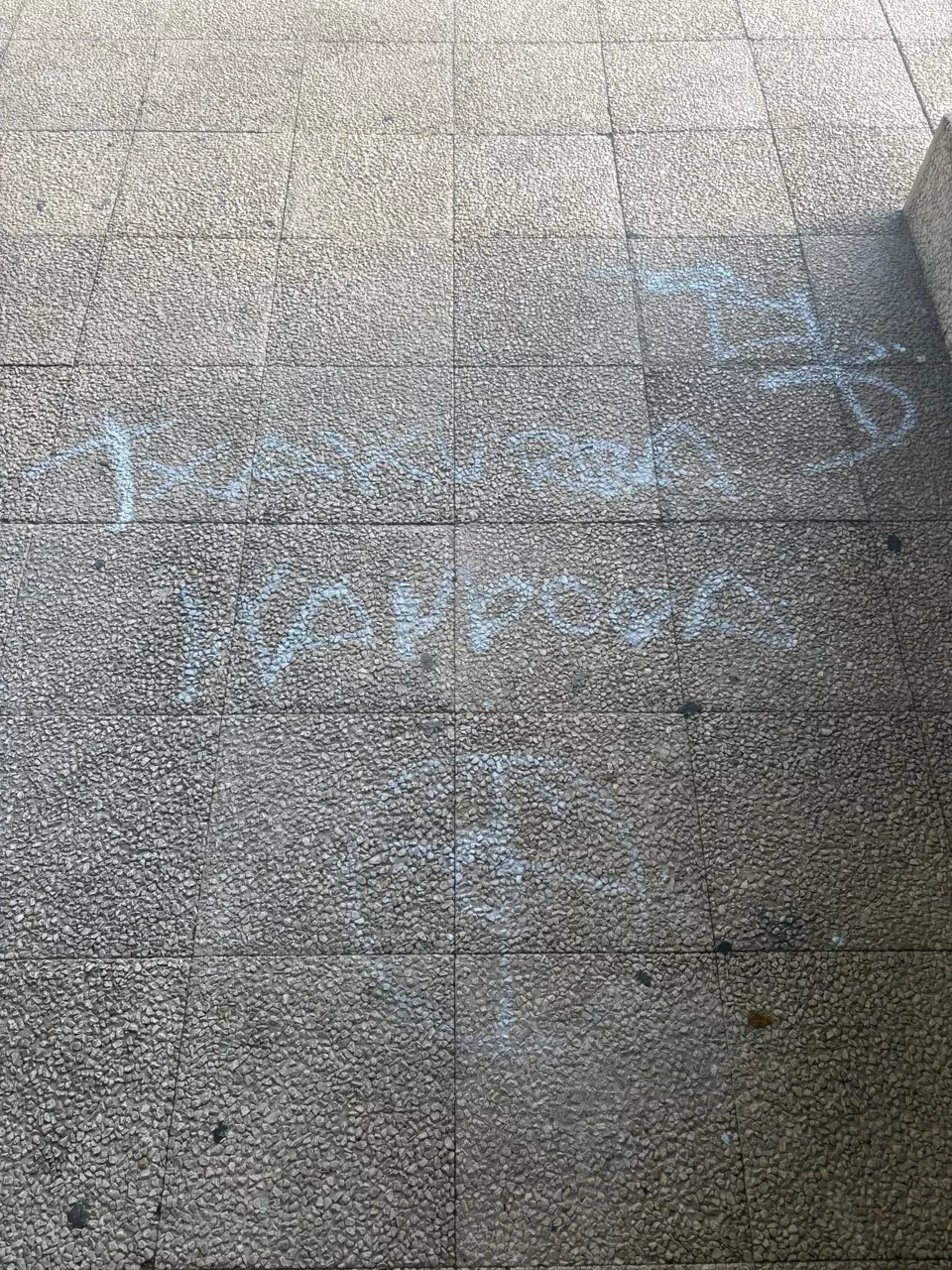
A painting against an ertzaina appears near his home in Vitoria-Gasteiz
The Department of Safety and Security has condemned "the threats and threats to the police, which recall past times and attack not only the said officer and the Ertzaintza, but also the foundations of democracy and coexistence".
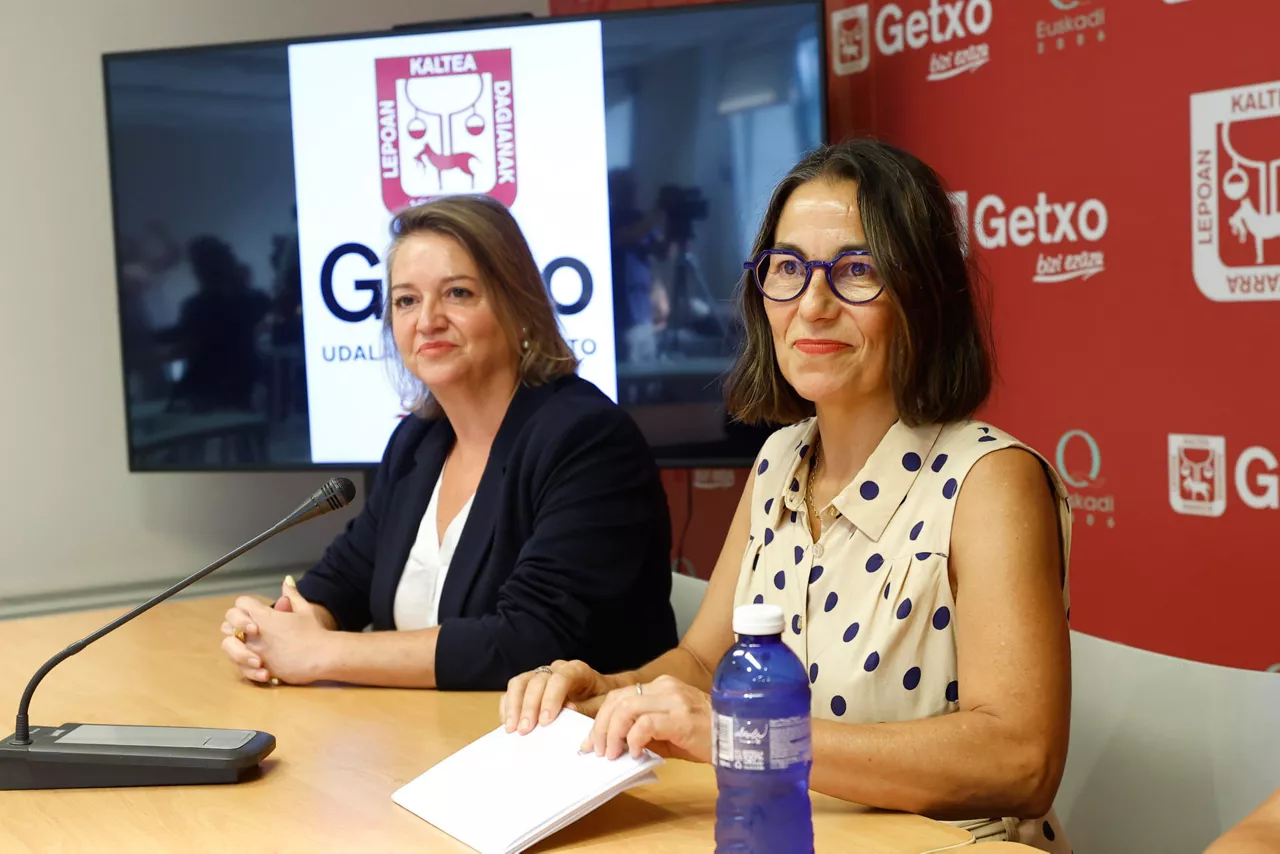
Agirre has called for a "public repair" of Irura's Bat Palace on the grounds that "progress" is not enough
According to the mayor, for months the debate has gone beyond the legal issue, with very serious accusations being made against the people affected and against the PNV, so he has clearly said that it is not enough to leave what happened behind.
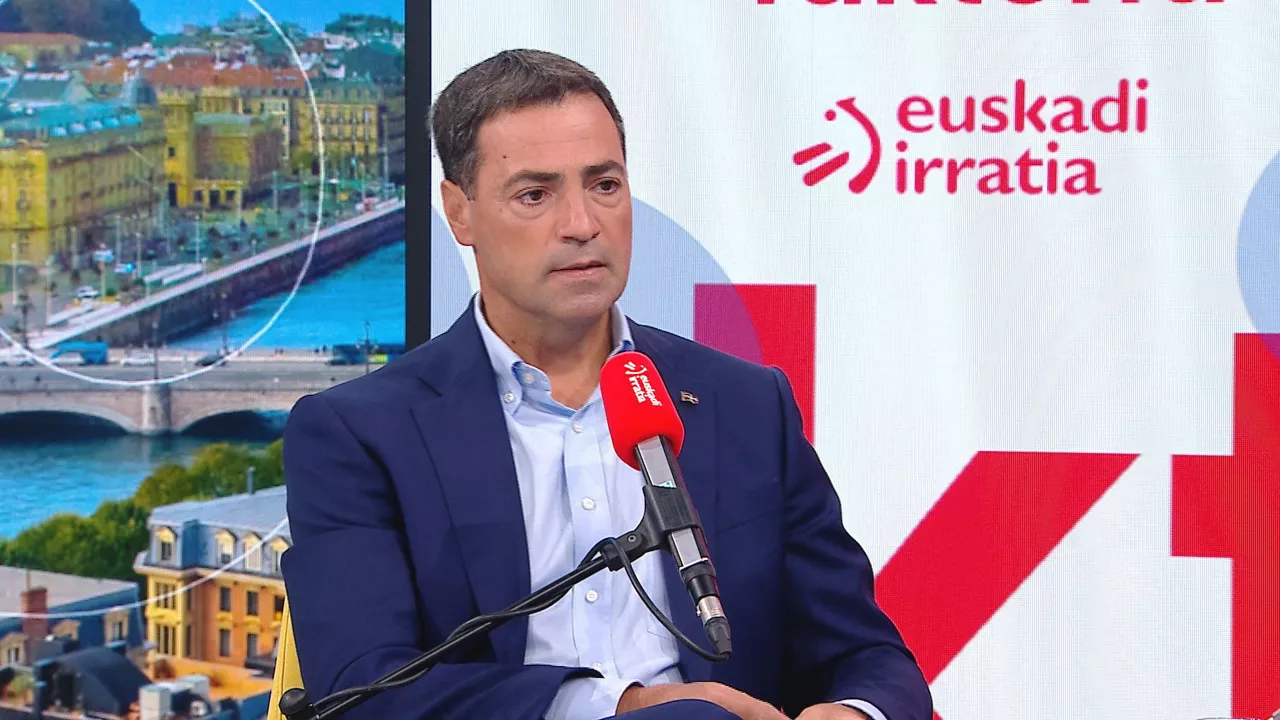
The President has assured us that there is no organized crime in the Basque Country today
Interviewed in the Faktoria programme of Euskadi Irratia, the President of the Basque Government, Imanol Pradales, has pointed out that the murders of recent years are mainly related to the deterioration of personal relations caused by drugs, addictions or gender-based violence, and has stressed that there is currently no organized crime in the Basque Country.
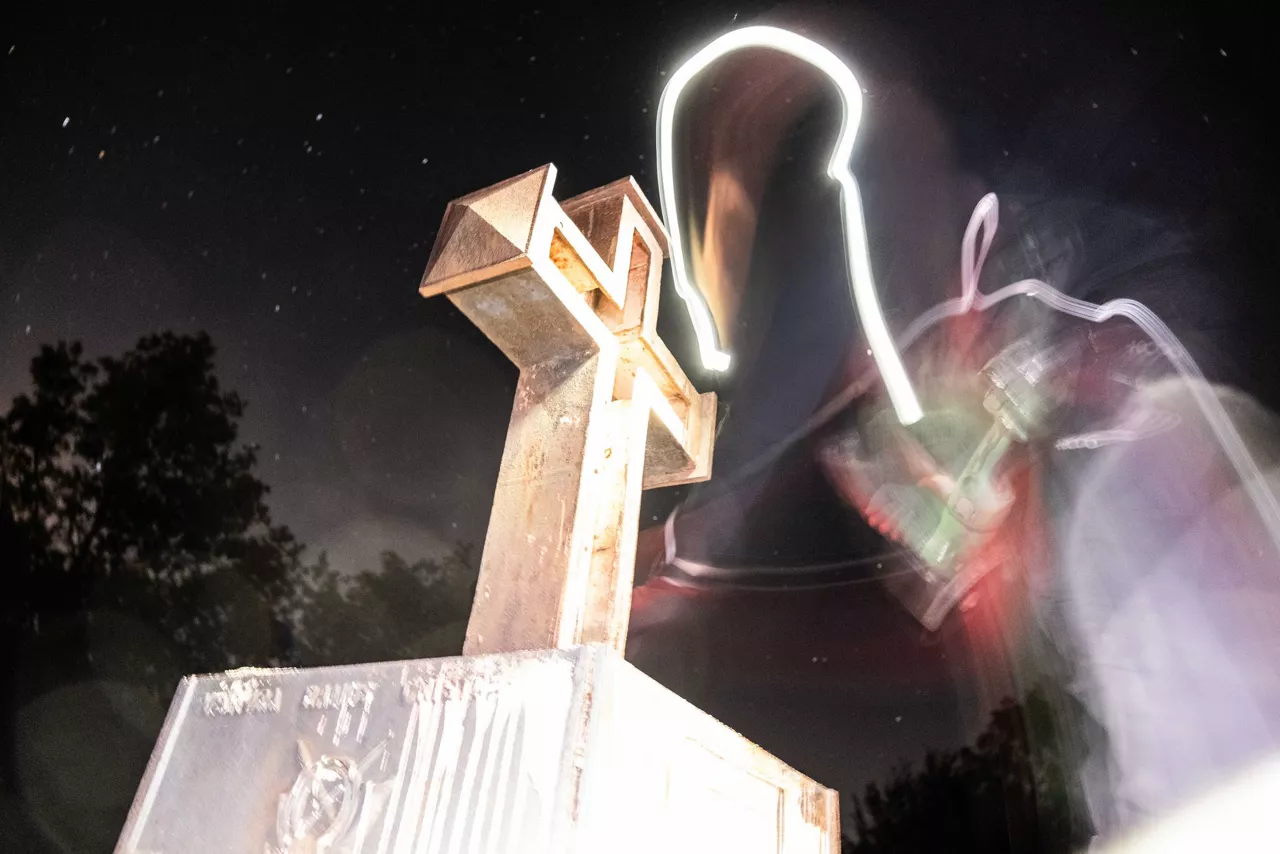
Ernai launches the Francoist cross of Mount Isuskitza
Ernai has shot down and videotaped the 1940 cross on Mount Isuskitza (Álava) in memory of the Franco requetés. The youth organization has claimed that fascism has no place in our country and has called for participation in the demonstration that will take place on 13 September in San Sebastian.
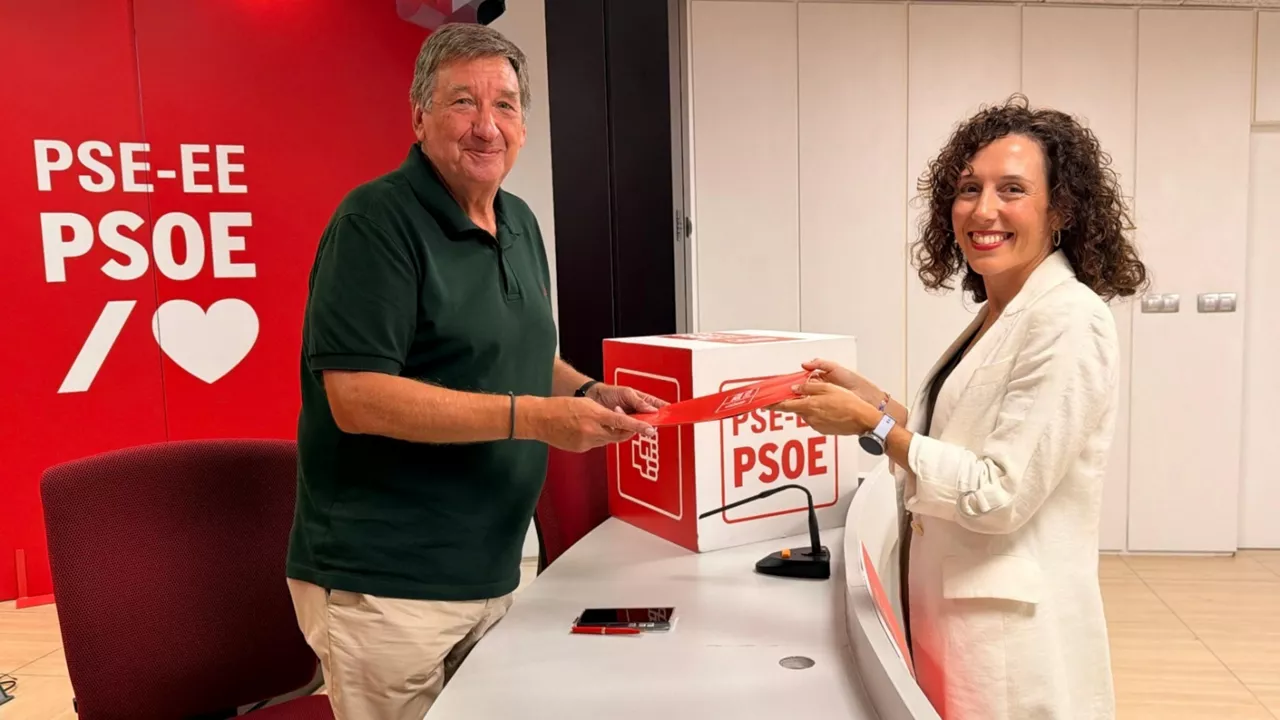
Nora Abete (PSE-EE) presents her candidacy for mayor of Bilbao
The current deputy mayor of the Bilbao City Council and spokesperson for the PSE-EE has explained that his candidacy stems from "proximity, listening and decision-making."
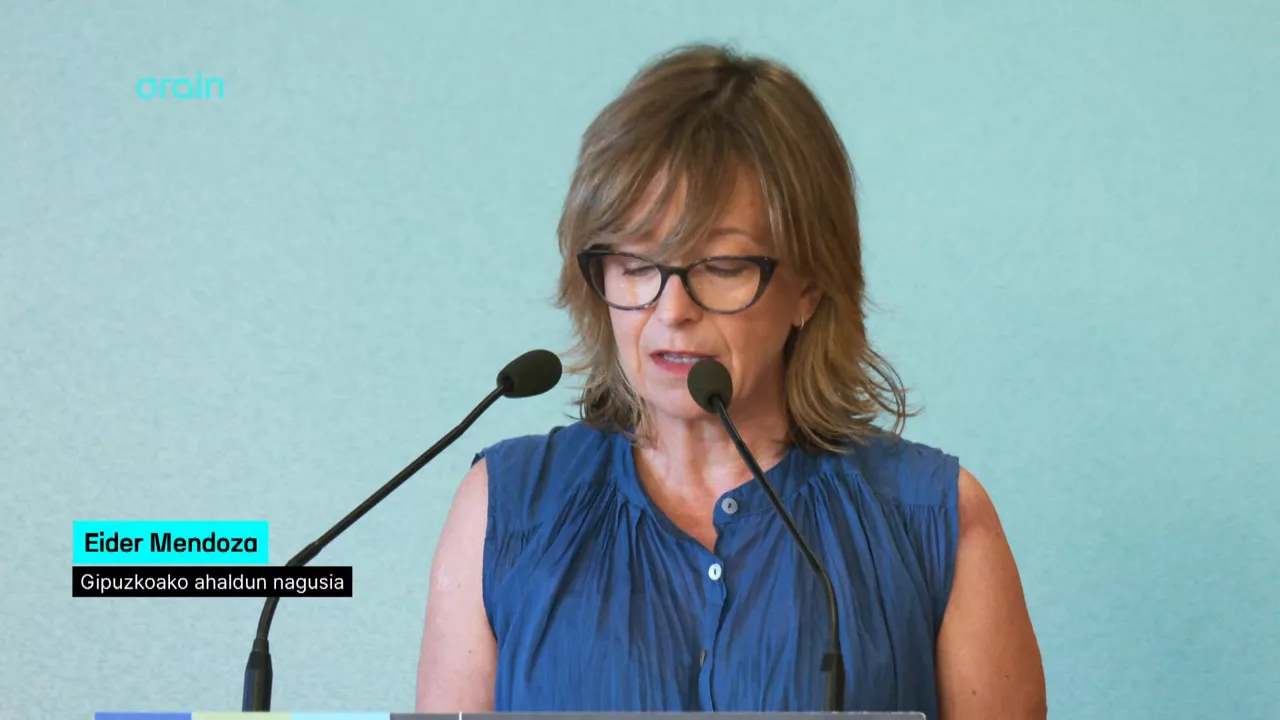
Gipuzkoa's Provincial Council will begin negotiating fiscal budgetary measures next week
Gipuzkoa MP Eider Mendoza has advanced her intention to start a round of talks with opposition groups to begin negotiations on the territory's budgets and some fiscal measures.
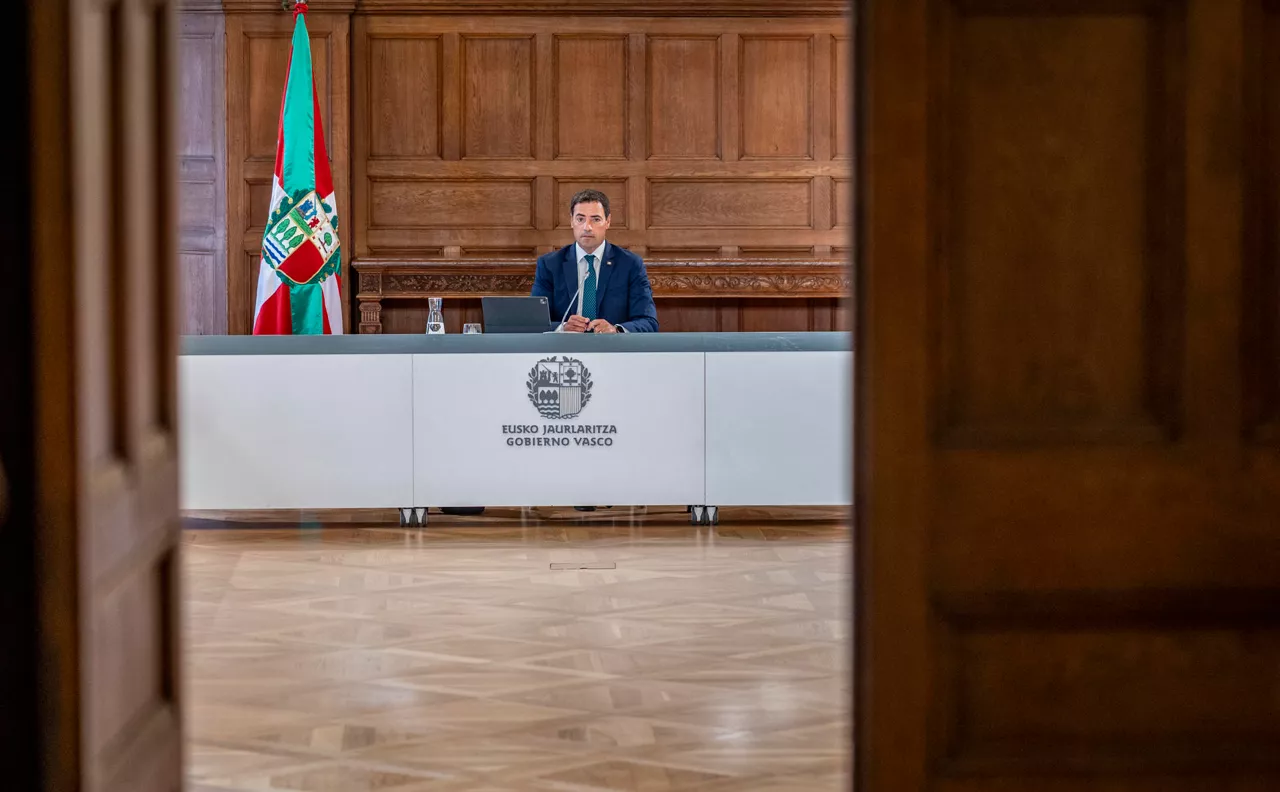
The President shall propose economic, self-government and housing agreements in his round of meetings with the parties and social partners
The meetings will take place from 8 to 15 September with the aim of strengthening dialogue and fostering partnerships in a context marked by international uncertainty and the electoral cycle of 2027.
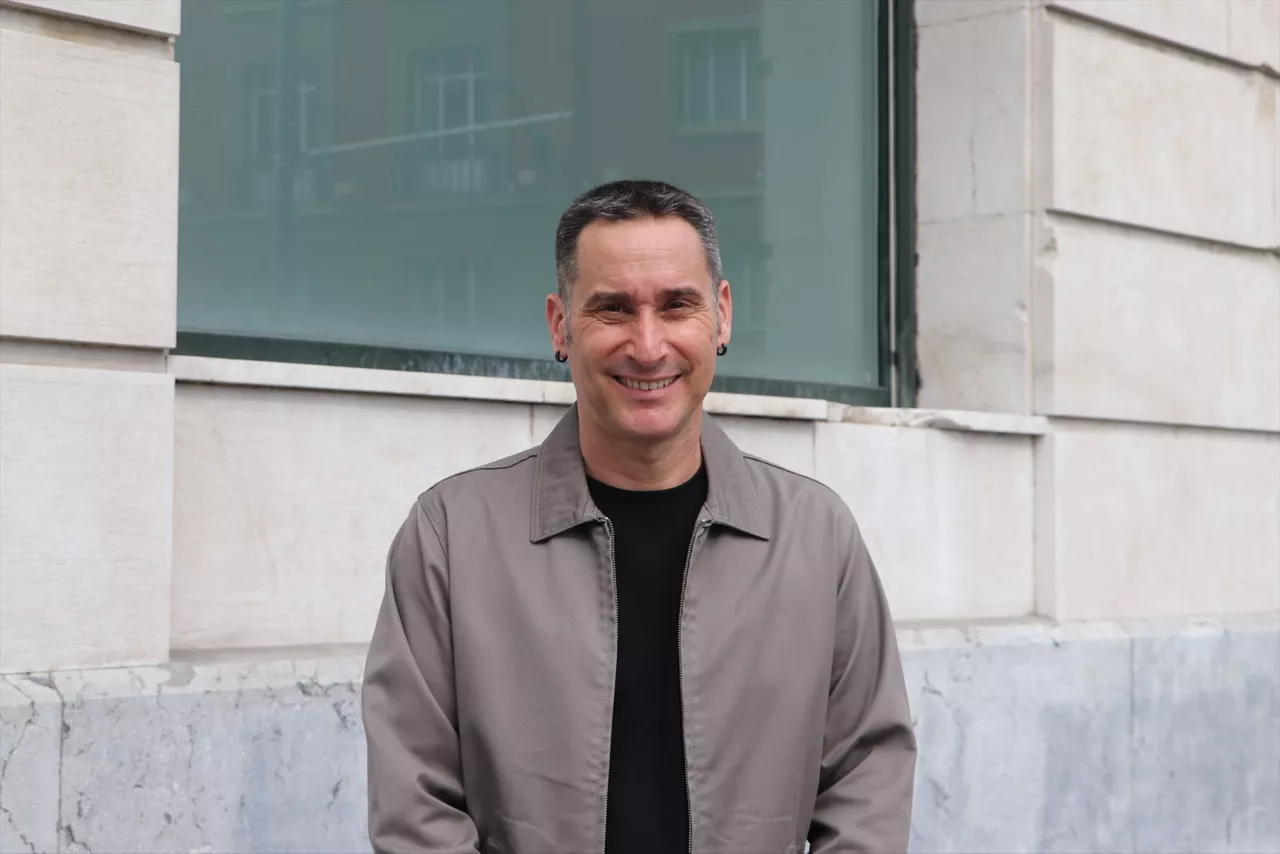
Iker Casanova will again be EH Bildu's candidate for Bizkaia's MP
EH Bildu's Bizkaia Political Bureau believes that baracaldés is the right person to represent the project of left-wing sovereignty.
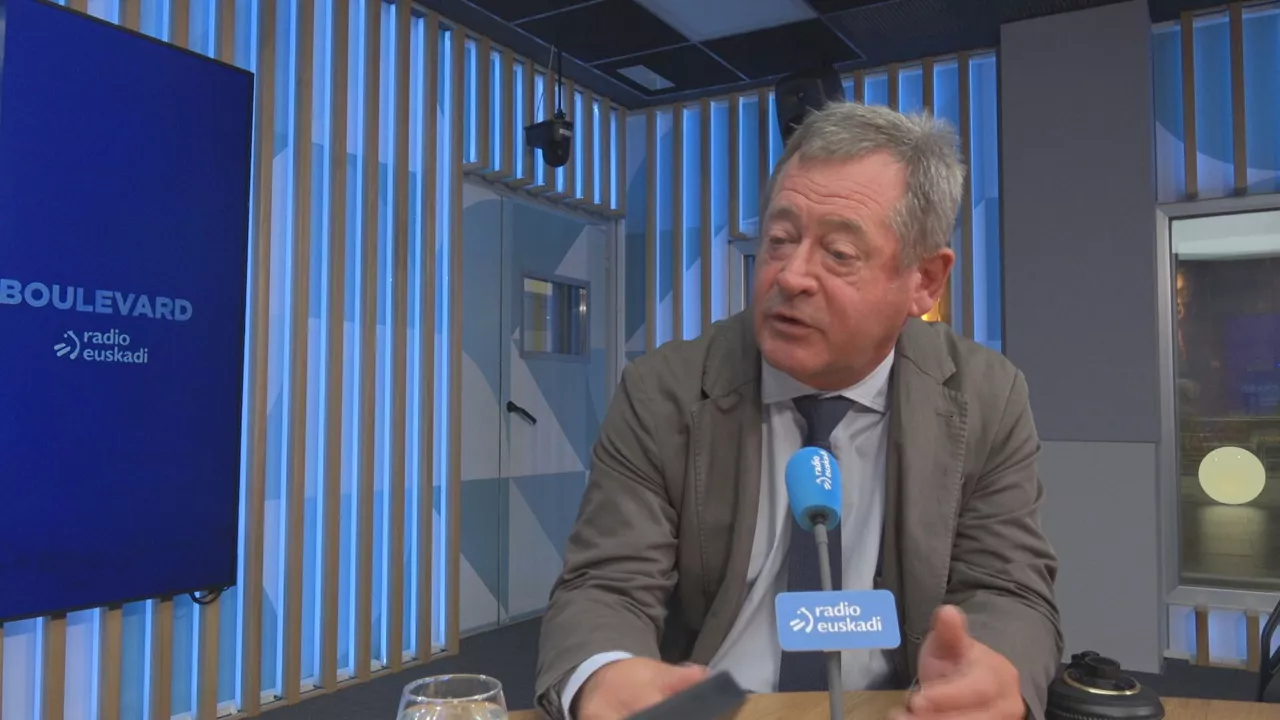
Zupiria believes that there is no political tint in the recent incidents between young people and the Ertzaintza
The Security Adviser of the Basque Government, Bingen Zupiria, has linked the incidents to young men, the consumption of alcohol and other substances and the "disinhibition" of night leisure. Asked about Ceuta, he regretted that Morocco was not asked to "assume its responsibility".