
Historical Memory
Tribute to the 200 people shot and buried in Hernani from September to November 1936
In the cemetery in Hernani, an emotional act was held for the Hernaniarras who were shot in the civil war and for the missing, thus putting an end to the 90 years of oblivion to memory programme that they have organised to commemorate the 90th anniversary of the 36th uprising.
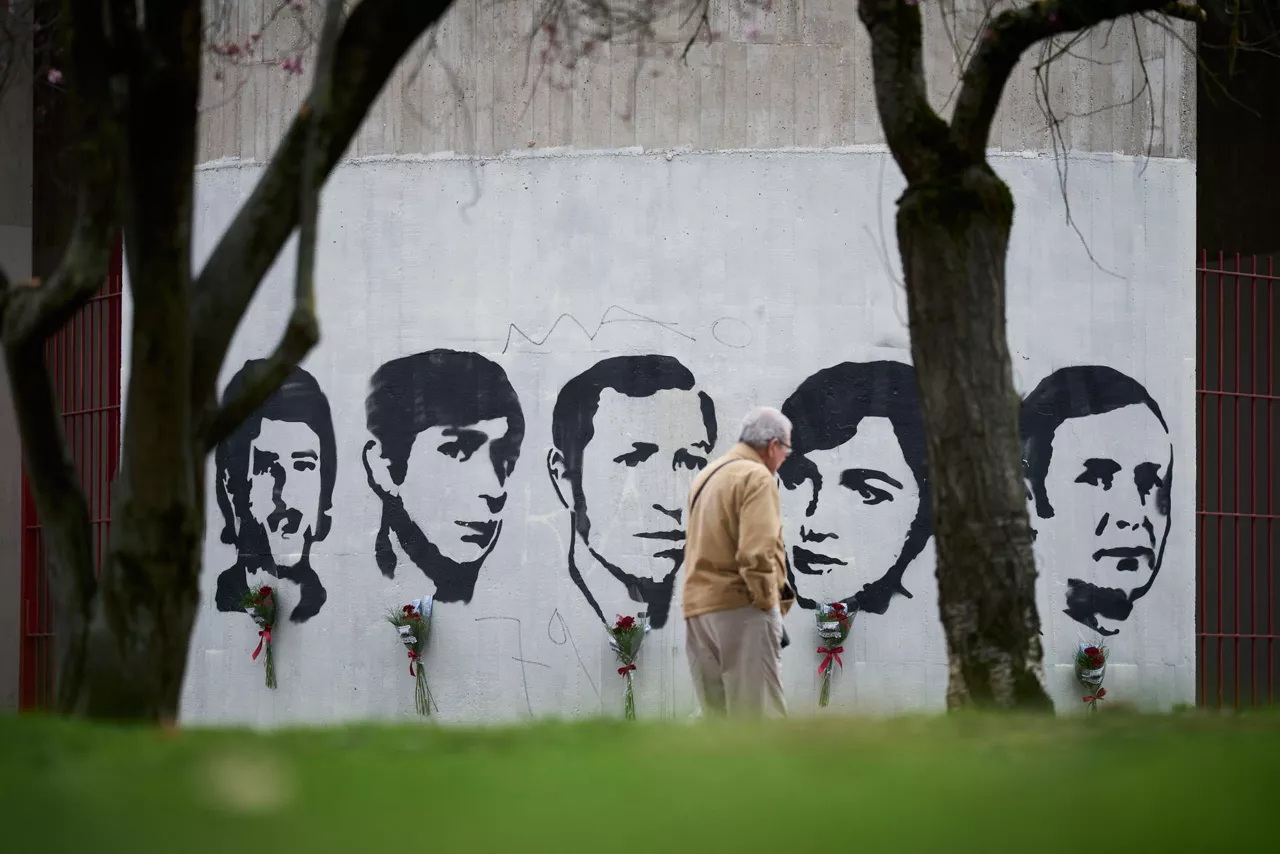
The Araba Public Prosecutor's Office opens the way to reparation for the victims of March 3
Although two judicial proceedings were formally instituted, the prosecution notes that the murders of 3 March 1976 went unpunished.
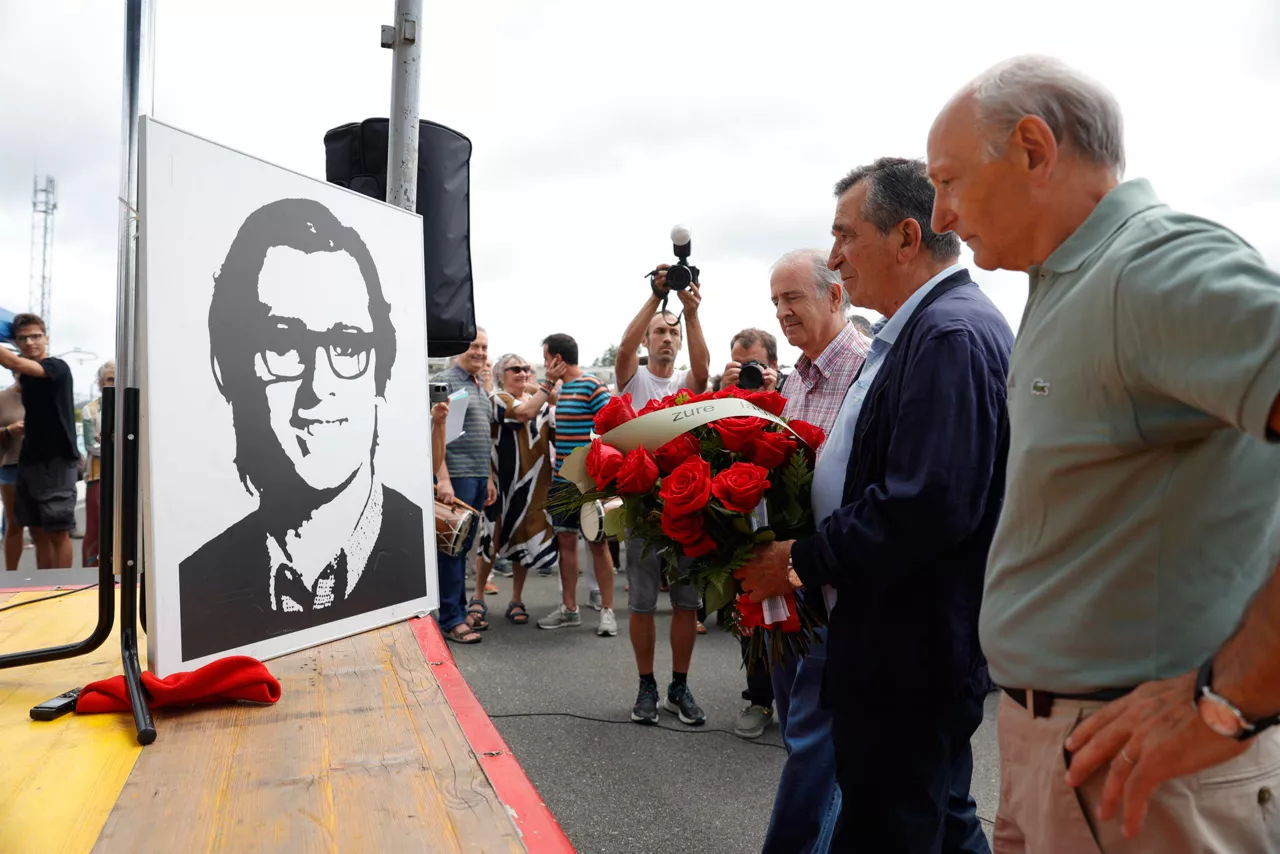
Donostia opens a street exhibition on the disappearance of "Pertur" to demand truth and justice
Councilor María Jesús San José has asked the Spanish State to exercise its responsibility and has asked those with information not to be afraid and to cooperate in clarifying what happened 50 years ago with the political and military leader of ETA who disappeared.

The Gernika Board House celebrates the 90th anniversary of the Basque Government
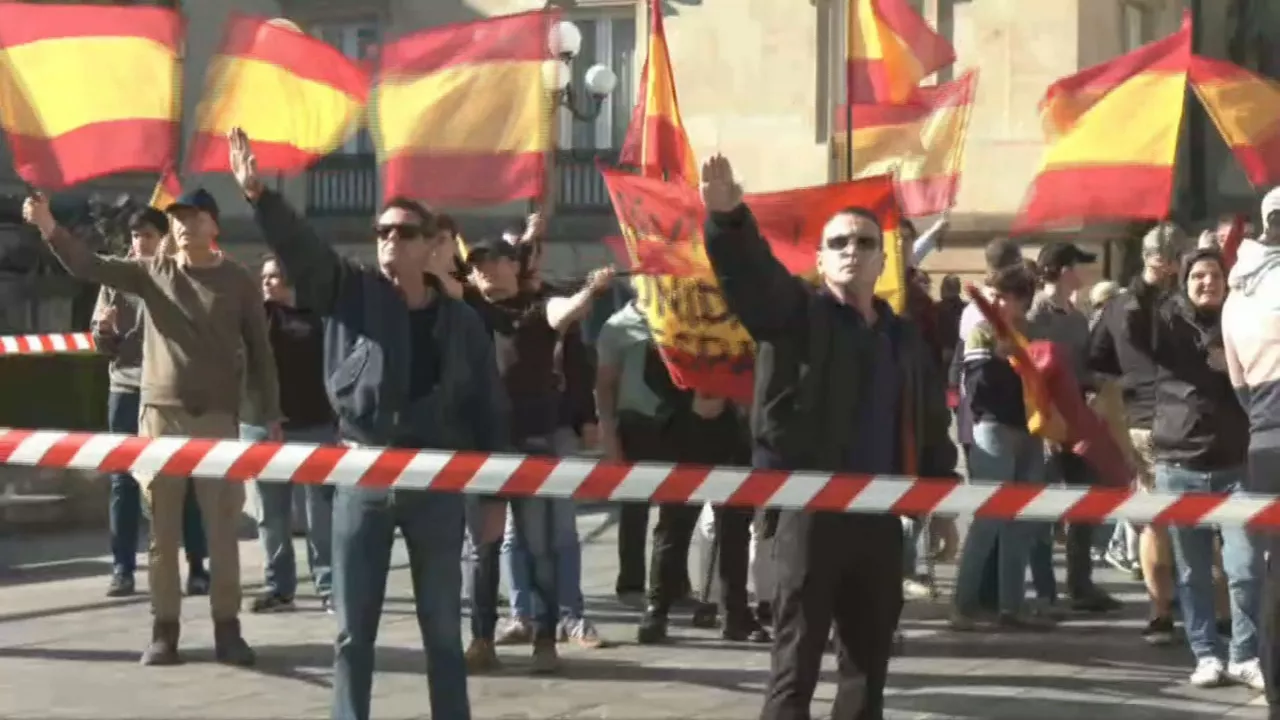
Gogora denounces threats from Spanish Falange to the Ertzaintza
The Basque Institute of Women has received a message signed by Spanish Falange: "We keep an eye on you."
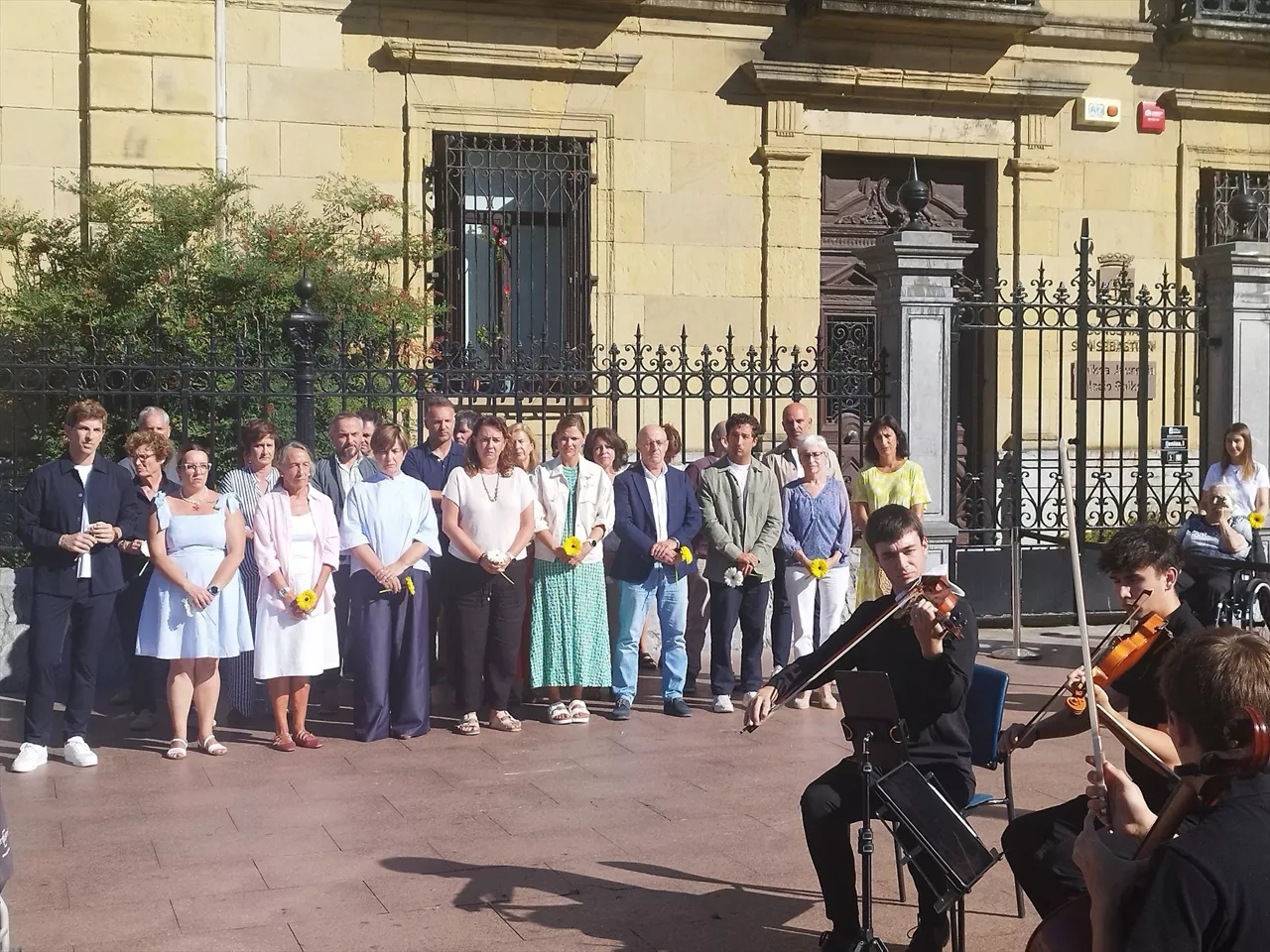
San Sebastian honours the victims of Francoism with a floral offering on Historical Memory Day
Mayor Jon Insausti stressed at the event that "San Sebastián is a benchmark in democratic memory" and reiterated his commitment to recognize and compensate those who suffered violence, repression and exile as a result of war and dictatorship.
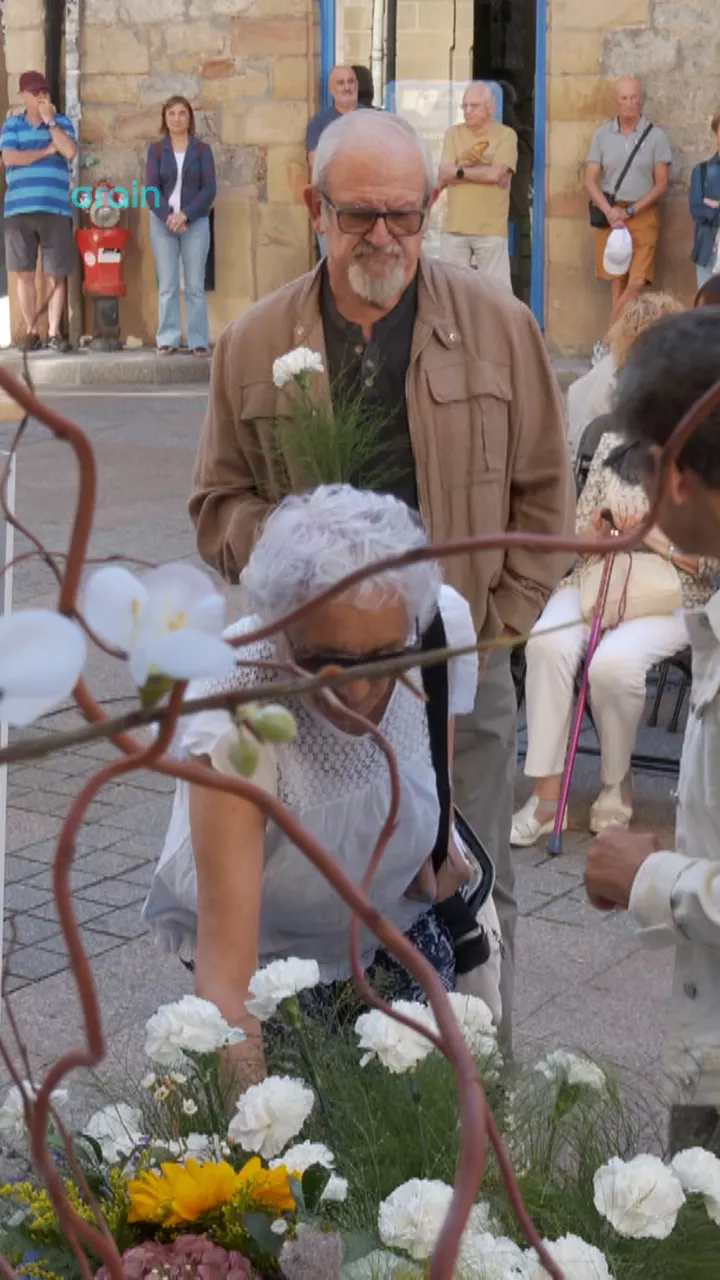
On the occasion of the 90th anniversary of the occupation of Errenteria by Francoist troops, the City Council held an event
Colonel Beorlegi's troops forcibly entered on 13 September 1936, and today, in memory of the events and the subsequent massacre, a floral offering and a minute's silence were held, organized by the City Council.
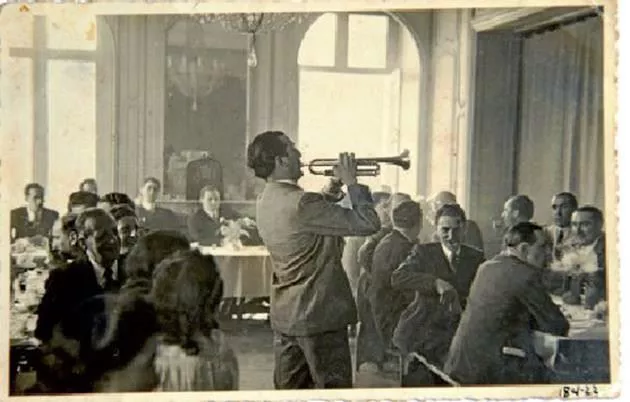
On 6 October, a trial will be held in Donostia-San Sebastián to find out that warrior Txomin Letamendi was tortured
This is the first time that a procedure of this nature has been conducted in the Basque Country through "voluntary jurisdiction" for serious human rights violations. This process has been promoted by the EGTC with the consent of the family of the warrior and militant Txomin Letamendi, who died on 20 December 1950 under torture by the Franco regime.
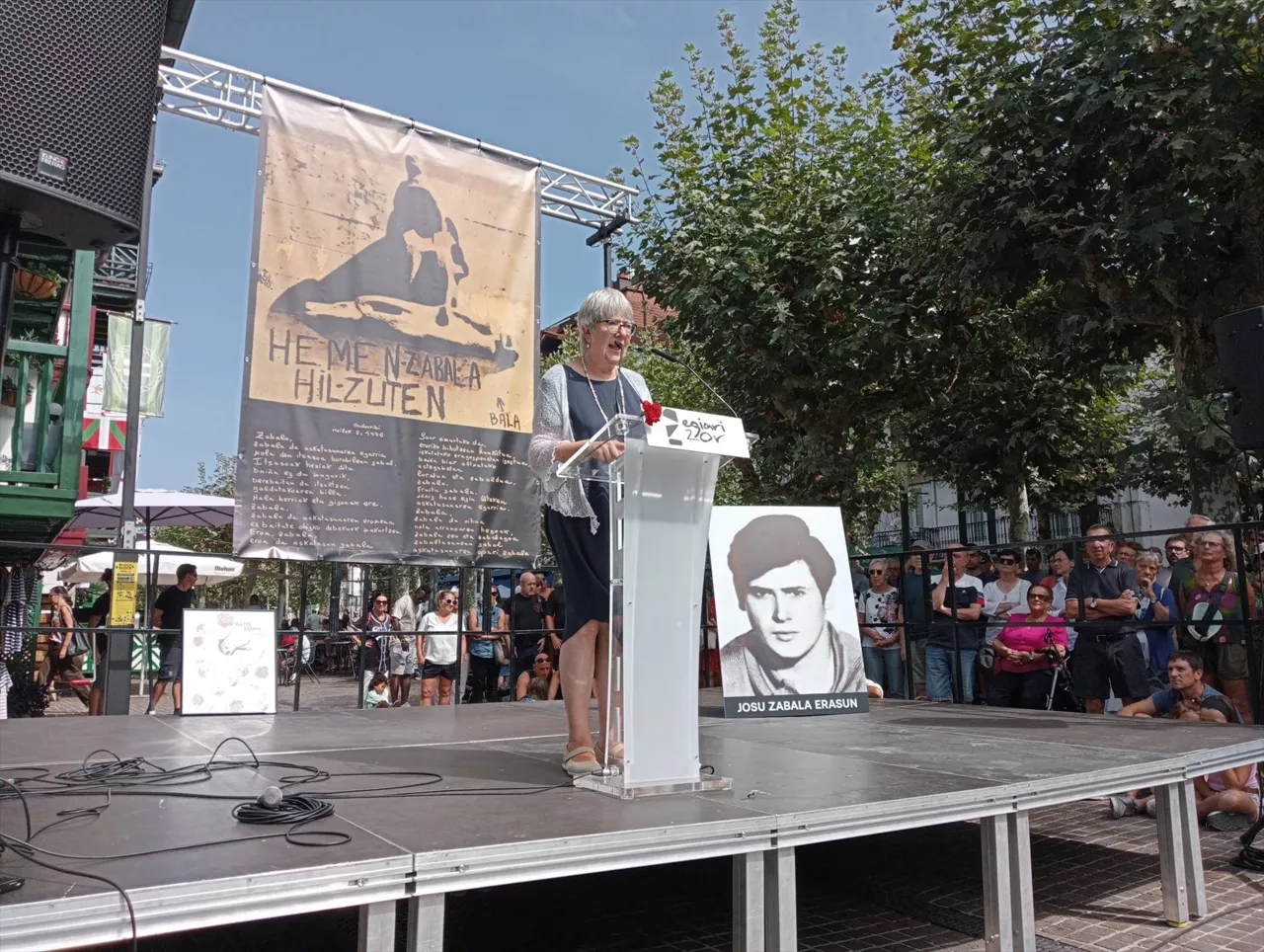
Josu Zabala Erasun was remembered in Hondarribia on the 50th anniversary of his death
Josu Zabala Erasun was shot dead by the Civil Guard in 1976 during a demonstration against the kidnapping of ETA member Eduardo Moreno Bergaretxe, 'Pertur'.
September 5th has been declared Local Democratic Memory Day in Irun
The Irun City Council has declared 5 September as Local Democratic Memory Day, with the support of all the political groups of the City Council, which today commemorated all the Iranians who suffered a military coup, war and dictatorship.
It's 90 years since the bombing of Eibar
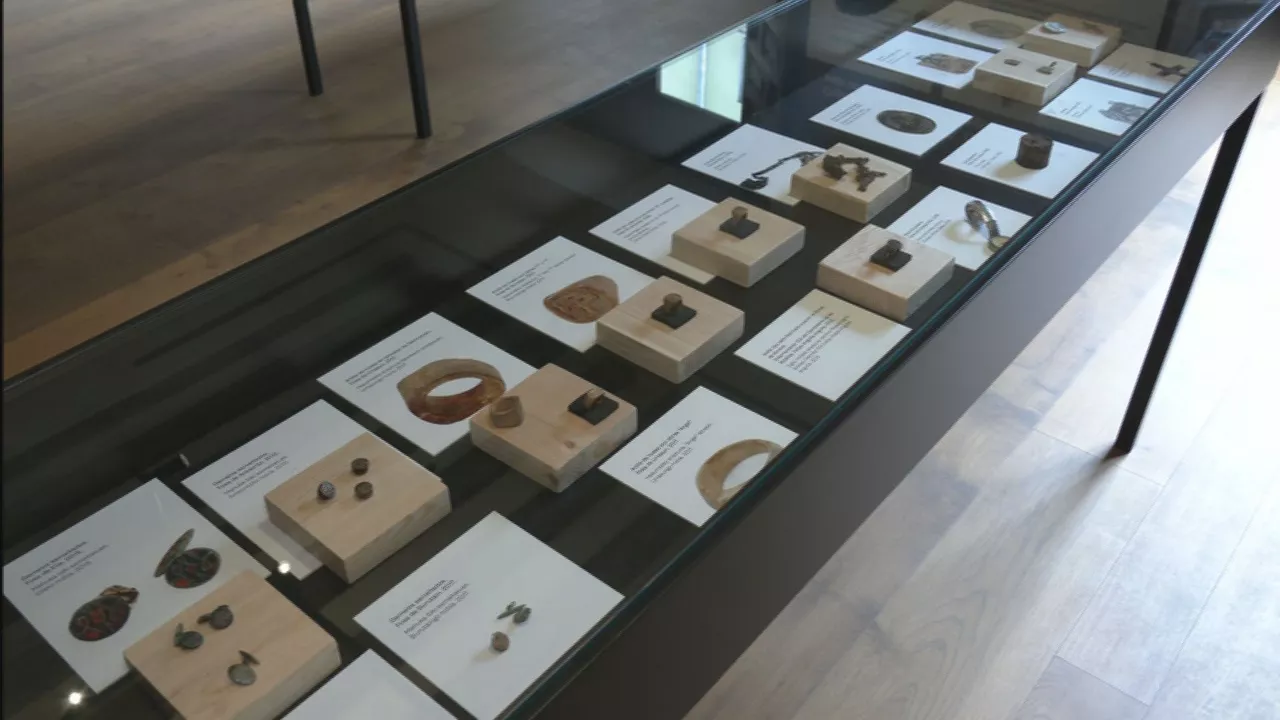
Navarre recovers the memory of the victims of Francoism in the exhibition "Memory of objects"
The exhibition collects objects recovered during prospecting and exhumation in mass graves in Navarre to make available to the public the history and memory of the victims of the Franco repression. En the renovated Palace of the Marquis de Rozalejo in the Old Town of Pamplona.
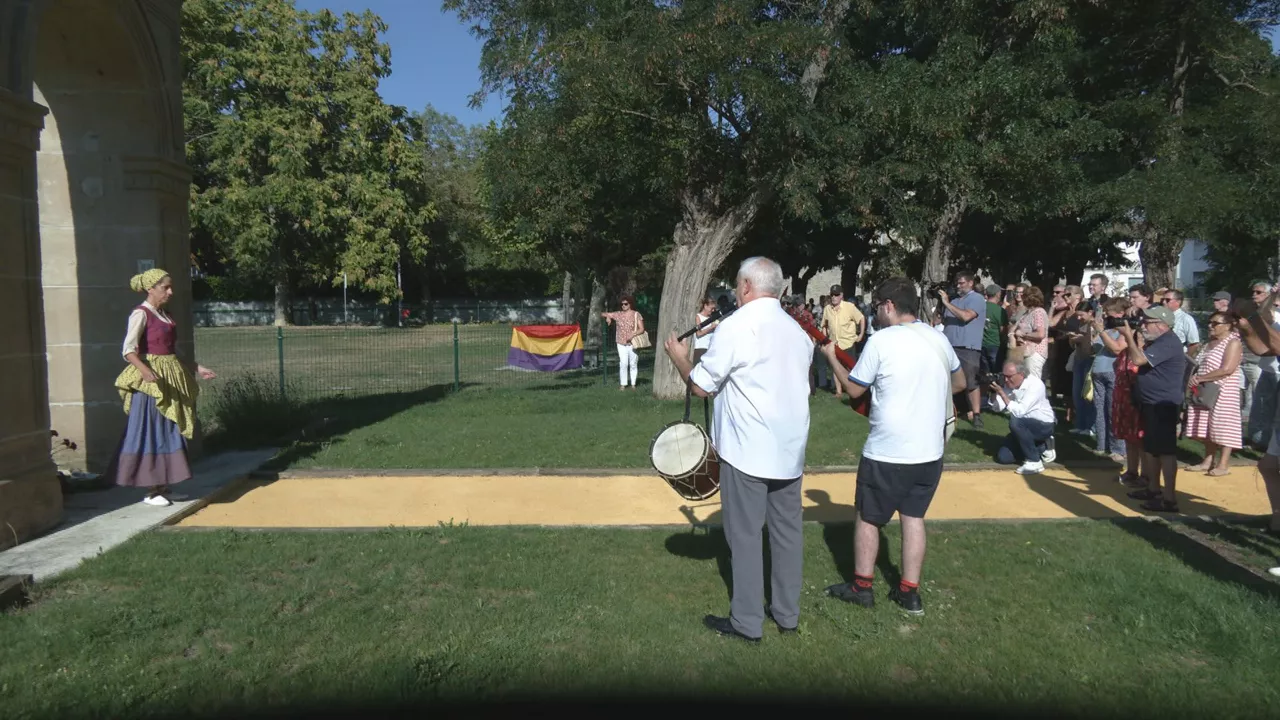
People shot in Valcaldera have been honored in Pamplona and Cadreita on their 90th birthday
In 1936, the military authorities released 52 Republican prisoners from Pamplona prison on the pretext that they would be released, but killed them. Nine decades later, their remains are unknown.
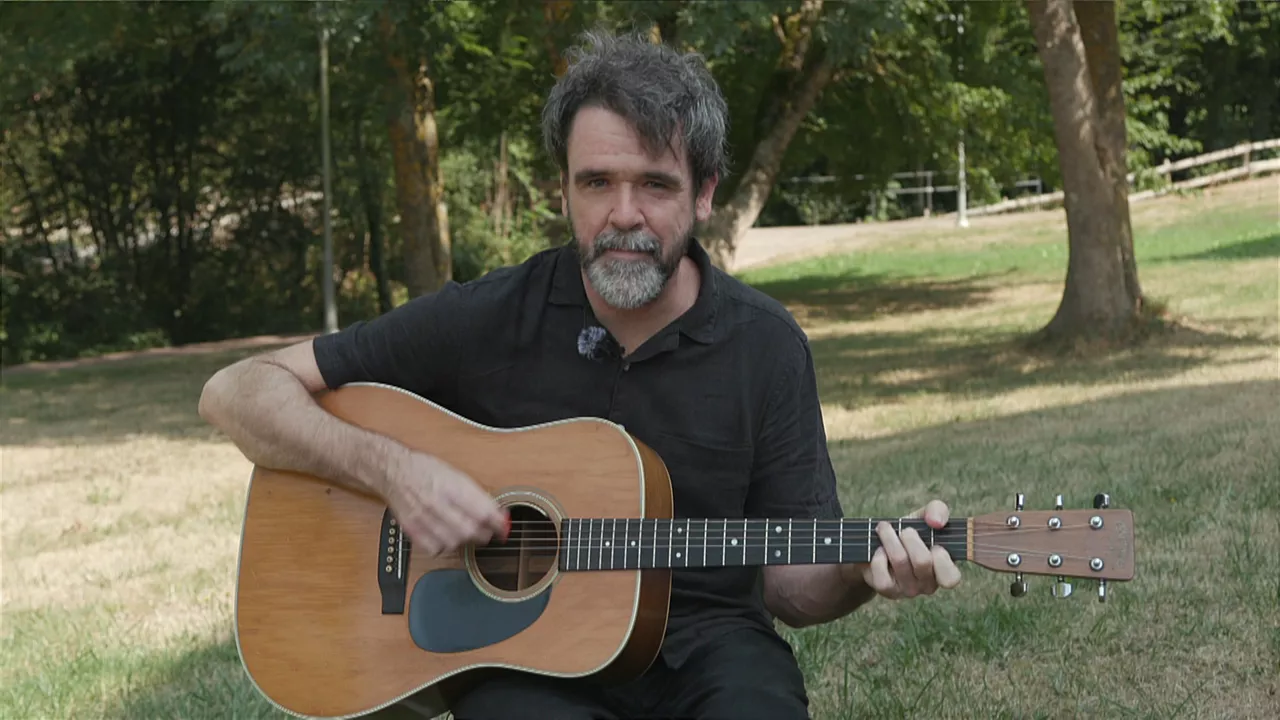
Maravillas Lamberto, 90 years later: a memory that survives thanks to music
His story illustrates the terrible repression that took place in Navarre after the military coup of 36. His case has become a symbol of barbarism and his memory has been kept alive by songs by, among others, Berri Txarrak.
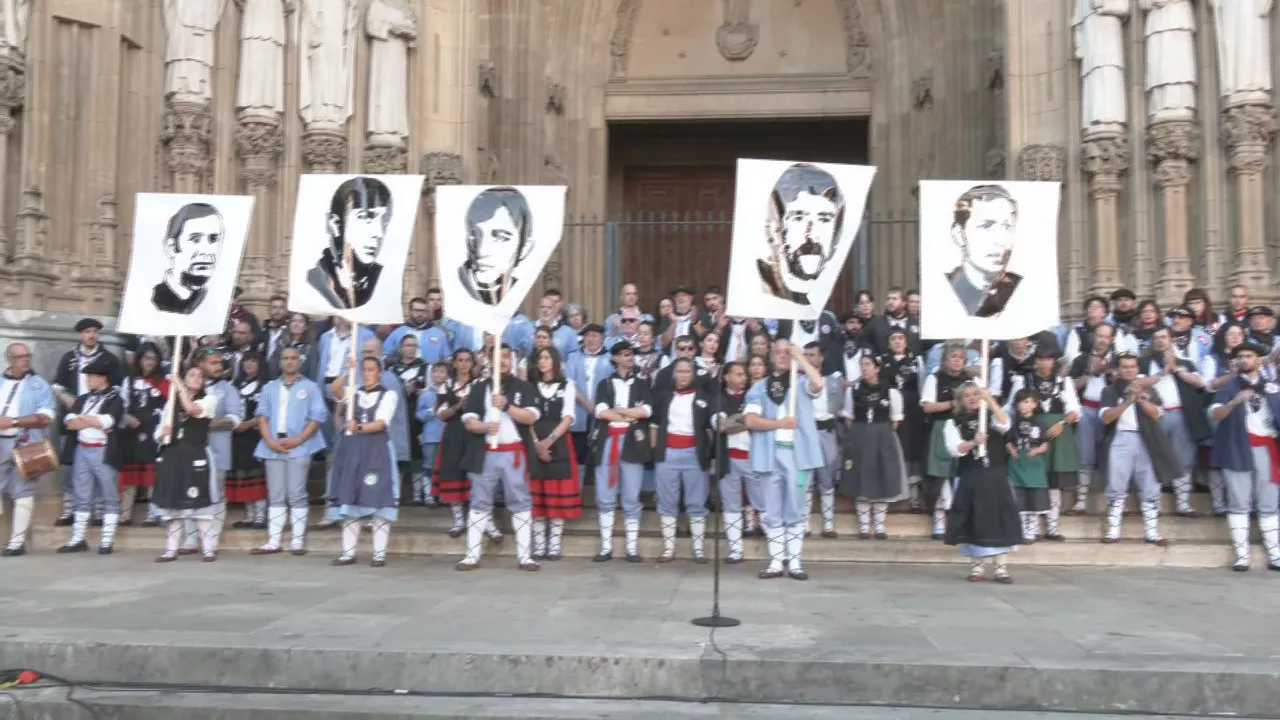
In memory of the victims of March 3, the blouses and girls wore black handkerchiefs
As part of the Festivities and Memory initiative, the five workers and hundreds of wounded in the March 3 massacre were remembered today at the festivities of the White Virgin of Vitoria-Gasteiz. Crowds gathered at the memorial event held at the gates of the New Cathedral, which was also attended by President Imanol Pradales.
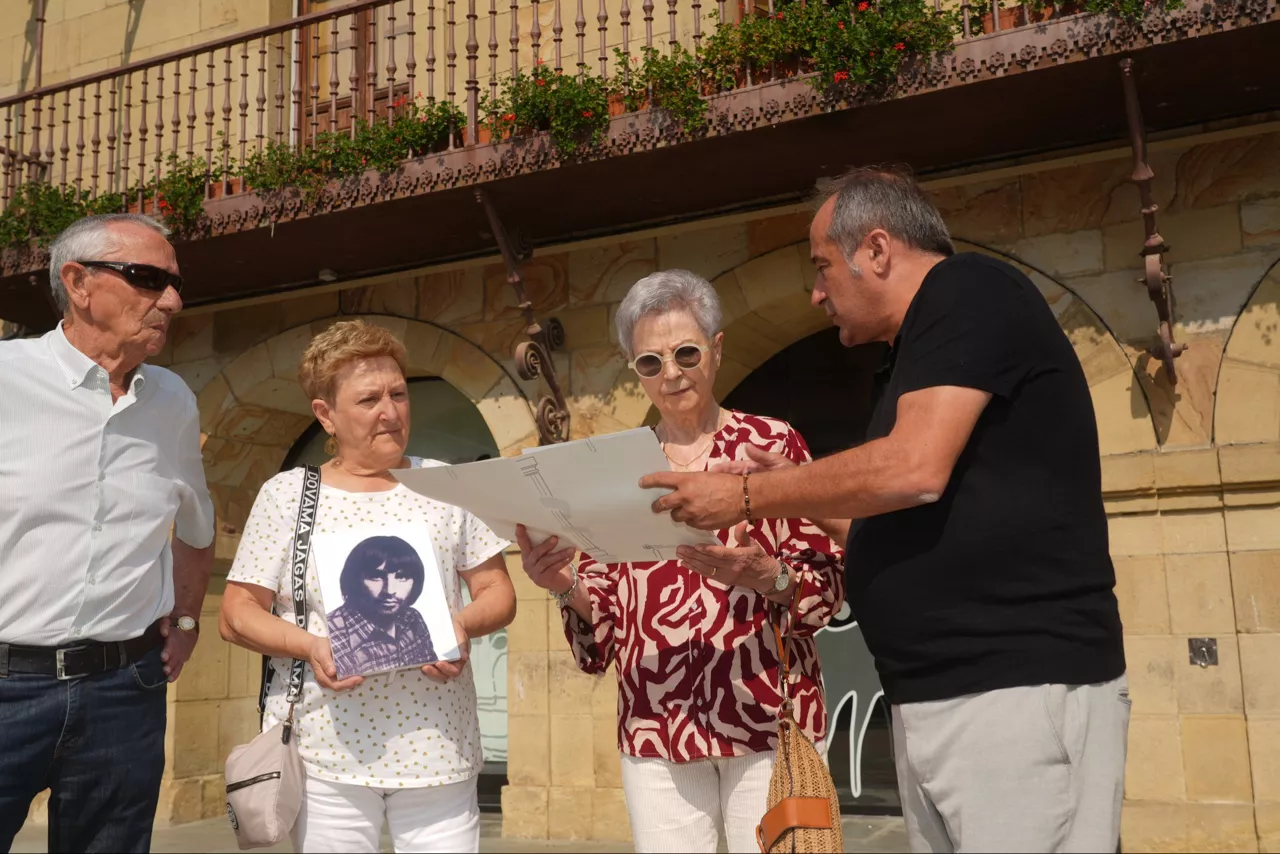
The Spanish Government recognizes Josu Mujika as a victim and declares the sentences handed down against him illegal
Mujika was shot dead 51 years ago by the Armed Police in an operation against ETA members in Madrid.
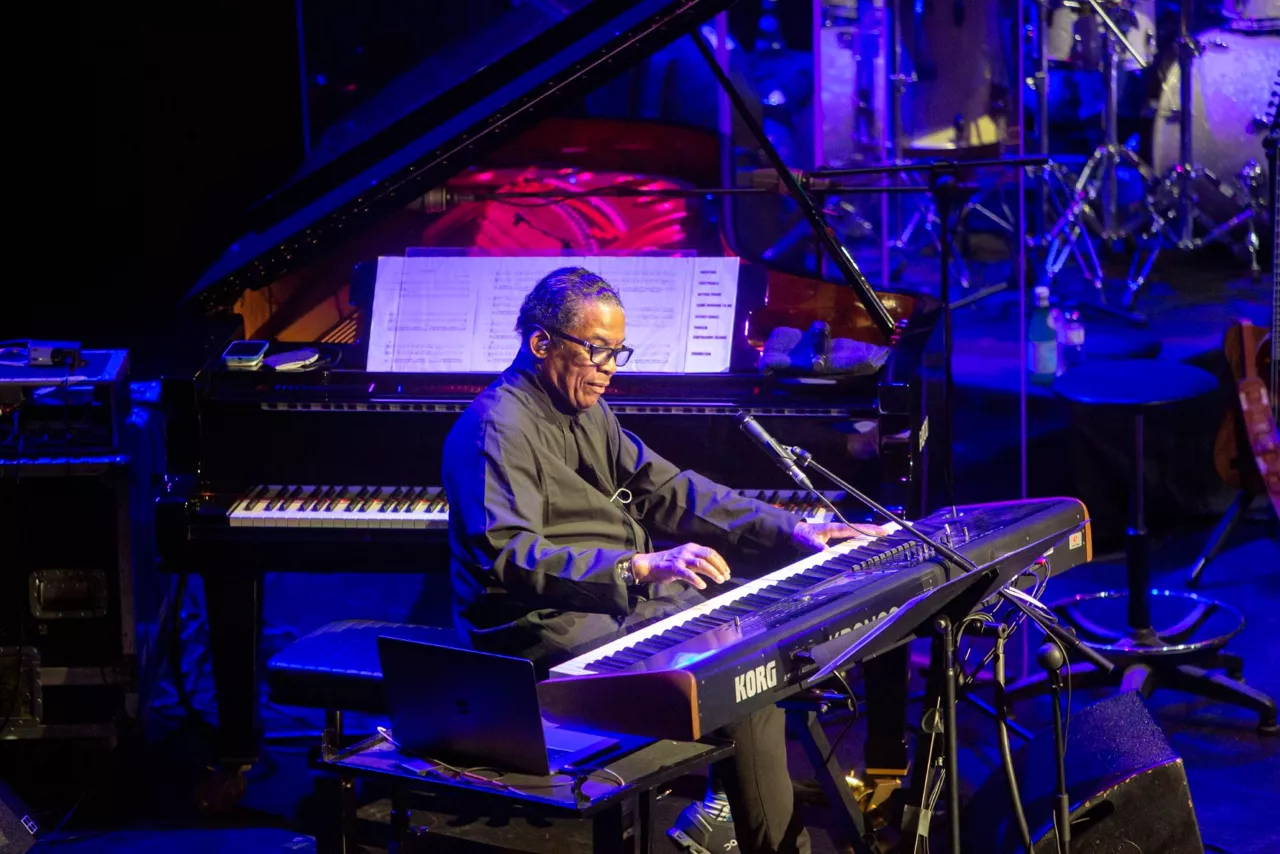
There will be news of the start of the Jazz Festival, the yellow warning for high temperatures and the 90th anniversary of the bombing of Otxandio
In two words, a summary of what will be news of the Present today.
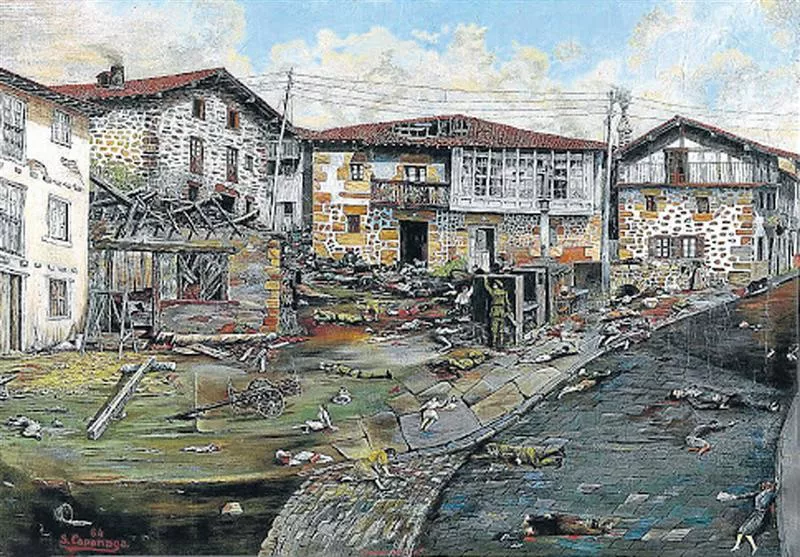
The 61 killed in the Franco bombing of Otxandio will be remembered today on the 90th anniversary of the massacre
While celebrating the Santa Marina festivities in the village's Andikona Square, neighbours 61 were killed in a Franco attack, the first air strike against civilians in the Basque Country.

Mayors 50 years ago say that the Basque Country has not yet achieved its objectives
The mayors have recalled the historic day they lived in Bergara in 1976, and have returned to the scene of the event with excitement and enthusiasm, commemorating a milestone in the history of Euskal Herria. They have highlighted the achievements of that time and have been hopeful for the future.
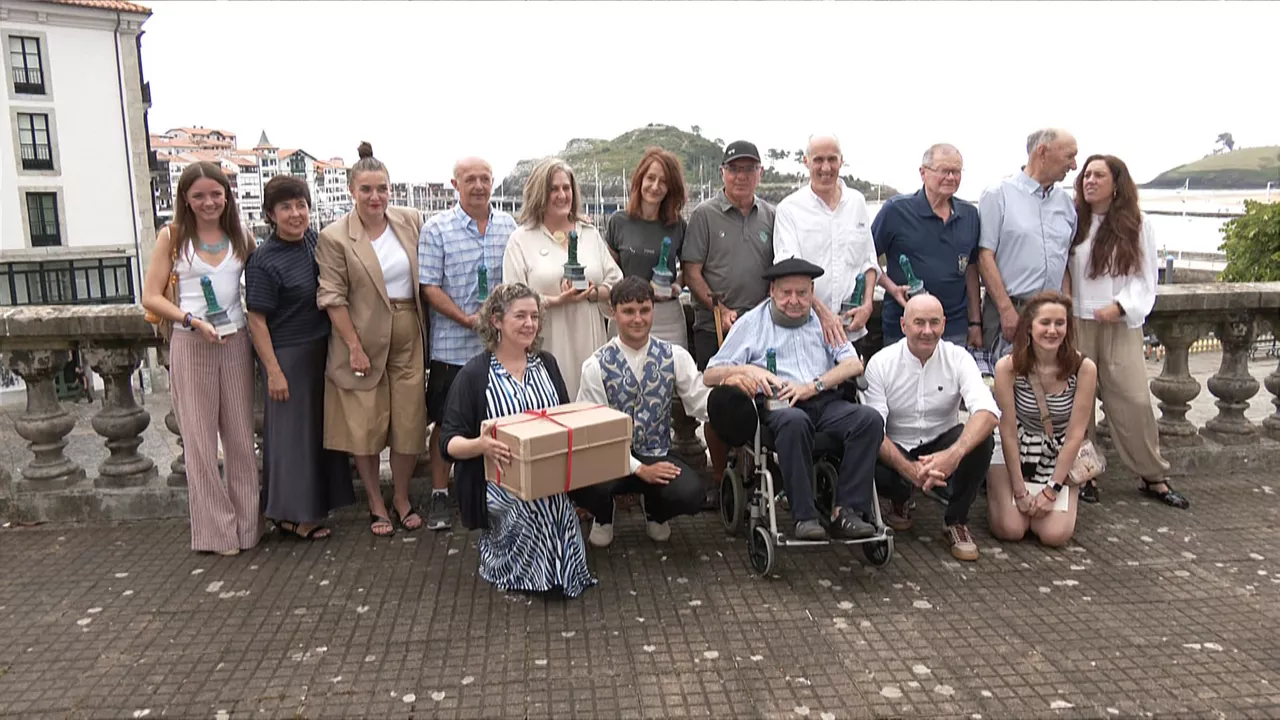
They paid tribute in Lekeitio to the Ordorika family and the sailors on board the Vita
The captain and several sailors were of Lekeitio origin and have been honoured in the village. Ordorika family had to go into exile and in Mexico, among others, they have kept Captain Jose's notebook and letters of navigation in a box and now they are in the hands of the Historical Archive of the Basque Country because they are part of the memory.