
Rosa Zarra and the four people killed in the Pasaia ambush have been recognized as victims of police violence
The Valuation Commission considers it "urgent" to extend the time limits for applications, "so that no one is left out" and to reform the law "in a slower time."

Stock image of a rally to remember the victims of the Pasaia ambush. Photo: EFE

The Assessment Commission for the Recognition and Reparation of Victims of Human Rights Violations in the Context of Politically Motivated Violence in the Basque Country between 1978 and 1999 has recognized Rosa Zarra, a Donostiarra who died in 1995, eight days after she was hit in the stomach by a rubber ball fired by the Ertzaintza, and the four people killed by police fire in 1984.
The President of the Commission for the Assessment of Human Rights Violations by the Police and Para-police Forces created by Law 12/2016, Juana Balmaseda, and the Vice-President, Jon Mirena Landa, presented to the Committee on Justice and Human Rights on Wednesday the fifth annual report of the Assessment Commission known as "police abuses" in the Basque Parliament.
With regard to the four persons killed in the ambush of Pasajes, Rafael Delas, Pedro María Isart, José María Izura and Dionisio Aizpuru, Jon Landa has stated that the commission has concluded that this was "an extrajudicial execution, as the judicial process admits" and that "police action was not entirely necessary." "There has been no effective, independent and transparent investigation, so the truth has been avoided."
Rosa Zarra died from the impact of a rubber ball, and Juana Balmaseda has stated that "since no investigation has been carried out, it has not been possible to ascertain judicially how force was used to properly judge its necessity and proportionality."
However, the Commission concludes that "within the framework of the non-legal/criminal jurisdiction determined by law, there is a sufficient and different standard of probability for establishing a causal relationship of recognition of the facts as a violation of human rights".
The Commission considers that "the absence of effective investigations, that is, actions that have helped to shed light on the facts, are sufficient grounds for declaring Rosa Zarra a victim of human rights violations, in particular the right to life in its procedural dimension".
You might like
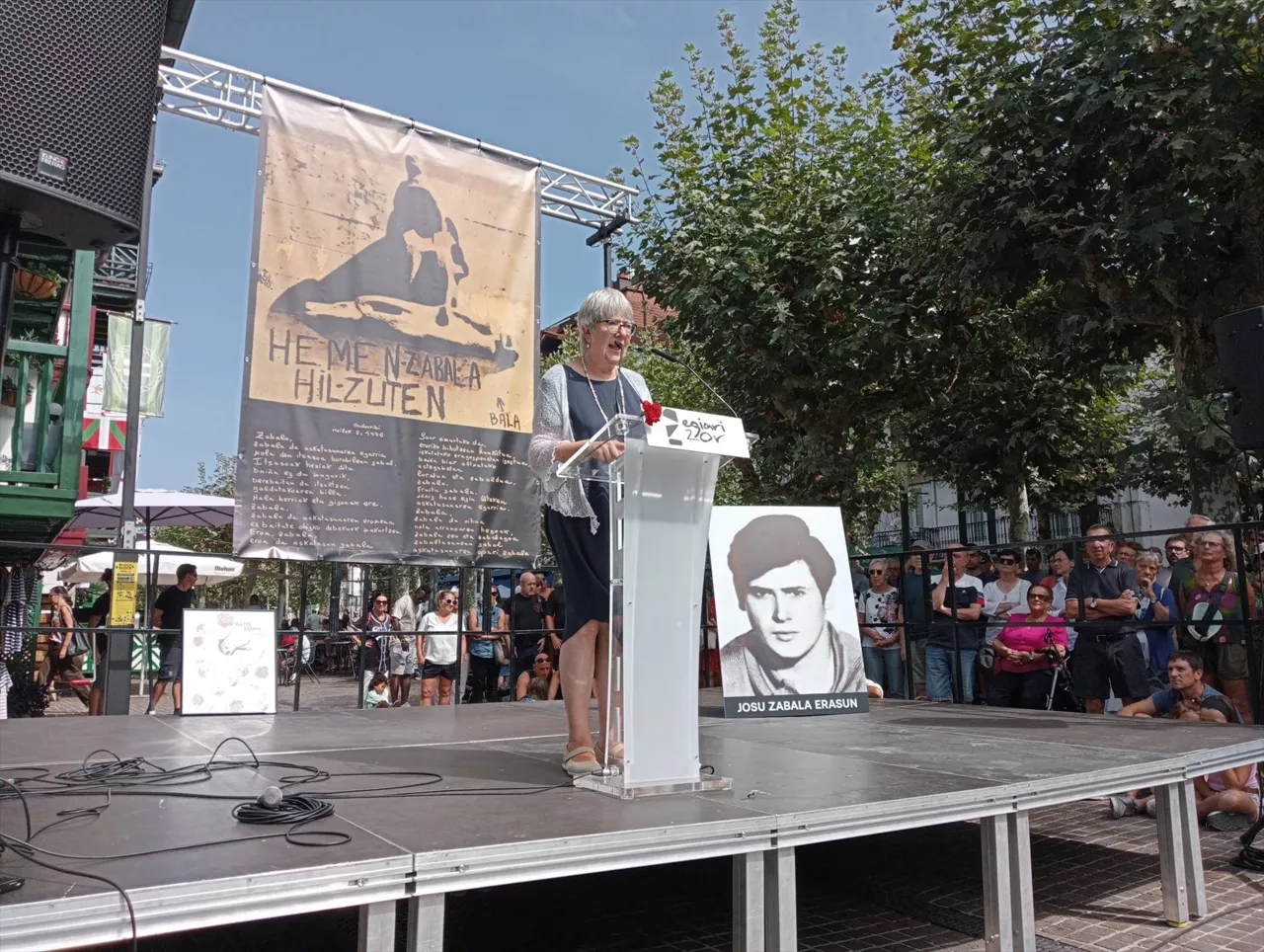
Josu Zabala Erasun was remembered in Hondarribia on the 50th anniversary of his death
Josu Zabala Erasun was shot dead by the Civil Guard in 1976 during a demonstration against the kidnapping of ETA member Eduardo Moreno Bergaretxe, 'Pertur'.
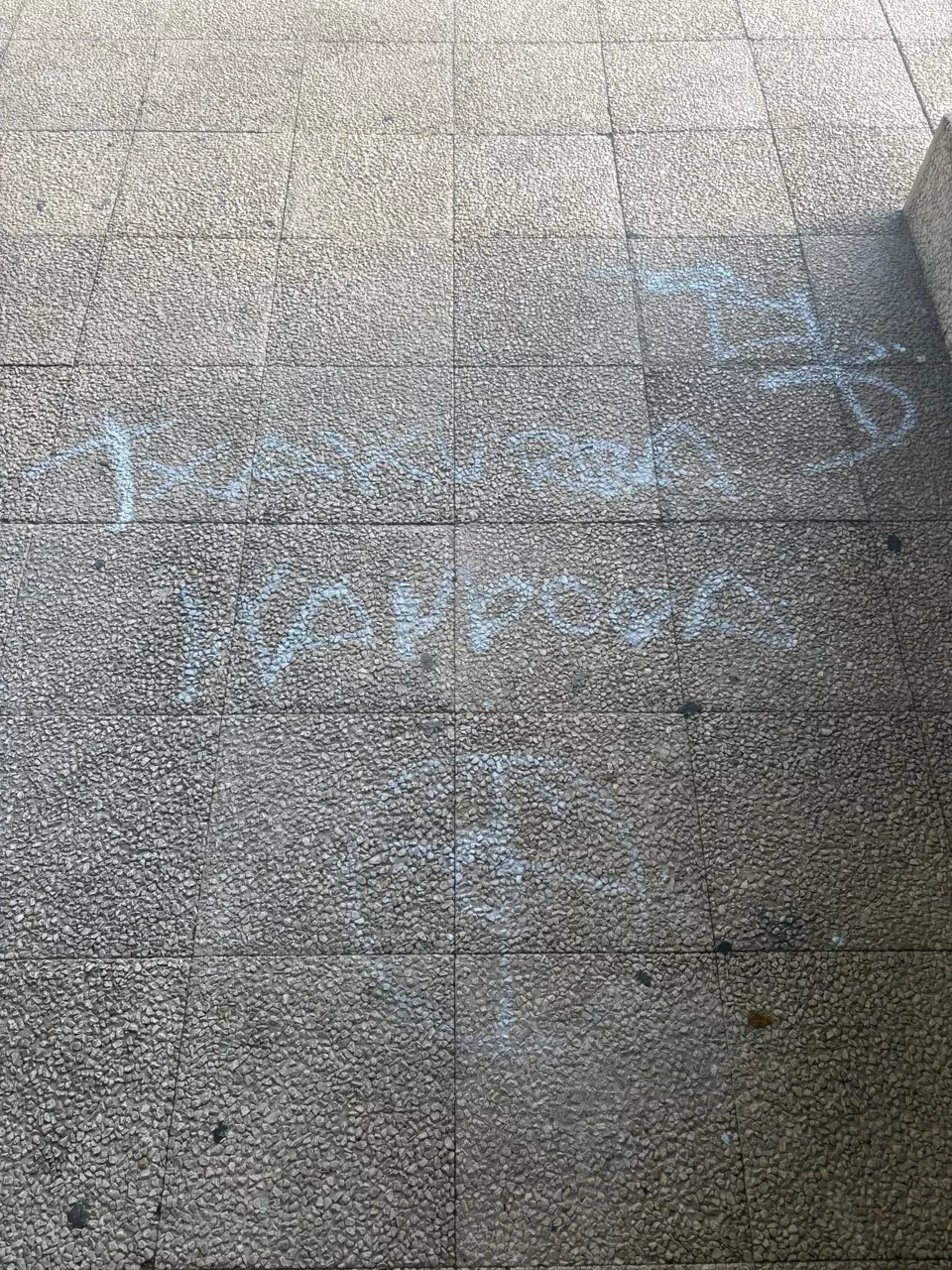
A painting against an ertzaina appears near his home in Vitoria-Gasteiz
The Department of Safety and Security has condemned "the threats and threats to the police, which recall past times and attack not only the said officer and the Ertzaintza, but also the foundations of democracy and coexistence".
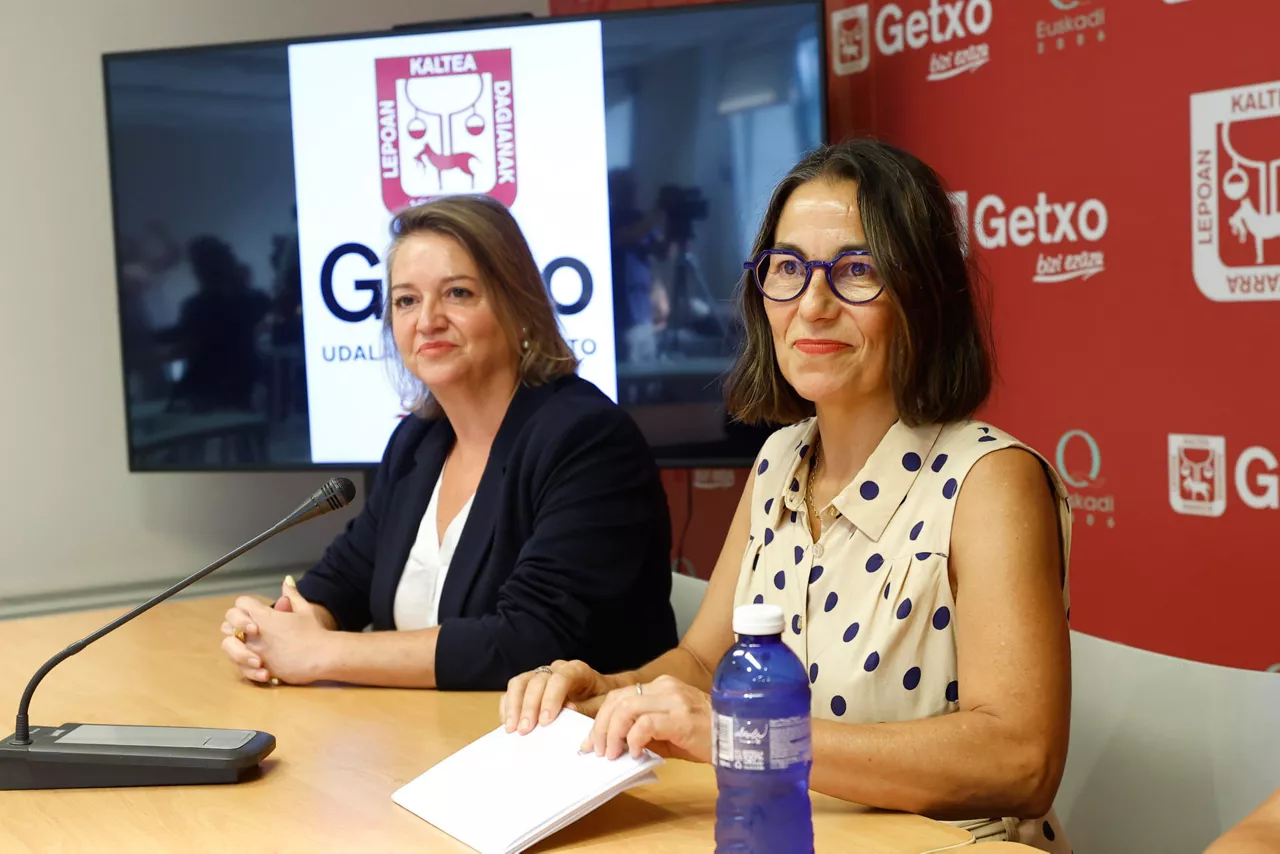
Agirre has called for a "public repair" of Irura's Bat Palace on the grounds that "progress" is not enough
According to the mayor, for months the debate has gone beyond the legal issue, with very serious accusations being made against the people affected and against the PNV, so he has clearly said that it is not enough to leave what happened behind.
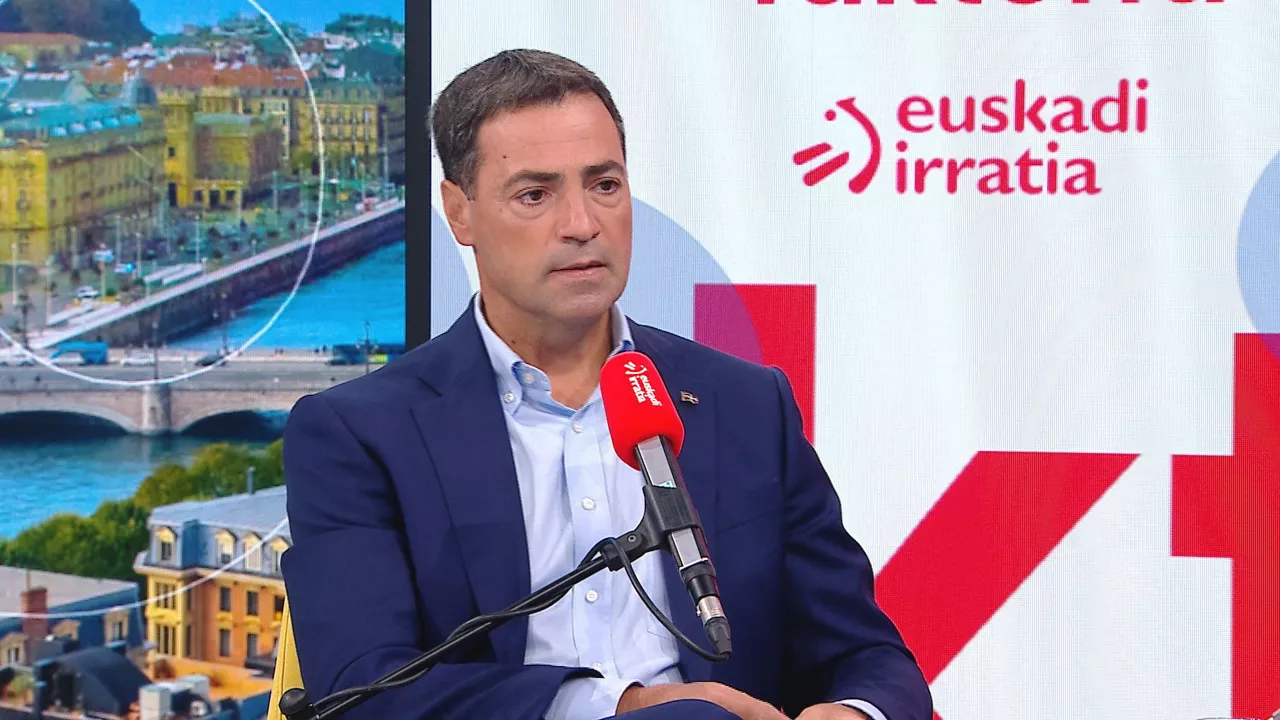
The President has assured us that there is no organized crime in the Basque Country today
Interviewed in the Faktoria programme of Euskadi Irratia, the President of the Basque Government, Imanol Pradales, has pointed out that the murders of recent years are mainly related to the deterioration of personal relations caused by drugs, addictions or gender-based violence, and has stressed that there is currently no organized crime in the Basque Country.
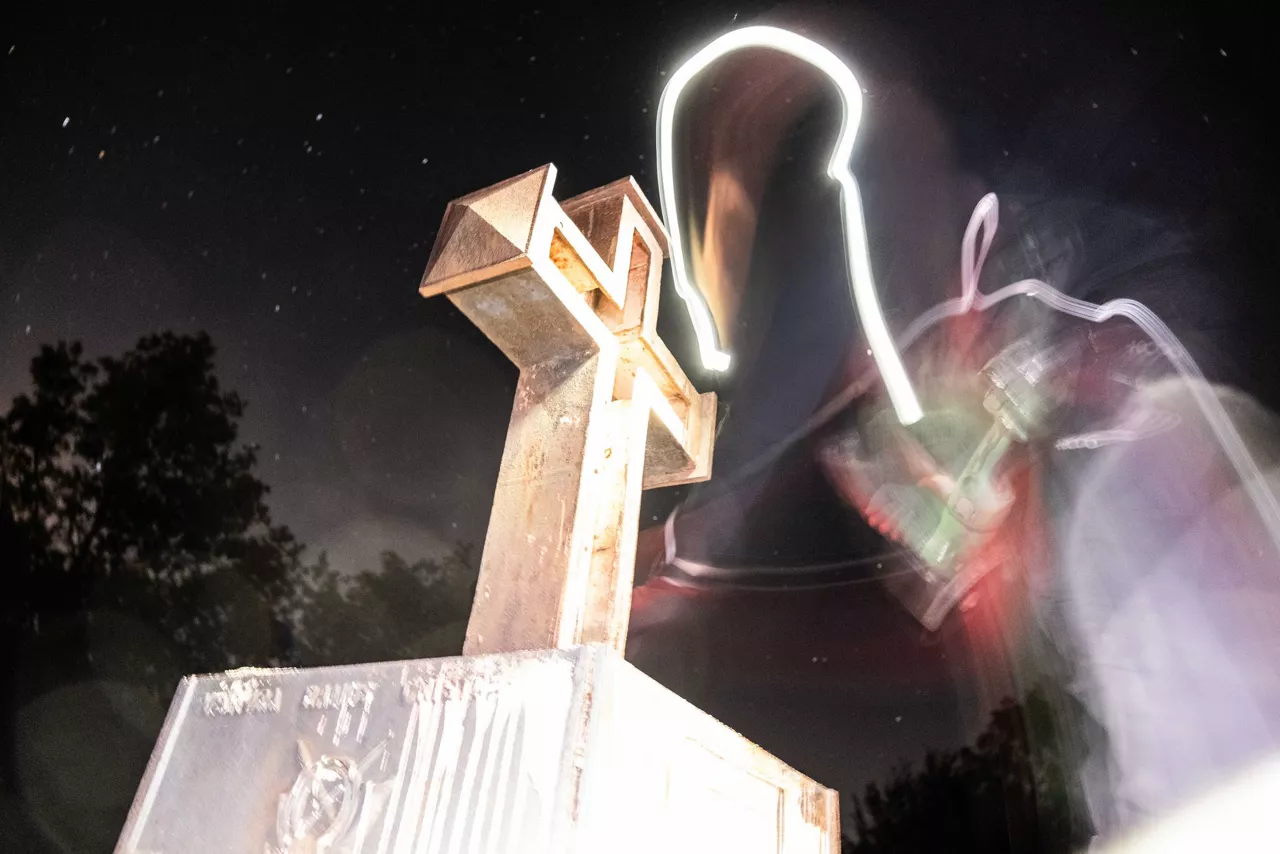
Ernai launches the Francoist cross of Mount Isuskitza
Ernai has shot down and videotaped the 1940 cross on Mount Isuskitza (Álava) in memory of the Franco requetés. The youth organization has claimed that fascism has no place in our country and has called for participation in the demonstration that will take place on 13 September in San Sebastian.
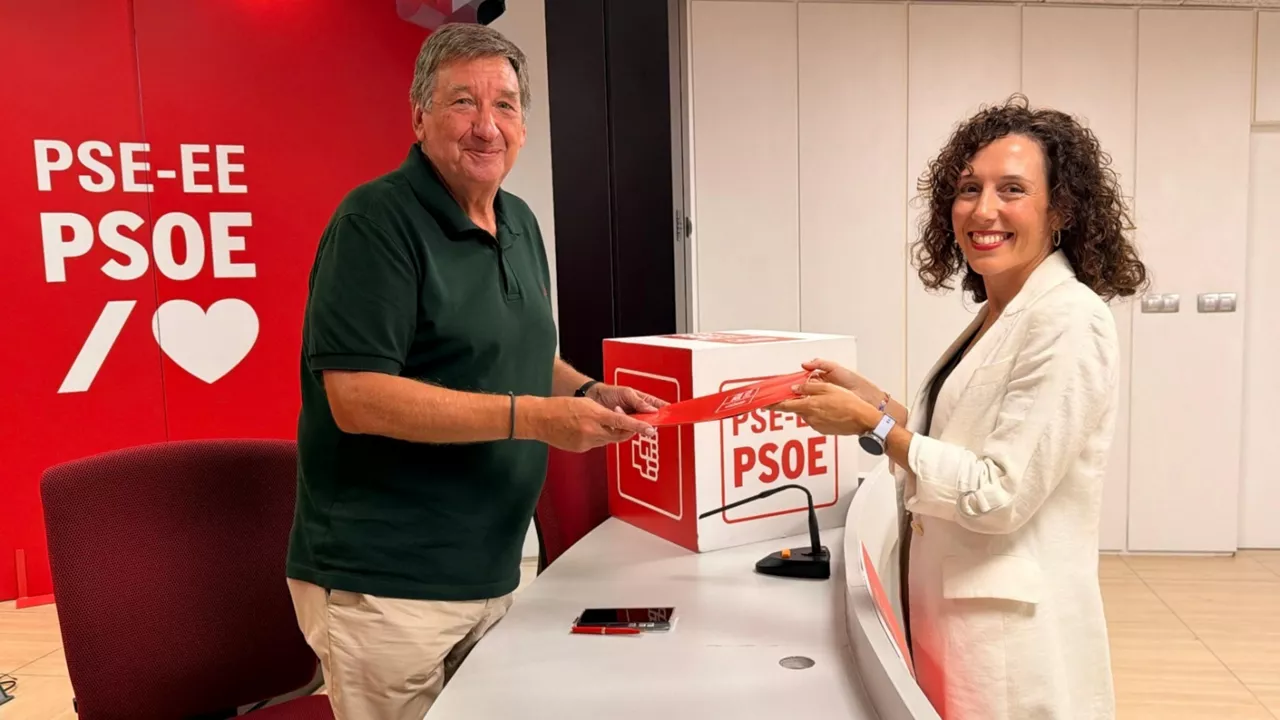
Nora Abete (PSE-EE) presents her candidacy for mayor of Bilbao
The current deputy mayor of the Bilbao City Council and spokesperson for the PSE-EE has explained that his candidacy stems from "proximity, listening and decision-making."
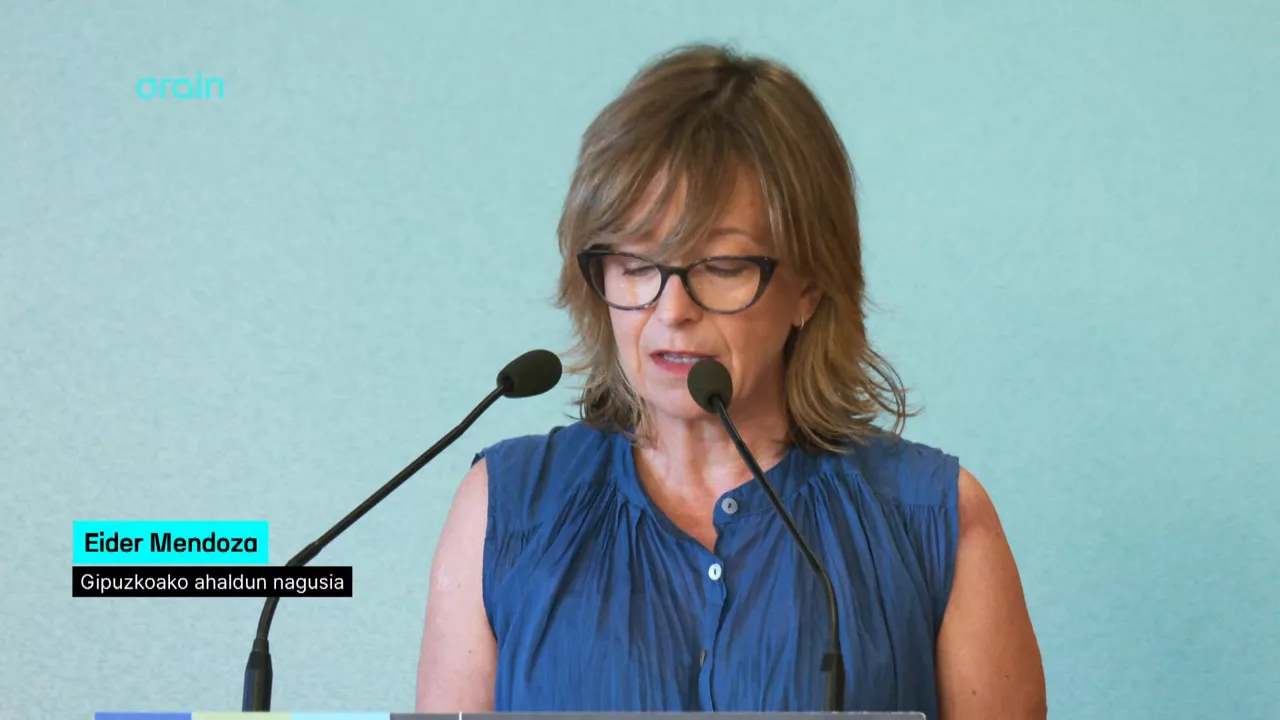
Gipuzkoa's Provincial Council will begin negotiating fiscal budgetary measures next week
Gipuzkoa MP Eider Mendoza has advanced her intention to start a round of talks with opposition groups to begin negotiations on the territory's budgets and some fiscal measures.
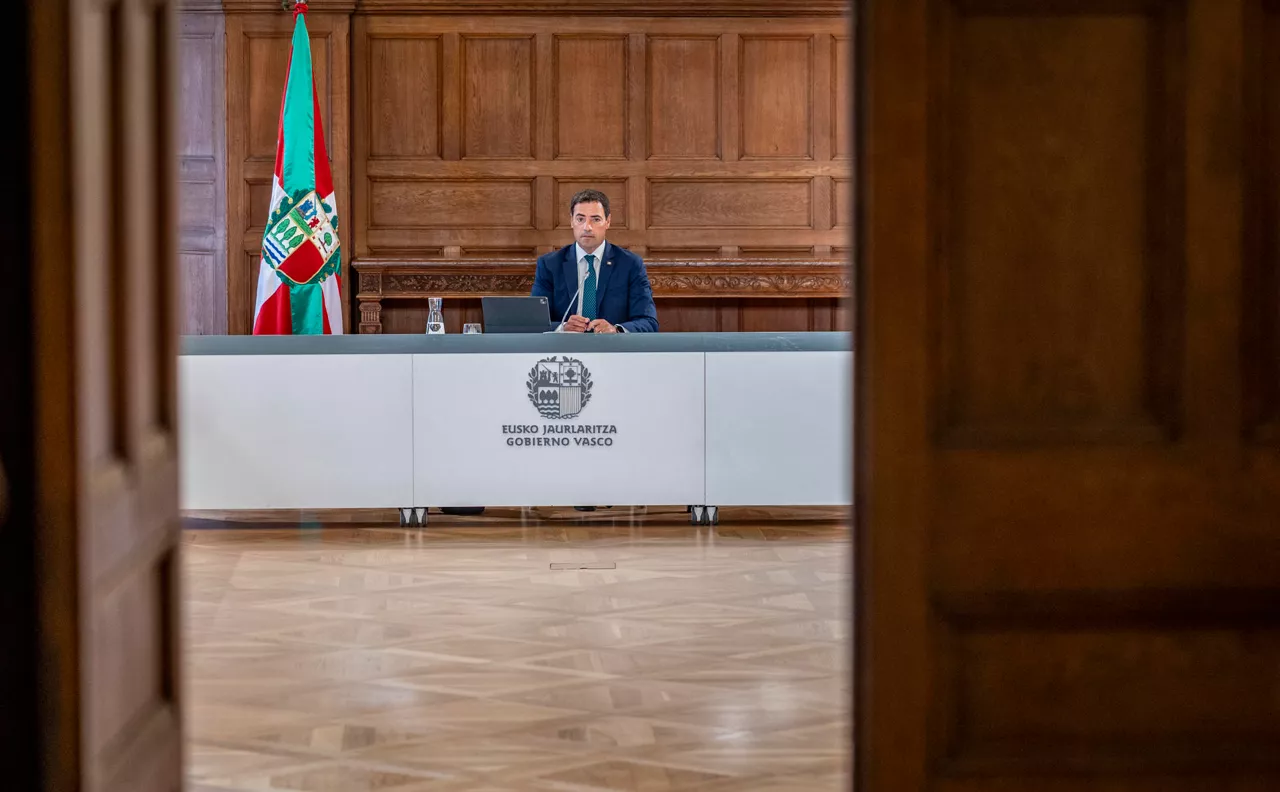
The President shall propose economic, self-government and housing agreements in his round of meetings with the parties and social partners
The meetings will take place from 8 to 15 September with the aim of strengthening dialogue and fostering partnerships in a context marked by international uncertainty and the electoral cycle of 2027.
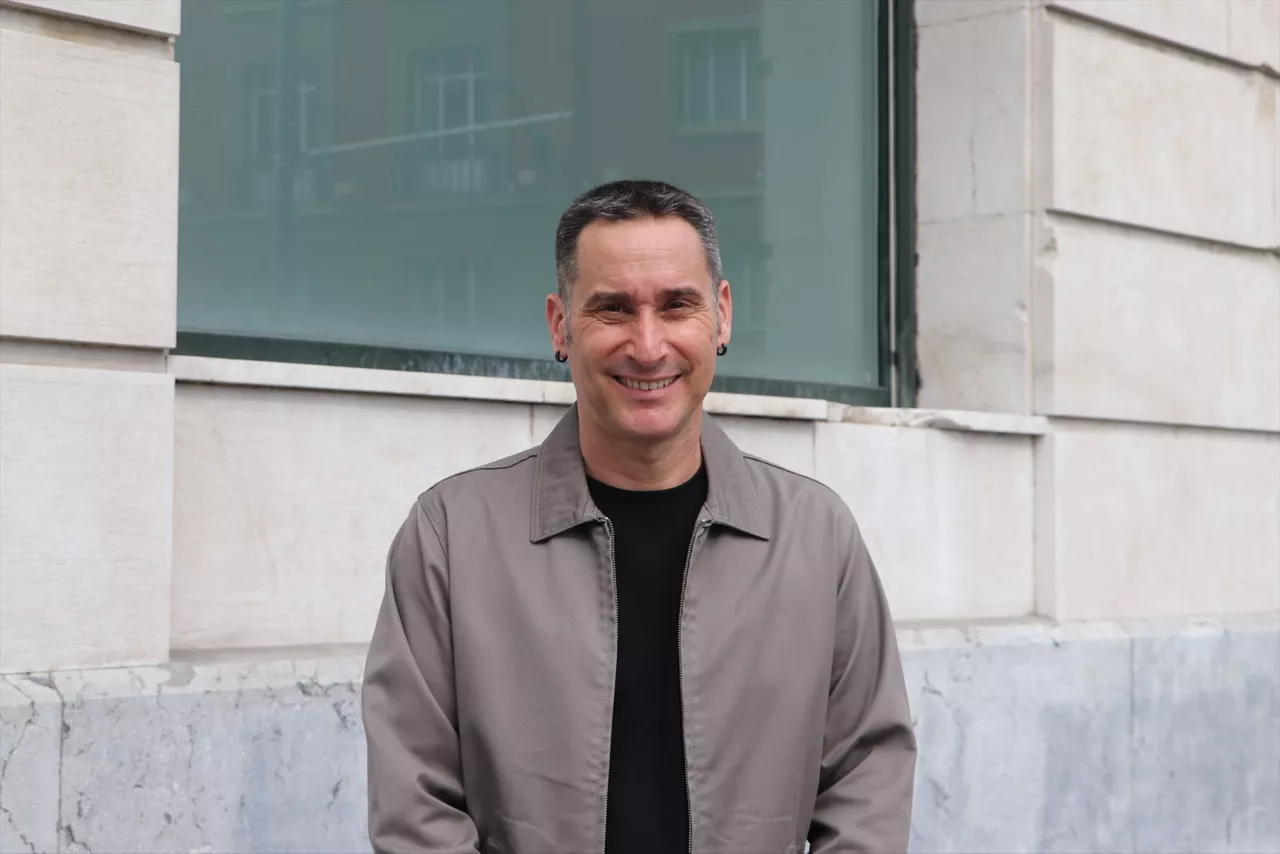
Iker Casanova will again be EH Bildu's candidate for Bizkaia's MP
EH Bildu's Bizkaia Political Bureau believes that baracaldés is the right person to represent the project of left-wing sovereignty.
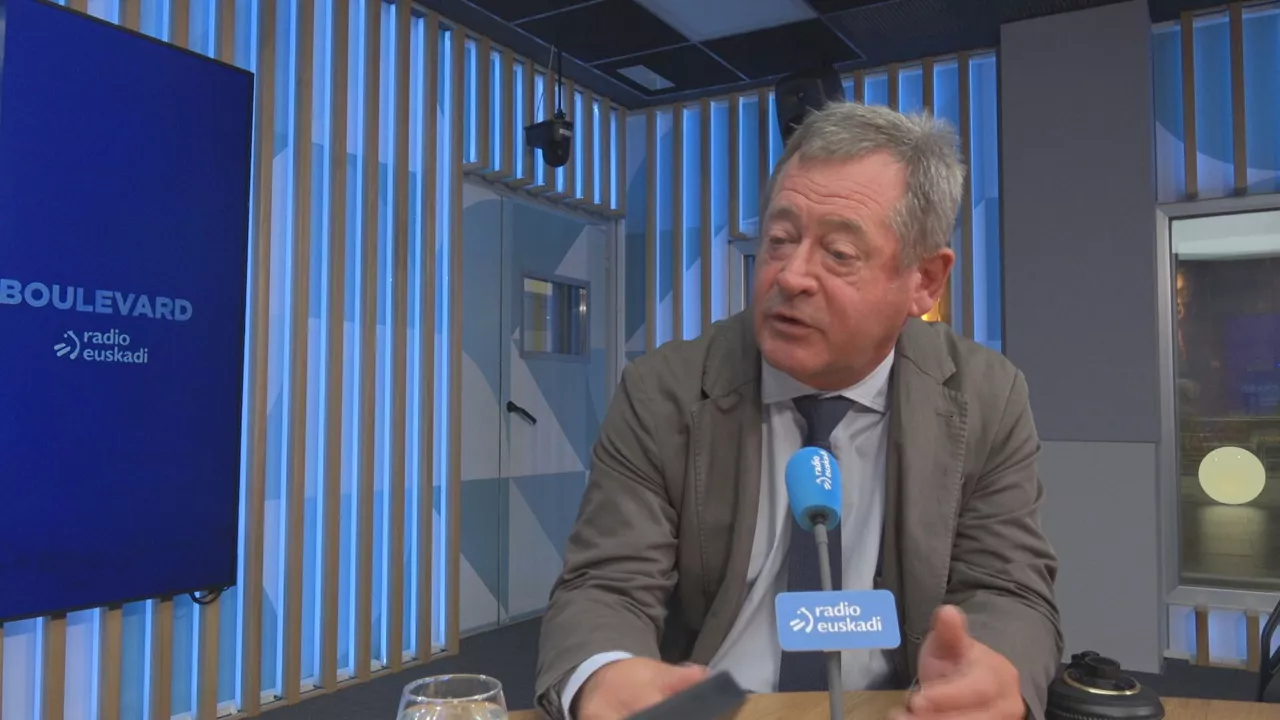
Zupiria believes that there is no political tint in the recent incidents between young people and the Ertzaintza
The Security Adviser of the Basque Government, Bingen Zupiria, has linked the incidents to young men, the consumption of alcohol and other substances and the "disinhibition" of night leisure. Asked about Ceuta, he regretted that Morocco was not asked to "assume its responsibility".