Amnesty International calls on CAF to abandon the Jerusalem light train project
The NGO has reported that the expansion of tram lines contributes to the consolidation of illegal Israeli settlements and the annexation of East Jerusalem.


Amnesty International increases pressure on CAF for its participation in the Jerusalem light train project. The human rights organization calls on the company based inBeasain to immediately suspend its participation in the expansion of the rail network, considering that it facilitates the consolidation of illegal Israeli settlements and the occupation of East Jerusalem.
CAF has been working until the beginning of this year on the expansion of the Red Line connecting Jerusalem to the Neve Yaakov colony and is currently participating in the construction of the Green Line to connect the settlement of Gilo with 30,000 residents to the Hebrew University on Mount Scopus. According to Amnesty International, this project "integrates illegal settlements in Israel, facilitates economic sustainability and strengthens the annexation of East Jerusalemagainst international law ".
The NGO recalls that since 2019 it has "repeatedly" called on CAF shareholders, including the Basque Government and Kutxabank, to demand that the company fulfil its human rights responsibilities and withdraw the project responsibly. It also calls for the company to be vetoed from participating in trade fairs or public contracts until it proves that it does not contribute to "Israel's apartheid and illegal occupation of Palestinian territory."
Amnesty International has joined this report on the first anniversary of the UN resolution calling for an end to the occupation of the Palestinian territory of Israel and has recalled that in these twelve months "most Member States "have not put enough pressure on the Israeli Government.
You might like

Glovo is accused of having kept the company's distributors working on the streets during the October 3 storm
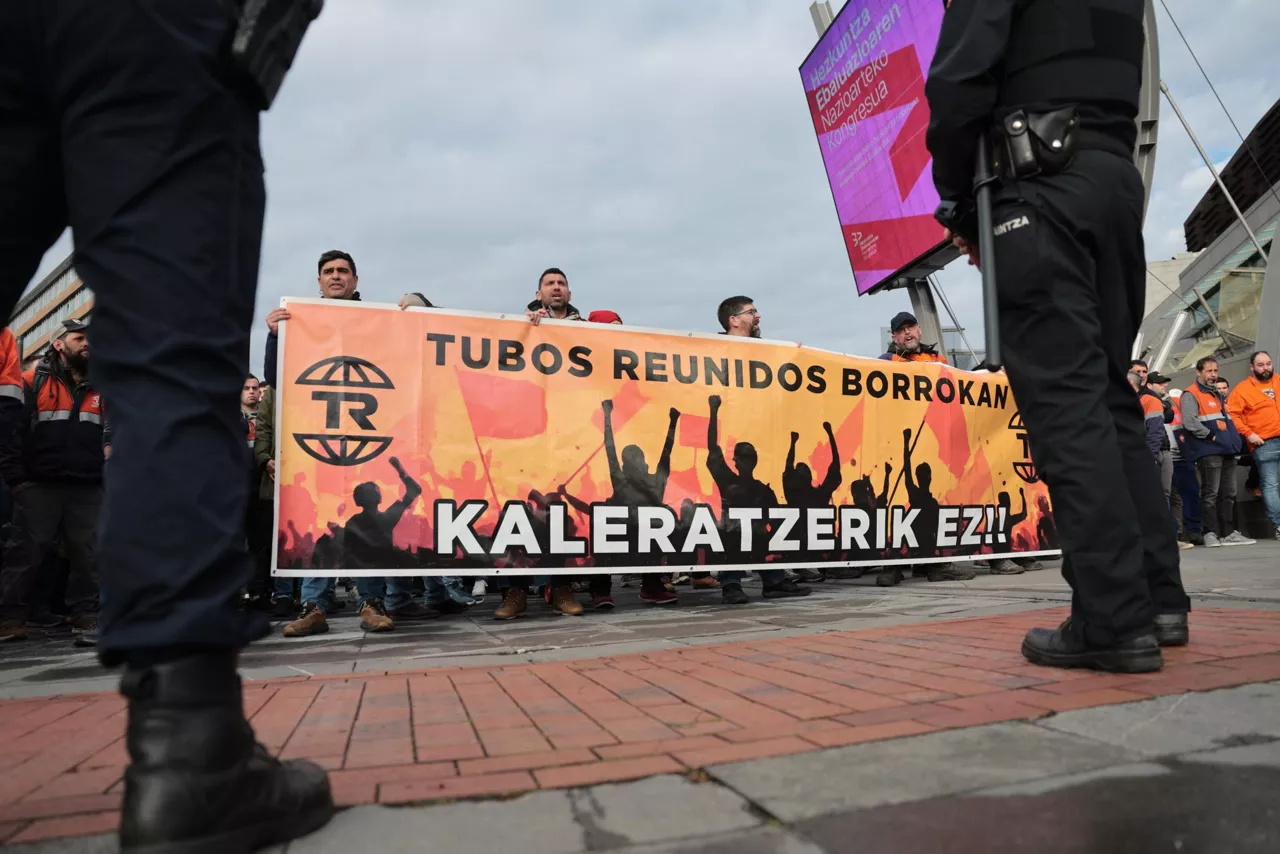
The five investors interested in buying Tubos Reunion will meet with the unions next week

ELA and LAB demand "more leadership" from the government to convene employers to negotiate their own SMI

SpaceX and Tesla are considering merging to create a tech giant backed by Elon Musk
Wine unions announce mobilizations in Rioja Alavesa in search of an agreement

There will be news: the lehendakari meeting with ELA and LAB, the cold front and protests in France

Denis Itxaso advocates new measures to rent empty homes

The average income in the Basque Country increased by 7.2% in 2024, to 28,170 euros

LAB's General Coordinator calls for participation in the November 11 general strike to channel citizens "demands