This is the hottest summer recorded in the Basque Country since 1970
Average temperatures have been very warm, 3.2 ° C. June and July were the warmest since records were recorded, while August was the second warmest, only exceeded by 2003.


This summer has been at least the hottest since 1970, with average temperatures 3.2 ° C above the average for the normal period 1991-2020, as confirmed by the Basque Meteorology Agency, Euskalmet, which has described this summer as very hot and dry.
In June, July and August, temperatures have been higher than normal, the first two months being very hot, with anomalies of 3.7 ° C and 3.6 ° C respectively, both being the warmest since records were kept.
In August, temperatures were also high, with 2.4 ° C anomalies, and it was the second warmest August, after 2003.
Heat waves
In June, the warmth recorded between 21 and 27, the longest documented for June, and the second most intense for any period of the year since 1970, was particularly noticeable.
In this event, at many points on the Cantabrian side, 40 ° C was exceeded, and tropical and hot nights were recorded by several stations in the territory.
June 24 was one of the most marked days of summer, and the second warmest since at least 1970. Half of the stations in the Euskalmet network exceeded 40 ° C, and temperatures reached 44 ° C in Sodupe-Cadagua and Zizurkil.
In July there were also very hot days, and during the first fortnight there was a long period of heat, from 5 to 12 of the month, which extended to 15 on the Mediterranean side.
In this event, 40 ° C was again exceeded at some points on the Cantabrian and Mediterranean sides.
August, on the other hand, was a quieter but still very warm month. The most important incident took place between the 12th and 13th of the month and lasted until the 14th in Rioja Alavesa, with anomalies of 8-9 ° C or more. The 13th day was the warmest, with highs exceeding 40 ° C in the south-west of Álava.
Little rain
In terms of precipitation, the summer has generally been very dry, although the difference between the coastline (closer to normal values) and the interior (more pronounced deficit, with very dry summer in some regions) has been highlighted, with the Llanada Alavesa, Estribaciones del Gorbea, Valles Alaveses and Goierri being among the areas with the highest rainfall deficit.
The largest accumulations of rain have occurred in the north-east of Gipuzkoa and near the coast of Bizkaia, with more than 200 l/m² recorded in three stations: Añarbe (226), Oleta (208) and Ereñozu (204.4).
However, more than two-thirds of the stations have not reached 100 l/m², the lowest values being in Álava: Mirror (11.7), Nanclares (13.3), Zambrana (23), Salvatierra (23.4) and Abetxuko (24.9).
The number of rainy days has been much lower than usual, especially in the west and south, where it has been reduced by more than half.
Throughout the summer, five days have been counted with very large agglomerations (over 30 mm): 28 June, 25 July and 9, 20 and 23 August, including three days with accumulations of more than 60 mm: 28 June and 9 and 23 August.
The highest rainfall was associated with storms on certain days.
Three red alarms for high temperatures.
With regard to extreme meteorology, three red alarms were issued for extreme high temperatures; 22 orange alerts (9 for extreme high temperatures, 6 for persistent high temperatures and 7 for forest fire risk); and 75 yellow warnings (14 for heavy rainfall, 31 for extreme high temperatures, 15 for persistent high temperatures and 15 for forest fire risk).
You might like

The rains will keep the Mediterranean on alert over the weekend with several warnings still active

Thousands of people have taken to the streets to claim their right to decent housing

Junts' refusal has heightened tension in Sol, and housing platforms are talking about a general strike

Ten plans to enjoy October in the Basque Country. Who are you staying with?

Rain alert in the Peninsular East with more than 150 l/m² in Castellón

Sent to prison the young man who stabbed his classmate at a school in Pamplona

Several flights between Loiu and Barcelona have been cancelled due to the storm in the Mediterranean

"In spite of the good weather, the flu has the same characteristics as last year."
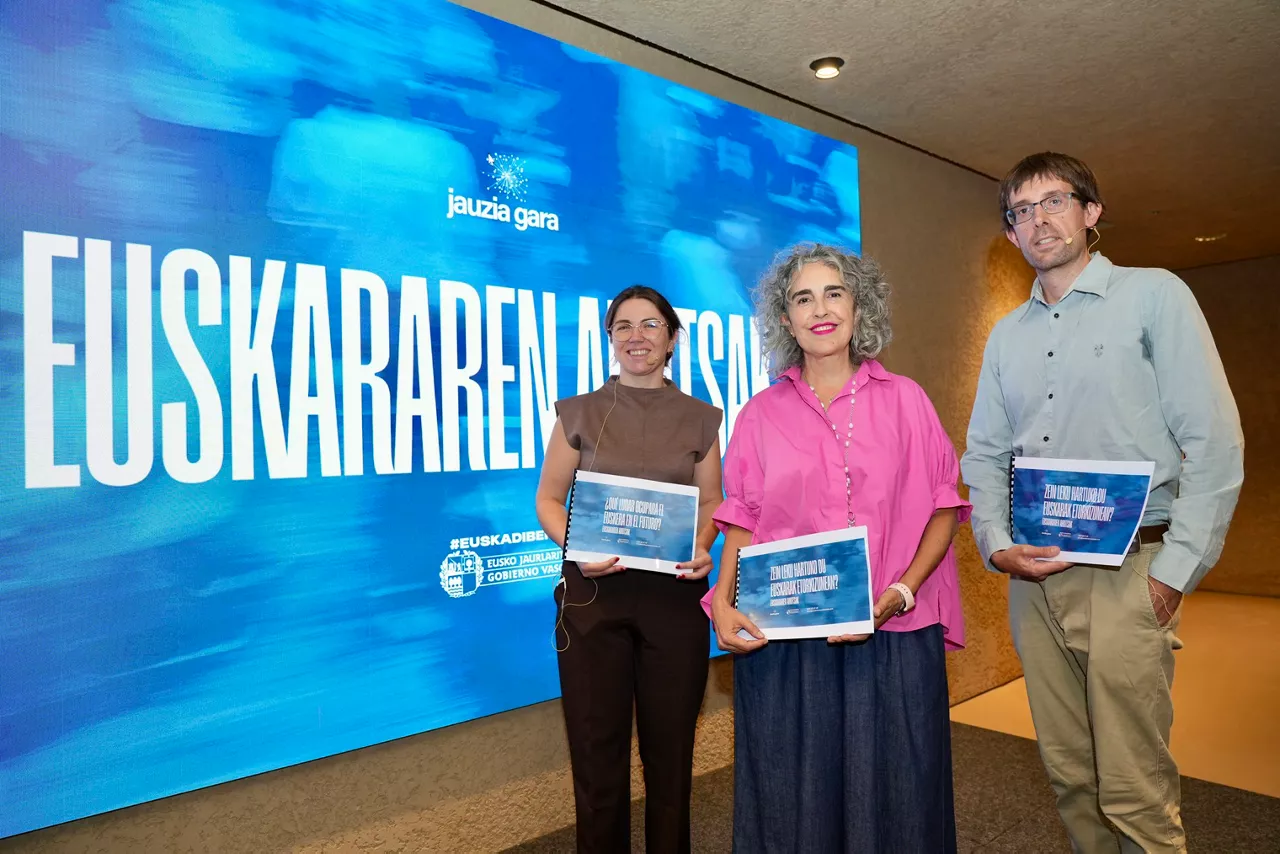
The Basque Government has initiated a listening process to better understand society's relationship with the Basque Country