Simulacro, this pain again


"Wounds always close," said filmmaker Nitya Lopez Saitua (Ibarangelu, 1996) in an interview on the Kultura.eus programme of Radio Euskadi, "but within it there is usually dirt, and you take it all your life," added the director of the film that melts the border between documentary simulacro and fiction.
Simulacro is a beautiful exercise to dive into the wound, test the pain and try to clean it up. Nitya Lopez Saitua has rerouted in front of the camera the debate that ended the separation between her parents, thanks to the wonderful performance of Miguel Garcés and Iraia Elias.
To return to those childhood memories or build them (the boundary between creation and creation is vague in some passages) and to know what their parents were like when they loved each other (when Nitya's parents split up, she was four years old), the film shows a shoot in which Lopez Saitua is driving.
The film fills the gaps of a life, a particular but shared hole, the depths of a path that has been as it has been, as the final song of the film (Aquello, by Ibon Belandia) says, knowing that otherwise it might have been different.
Lopez Saitua tries to tame this deep and eternal pain, using not only memories or attempts at ingenuity embodied by Elijah and Garcés, but also images of the family archive and contemporary testimonies of fathers and mothers.
The result is a throbbing film with a free, bold, fresh shape and a deep, shiny lyric.

You might like
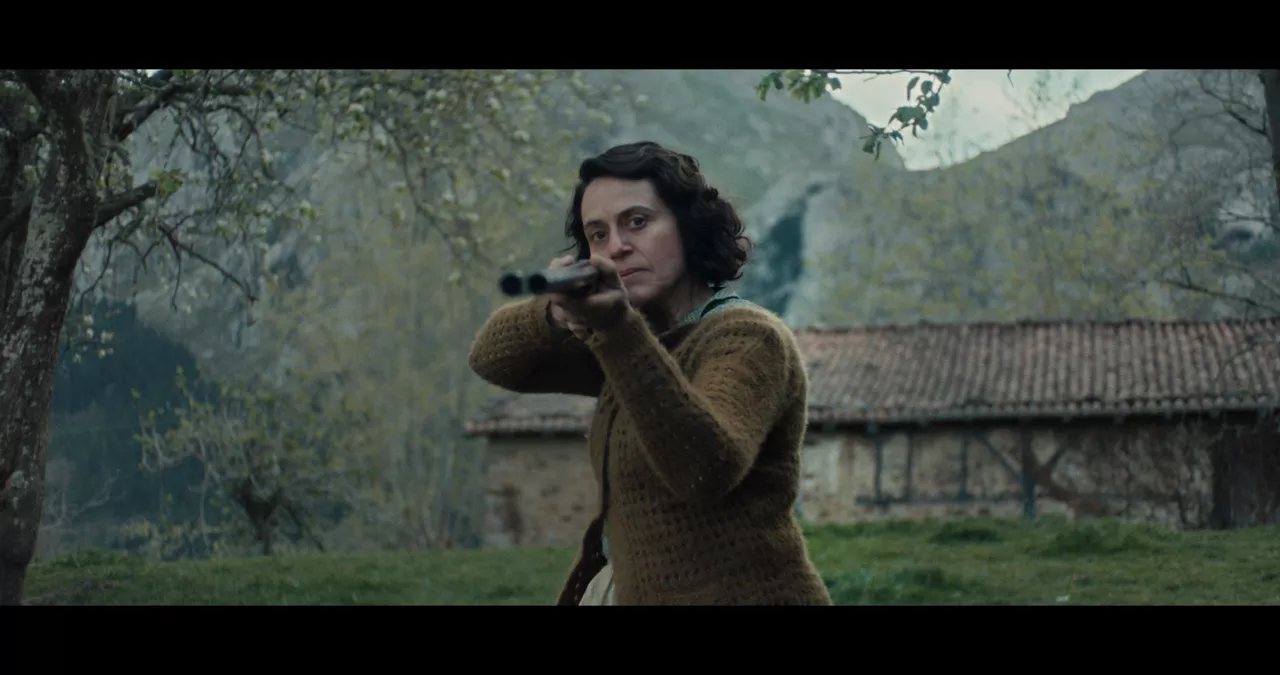
The Film Festival returns in the halls of the South Basque Country: October 19-22

Aitor Gametxo wins the "Golden Goose" award in the 49th edition of the Basque Film Meeting
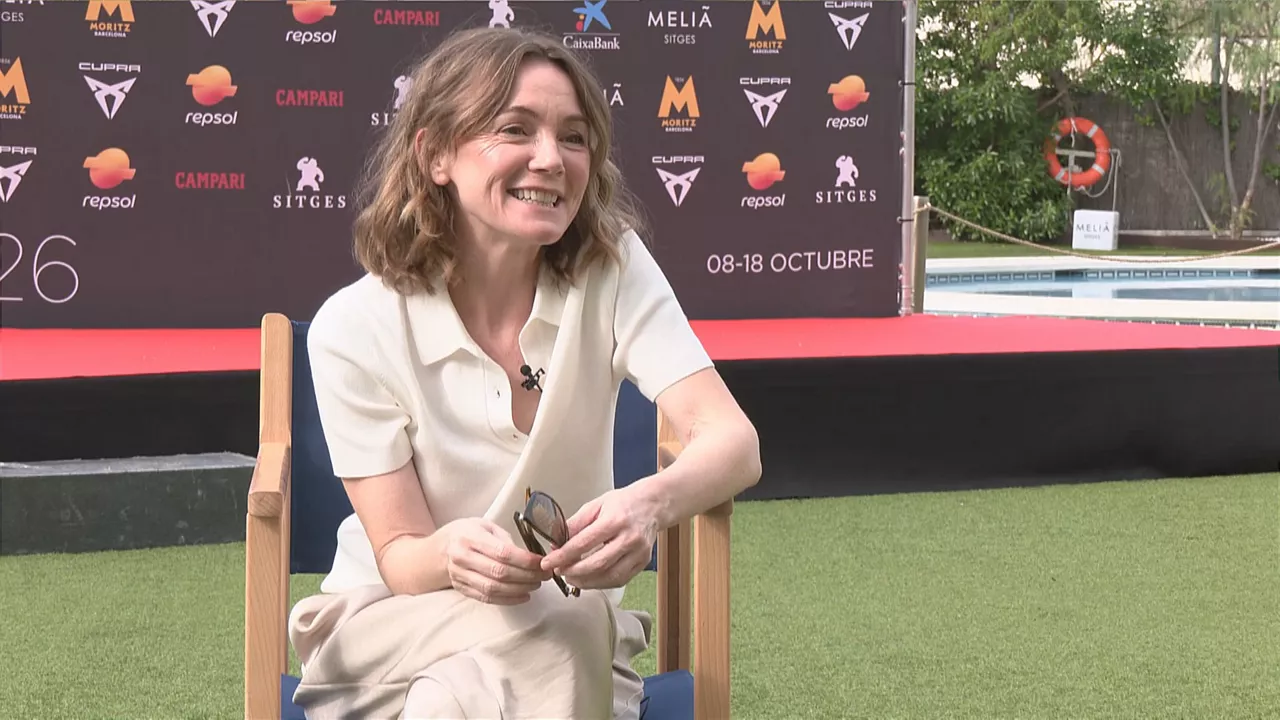
Sitges today hosted the world premiere of the film "Salitre" starring Nagore Aranburu
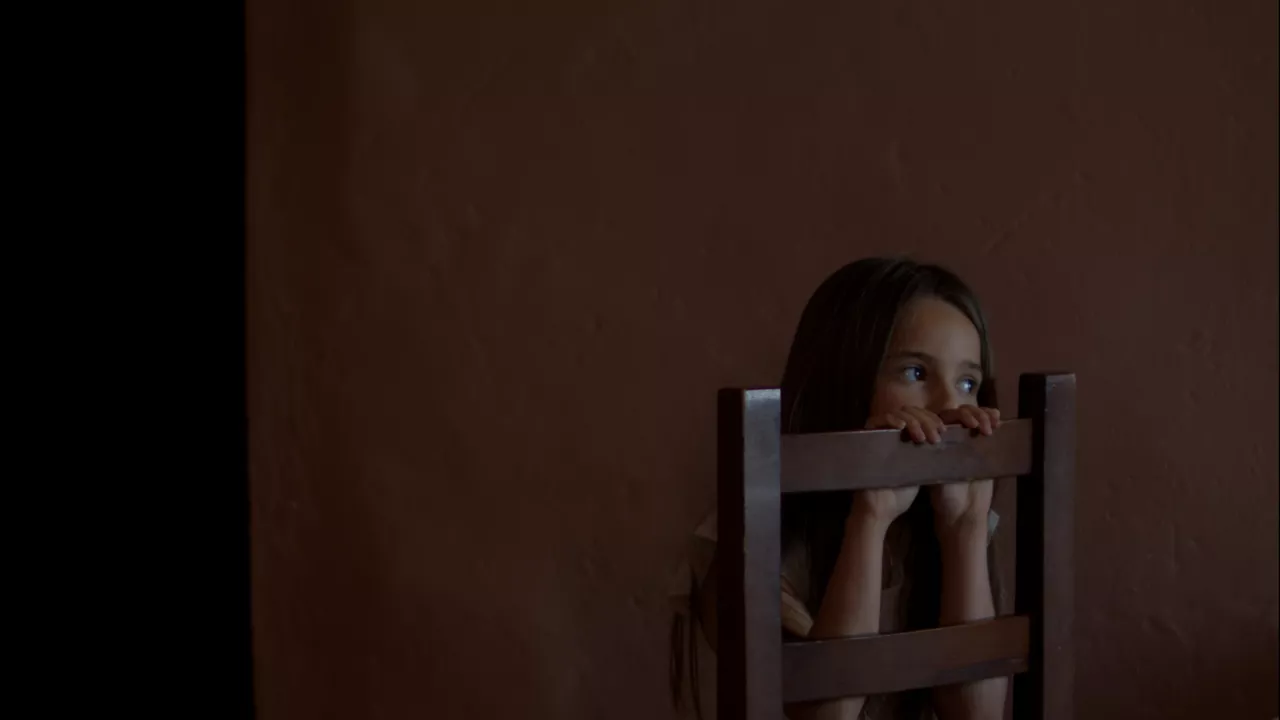
Twenty short films in Basque for the awards of the Basque Film Festival

Lorca's "The Black Ball" brings together more than 150,000 viewers in the ACV
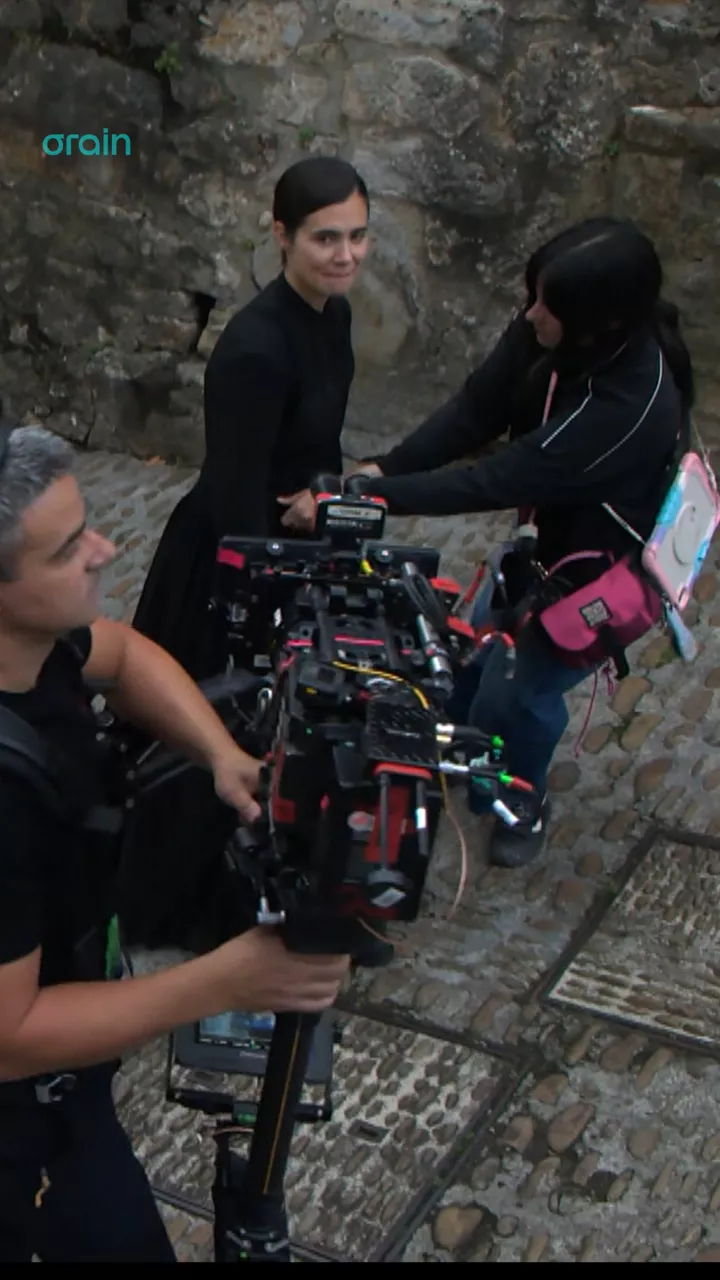
The shooting of "Rafaela", Alba Lozano's first feature film, begins
Garrat du válmnu-Strain your heart

It's time for David Perez Sañudo's new film, "Sacamanteas."