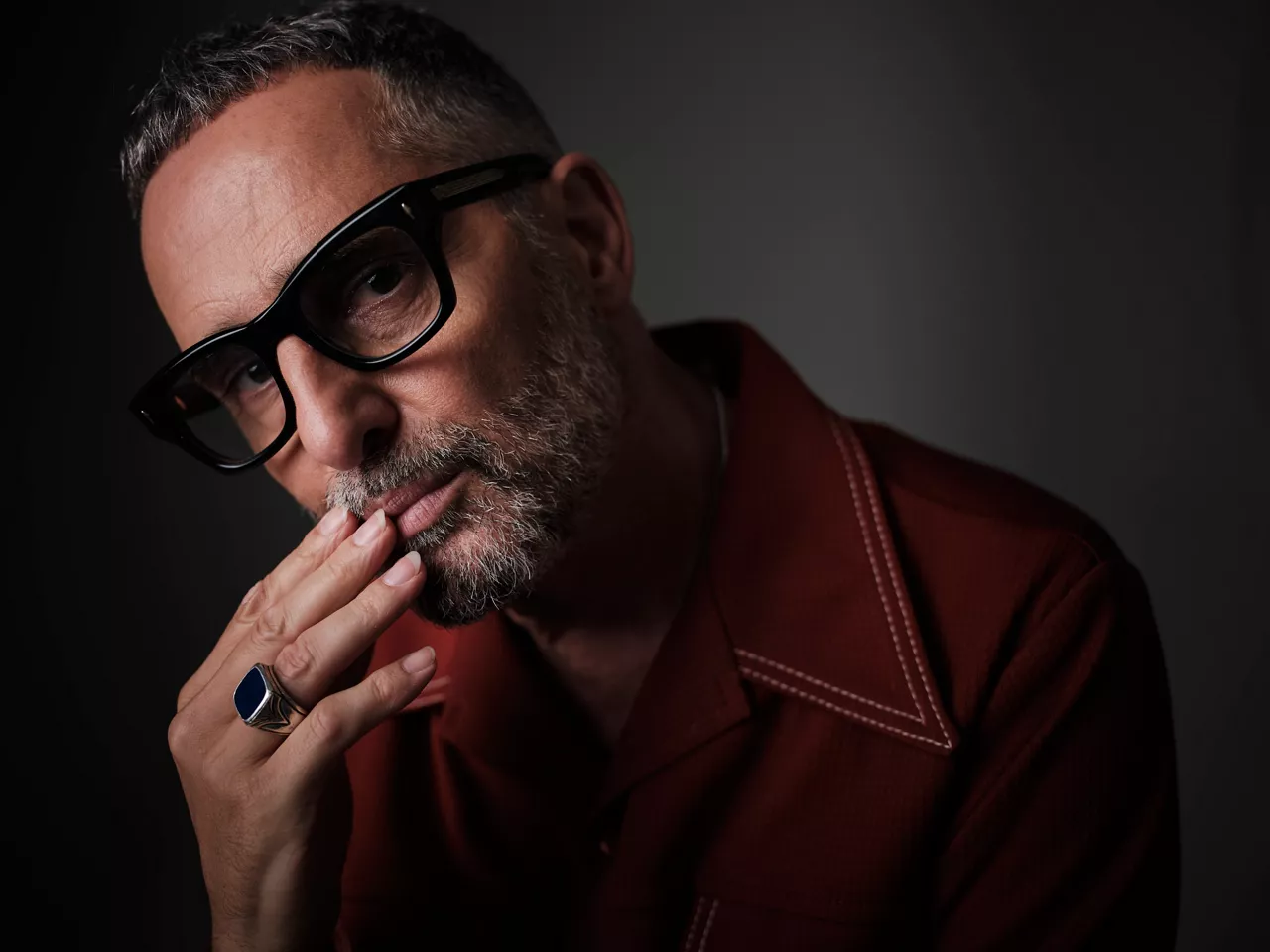
Eñaut Elorrieta: "This album brings together all my tracks so far."
The musician is back with his fourth long solo album , Festina lente with whom we talked at length about the brilliant and deep album produced by Bryce Dessner of The National and David Chalmin.
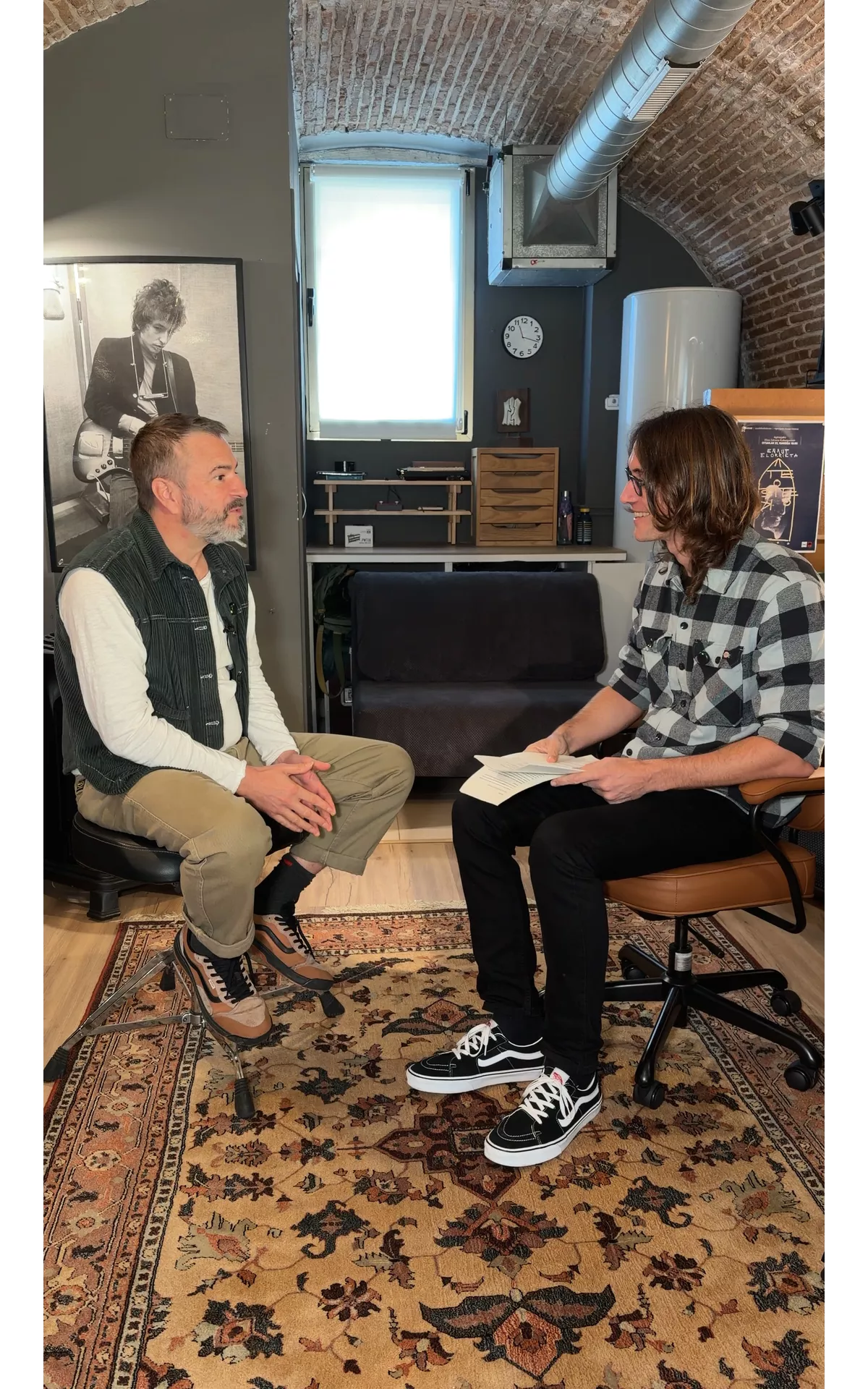

On Friday, November 6th, thefourth long solo album by Festina lente Eñaut Elorrieta will be on the street. Elorrieta is delighted with her collection of ten songs. She has completed the most enjoyable creative process in history with Bryce Dessner (The National, Bon Iver, Nick Cave, Bruce Springsteen, Taylor Swift) and David Chalmin (Triple Sun, Labeque Sisters, Madonna).
Elorrieta has received us in the midst of preparations for her presentation tour in Pamplona on the 28th of December, with hospitality, at her place, and we have begun the conversation.
"Festina lens," slowly accelerate
The Festina lensis on the street. With what body do you face the moment when you open up to the public something that has only been yours?
I really wanted to, because it's been a few months since we recorded the record, I needed to release it, I let it go, and it's true, it's not mine anymore, it's yours.
How do you relate to your edited music and public opinion?
Now I have the curiosity, the attention, and the interest to see how you got it. It happens to me that I've heard the record so much, for work, and we've turned it around so much that I don't hear it anymore.
Not even to prepare the directories?
No, we record stuff at the rehearsal facility, and we work on it, and I don't go back to the original recordings, so I think I end up disgusted.
The Festina lens is the title of the album, which we can translate into "slow up" or "calm down." I don't know if it's a proclamation of your intentions or whether it's directly related to music...
What interests me most is to see two opposing forces, not as rivals, but as seeking a balance together, as two poles seeking balance.
It seems to me that the tension there is evident in a lot of songs, very evident in the works of TheNational and in my album Airame . It emphasizes the moment when something is about to happen, the moment when the wave is about to break.
In that tension, I think there's a very interesting key to my music.

And that metaphor also slips into life...
Yes, it seems to me that even in life we are drawn by those opposing forces, life is about seeking a balance: yina and yanga, which is spiritual and earthly... I think it's a very deep concept, and at least I find it very inspiring.
And then, it's true, nowadays everything is going faster and faster. My feeling is that we're going faster and faster, the songs are heard for a few seconds, all the audio-visual is shorter and everything is played in the first fifteen seconds, in the first minute...
I don't think we take the time to look at things. That's what I worry about. And if we don't lose some things, some circumstances. When you spend time on things, suddenly they start giving other things. And Festina is an invitation to stop the lens, in line with that.
I think that duality is also present in the musical universe that you've built. There are delightful slogans of pop songs, doors to immediate enjoyment, but also a lot of musical treasures that reward quiet auditions. How do you keep that balance?
I don't know, I like it if you noticed that.
I think the songs, the melodies, the harmonies and the lyrics are very elaborate on this album, but the recording process has been very special, because we've recorded all the bases in five days, so there's a very profound elaboration. Maybe I've taken things to the studio more elaborate than ever, but at the same time what's happened in the studio has happened in five days, and the songs have that freshness.
I think that influences, and it seems like that feeling you were talking about.
Kritika
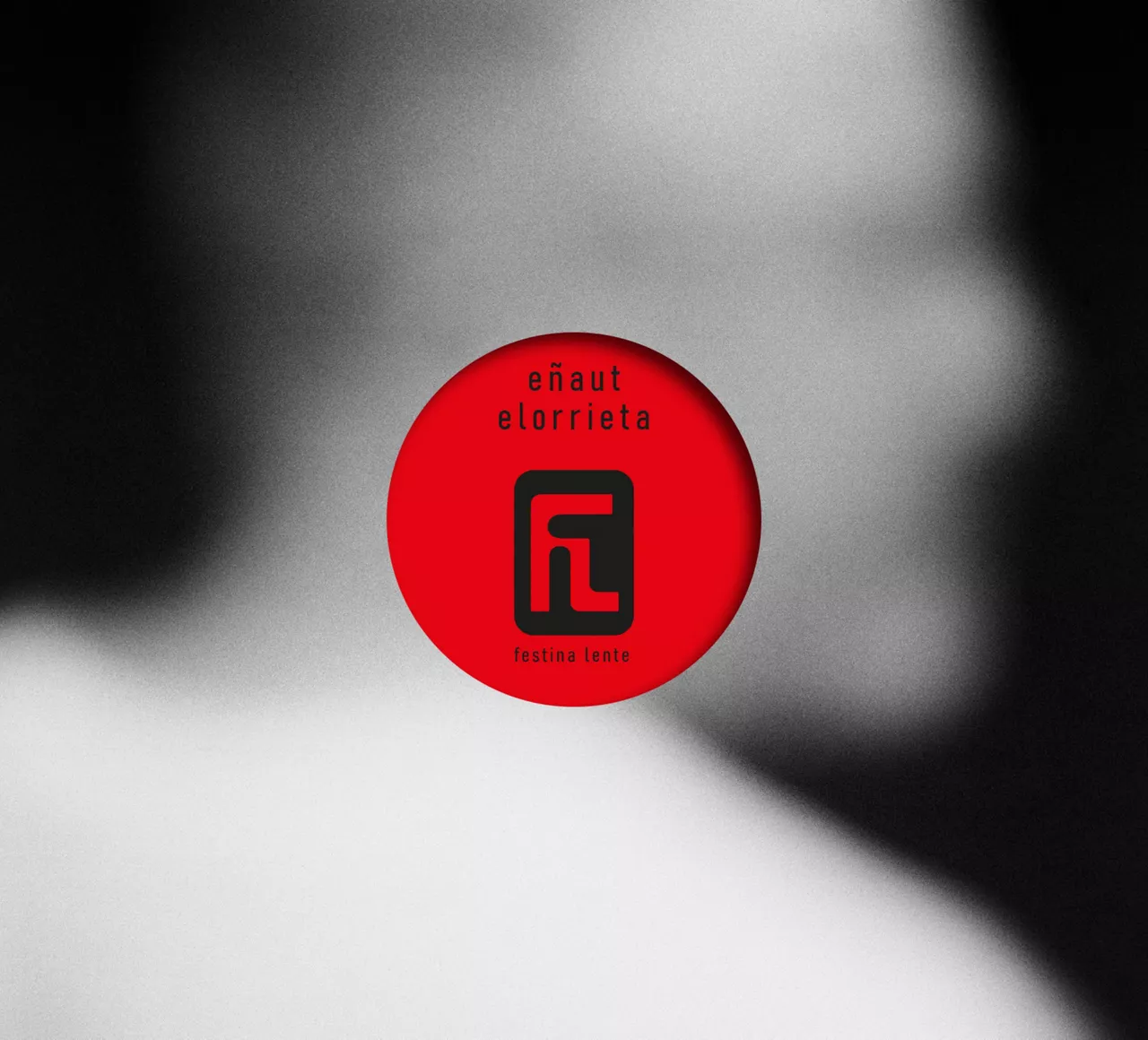
Eñaut Elorrietaren “Festina lente”, disko eraginkor bezain agorrezina
Musikariak “Festina lente” argitaratu du, bakarkako laugarren disko luzea. Elorrietaren ahots, akorde eta arpegioek abaro eta bulka paregabea aurkitu dute Bryce Dessner eta David Chalmin luxuzko ekoizleek neurri-neurrira jositako bilgarri aberats eta ezin dotoreagoan.

Luxury production
Ten songs are finally on the record.
There's a song that's been recorded there, and maybe we'll publish it later.
And once in the studio, how did you manage?
Bryce told me he wanted to record with his trusted musicians, and he invited some members of The National and a fellow musician, Ben Lanz and Raph Séguinier.
We'd pick a song, I'd play it on guitar and sing it to them, and we'd transcribe the melody and harmony into scores, and even a minimal structure of the song, and we'd start playing on it.
And how did you communicate?
Well, it's very curious. We spoke Spanish and English, but above all we communicated through images. They kept asking me, "What does the song talk about in this part?" And that was the basis of all creation.
Then I would describe to them a scene, an emotion, on which they would choose the instrument and propose the arrangement. Then we would sew it up, and in the end we would look at everything with a more general view to connect the song.
But we went from section to section, like craftsmen.
Why did you choose Dessner and Chalmin?
I've known The National for a long time, and I love it, and I've been following them since the time of Ken Zazpi. There was a time when I had several concerts with the Labeque Sisters, Katia and Marielle Labeque, and I met Bryce at their house at a dinner party.
He had some concerns about the Spanish Civil War, about the Basque Country and about the Basque Country, because he was going through times, he wanted his son to learn Basque... and that's where the relationship began.
I thought he was a very nice person, and we agreed on an artistic and musical level, and I thought he could teach me a lot and learn a lot from him.
In the end, it's cost a lot, because these people have impossible calendars, but it's been possible right now, now the stars have lined up.
I had other plans for this album, I had three or four ideas, I had to record with other people and I was starting to look at the studios, but when Bryce wrote to me that the time might be "now," I changed all the plans and prioritized working with them.
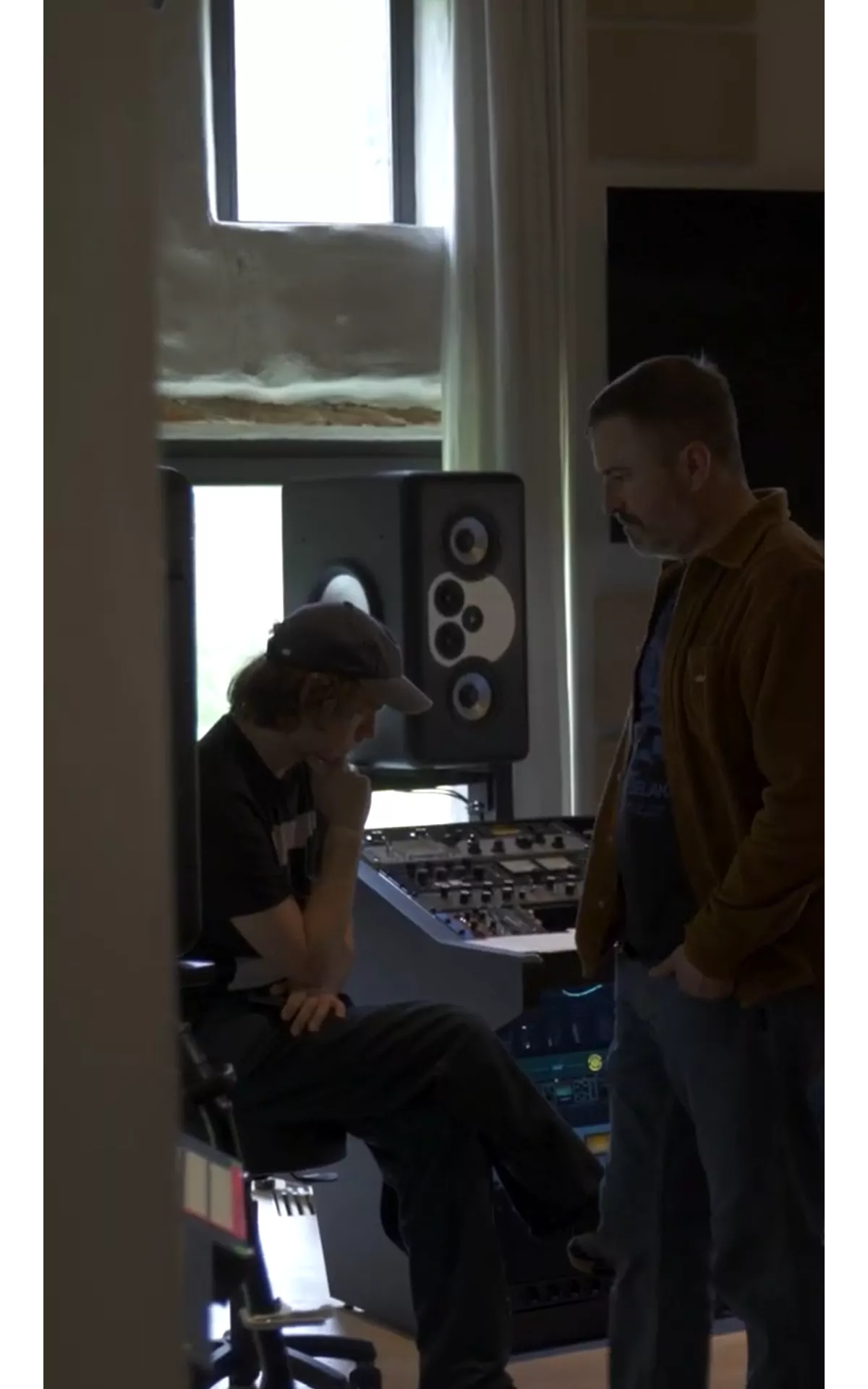
And it all went another way.
I recorded a few things on the premises here, but I took some of the studio home to start composing, and it was a very intense month.
Looking for a truth
Does the composition change when you know who's going to produce the songwriters?
No, not in my case. The motivation changes, that desire to work with them suddenly ignites you inside, and you have nothing else in mind.
He gave me an impulse, if you like, an extra dose of energy, I started to give the work everything I had inside, but I usually compose the same for every record, I take the guitar, and I look at what comes out of it, and I'm not going to look for anything based on the person I'm going to work for.
And what must an idea, a melody, a succession of arpeggios or chords, have to be to believe that you must cultivate it?
He has to touch me inside. He has something to say to me. It can be a little bit of a song, and often you don't even pull that part and you despair.
But sometimes you say, "There's a truth here." Words may not have a concrete meaning, but somewhere they're saying things that move you. That's the key for me. You can't explain it in words, but the body tells you.
You can't think of anything else that day, it takes you with it.

How, then, do you experience the tension between that idea of the beginning that you have so intimate with, and the song that is moving away from it in the hands of the producer?
In this respect, this which I have had with them has been the most intense, but also the most agreeable, if you will, process of creation I have ever experienced.
I've always come back from the studio looking at what I've been missing, as you say, with the feeling that I wasn't getting what I had in mind.
But this time they were all amazed at me at home, and I used to come back from the studio, telling things, and I'd say there was some magic in it.
I've seen them very engaged at work, I've been put in the center all the time, they were asking me everything, while I was working with a musician, the other three were doing it on their own, instead of proposing things...
It was very nice, very exciting.

You recorded the voices yourself on your premises.
David suggested, I hadn't finished all my words, and I asked them for a little time to set it up here and record it myself.
Actually, I've done more tests than I've ever done, and I've noticed a lot in the crowns, like in "Looking Up," I've recorded five or six layers of voices, all of them falsetto.
Maybe, at the rate of recording in a studio, I wouldn't do those things because I had the opportunity to record here.
However, I missed someone saying, "Eñaut, go home. That's enough, it's okay." At the moment, you want to get better, you want to get better, you can change, and you can even get the opposite at a critical moment, get worse.
In this case, you have worked with Iñigo Astiz, Uxue Alberdi, Mira Amuriza, Nerea Ibarzabal, Jose Luis Otamendi and Amets Arzallus.
As I said before, it's something I feel, and I hear the melody, and I think, "This would enrich it."
You need a trust with the writer, to test what he's proposing, to shape it, to propose changes...
How do you work with them?
I send them a melody and a few sensations, the images we talked about during the recording, the scene and the emotions, and they play them.
But that's why I work with them, because they enrich my poetic universe. In this case, I think I've got it right.
"Festina Lens" and a 30-year tour, live
Now the directories are coming, how are you going to play those songs that other musicians have recorded?
We've been working on it for months, so I asked David to hand over all the tracks from the recording to the musicians, but one thing was clear to me: I wanted the musicians to play them, to give each one their own style, because that's where the wealth lies.
If I played with the musicians who recorded this record, it would be something else, but I have to do it with other musicians, and they have to endorse what's recorded, so I think the key is in that balance.
Besides, this year we're celebrating the 30th anniversary of my career live, and I'd like this album to also infect the sound of older songs.
Who will be by your side?
Buffalo , Ander (guitar) and Joanes (bass) Ederra and David Gorospe (drums); Txus Aranburu on keyboards; Imanol Iribar on trombone and keyboards; and percussionist Nerea Quincoces.
What would he think if Eñaut, who composed the Lugarri song, heard theFestina lens ?
I don't know what he'd think, I guess he'd be happy, he dreamed of making a path in music, of continuing to make songs, and seeing that I'm still there decades later, I think he'd be happy.
And what did Eñaut think today when he heard those old songs from before?
I'm singing these songs from another body, from another experience. It's true that some songs age better, and they still touch you somewhere, maybe, where they didn't touch you when you created them.
With age, you get a more complex look, and you get attention from other things, and when you play an old song of yours out there, you discover surprises, and that's really nice.
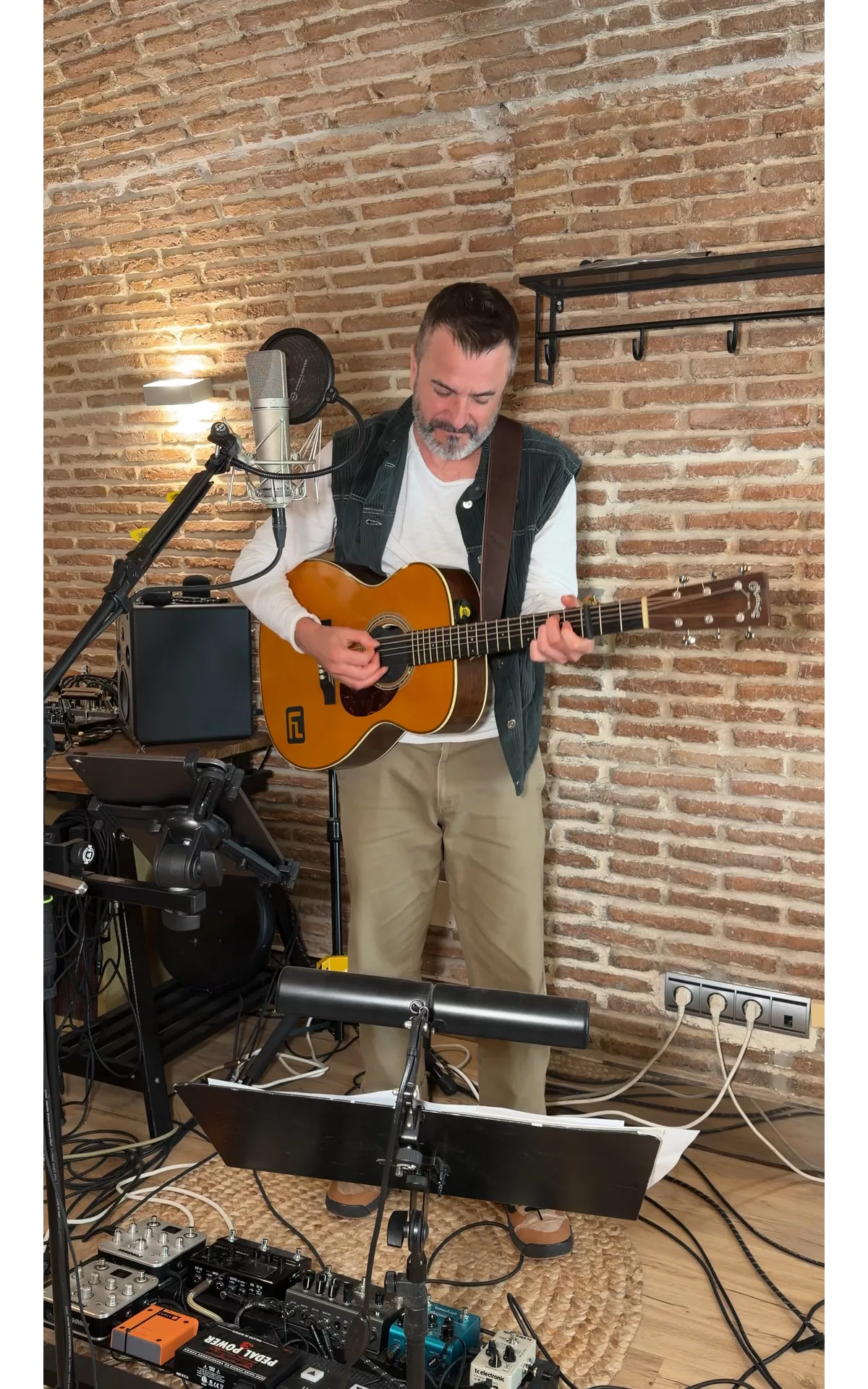
The landscape of live music has changed radically in the Basque scene: macroconcerts, concerts with very little audience, saturated halls... what playing field are you going to go out to with this new series of songs?
I feel like this album brings together all my tracks so far, a more guitaristic atmosphere of Ken Zazpi and more intimate environments that I've worked on in my solo career.
And when we looked at the directories, I felt it was time to take a step in that, too. I've been making my way through the halls where people are sitting for decades: Victoria Eugenia, Principal, Arriaga, Gayarre... and I've been looking forward to going back to other rooms for a long time.
It's no coincidence that I chose those places to start the tour: Kafe Antzokia, Zentral, Jimmy Jazz, San Agustin, Atabal... It's an artistic selection, if you like, because I think those places are the best place to make those presentations.
But it's a different selection, isn't it? Looking at the current landscape, we wanted to go there and do the first concerts of this album.
"A complete play."
Now that he's free, what do you want him to do with the Festina lens ?
I would like people to listen to it in its entirety and, if possible, to hear it several times. When we work on records, I like to work on all the details: the order of songs, the space from song to song, the measurement of everything.
Nowadays, we don't spend time listening to things, and besides, we have a very fragmented focus, and we hear music while we're doing two or three things at the same time, and I think that's where we lose things.
It would happen to you, too, that some songs that listened to a record and didn't cater to you would suddenly begin to gain strength and begin to descend which at first were very easy for you to penetrate...
I wish this album that at least there are some who will pick up those slits and enjoy them.

You might like
The office ended a year of silence with the single "For You"
The xx, Pixies, The War on Drugs and alt-J, the first bands of Bilbao BBK Live 2027

Eñaut Elorrieta: "It's an invitation to stop."
Eñaut Elorrieta's Festina lens, a disc as effective as it is inexhaustible
Alejandro Espinosa, professional in piano music
BIME will bring together hundreds of music professionals and offer 70 concerts in Bilbao
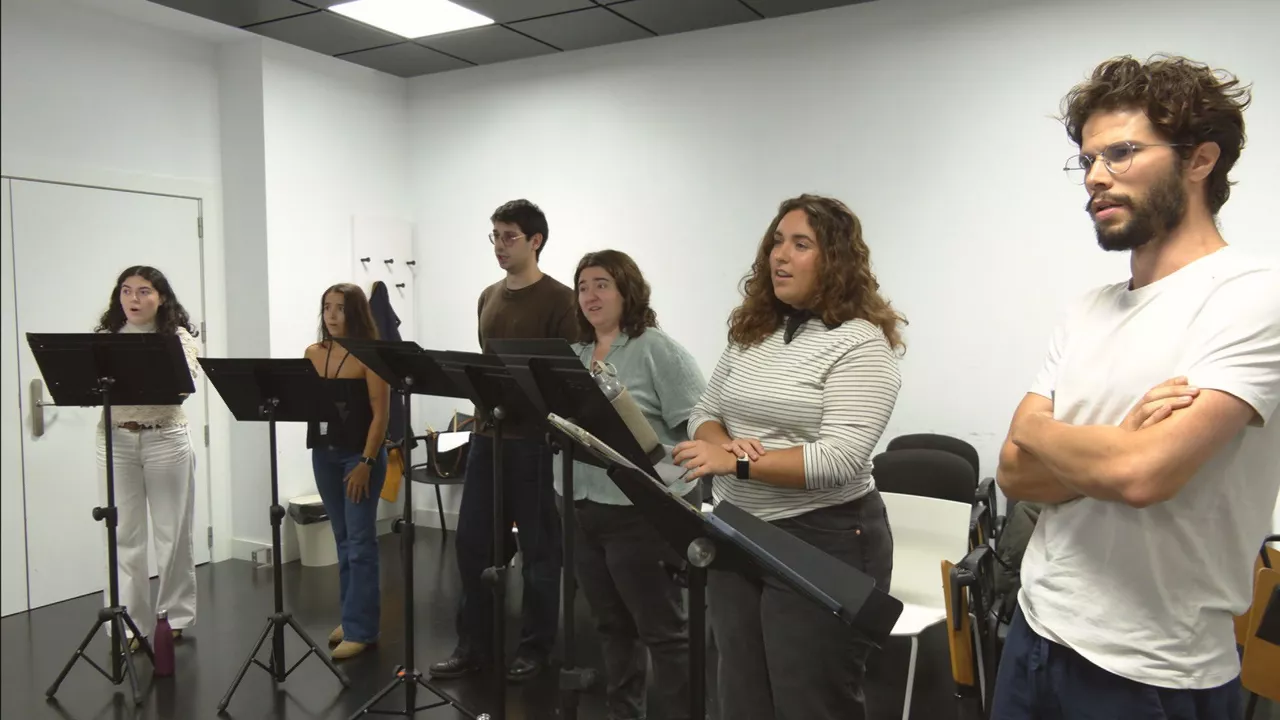
This is how the new generations of classical singing are trained at the Musikene center in Donostia
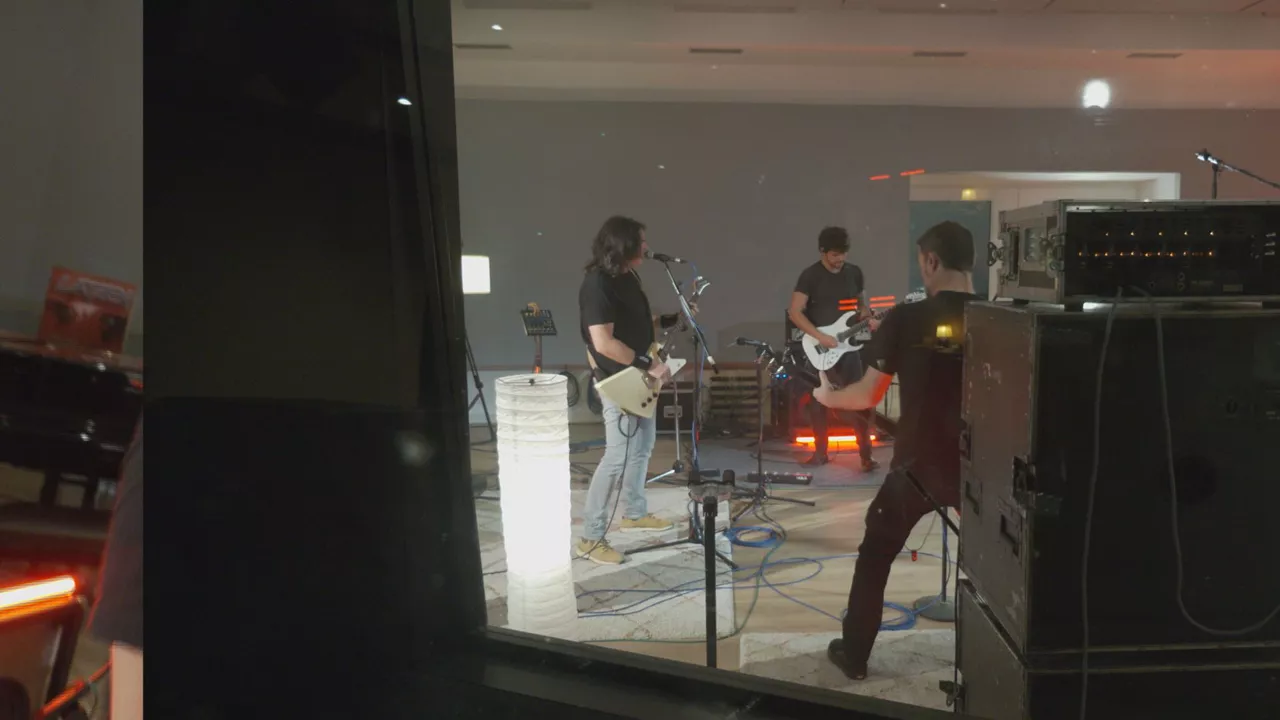
Latz's song "Honey" turns 30