How much electric power does the Basque Country need?
The Department of Industry, Energy Transition and Sustainability has called for an additional 6,000 MW in its network to meet its industrial and decarbonization objectives.


The Basque Government has warned that the power supply of the electricity grid is insufficient to meet the challenges of industry and the environment. The Government estimates that an additional 6,000 megawatts (MW) are needed to make the necessary investments in decarbonization and attract industrial projects that are currently "unconnected".
According to official data published by the Basque Energy Organization (EVE) and collected by the Basque Government, this increase would increase the electricity supply capacity in the Basque Country by 50% , from the current 12,000 MW to about 18,000 MW.
The Government has also pointed out that there are 117 companies in the Basque Country waiting for the electricity power they need, which means delaying their expansion or modernisation.
For the next five years, the Department of Industry's forecasts indicate the need for an additional 3,000 MW on the network to meet new demands through improvements in infrastructure, transport and transformation networks and the development of renewable energy projects.
The Basque Government is therefore calling on the State Government to reorder the planning of electricity networks by 2030 and to prevent the paralysis of strategic projects.
In this context, the Minister of Industry, Energy Transition and Sustainability, Mikel Jauregi,will meet this Tuesday with theSecretary of State for Energy, Joan Groizard , to discuss investments in electricity networks that will arrive in the Basque Country as part of the proposal for planning the transport network 2025-2030.
You might like
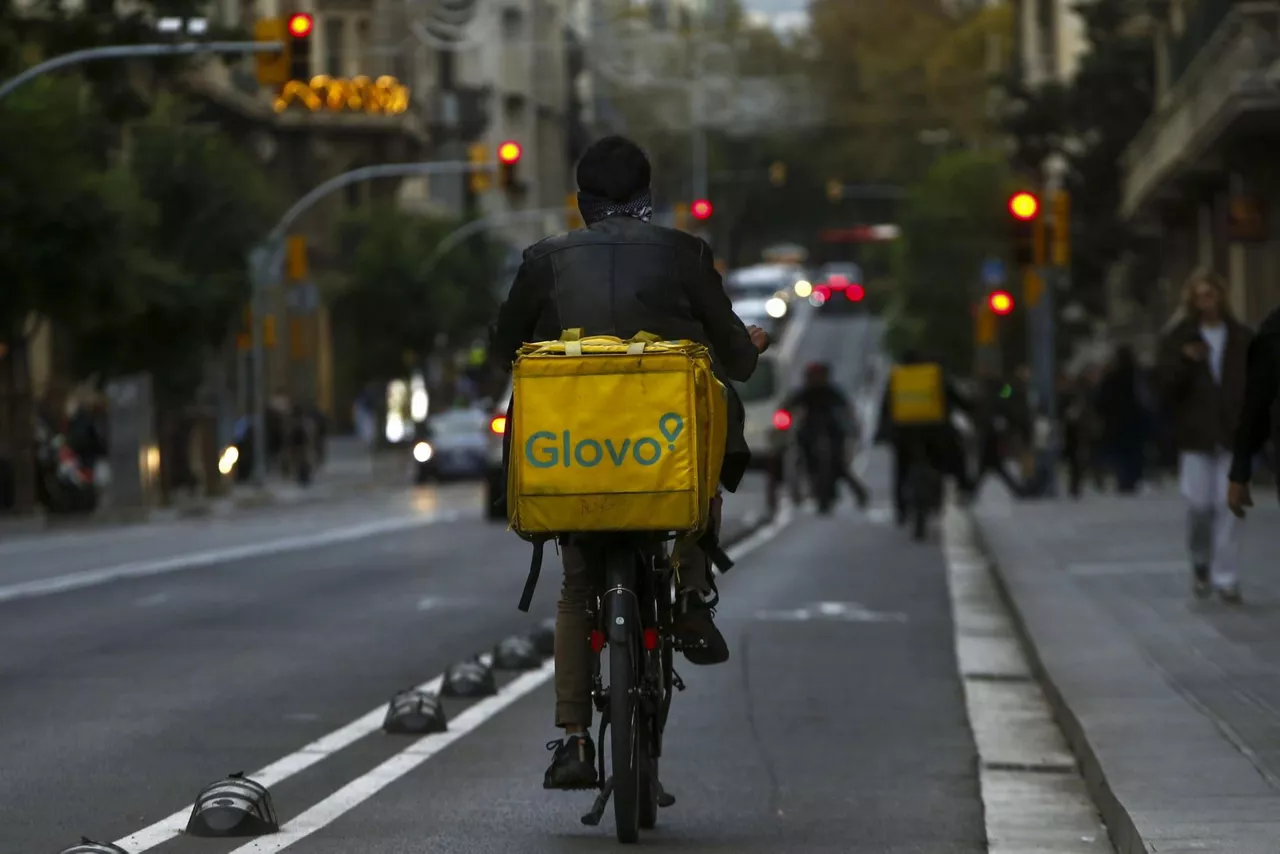
Glovo is accused of having kept the company's distributors working on the streets during the October 3 storm

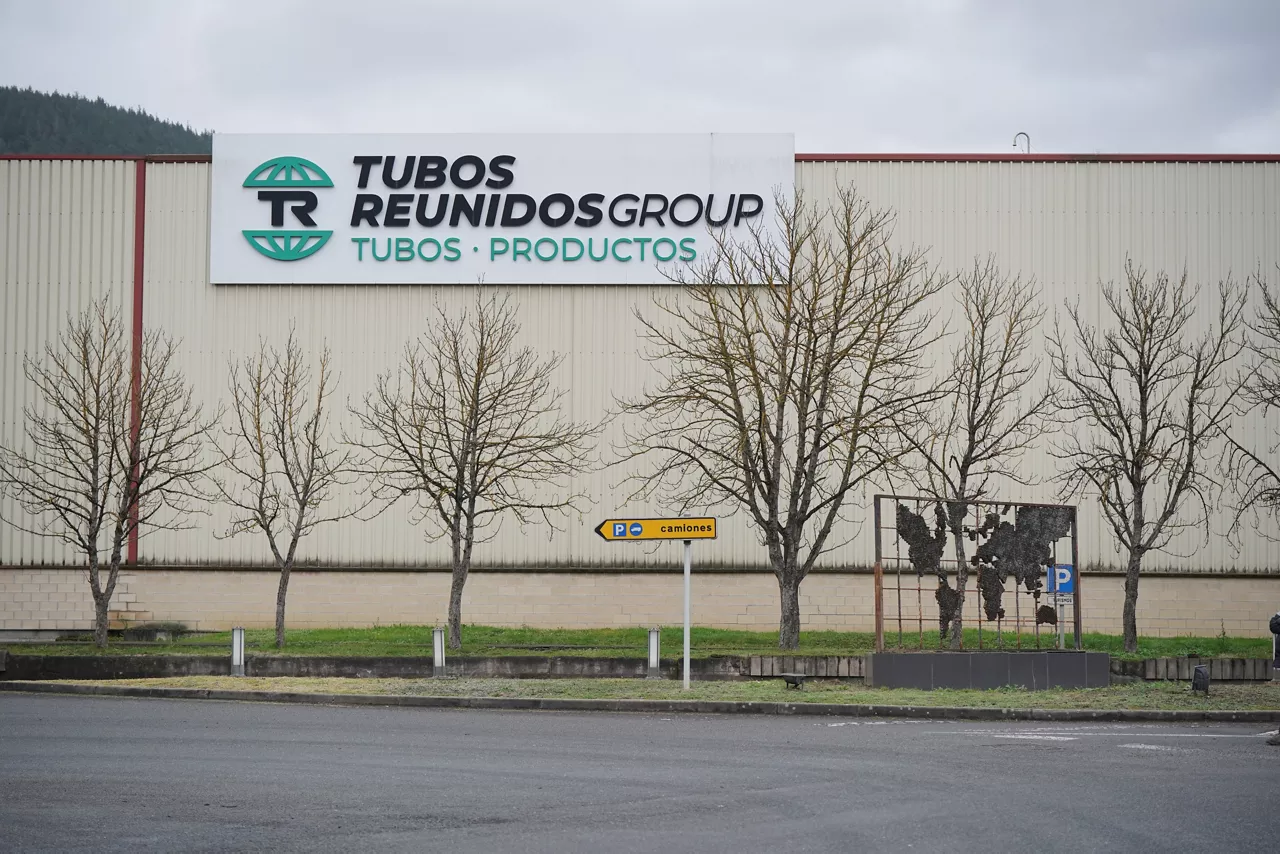
The five investors interested in buying Tubos Reunion will meet with the unions next week
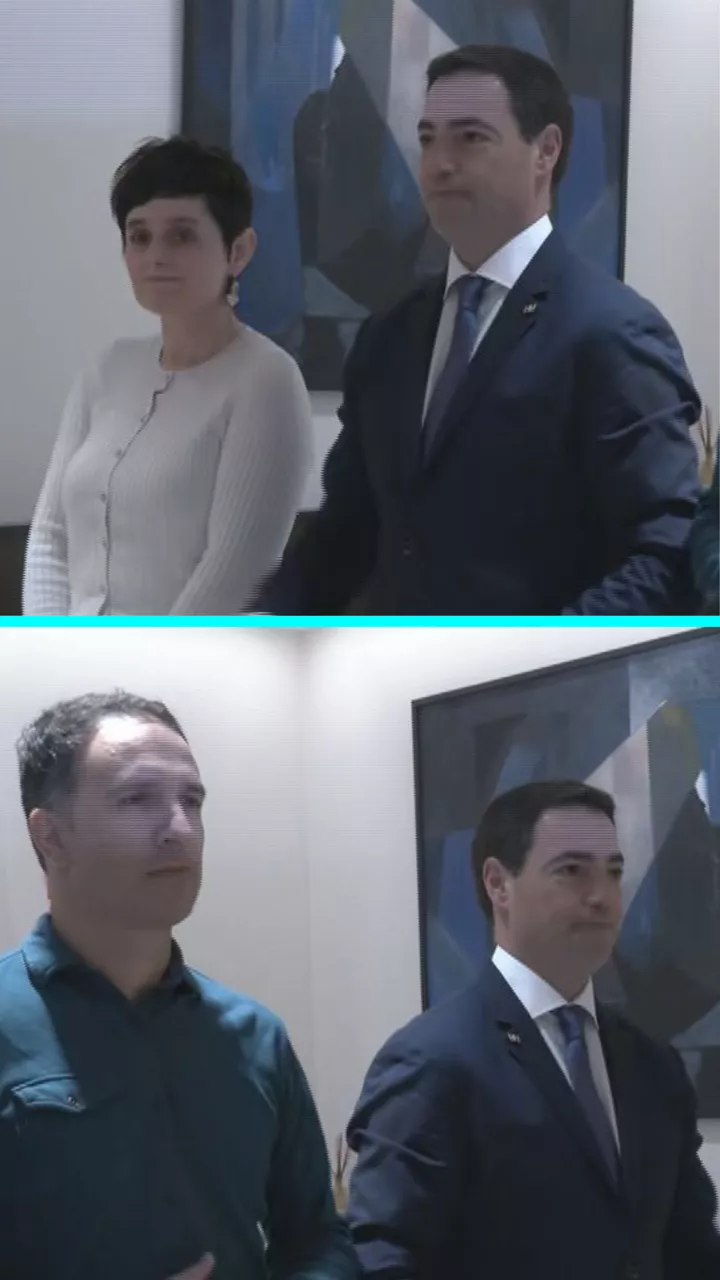
ELA and LAB demand "more leadership" from the government to convene employers to negotiate their own SMI

SpaceX and Tesla are considering merging to create a tech giant backed by Elon Musk
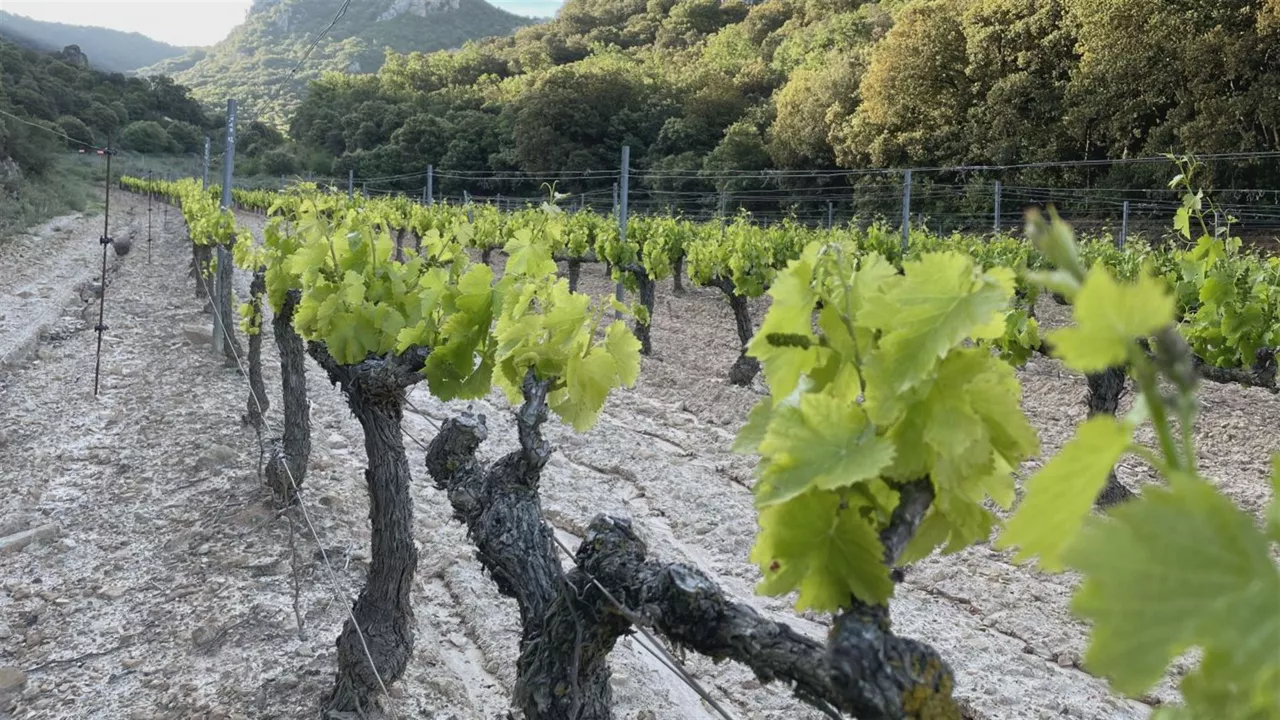
Wine unions announce mobilizations in Rioja Alavesa in search of an agreement
There will be news: the lehendakari meeting with ELA and LAB, the cold front and protests in France
Denis Itxaso advocates new measures to rent empty homes

The average income in the Basque Country increased by 7.2% in 2024, to 28,170 euros
LAB's General Coordinator calls for participation in the November 11 general strike to channel citizens "demands