What is DNK, how does it infect and affect the sector?
In the Basque Country, no cases have yet been detected, but prevention and surveillance measures are being put in place. Here are the keys to this disease and its effects on the livestock sector.


The Contagious Nodular Dermatosis (DNK) has alerted the livestock sector of the Basque Country in recent days to the factthatalthough there are still no cases of this disease in the country , there is an outbreak in Girona (Catalonia) and there are active sources in southern France and Italy.
In a preventive manner, livestock farms, veterinarians and public bodies have begun to take action throughout the Basque territory.
What is the Contagious Nodular Dermatosis and who does it affect?
The Contagious Nodular Dermatosis (DNK) is a viral disease that affects animals (especially bulls and cows) and is characterized by the appearance of nodules (knuckles) on the skin and other internal organs.
It is mainly caused by a virus transmitted by insects (mosquitoes, flies or ticks) and, to a lesser extent, by direct contact between animals.
This disease is not transmitted from animals to people.
What are the symptoms?
The virus causes fever, nodules and internal organs of the skin and mucous, as well as exhaustion, inflammation of lymphatic nodules, skin edema, and sometimes death of the animal.
In addition, infected animals may suffer from respiratory or digestive discomfort, including lack of appetite, resulting in a decrease in the productivity of milk and meat.
What impact does it have on the sector?
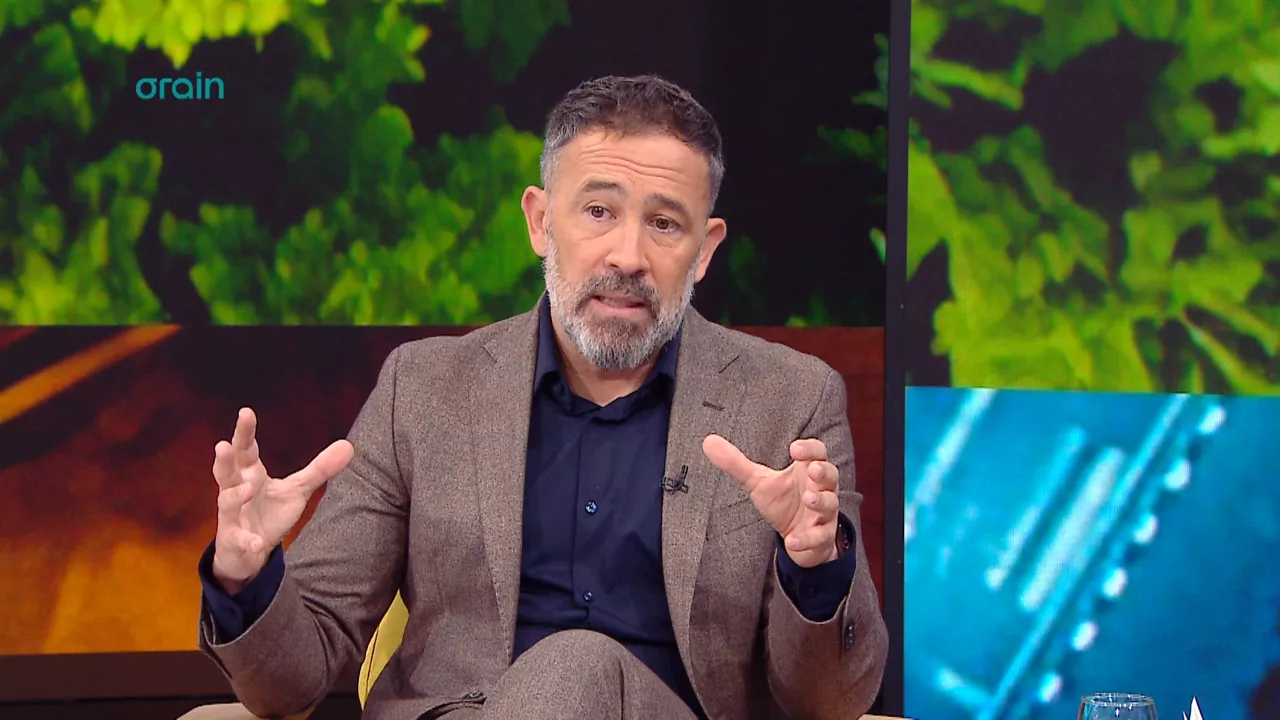
The regulation obliges the entire herd to be slaughtered if only one infected animal is detected. Xabier Iraola (ENBA) explains to Orain.eus: "If a single animal from a farm were to be slaughtered, it would mean that all animals would have to be slaughtered, which in most cases would mean the same closure of the farm." According to Iraola, turning the blow of this magnitude would be very difficult, if not impossible.
Although no cases have been detected in the Basque Country, the emergence of cases in Spain has led toa change in the state's health status and epidemiological status. Countries that do not have a specific disease often close imports from affected countries, whether animals or derived products, which inevitably damages the livestock economy.
In the case of the Basque livestock sector, exports are currently of little concern, since the volume of exports is not high, although, as Iraola explained, the cleaner a country is, the easier it will be to obtain export certificates.
However, each country imposes its barriers and restrictions. In this case, for example, Morocco has banned all imports of live animals from Spanish territory. But Libya, which is an important market, has opted for regionalisation: that is, it will not import livestock from affected regions (such as Girona), but from 'clean' regions.
Can it be prevented by mass vaccination?
The Contagious Nodular Dermatosis is considered a type A disease and no preventive vaccination is permitted.
"The risk of infection is so high that preventive vaccines are prohibited," explains Iraola, "because vaccines are never 100% effective and would always leave some loophole in the virus. According to European legislation, "the only way to combat the spread of the disease is to eliminate them completely on farms or areas already affected."
Each farmer must therefore take biosafety measures, such as quarantine of new cattle, control of vehicles and persons entering farms, special attention to disinfection, and thorough examination of cattle in order to detect possible diseases as soon as possible.
You might like
Glovo is accused of having kept the company's distributors working on the streets during the October 3 storm
The five investors interested in buying Tubos Reunion will meet with the unions next week

ELA and LAB demand "more leadership" from the government to convene employers to negotiate their own SMI

SpaceX and Tesla are considering merging to create a tech giant backed by Elon Musk
Wine unions announce mobilizations in Rioja Alavesa in search of an agreement

There will be news: the lehendakari meeting with ELA and LAB, the cold front and protests in France
Denis Itxaso advocates new measures to rent empty homes
The average income in the Basque Country increased by 7.2% in 2024, to 28,170 euros
LAB's General Coordinator calls for participation in the November 11 general strike to channel citizens "demands