Pyrenean farmers are asking to limit bears until they are "compatible" with extensive livestock farming
In the villages of Ezkarotz and Aribe, in areas close to the houses, two bears have been spotted over the weekend. The fact that the bear is so close has raised concerns among farmers in the area, who fear the consequences for herds.


Farmers in the Navarre Pyrenees have expressedconcern about the appearanceof the bear this weekend between Ochagavia and Ezkarotz due to the and the presence of another in the town of Aribe. They have called for a "review" of the protection policies for this animal and have proposed "limiting its population to a numbercompatible with extensive livestock farming ", as well as establishing" areas without bears "where livestock farming can develop.
Farmers and shepherds from Orbaizeta, Erro Valley and Aguas have appeared at a press conference at the headquarters of the EHNE union in Pamplona/Iruña. The general secretary of the union, Felipe Etxetxikia, has said that there are about 120 bears in the Pyrenees, which is "a large number", so he has called for a reflection on "what is the acceptable population of bears ", in order to" strike a balance "between the extensive livestock farming of the herd in the mountains.
Farmers say that although the last few years have been "relatively quiet," the bear population "is growing progressively, which means it will need a wider area of land to live on," so they believe it will "settle in areas ever closer" to villages and farms.
According to these professionals, the presence of the bear "is not compatible with the extensive handling of our animals. "They explain that even if a bear attack could not kill the animals," sheep stop producing milk, it also affects the cows who have just given birth. "
They have stressed that sheep heads have been "almost halved" in Navarre over the past 20 years and, while acknowledging that the situation in the sector "is not due to the presence of the bear", they have warned that in certain areas "it may be the drop that fills the glass".
They also warn of the benefits of livestock farming, which, on the one hand, means that villages are not emptied in the Pyrenees, and, on the other, they argue that the presence of livestock is "fundamental to maintaining the ecosystem, preventing fires and balancing landscapes."
They therefore call for a 'review'of bear protection policies, such as the European Union Habitats Directive and specific recovery plans for each area, and for 'considering limiting the bear population to a number compatible with extensive livestock farming and establishing specific areas without bears'.
You might like

There will be news: the lehendakari meeting with ELA and LAB, the cold front and protests in France

Denis Itxaso advocates new measures to rent empty homes

The average income in the Basque Country increased by 7.2% in 2024, to 28,170 euros

LAB's General Coordinator calls for participation in the November 11 general strike to channel citizens "demands
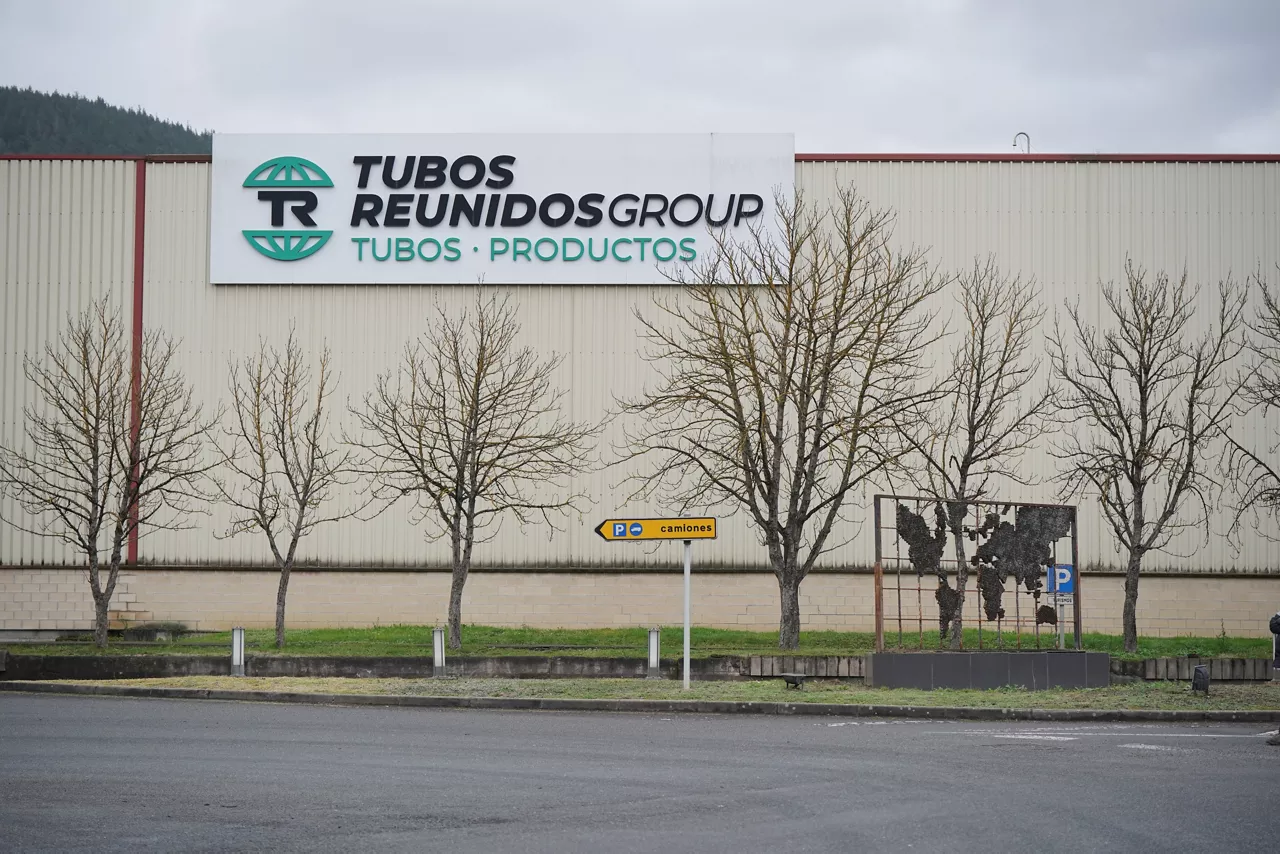
The top five offers from Tubos Reunion propose reducing staff and changing working conditions

Pradales asks the European Union for concrete measures to defend the local automotive industry

Velora will invest 100 million in Álava to build a plant that will produce products linked to the electricity grid

The Government launches a new OPE of 367 places for the Basque General Administration

The Basque economy grew 2.2% in the third quarter and employment 1.3%