Satse called off the midwife strike in Osakidetza after opening negotiations on the lack of professionals

A sign associated with the midwife protest.

The union Satse has temporarily called off the midwife strike calledfor this summer in Osakidetza after opening talks with the Basque Health Service. The union has called for structural measures to address the lack of professionals in the Basque Country and will analyse the outcome of the negotiations at a meeting scheduled for 5 October.
Initially, nine strike days were called between 17 June and 2 July, with mobilizations aimed at denouncing the lack of midwives in both primary and hospital care, a lack which, according to Sats, makes it difficult to ensure adequate care for women in different areas of the health system.
An open road with Osakidetza
The suspension of the strike comes after several daysof contacts between Satse and the representatives of Osakidetza. Both parties have agreed to open a working path to analyse the main demands of the collective and to consider measures to improve job coverage and care conditions.
However, the union has been cautious about the outcome of the negotiations, explaining that it has taken the decision to call off the strike responsiblyand wants to give dialogue a chance, but has warned that it will resume mobilizations if the commitments made do not translate into concrete measures.
The October 5 meeting will be decisive in measuring the degree of compliance with what has been agreed so far, at which the midwives will review the proclamations made and consider the measures taken to address the lack of professionals, which Satse considers to be structural.
According to the union, the number of midwives in the Basque Country is insufficient: there is a midwife of 2,600 women, so she calls for a stable reinforcement plan to ensure safe and quality care in public health in the Basque Country.
You might like

Glovo is accused of having kept the company's distributors working on the streets during the October 3 storm
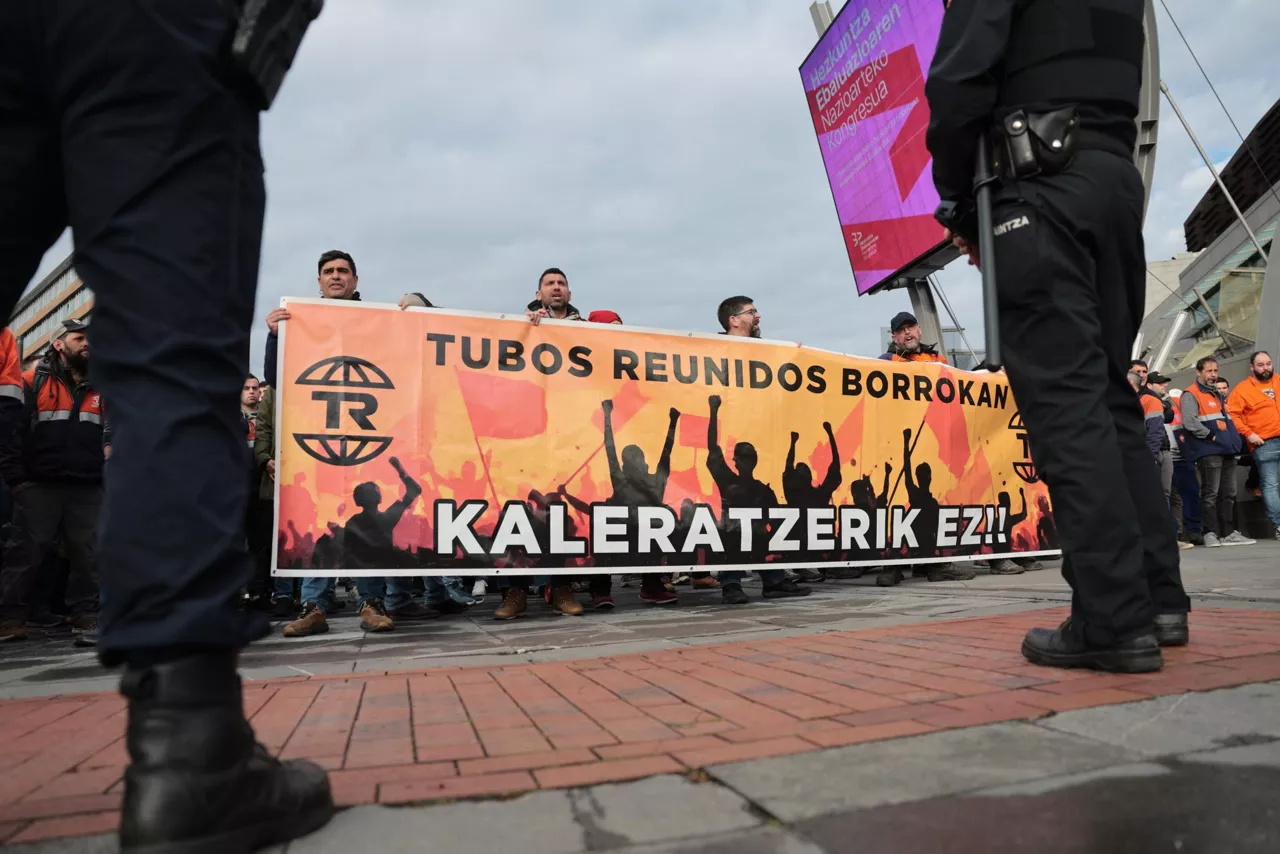
The five investors interested in buying Tubos Reunion will meet with the unions next week

ELA and LAB demand "more leadership" from the government to convene employers to negotiate their own SMI

SpaceX and Tesla are considering merging to create a tech giant backed by Elon Musk

Wine unions announce mobilizations in Rioja Alavesa in search of an agreement

There will be news: the lehendakari meeting with ELA and LAB, the cold front and protests in France

Denis Itxaso advocates new measures to rent empty homes

The average income in the Basque Country increased by 7.2% in 2024, to 28,170 euros
LAB's General Coordinator calls for participation in the November 11 general strike to channel citizens "demands