San Sebastian City Council hopes to raise EUR 8 million a year with the adoption of the tourism tax ordinance
Mayor Jon Insausti said the main goal is for those visiting the city "to help finance public services, infrastructure, urban spaces, security and other activities to maintain a balance between visits and the quality of life of donostiarras."

La Concha beach, in a stock image. Photo: EFE

The Local Government Board of the City of Donostia-San Sebastián today approved the new ordinance regulating the Tourist Stay Tax, which is expected to raise about 8 million euros a year, with the aim of maintaining the city's infrastructure and devoting it to the payment of public services and security.
The tax will apply to visitors from January next year and the amount will depend on the type of accommodation. The maximum amounts allowed by the Foral Standardapproved by the General Meetings of Gipuzkoa have been approved, so that rural houses will be charged €1.25 per night per person and €7 per cruise. Hotels of the highest category and tourist homes will be charged €6.5 per night.
The mayor of Donostia-San Sebastián, Jon Insausti, announced this morning at a press conference the details of the new ordinance. He stressed that "this is a measure long claimed by the City Council" and that it responds to the need to provide the city with tools to manage "in a more balanced way" the impact of tourist activity.
Children under 18 years of age will be exempted and the maximum payment limit will be six nights, so when passengers stay in San Sebastian they will be exempt from tax from the seventh night.
Insausti highlights San Sebastian's partnership with other European cities and destinations to move towards a more sustainable and balanced tourism model.
A period of allegations and debate is now opening, and the new rules of procedure will arrive in plenary in September.
You might like
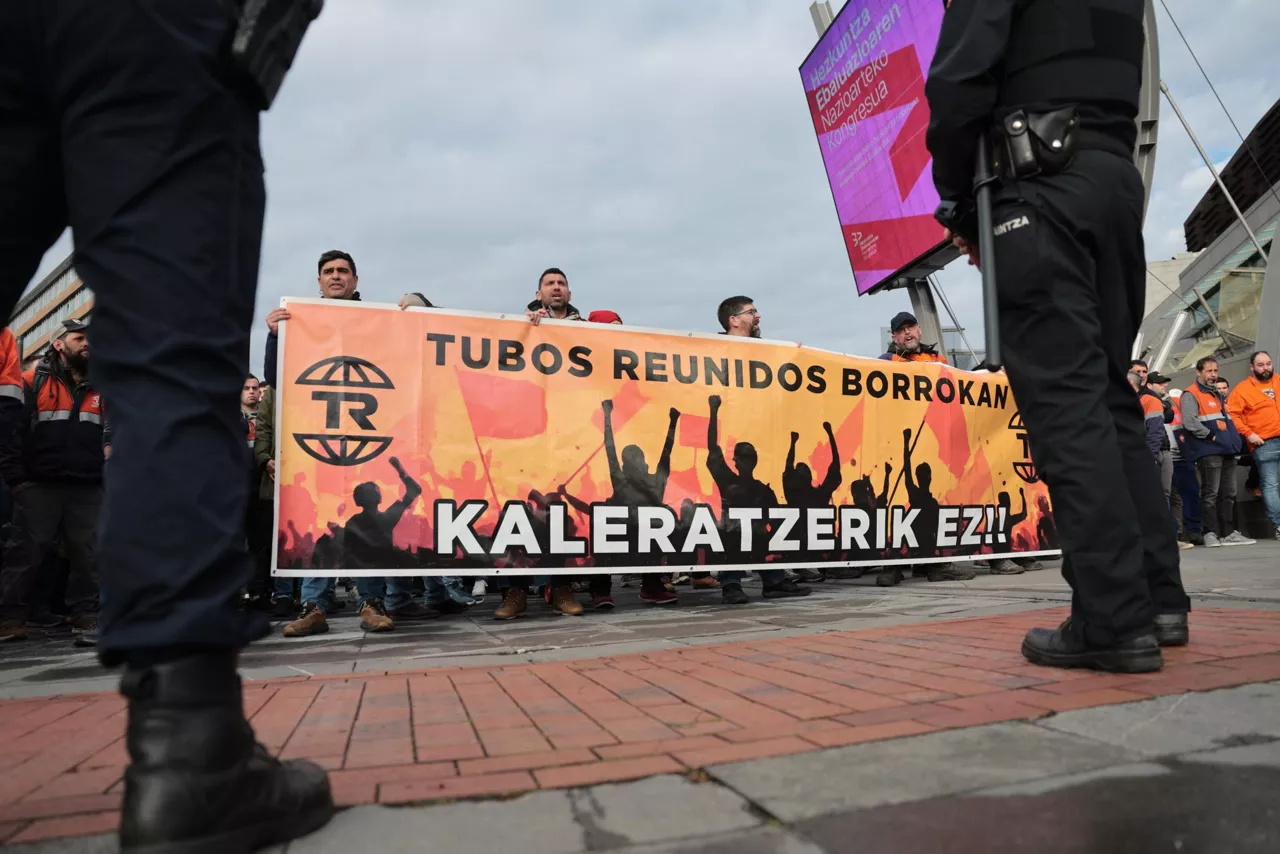
The five investors interested in buying Tubos Reunion will meet with the unions next week
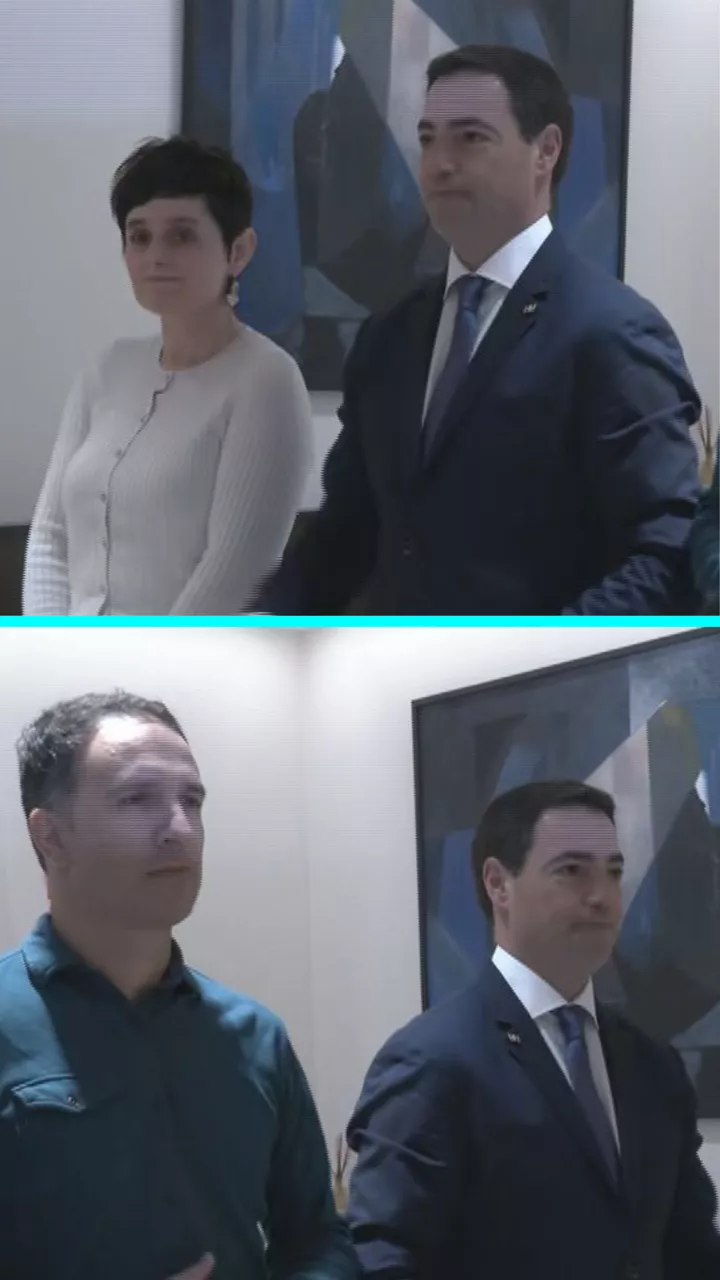
ELA and LAB demand "more leadership" from the government to convene employers to negotiate their own SMI
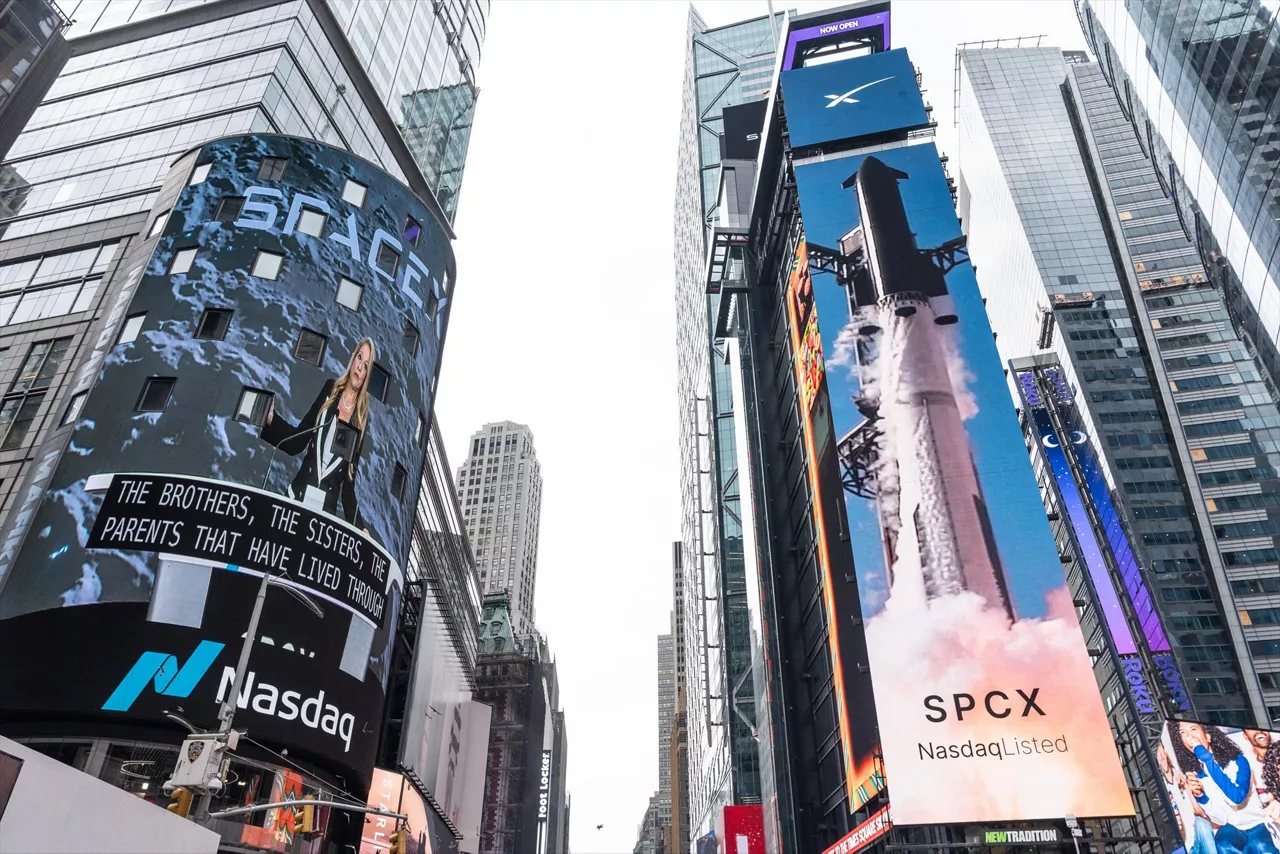
SpaceX and Tesla are considering merging to create a tech giant backed by Elon Musk
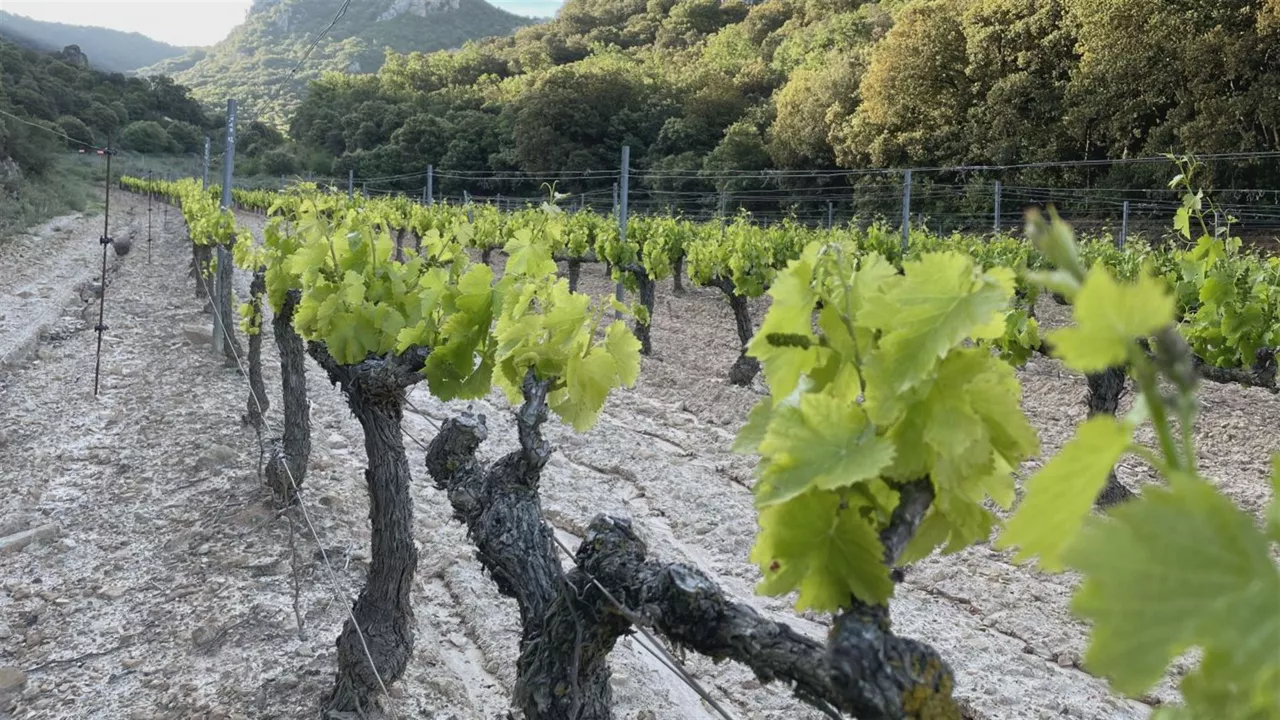
Wine unions announce mobilizations in Rioja Alavesa in search of an agreement

There will be news: the lehendakari meeting with ELA and LAB, the cold front and protests in France
Denis Itxaso advocates new measures to rent empty homes
The average income in the Basque Country increased by 7.2% in 2024, to 28,170 euros
LAB's General Coordinator calls for participation in the November 11 general strike to channel citizens "demands
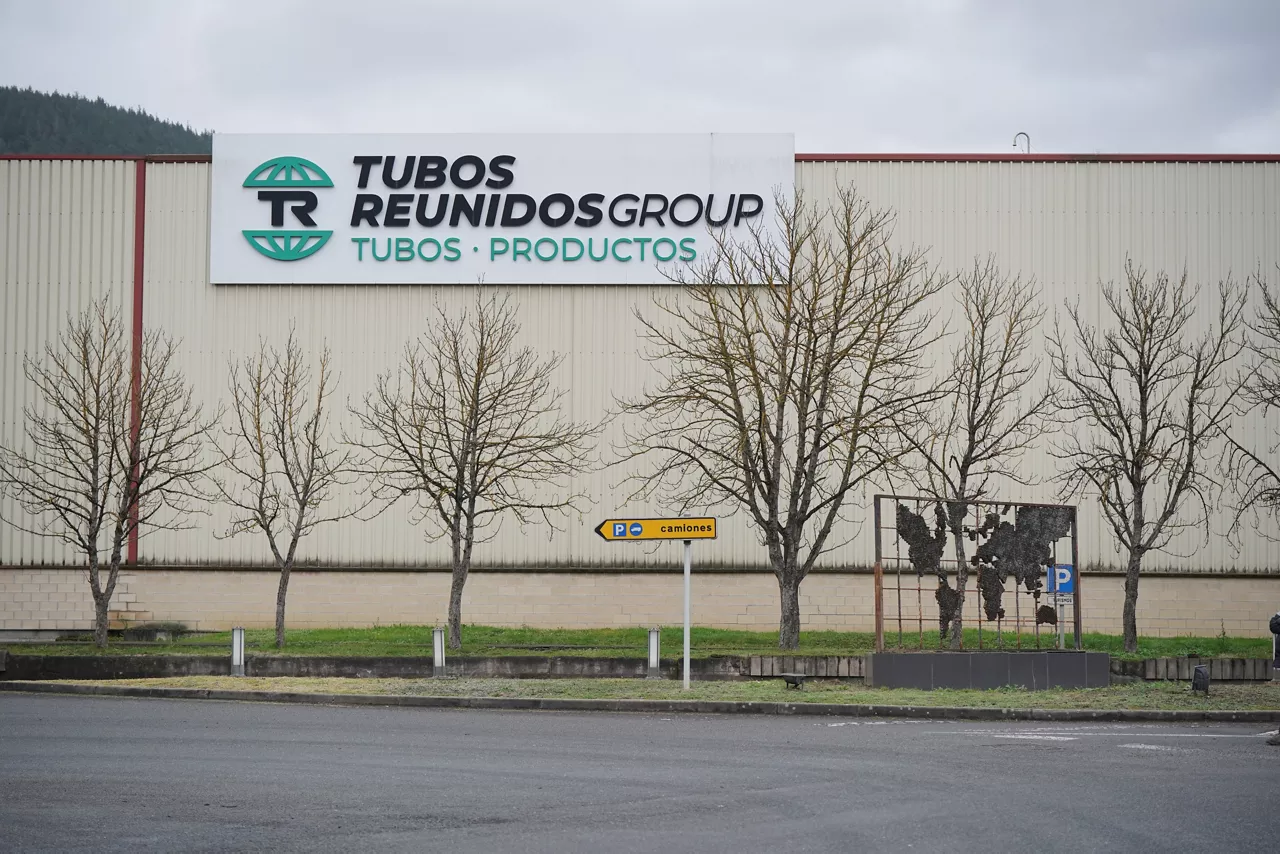
The top five offers from Tubos Reunion propose reducing staff and changing working conditions