Inflation in the euro area stood at 2.9% in July, rising by a tenth
The year-on-year rate just published by Eurostat is 3.8% in Spain, two tenths higher than in June, and 2.4% in France, four tenths higher than last month, with inflation rising most in the energy sector.

The rise in energy prices is driving the inflation of the hardliners.

Inflation in the euro area rose by a tenth in July and its year-on-year rate stood at 2.9%, after falling in June for the first time in the year, according to preliminary data published on Friday by Eurostat, the European Commission's statistical office.
The biggest inflation has been in energy, which has risen by 10% in July, after closing June at 8.5%, at a time when fuel prices are rising as a result of the war in the Middle East.
Food, alcoholic beverages and tobacco, on the other hand, have been the only products that have reduced their prices, rising by 1.5% in June to 1.2% in July.
The so-called underlying inflation, an index that excludes energy and food from the calculation at highly variable prices, has risen by a tenth, from 2.4% in June to 2.5% in July, a figure used by the European Central Bank as a reference for its monetary policy.
This data shows that, after the fall in June, inflation has recovered its upward trend, starting 2026 with an increase of 1.7%, in January, with a year-on-year increase of 1.9% in February, in March of 2.6%, in April of 3%, in May of 3.2%, in June it fell to 2.8% and in July it rose again, reaching 2.9%.
The year-on-year inflation rate has therefore been nine tenths above the 2% target set by the European Central Bank.
In Spain, harmonised inflation has been measured at 3.8%, two tenths higher than in June, and in France at 2.4%, four tenths higher than in the previous month. Lithuania is the country with the highest inflation (5.6%) and Estonia the lowest (2%).
You might like

The five investors interested in buying Tubos Reunion will meet with the unions next week

ELA and LAB demand "more leadership" from the government to convene employers to negotiate their own SMI

SpaceX and Tesla are considering merging to create a tech giant backed by Elon Musk

Wine unions announce mobilizations in Rioja Alavesa in search of an agreement

There will be news: the lehendakari meeting with ELA and LAB, the cold front and protests in France

Denis Itxaso advocates new measures to rent empty homes

The average income in the Basque Country increased by 7.2% in 2024, to 28,170 euros

LAB's General Coordinator calls for participation in the November 11 general strike to channel citizens "demands
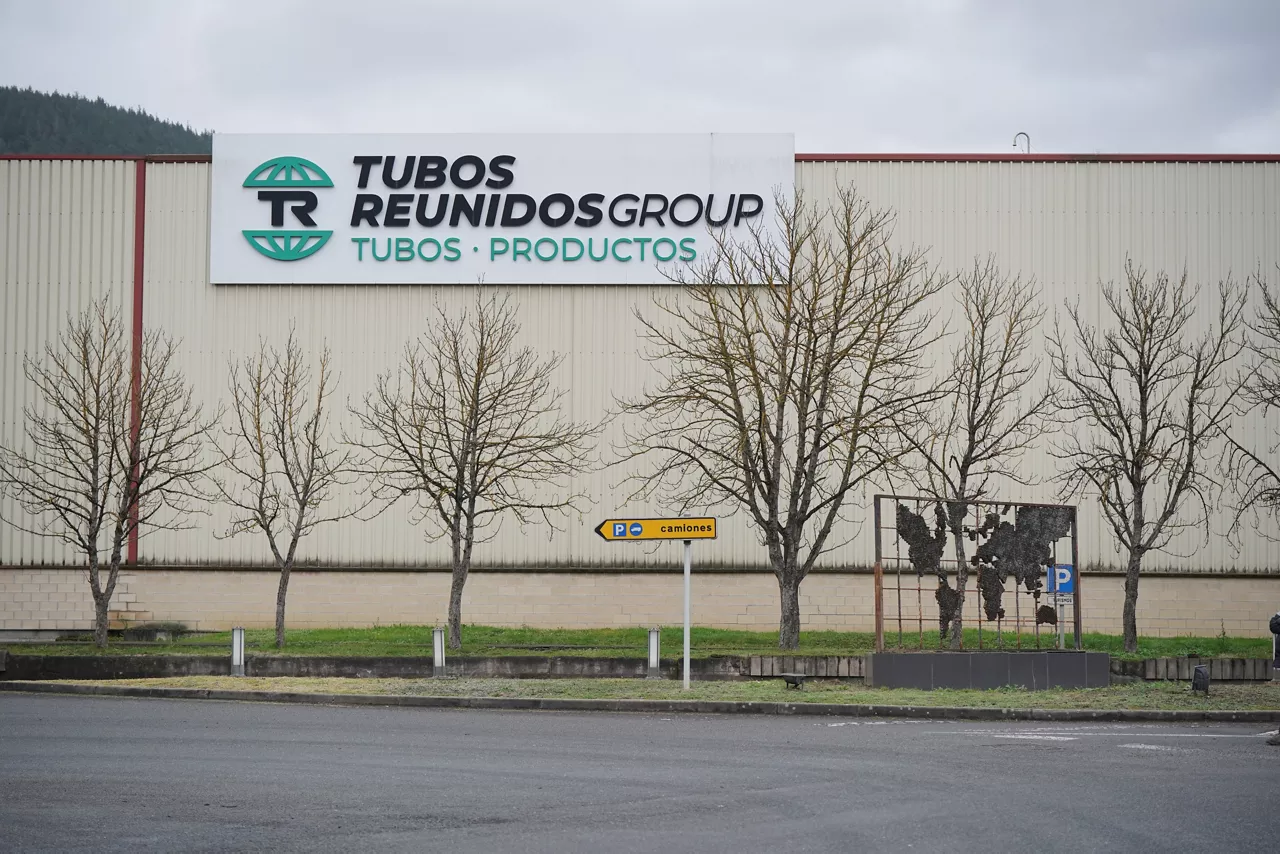
The top five offers from Tubos Reunion propose reducing staff and changing working conditions