The SCO warns that petrol and diesel have become more than 30% more expensive since the start of the war in Iran
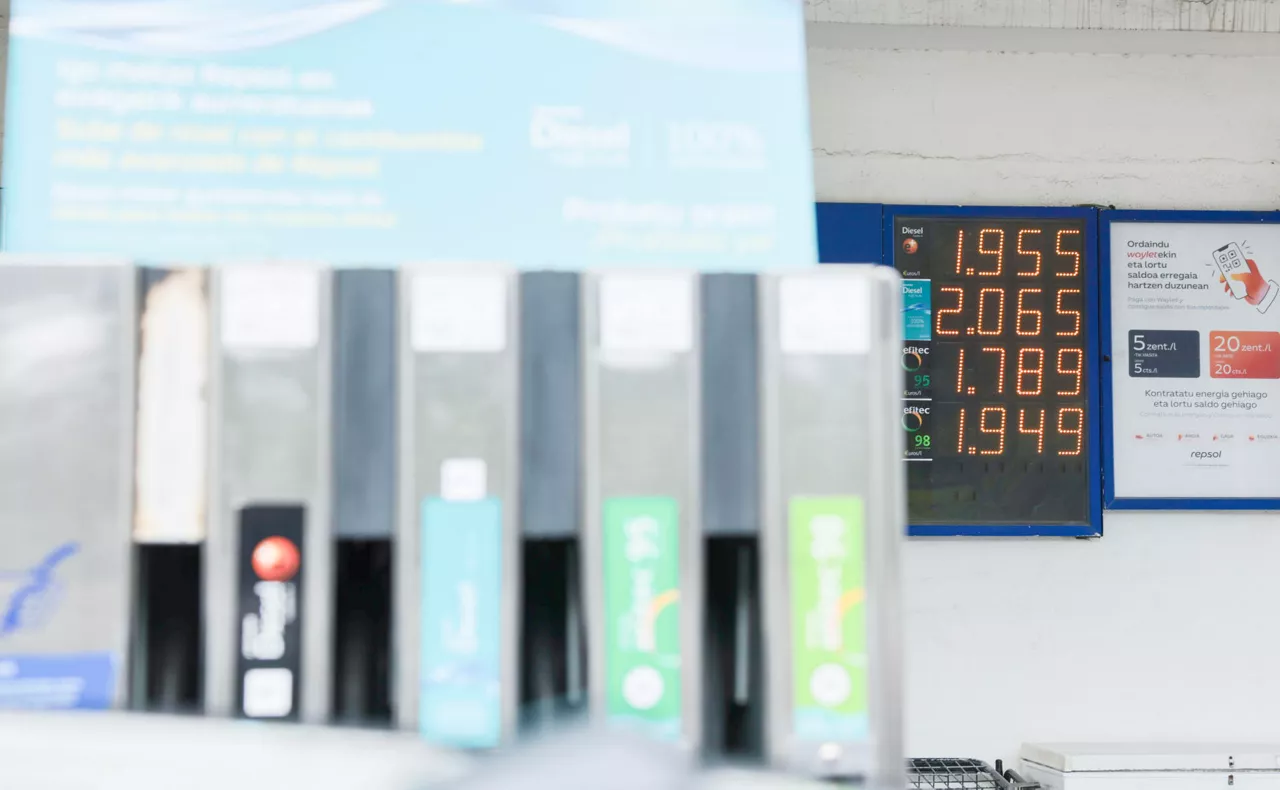
According to data released by the Consumer and User Organization (OCU), the average price of a litre of petrol between 28 February and 28 September has risen from 1.48 to 1.935 euros, and diesel from 1.437 to 1.931 euros.


Since the start ofthe war in Iran on 28 February, the price of petrol and diesel has increased significantly, in particular by 30.7% and 34.4% in the Spanish State, according to data released this Thursday by the Association of Consumers and Users (OCU), which has called for more measures and structural measures, along with a request to "closely" monitor price developments.
The SCO estimates that between 28 February and 28 September the average price of a litre of petrol has risen from EUR 1.48 to EUR 1.935 and diesel from EUR 1.437 to EUR 1.931.
Despite the Spanish Government 's approval of fuel discounts of 24 cents for diesel and six cents for petrol, prices have continued to rise.
The SCO highlights the "usefulness" of the measure to mitigate the impact ofthe crisis, but believes that the current inflation context requires "structural measures" as fuel prices are unlikely to return to last year's values.
It has therefore considered that 'additional measures are necessary ', such as direct aid to the public, given the level of income and the weight of fuel expenditure on the family budget, strengthening public transport, enhancing shared mobility and ultra-fast charging points for electric vehicles, as well as ensuring that fuel price reductions are carried out' as quickly as increases'.
You might like

Thousands of people take to the streets in demonstrations for the right to housing in Hego Euskal Herria
The G7 will release 100 million barrels of oil and diesel for four months

The 10 days of leading housing
Adegi detects high pessimism in Guipuzcoan companies, especially in industry

Unemployment rose in the Basque Country in September to 109,237 people, but the number of members also increased
The bar has described the decrees as "unconstitutional," adding: "Franco thought perfectly that private property could strengthen society."

The housing problem is complex and will not be solved by hasty decrees, according to Ubarretxena

Diesel and petrol have increased by about 32% in the ACV since the start of the Iranian war