Poland reopens trial to Basque journalist Pablo González
This has been ordered upon receipt of the documents issued by the intelligence services, and the trial could take place at the end of October or the beginning of November, with a request for sentences ranging from 3 to 15 years' imprisonment.

Basque journalist Pablo González, image taken from a video broadcast on EITB Media

The criminal proceedings against the Basque journalist Pablo González have resumed in Polandon charges of espionage for Russian military intelligence, andthe trial may take place in late October or early November . zA request for imprisonment of between 3 and 15 years .
For the time being, it has not made public the reason for the reactivation of the proceedings, since "such information is confidential", but the Warsaw District Court issued an orderon 11 July to resume proceedings after receiving documents provided by the intelligence services and the Prime Minister's Ministry.
The Basque journalist was arrested on the Polish border with Ukraine a few days after the invasion of Russia in February 2022 on charges of belonging to the Russian secret service.
He wasreleased in August 2024 in an exchangeof prisoners between Western countries and Russia handi and was received at Moscow airport by Russian President Vladimir Putin .
Gonzalez has been charged with a felony, so he must be at least at a first hearing to be read the charge against him and answer about his guilt.
In this context, summonses will be sent tothe accused's addressesin Warsaw, but he does not currently reside in Poland.
Gonzalez's agreement to leave the country did not prohibit his return, which means that there are no "formal obstacles"to possible explanations to the judges.
If the Basque journalist does not appear before the courts after being summoned, the Court may proceed in the same manner or issue an international arrest warrant to Interpol, which would allow him to be detained in other countries.
You might like
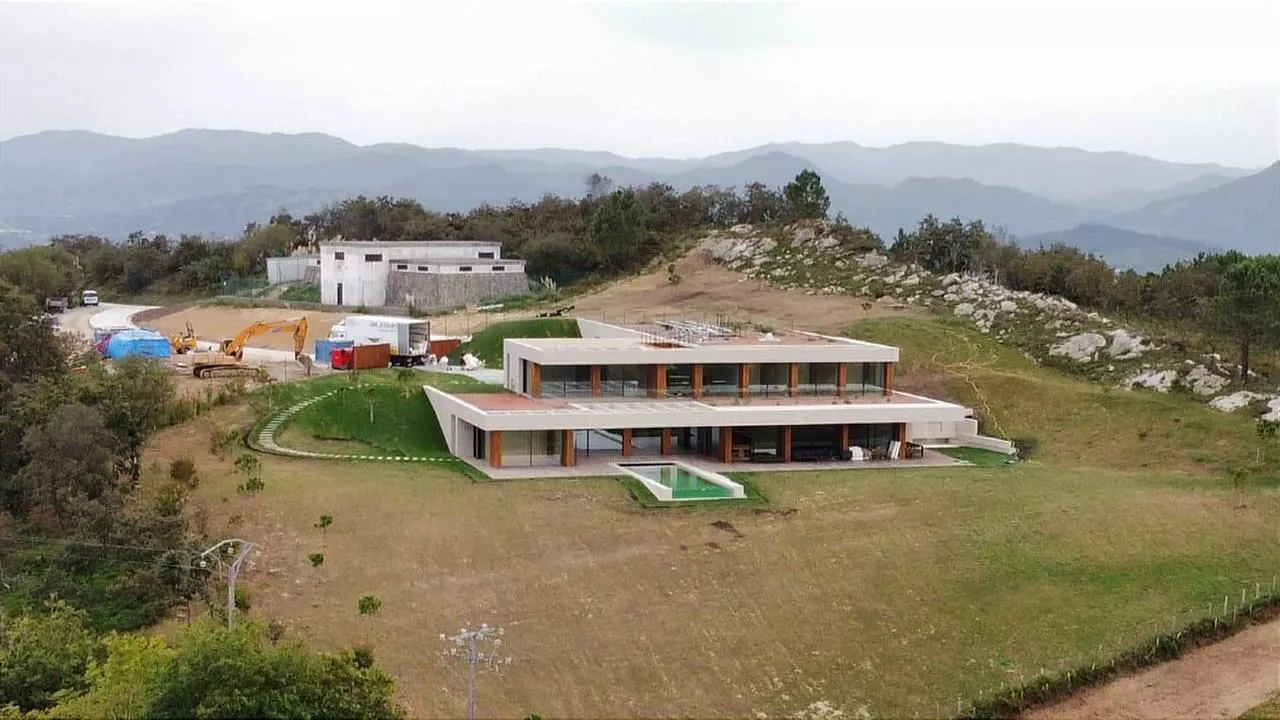
The TSJPV has ruled that the villa built by Xabi Alonso in Igeldo is legal
UPV/EHU will not renew its partnership agreement with CAF after five years of running
Lack of resources is the main cause of teacher stress in the ACV, according to a study
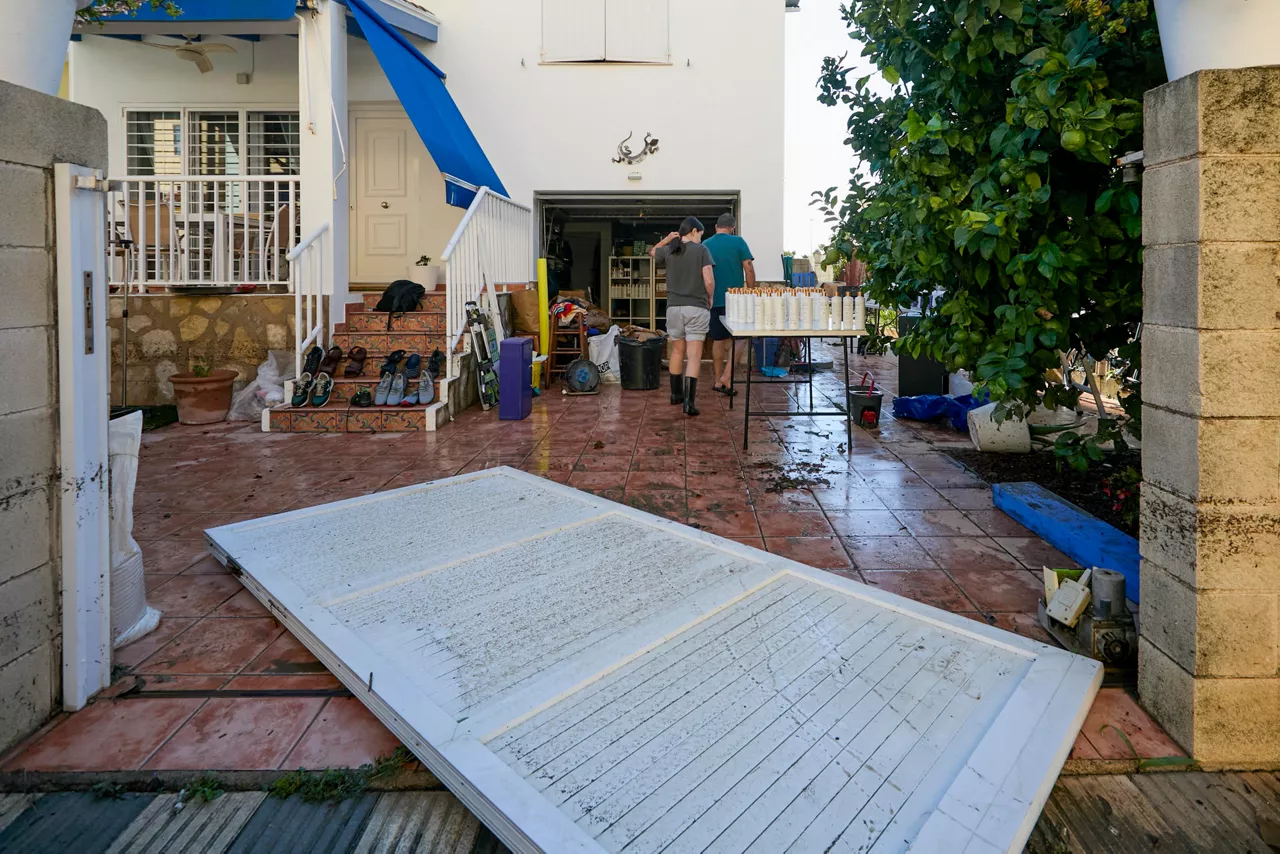
Residents are working to clean up the municipalities most affected by the isolated depression in the Adam Heights
Benta Berri residents will remain on protected rental terms
The Council will launch a virtual league between Guipuzcoan municipalities to promote healthy ageing
The storm has left two dead in Valencia, where the government is preparing a restraining order
The remains of Neanderthals have been found for the first time in Navarre in the caves of Abaunz

There will be news: Vaccinations in the ACV and flu vaccination in Navarre, Adam GOIDI and protests in France