
75% of young people receive information through social media, and only 13% identify fake news
More than 20% of young people are exposed to ideological and controversial content on a daily basis, yet the study notes that "they remain committed to equality, democracy or immigration".


74.6% of Basque youth receive news through social networks, especially Instagram. In addition, only 13.4% identify rumours, bulls or fake news. All the details of the study are reflected in the report "Youth , social networks and information 2025 "prepared by the Department of Welfare, Youth and Demographic Challenge of the Basque Government.
The presentation of the report was attended by the Deputy Minister for Youth and Demographic Challenge, Xabier Legarreta, and the Director of Youth and Emancipation, Adrian Lopez.
According to the study, 98.2% of young people surveyed use some social network every day, with an average of 3.3 social networks per day.
On the other hand, there has been an increase in the use of the Basque language on social networks, with 43.6% of young people using the Basque language on their networks, the majority of users being in Gipuzkoa.
With regard to fake news and bulls, 77.6% ofyoung people say they have been exposed to bulls in the last week, and only 13.4% think they are "very sure" when they see bulls. 34% of young people say they are not very sure that they can be identified, and 12.8% do not know whether the information they have seen included bulls.
One in five young people claims to have been harassed on social media by someone who sent him unpleasant messages and comments. Young women report being harassed more than young men, 26.5% and 16.9% respectively. Moreover, 31.7% of young people have received erotic or sexual content without their consent.
On the other hand, more than 20 per cent of young people are affected daily, voluntarily or involuntarily, by anti-immigration comments, criticism of the functioning of democracy and content to reject gender equality policies.
However, the report notes that "exposure to messages that call into question equality, are anti-immigration or critical of democracy, among other things, does not mean that young people adopt such ideas; in many cases, such a statement may lead to reflection, critical analysis and, consequently, to a strengthening of attitudes contrary to such speeches ".
You might like
The alleged thief who was shot by a police officer in Barakaldo has been released
The man threatened the cops with a knife and was arrested after the cops shot him in the leg.
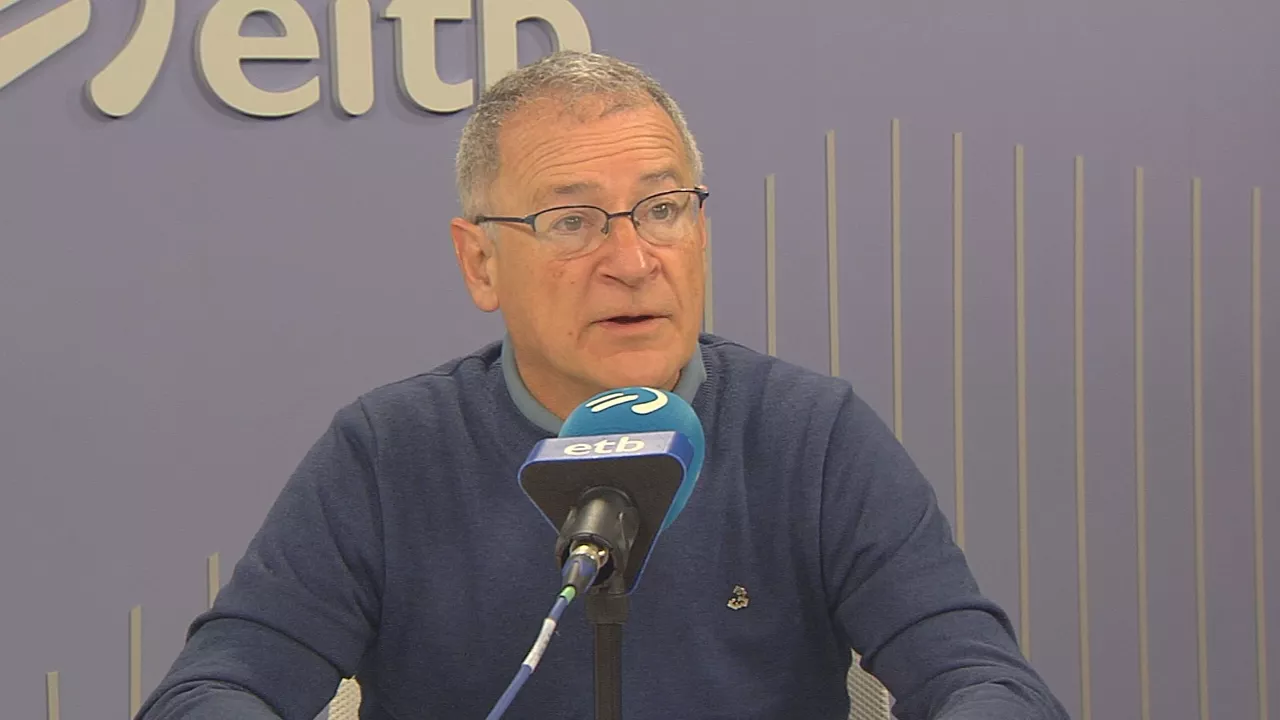
With regard to the placement of smoke cans and banners at the university, Bengoetxea denies temperance and insists that they are exceptions
The rector of the UPV/EHU has explained that they are preparing an action protocol with contributions from the entire educational community to promote respect and coexistence within the institution.

Two other men have been arrested in Vitoria on charges of stabbing a minor
Like the five young men arrested earlier, they are between the ages of 19 and 20. The Ertzaintza found a bag with knives and hammers in the car and confiscated them.
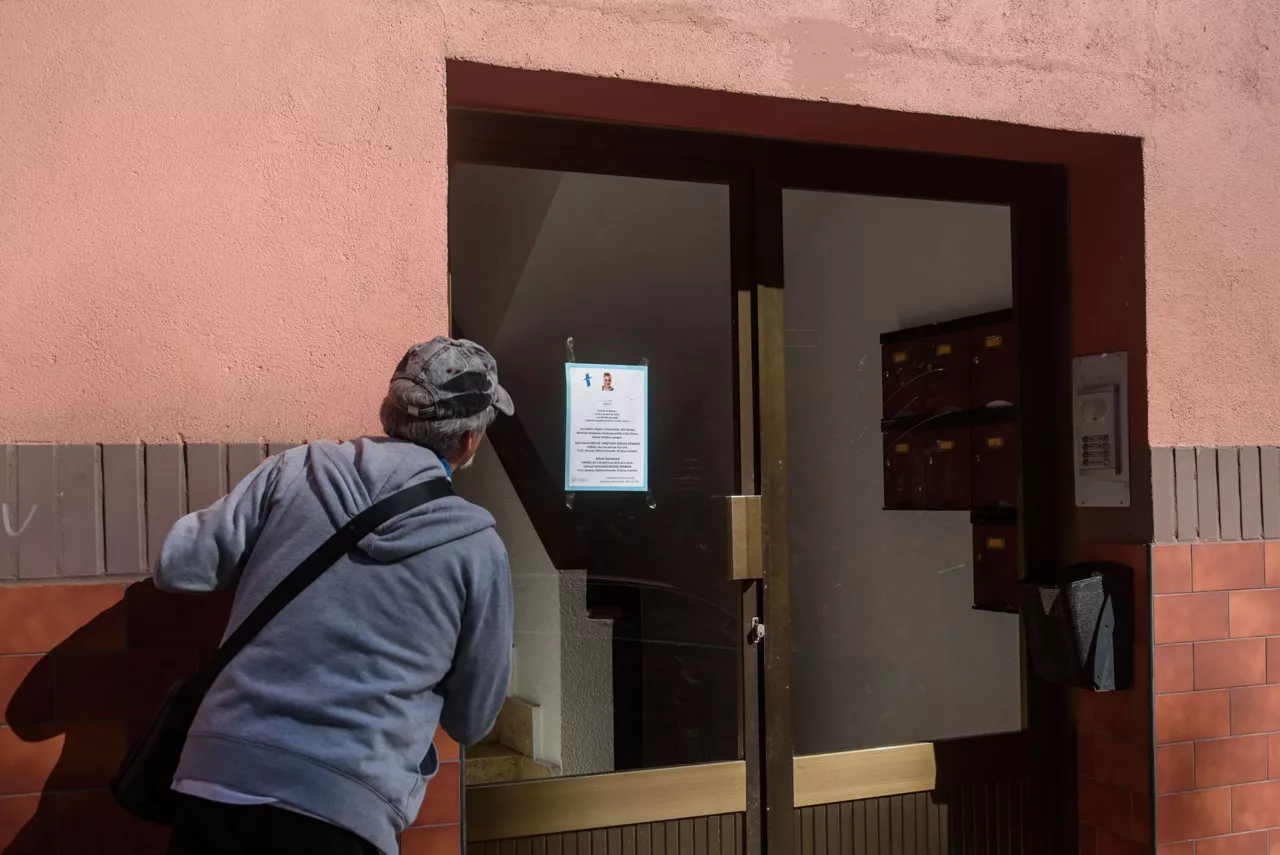
The alleged perpetrator of the macho murder in Basauri is brought before the judge
The 45-year-old man was taken to court around 3 p.m. and at 5 p.m. he was still there.
A 17-year-old escaped a police checkpoint with a car without insurance or ITV in Beriain
The minor stole the keys to the car from the mother and after a dangerous chase asked the agents "if it would be published in the Insta."
The five young men arrested in Murgia for stabbing a minor are still in police custody
The attack took place on Thursday afternoon on Oto Avenue in Vitoria-Gasteiz.
A man has been arrested in Barakaldo on charges of threatening police officers with knives to deal with a violent robbery
The officers tried to stop the man with a taser gun, and seeing that they didn't get it, they shot him in the leg.
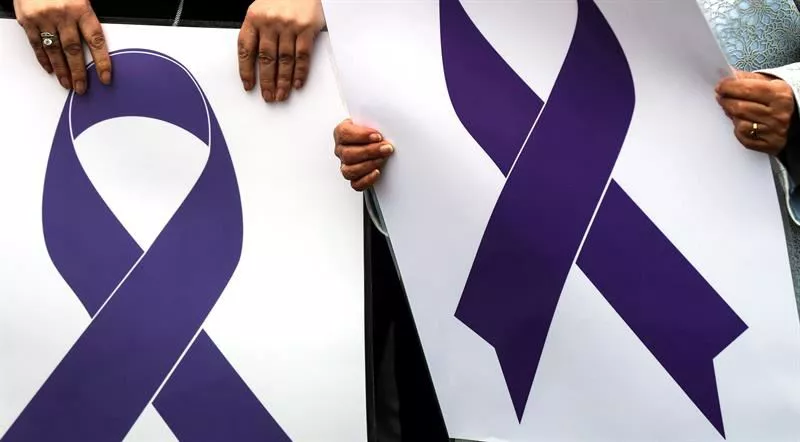
Another rally this afternoon in Basauri to condemn the macho murder
It will be at 12:00 in the A-25 square in the town of Biscay, the same place as the feminist groups held yesterday.
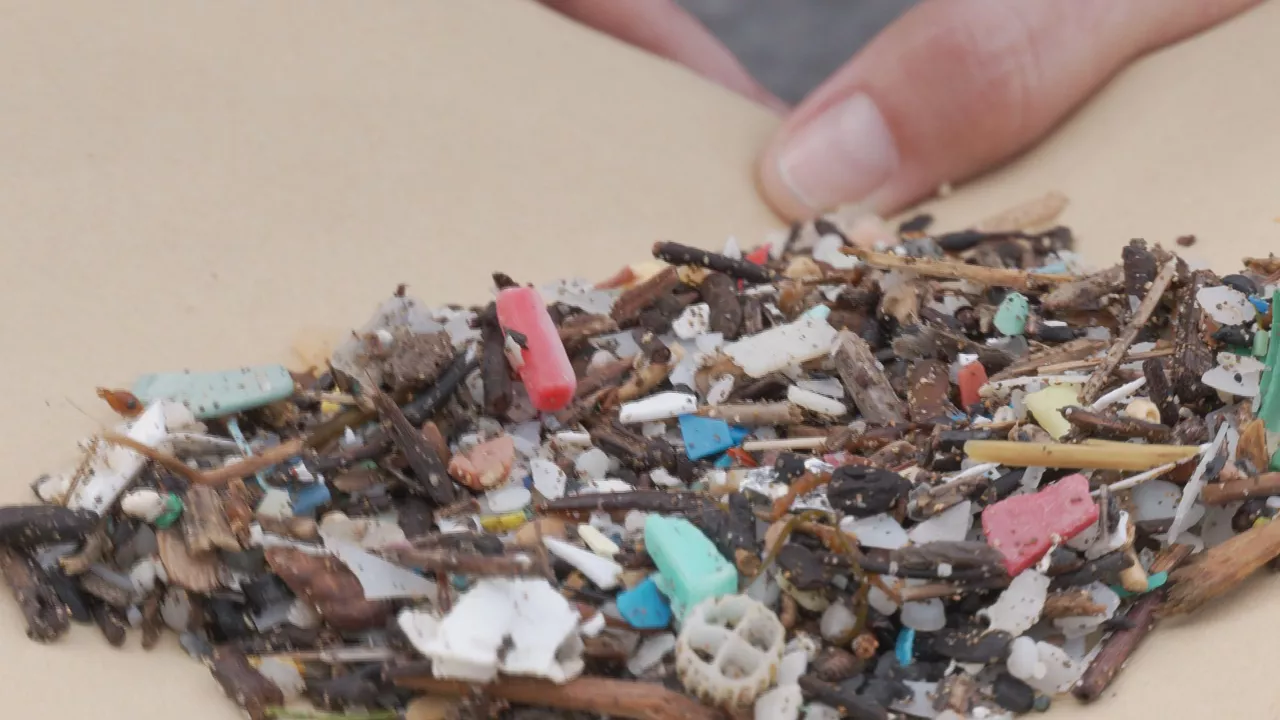
Escape the beach, full of microplastics
Due to the storms of the last few days, the beach of Itzurun in Zumaia appeared yesterday full of microplastics. Naiara Malave, a member of Begi Bistan who works in the Geopark of the Basque Coast, stresses that the problem is global and one of the consequences of the excessive use of plastic in recent decades.
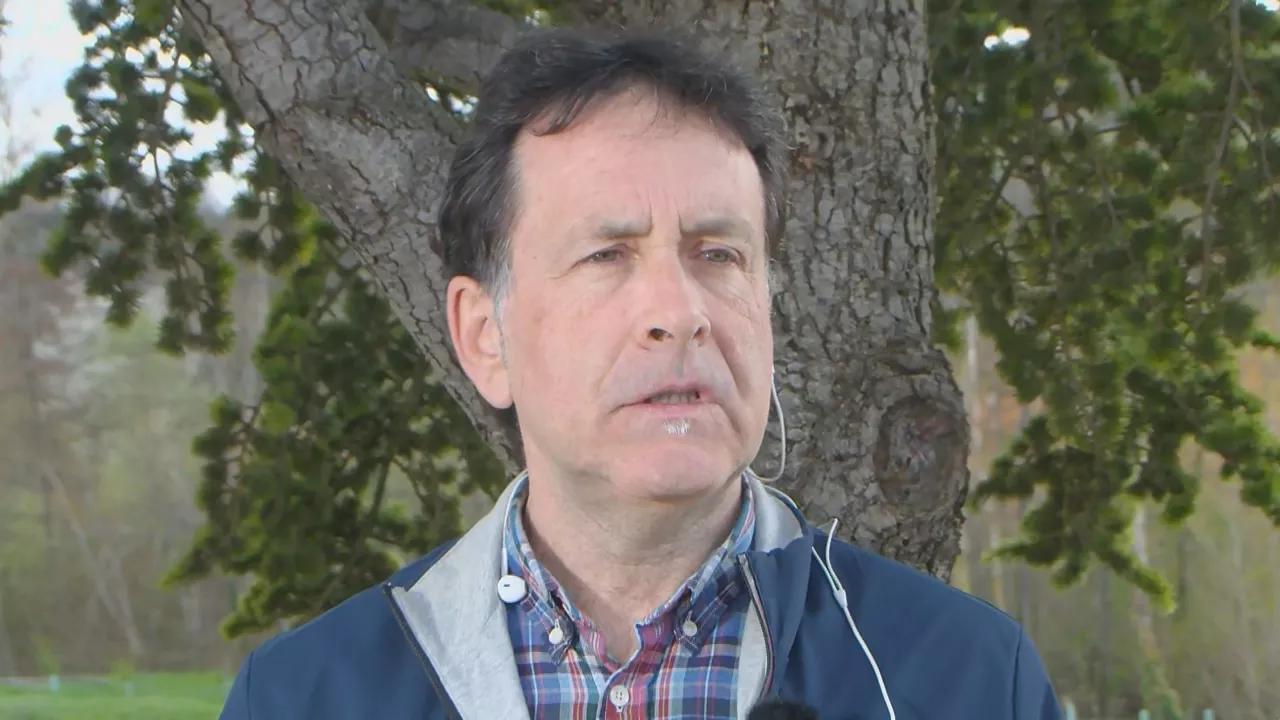
Asier Iragorri, mayor of Basauri: "Even today you hear speeches that macho violence does not exist."
The mayor of Basauri has "strongly" condemned the macho murder in the municipality and regretted that there are still speeches among the population saying that male violence "does not exist" or that they play down the problem, so he believes that work needs to be done from all quarters to be able to address the issue.