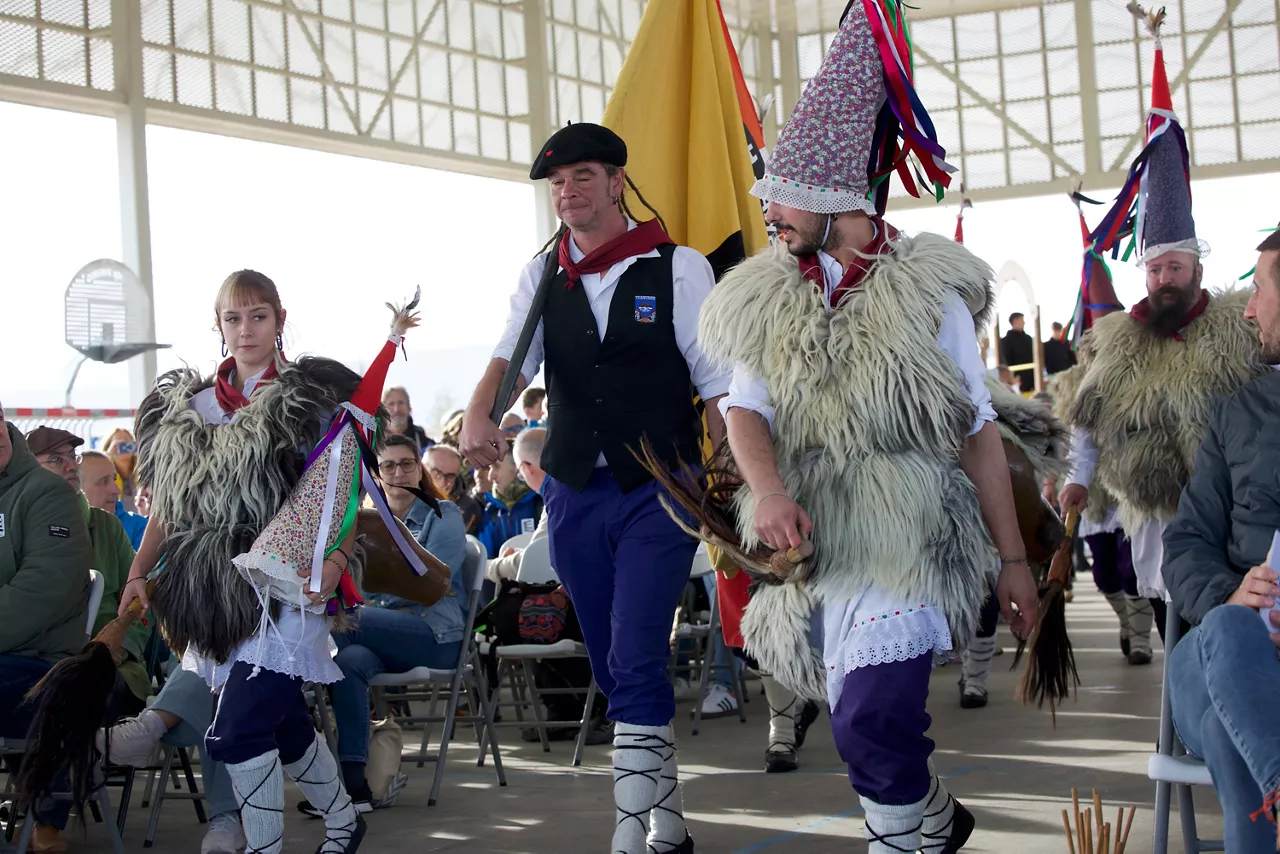
The Basque Country has lifted the ban on holding livestock fairs, but will maintain measures to control nodular dermatosis
These measures will be in force until 15 January, and an extension or reduction of the deadline will be assessed depending on the epidemiological situation.


The Basque Government has decided to lift the ban on holding livestock fairs in force since last October. The measure was introduced last October following the detectionof nodular dermatosis of cattle in various communities of the Spanish State and in France. However, the Government will maintain a package of measures to reduce the risk of the disease entering and spreading in the Basque Country.
The Agriculture Adviser of the Basque Government, Amaia Barredo, has confirmed that the restriction that prevented the organisation of fairs will disappear, but that the different obligations affecting the movement and control of animals will continue. All these measures will be in force until 15 January, although the Basque Government will assess the extension or reduction of the deadline depending on the epidemiological situation.
Disinfection of vehicles and animals in all movements shall continue to be mandatory, unless the destination is the slaughterhouse.
The entry of animals from restricted areas, with the exception of those vaccinated against the disease, shall be prohibited. Furthermore, once the restricted areas meet the requirements laid down by European legislation for the movement of animals, the Basque Country may not be prevented from entering, but may require additional controls, surveillance and monitoring.
Similarly, for any animal that enters farms outside the Basque Country and is not directly destined for slaughterhouse, a veterinary surveillance check of 21 days shall be applied, which may be shortened or extended in accordance with the risk assessment carried out by the veterinarian responsible.
You might like

The Council will launch a virtual league between Guipuzcoan municipalities to promote healthy ageing
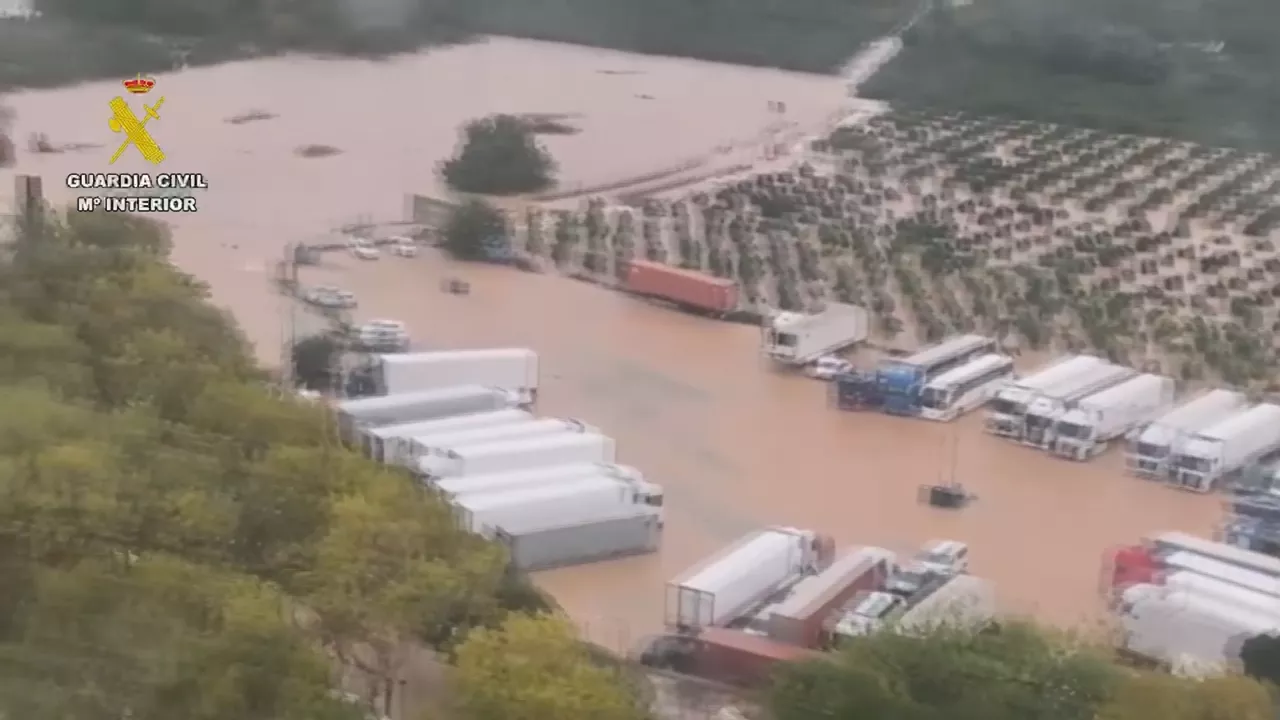
The storm has left two dead in Valencia, where the government is preparing a restraining order
The remains of Neanderthals have been found for the first time in Navarre in the caves of Abaunz

There will be news: Vaccinations in the ACV and flu vaccination in Navarre, Adam GOIDI and protests in France

The Invisible Breast Cancer Bill
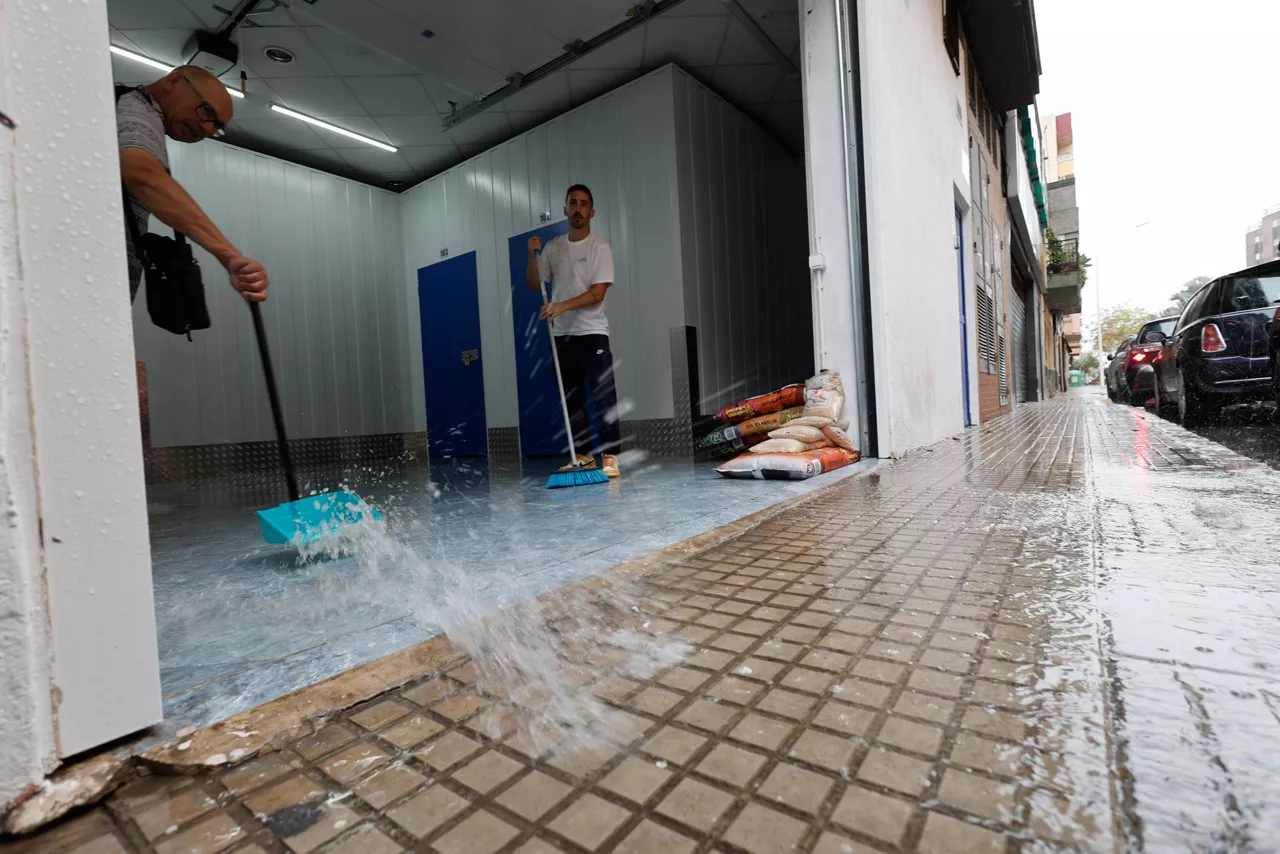
Red alert continues in Valencia and Alicante for storm Adam heading for Catalonia

More than 200,000 people are called to be vaccinated against influenza and covid in Navarre today
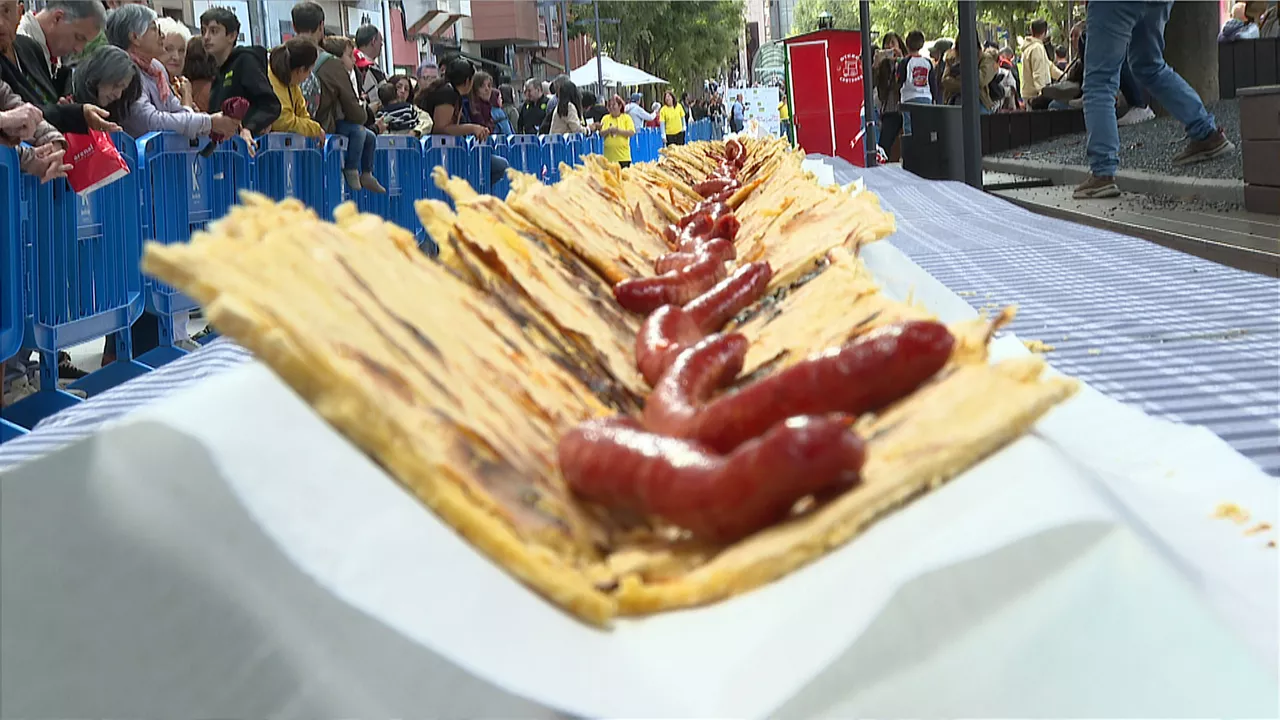
A talo with record jokes: Barakaldo gets the longest in the world
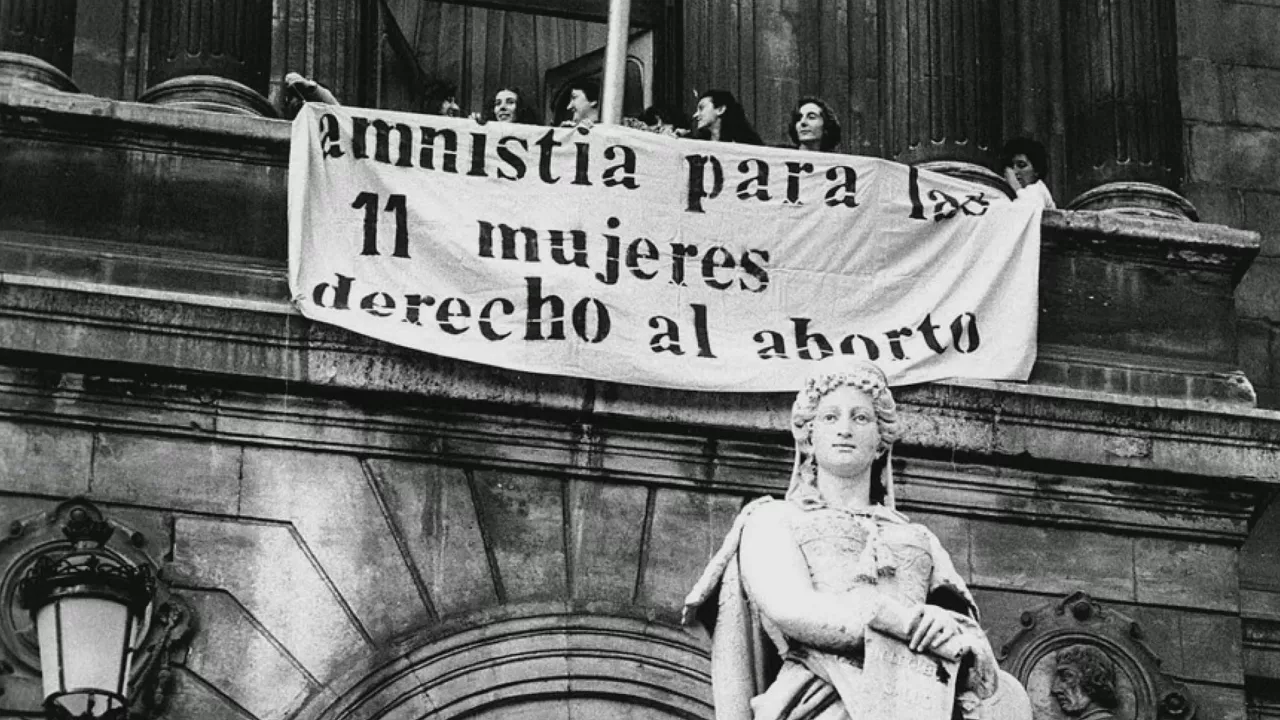
The "Basauri Eleven" case, convicted of abortion in the 1970s, turns 50