
Osakidetza will offer 1,800 patients who have been waiting for more than 6 months to be operated on in concerted centres
Alberto Martínez has said that if the Spanish Ministry of Health "is not in a position to renew the Framework Statute", Euskadi is prepared to undertake the transfer.


Osakidetza will offer a voluntary option to operate in concerted health centres to 1,794 patients who have been waiting for more than 180 days today. This list has been increased as a result of the medical strike, which is due to the negotiation of the Framework Statute, which has been declared to be the exclusive competence of the State by the Health Counsellor, Alberto Martínez.
Martinez regrets that even after another week of medical strike, the situation remains blocked "in a scenario of no dialogue." According to him, "another opportunity has been missed," and as time goes on, "everything suggests that the protest will continue in May, even in June," and even "no prospect of a solution."
Stresses that the reason for the strike is the Framework Statute, and that since this law is the exclusive competence of the Ministry of Health, "the origin and solution of this conflict lies at the State level".
However, it warns that the strike also has other consequences, especially the increase in waiting lists. In this regard, it criticizes the fact that the Ministry "is neither expected nor expected" because it is the Autonomous Communities that manage their health services.
"Why do we need a Ministry of Health if in a crisis over a basic law the minister points to communities"
In this regard, it has reiterated that if the Ministry of Health "is not prepared to renew the Framework Statute", the Basque Government is prepared to undertake the transfer of this competence and has considered it "disappointing" to see that the agendas of the Ministry and the Basque Government may be so different, since "in the midst of a crisis of work and health, when the National Health System needs special attention from the Ministry, the Minister has prioritised other matters without sitting down to negotiate and pointing them out to the Autonomous Communities".
Martinez said that "in the face of the Ministry's opportunistic and electioneering agenda, the health agenda in the Basque Country has two clear priorities: patients and professionals", and asked, "If in a crisis over a basic law the minister blames the communities, why do we need the Ministry of Health?"
'I would ask another question: is there anyone in the Ministry of Health? 'he added, while ensuring that the Basque Government' has recognised and assumed its powers from day one 'and that its position' has been, is and will be to listen, to talk and to seek agreements'.
He has stressed that the Department of Health has developed an agenda for patients through a shock plan and recalled that by the end of 2025 the waiting lists had pre-pandemic data, while noting that they have "discussions and agreements" with all professional actors, with the consensus reached at the sectoral table and at bilateral meetings with all trade unions.
In the same vein, he explains that in recent weeks he has promoted direct meetings with health professionals of several generations, separated from those over 50 and under, to "listen without intermediaries, to know directly their concerns and proposals, and to understand the core of the grief that is being expressed from the professional field."
Furthermore, it states that the relationship with the Medical Union of the Basque Country is "fluid and constant" and that "progress is being made in assessing the claims of an autonomous nature and therefore of the competence of the Basque Government".
He stresses that this work is being carried out "with responsibility and realism", knowing that the agreements that can be reached at the autonomous level will not lead to the strike being called off, "since it is a state mobilization aimed at the Ministry of Health", and therefore reiterates: "We can do much or little, we can conclude all possible agreements, but the solution to the reason for the strike is not up to us; our ability to reach agreements depends on the negotiation of the Ministry".
Professional interviews
At this point, Alberto Martínez has announced that "in view of the priority of the ministerial agenda", the Department of Health will continue to talk and work with professionals by the hand of professional unions, and has advanced that at the sectoral table on 6 May an agreement will be reached on the decree granting time for the training of residents in the professional career.
With regard to patients, he explains that the minimum services have ensured the care of oncological patients and pathologies whose prognosis will depend on the weather.
More than 180 days of waiting.
For the duration of the strike, the Department of Health will offer people who have been waiting for more than 180 days for a surgical operation - currently 1,794, when it was 189 in November last year - the voluntary option of being operated in the agreed centres, "using the derivations that we have hitherto contracted, so it will not entail any additional cost", announced Martínez.
The aim, he stressed, is "to provide care for patients in accumulated waiting times and to speed up waiting lists, using legal mechanisms and respecting the freedom of choice of patients".
It will also be transferred to the Ministry of Health next week, in writing and officially, 'to assume realistically and honestly the negotiation of the Framework Statute' and to propose the transfer of this competence to the Basque Country.
You might like

Olentzero's Magic Forest: Zornotza's New Christmas Light Park
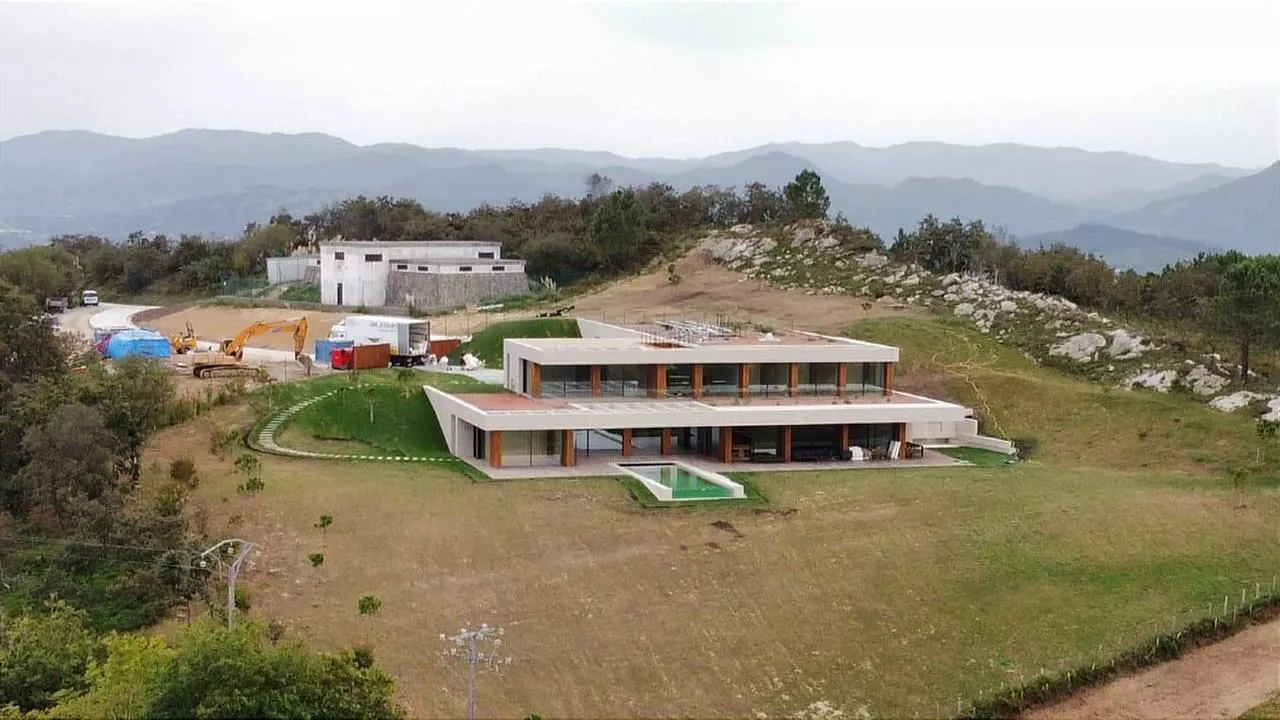
The TSJPV has ruled that the villa built by Xabi Alonso in Igeldo is legal
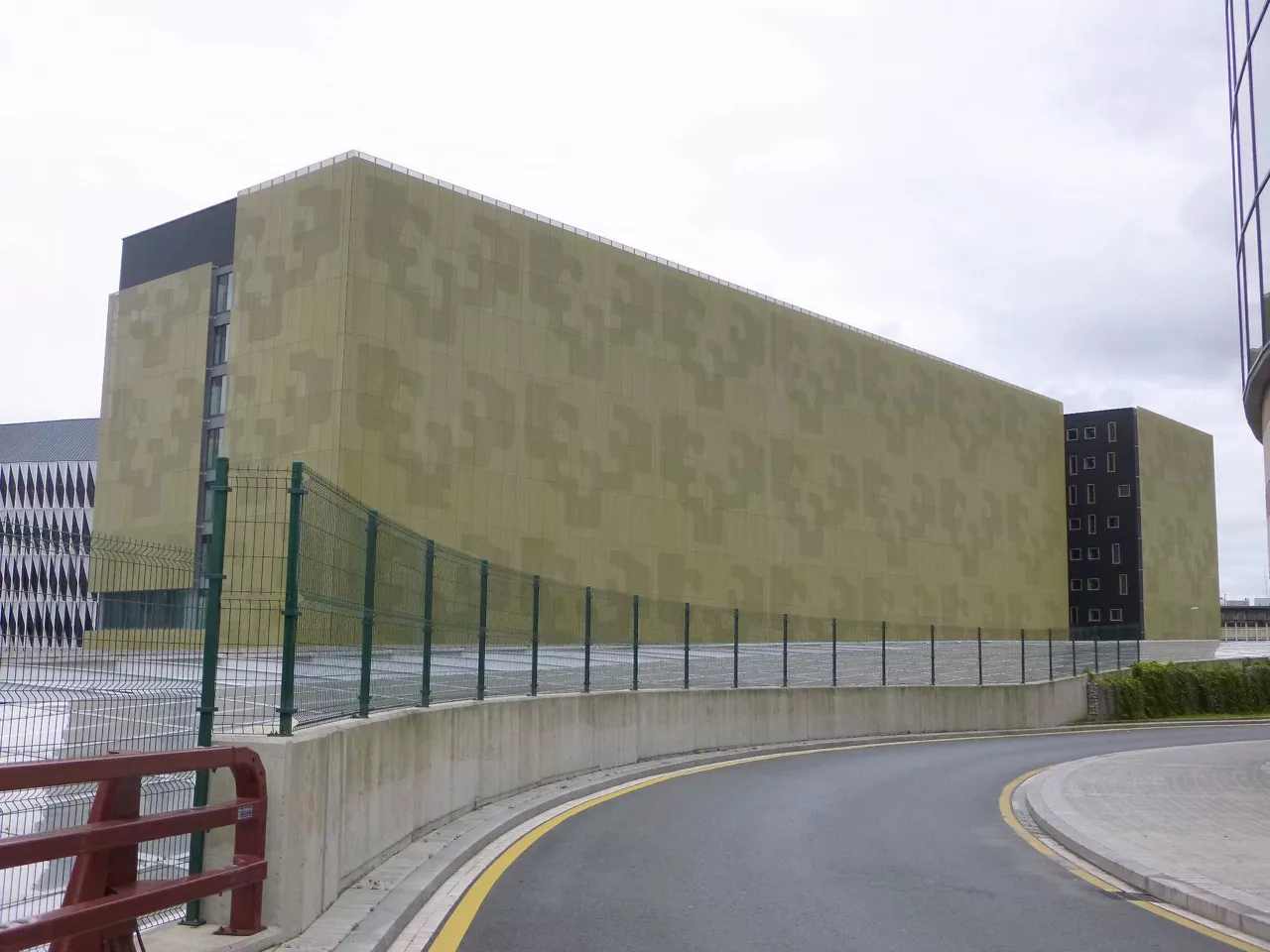
UPV/EHU will not renew its partnership agreement with CAF after five years of running
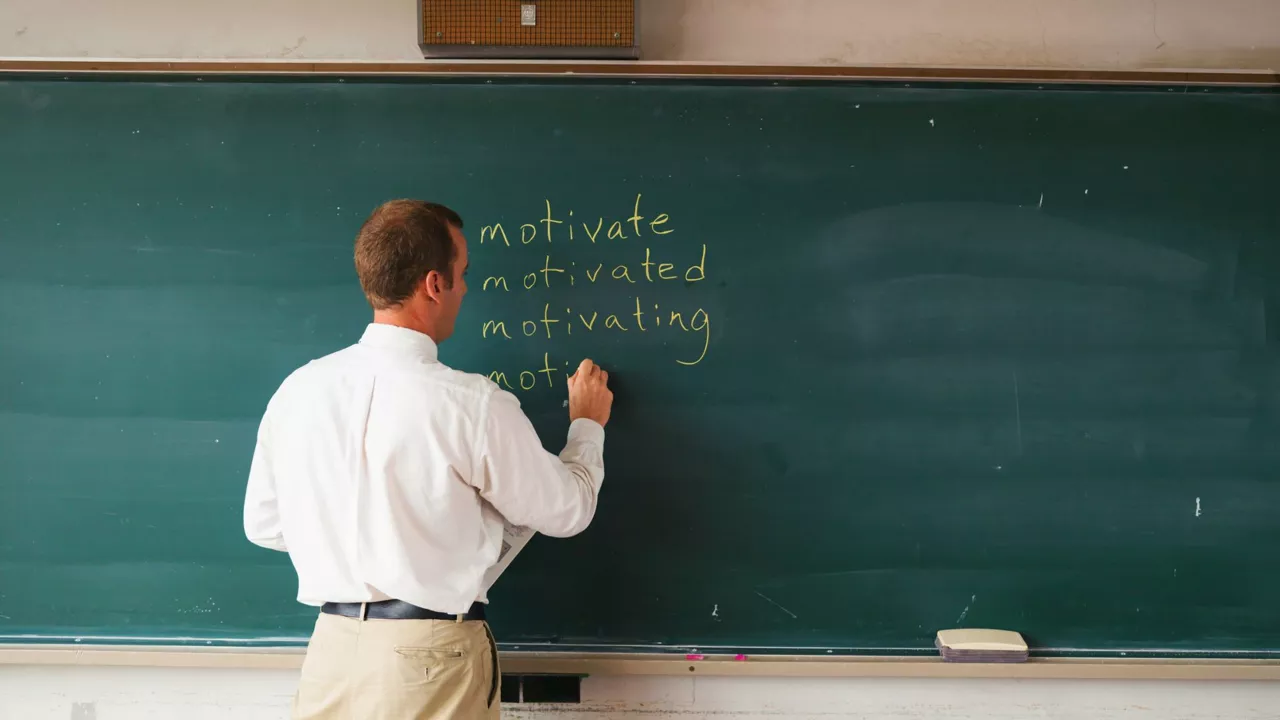
Lack of resources is the main cause of teacher stress in the ACV, according to a study
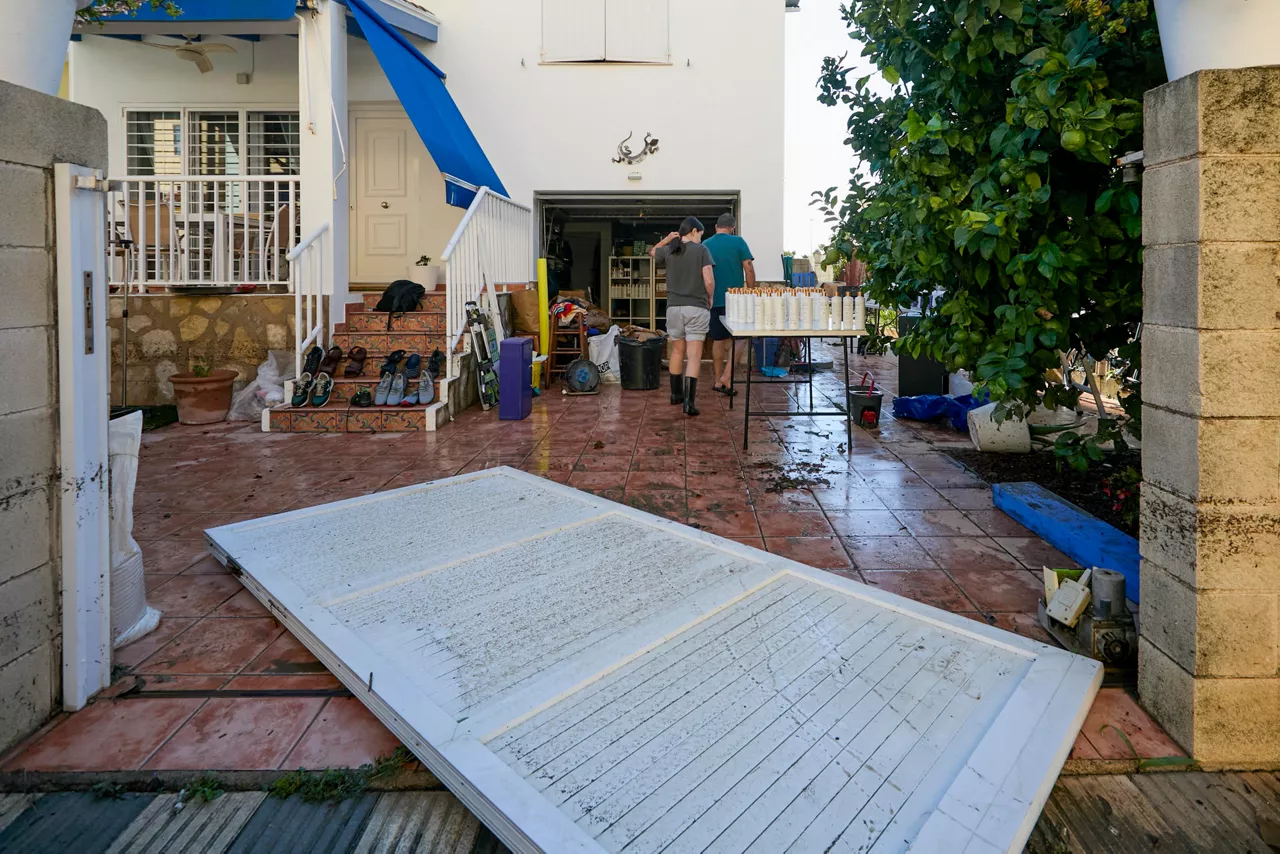
Residents are working to clean up the municipalities most affected by the isolated depression in the Adam Heights
Benta Berri residents will remain on protected rental terms
The Council will launch a virtual league between Guipuzcoan municipalities to promote healthy ageing
The storm has left two dead in Valencia, where the government is preparing a restraining order
The remains of Neanderthals have been found for the first time in Navarre in the caves of Abaunz
