They have developed a guide on economic abuse and financial abuse of the elderly
The document contains warning signals such as increased bank movements, piling up unpaid bills or over-control of money by someone else.

An elderly person with a computer. Stock Photo: Europa Press

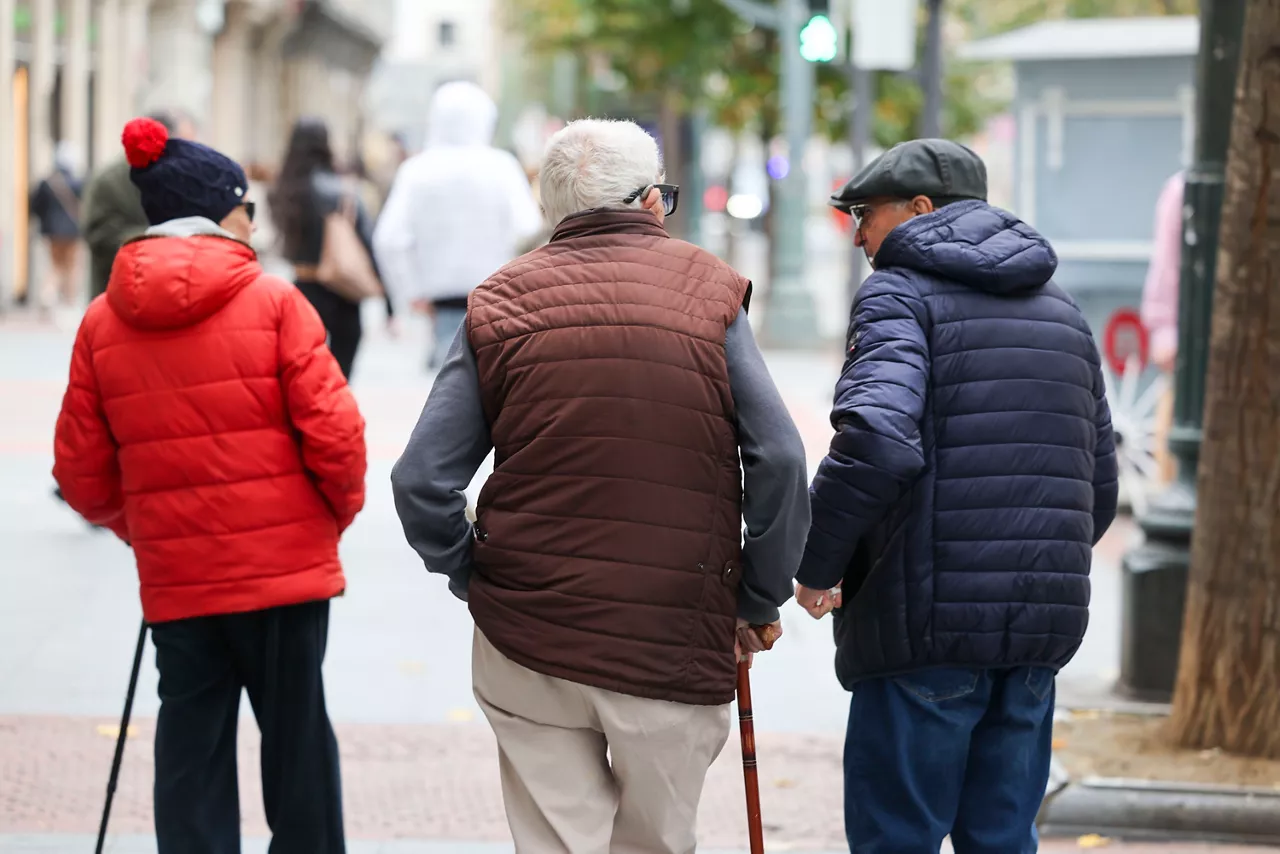
A guide prepared by the Basque Government has focused on the economic and/or financial abuse suffered by some elderly people, a type of violence that occurs in the immediate environment and is often presented as support or carefor their own benefit.
The document, which is divided into several sections, explains that this type of abuse can manifest itself in wayssuch as the unauthorized use of bank accounts or cards, the appropriation of pensions or subsidies, the obligation of older people to make financial decisions that are not really understood, or the use of telephone scams and digital scams.
The guide also identifies factors that can increase risk, such as loneliness, dependence on management, difficulties with technology , or cognitive impairment.
In addition, it receives several warning signals , including unusual bank movements, piling up unpaid bills or over-control of money by someone else.
As a preventive measure, it recommends calmly reviewing economic documentation, not sharing bank keys unless necessary, and consulting professionals before making important decisions.
In the event of suspicion, the person concerned should be treated with respect, gather available information and, depending on the circumstances, address banks, social services, security forces or legal advice.
Many people who suffer from these situations feel shame, fear, or emotional dependence on the person who hurts them, so it's very important not to judge or blame the older person, and it's not good to argue or confront them directly.
It's better to listen carefully, to believe what the person is telling, to help them and to help them without forcing them to make decisions.
At the end of the publication, the guide recalls that the need for assistance does not imply the loss of the ability to decide on the assets and stresses the importance of protecting the autonomy, dignity and rights of the elderly.
You might like

The TSJPV has ruled that the villa built by Xabi Alonso in Igeldo is legal

UPV/EHU will not renew its partnership agreement with CAF after five years of running

Lack of resources is the main cause of teacher stress in the ACV, according to a study

Residents are working to clean up the municipalities most affected by the isolated depression in the Adam Heights

Benta Berri residents will remain on protected rental terms
The Council will launch a virtual league between Guipuzcoan municipalities to promote healthy ageing

The storm has left two dead in Valencia, where the government is preparing a restraining order
The remains of Neanderthals have been found for the first time in Navarre in the caves of Abaunz

There will be news: Vaccinations in the ACV and flu vaccination in Navarre, Adam GOIDI and protests in France