The Portuguese Carabelas stung 29 people this weekend, and five were taken to the hospital
More and more copies are arriving on the coast of Bizkaia and Gipuzkoa, which has led to the activation of the protocol on several beaches over the weekend by the relief services, which have forced the transfer of five people to health centres.


Portuguese carabelas are constantly reaching the beaches of Bizkaia and Gipuzkoa. Without going further, 29 people have been bittenthis weekend, five of whom have had to be transferred to health centres, as confirmed by the Department of Health of the Basque Government. In this context, the relief services have had to activate warning protocols on more than 15 beaches.
On Friday, July 17, the specimens appeared in La Arena (Muskiz-Zierbena), Ereaga, Azkorri-Gorrondatxe and Barinatxe (Getxo), as well as in Arrietara-Atxabiribil (Sopela). In total there were four punctures: one in La Arena, the second in Arrieta, another in Barinatxe and the last in Karraspio (Mendexa).
On Saturday, July 18, the carabelas spread to Barrika (Muriola), Ibarrangelu (○
Yesterday, Sunday, the carabelas were seen in Plentzia, Gorliz, Aritzatzu (Bermeo), Bakio, Ean and Orio. Two punctures were recorded in Armintza (both were transferred to the health centre) and one case was reported in Laga, Azkorri, Barinatxe, Arrietara, La Arena, Karraspio, Ea, Isuntza, Zumaia and Orio.
Protocol of Action on the Beaches
The rescuers, according to the number of specimens detected, take different measures:
- Yellow flag and jellyfish icon: Megaphone warning for extreme caution in bathing.
- Red flag: Total ban on bathing in the sand for dangerous specimens.
The authorities remind Iwhen they should not be touched, even if they are dead. If they are bitten, they must immediately go to the relief post, clean the bitten area only with seawater (never sweet water), remove the remains of tentacles with tweezers and apply cold for five minutes with a plastic bag.
You might like

The Council will launch a virtual league between Guipuzcoan municipalities to promote healthy ageing
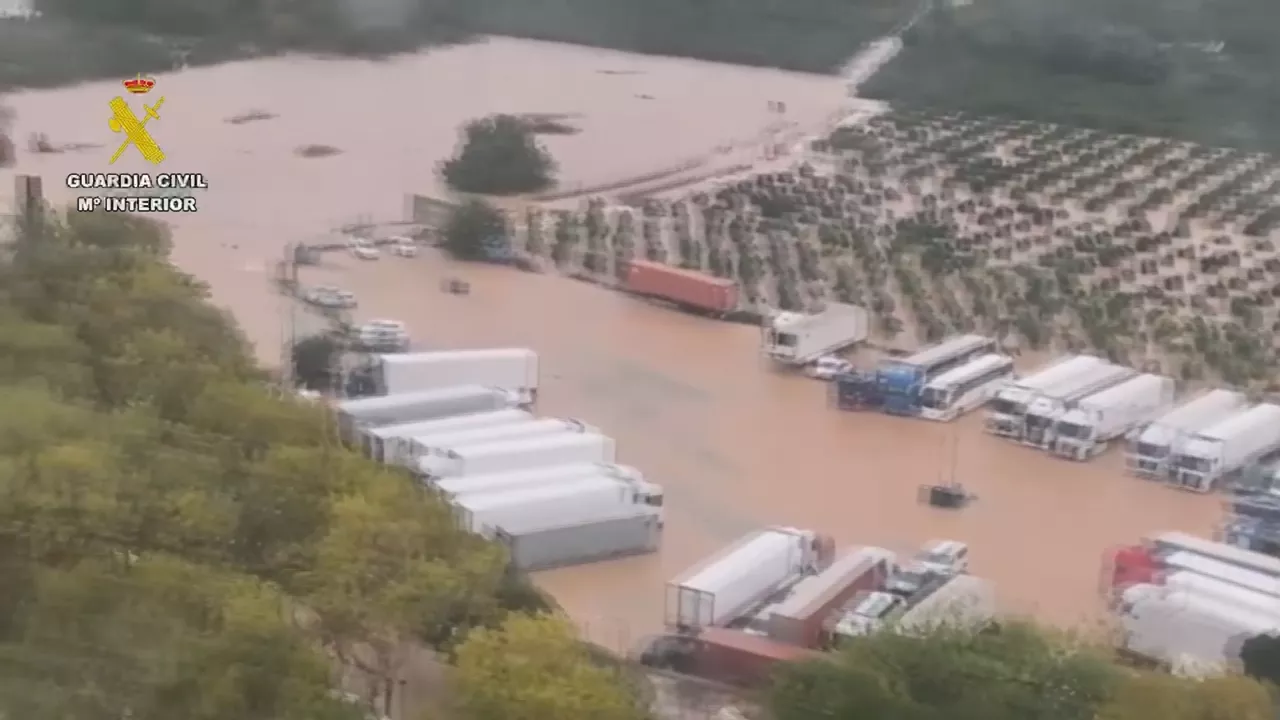
The storm has left two dead in Valencia, where the government is preparing a restraining order
The remains of Neanderthals have been found for the first time in Navarre in the caves of Abaunz

There will be news: Vaccinations in the ACV and flu vaccination in Navarre, Adam GOIDI and protests in France

The Invisible Breast Cancer Bill
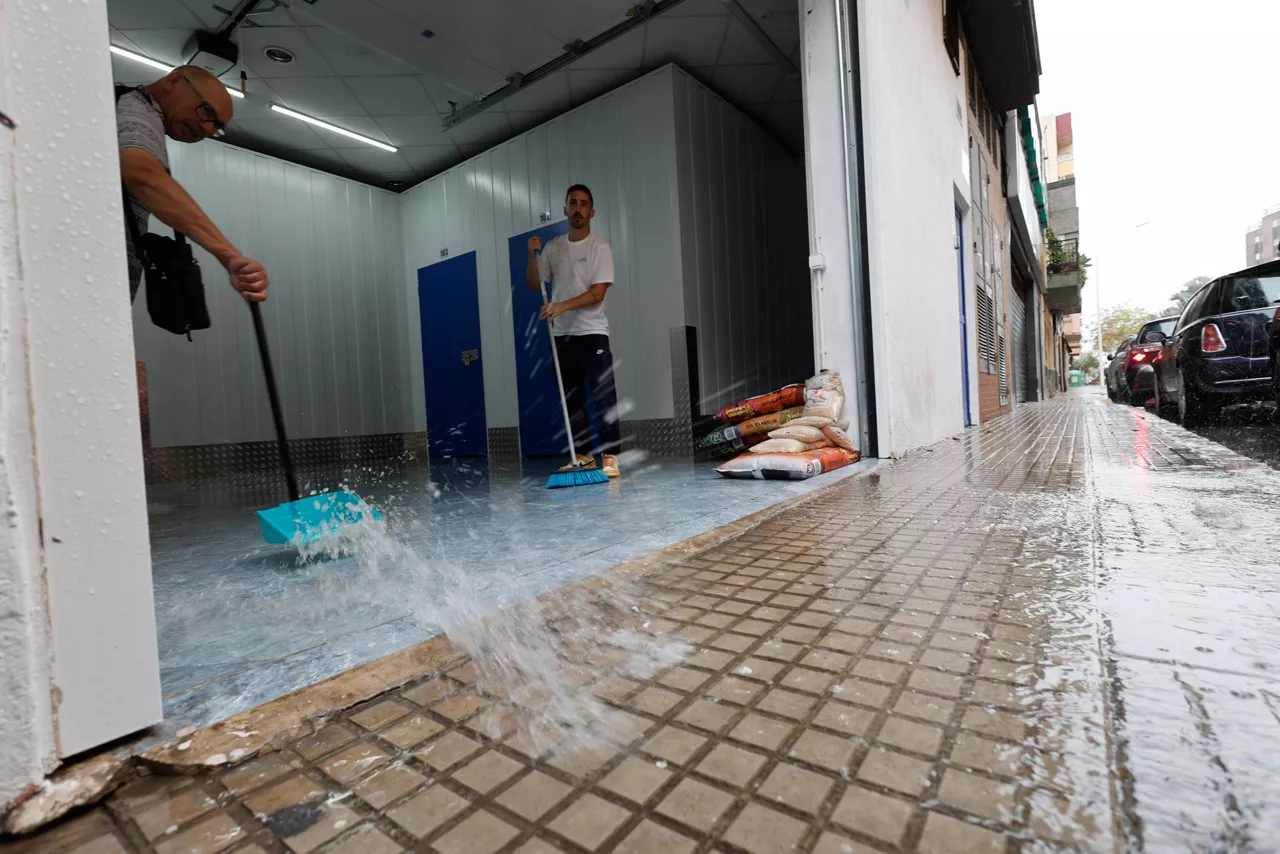
Red alert continues in Valencia and Alicante for storm Adam heading for Catalonia

More than 200,000 people are called to be vaccinated against influenza and covid in Navarre today

A talo with record jokes: Barakaldo gets the longest in the world

The "Basauri Eleven" case, convicted of abortion in the 1970s, turns 50