
Lack of resources is the main cause of teacher stress in the ACV, according to a study
The results of the survey conducted by the Official College of Psychologists of Bizkaia and the UPV/EHU to 908 teachers in the Basque Country have shown that the teaching staff is "a committed group working under constant pressure".


A survey of 908 teachers fromthe Official College of Psychology of Bizkaia and the UPV/EHU (University of the Basque Country) Euskadi has concluded that the stress ofteachers responds mainly to the "lack of educational resources and means" , excluding the incompetence of teachers.
Scarcity of resources and wear and tear mark everyday life in classrooms
According to the report of the Official College of Psychologists of Bizkaia (COP Bizkaia) and the UPV , the perception of insufficient resources and means for teaching is the most influential variable in the stress of the collective.
The study has been carried out on the basis of an anonymous questionnaire of 908 teachers from the three Historical Territories of the Basque Country and from all stages of education, showing moderate levels of stress (2.94 out of 5) and professional wear or burnout (3.14 out of 5), with an average psychological well-being of 2.69 points out of 5.
The dean of the Official College of Psychology of Bizkaia, Begoña Rueda, has pointed out that discomfort is associated with structural and organizational factors of the education system and notwith the skills of workers, while Rueda has pointed out that these indicators are an alert signal to strengthen preventive measures.
CCOO of the Basque Country, the ELA trade union, UGT Euskadi Irakaskuntza, the Coordination Group of Small Schools, BIGE, Italent, COP Araba and COP Gipuzkoa have worked together to carry out this study.
Impact of student diversity
According to this study, only 21% of the professionals surveyed report having received training in socioemotional skills, but the report specifies that people who have had this ability have lower levels of stress and wear and tear, and have higher well-being .
On the other hand, the study relates the presence of students with specific educational support needs (NEEs) to higher rates of erosion. Researchers point out that the difficulty lies not in the diversity of classrooms, but in the availability of support and resources to adequately meet these needs.
Faced with this situation, the POPs ofBizkaia propose the stable incorporation of Educational Psychology professionals into Basque schools , in line with the guidelines developed by the General Council of Psychology of Spain, for the care of the mental health of students, families and teachers, as a complement to educational guidance.
You might like
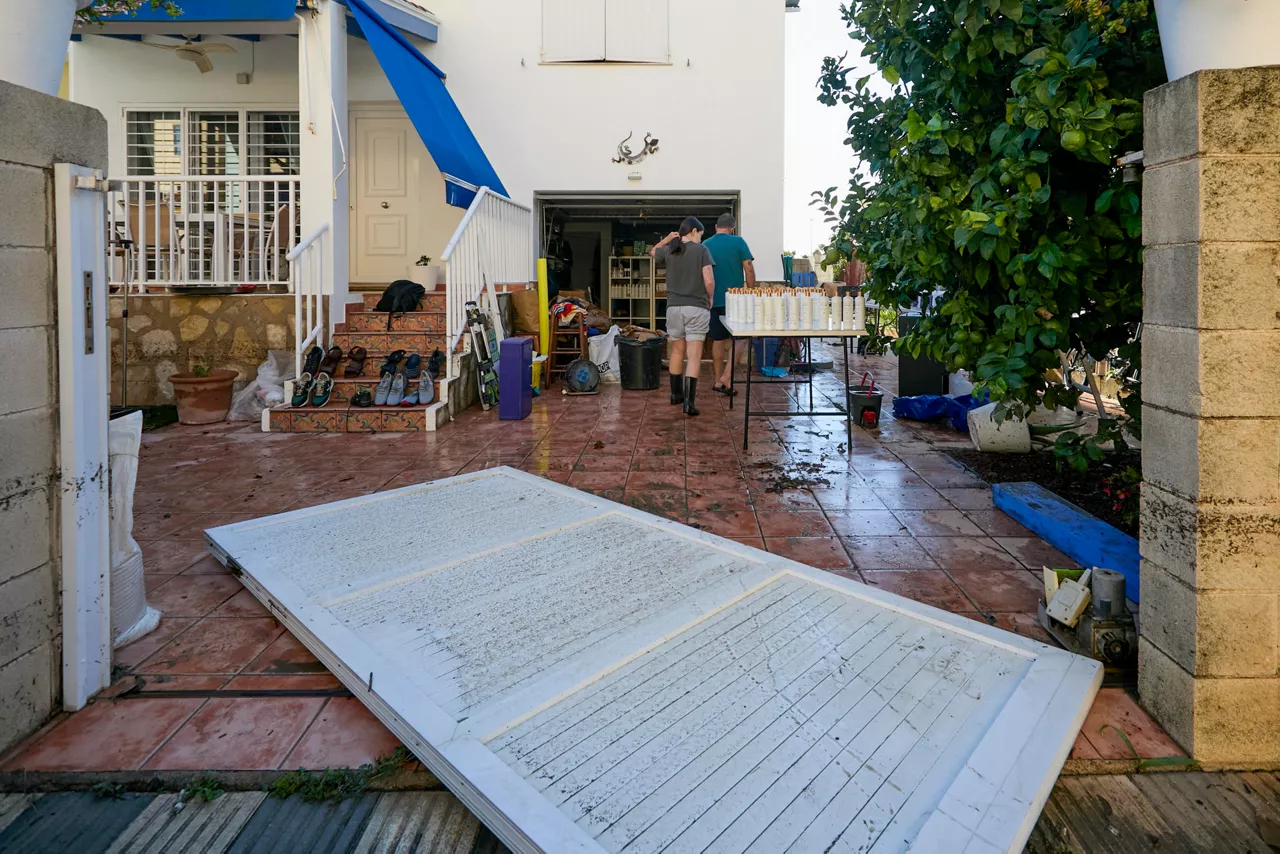
Residents are working to clean up the municipalities most affected by the isolated depression in the Adam Heights
Benta Berri residents will remain on protected rental terms
The Council will launch a virtual league between Guipuzcoan municipalities to promote healthy ageing
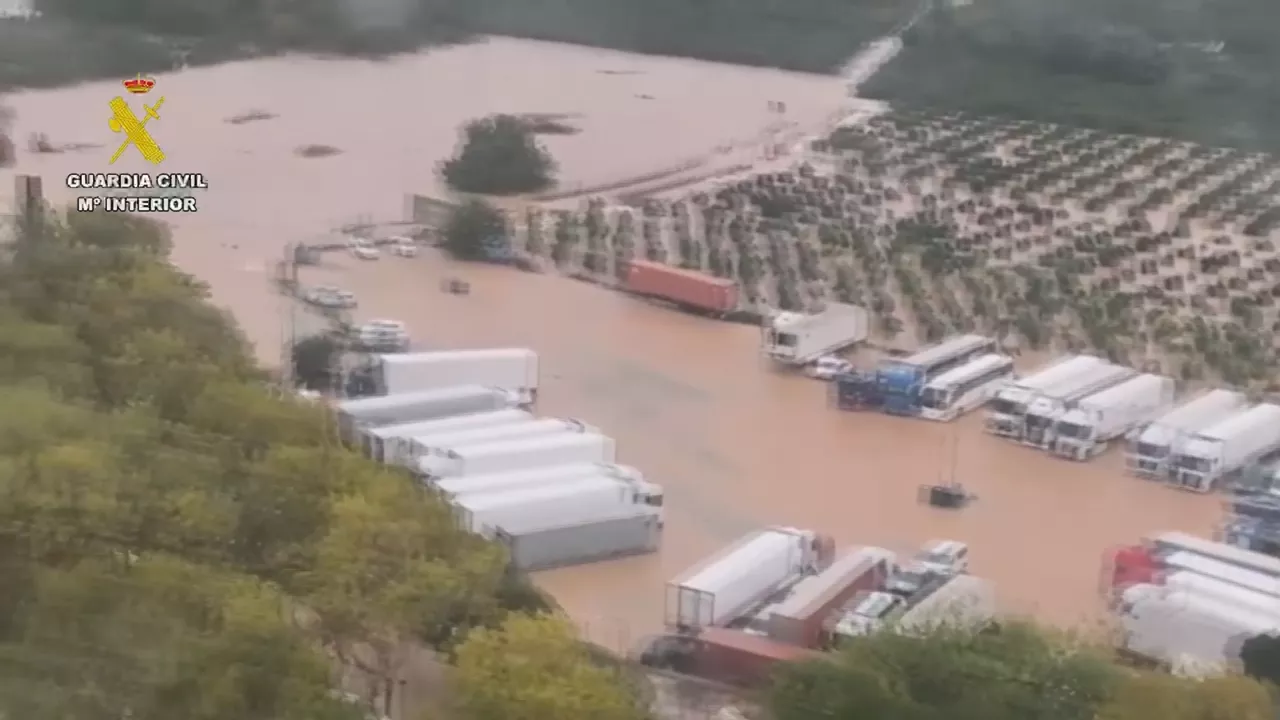
The storm has left two dead in Valencia, where the government is preparing a restraining order
The remains of Neanderthals have been found for the first time in Navarre in the caves of Abaunz

There will be news: Vaccinations in the ACV and flu vaccination in Navarre, Adam GOIDI and protests in France

The Invisible Breast Cancer Bill
Red alert continues in Valencia and Alicante for storm Adam heading for Catalonia
