The price of a barrel of oil has risen to $113 and gas has risen by 30% as a result of attacks on Qatar's energy infrastructure
The conflict in the Middle East continues to plunge markets: Asian stock exchanges have fallen sharply, while Europeans expect negative openings, pending the meeting of the European Council.


Oil prices have risen sharply this Thursday after theMiddle East's energy infrastructure attacks . Brent's barrel, a benchmark in Europe, has surpassed $113, with an increase of more than 5%, well above the $72 it priced before attacking Iran.
At the same time, natural gas has become more expensive on the European market at around 30%, exceeding EUR 70 per megawatt hour (MWh), driven by attacks on essential gas infrastructures.
Tension has escalated after Israel bombed theSouth Pars gas pit in Iran and Tehran responded with missiles against energy facilities in Qatar and the United Arab Emirates. In particular, Iran has attacked the liquefied natural gas complex in Ras Lafan in Qatar, causing fires and extensive damage, according to QatarEnergy.
US President Donald Trump has said that his country was not aware of the Israeli attack and that Israel will not attack that infrastructure again "unless Iran acts against an innocent country."
The conflict also affects energy transport, especially inthe Strait of Hormuz, a strategic area through which one-fifth of the world's oil flows. Maritime traffic in the area has almost stopped, and in recent hours there have been further attacks on oil tankers, which has forced a reduction in production in the Gulf countries, which has exacerbated the rise in prices.
Stock market declines and market pressure
The impact of the crisis on financial markets is already reflected. Major Asian stock exchanges have closed with significant losses, with declines of around 3.6% in Japan and 2.7% in South Korea. In the United States, the Dow Jones and the Nasdaq also ended Wednesday's session in negative.
You might like
Yellow vests called for demonstrations on Saturday, and Macron accuses Trump of manipulating revolts
Von der Leyen blames several states and other actors for the migration crisis in Ceuta
Milei calls Sanchez a "dictator" and accuses him of promoting an "invasion" in Ceuta
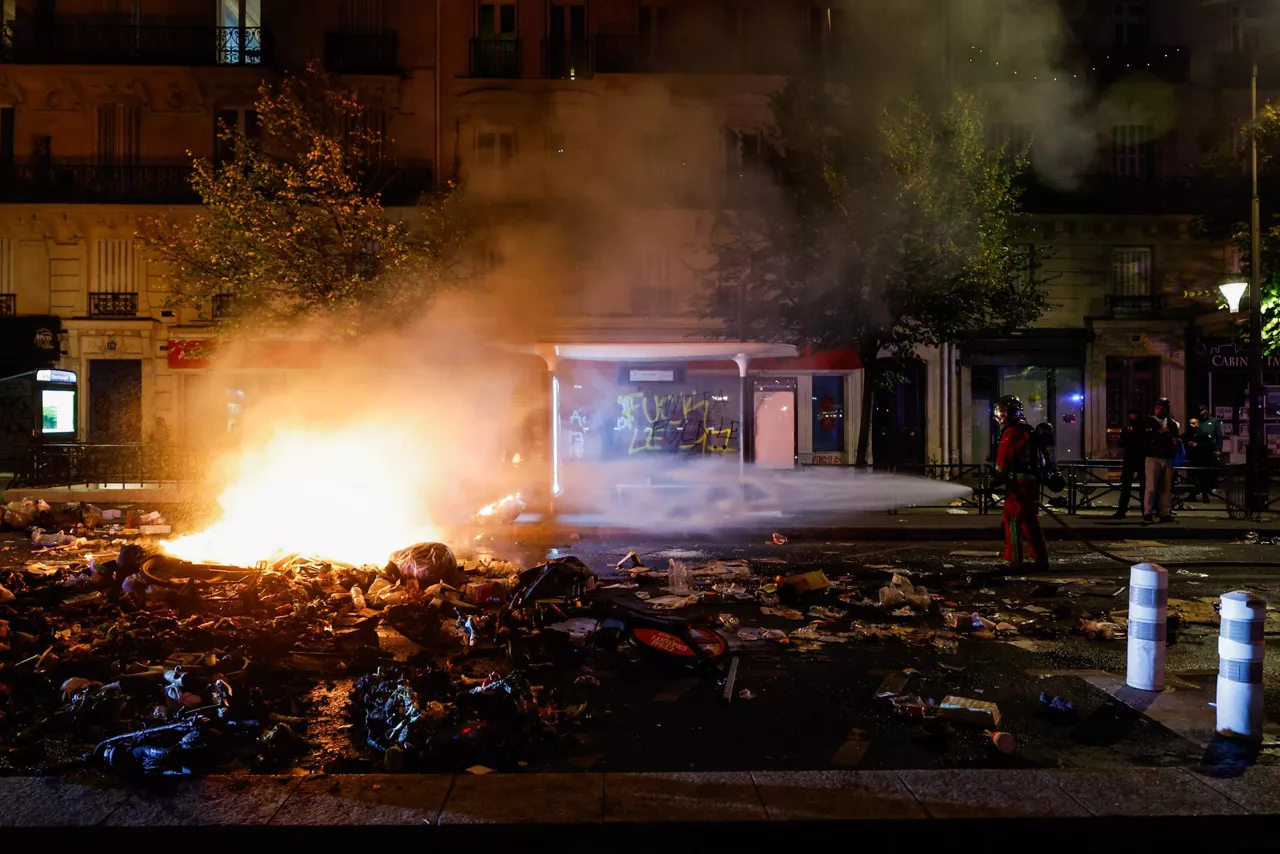
Partial curfews will be imposed in several French cities due to riots
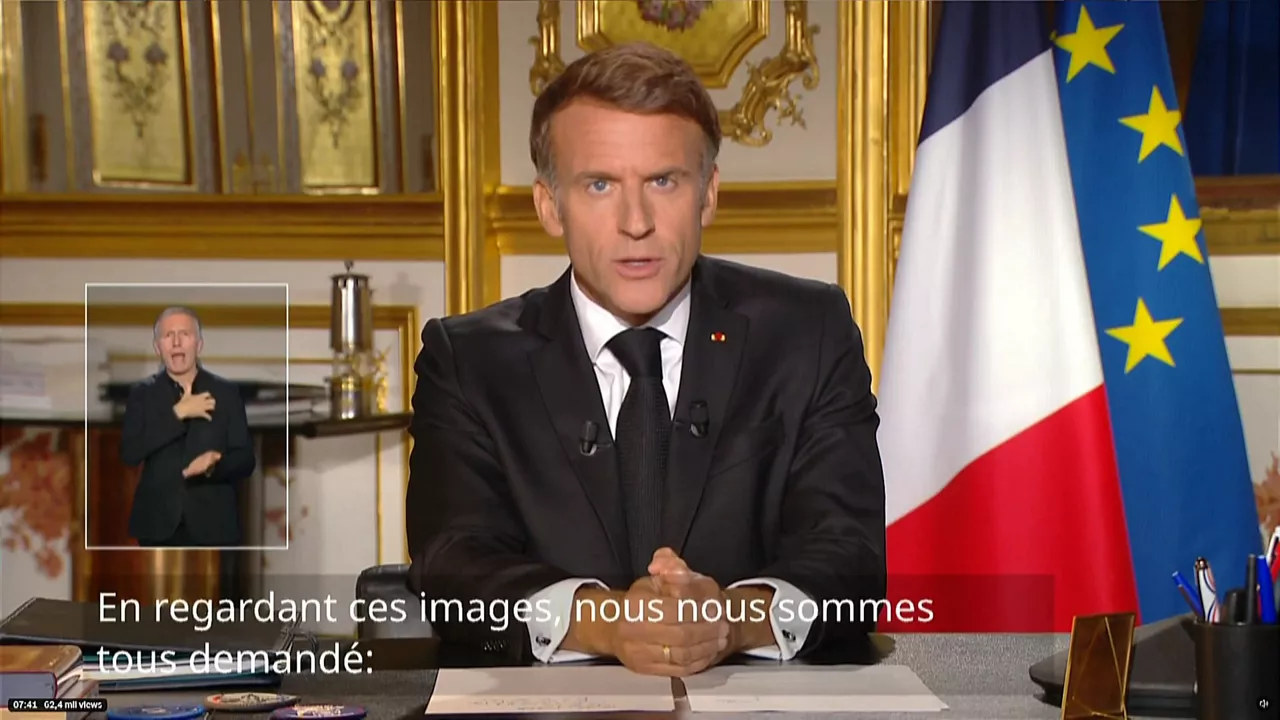
Macron holds the far left responsible for the violence and conveys his support to the police and traders
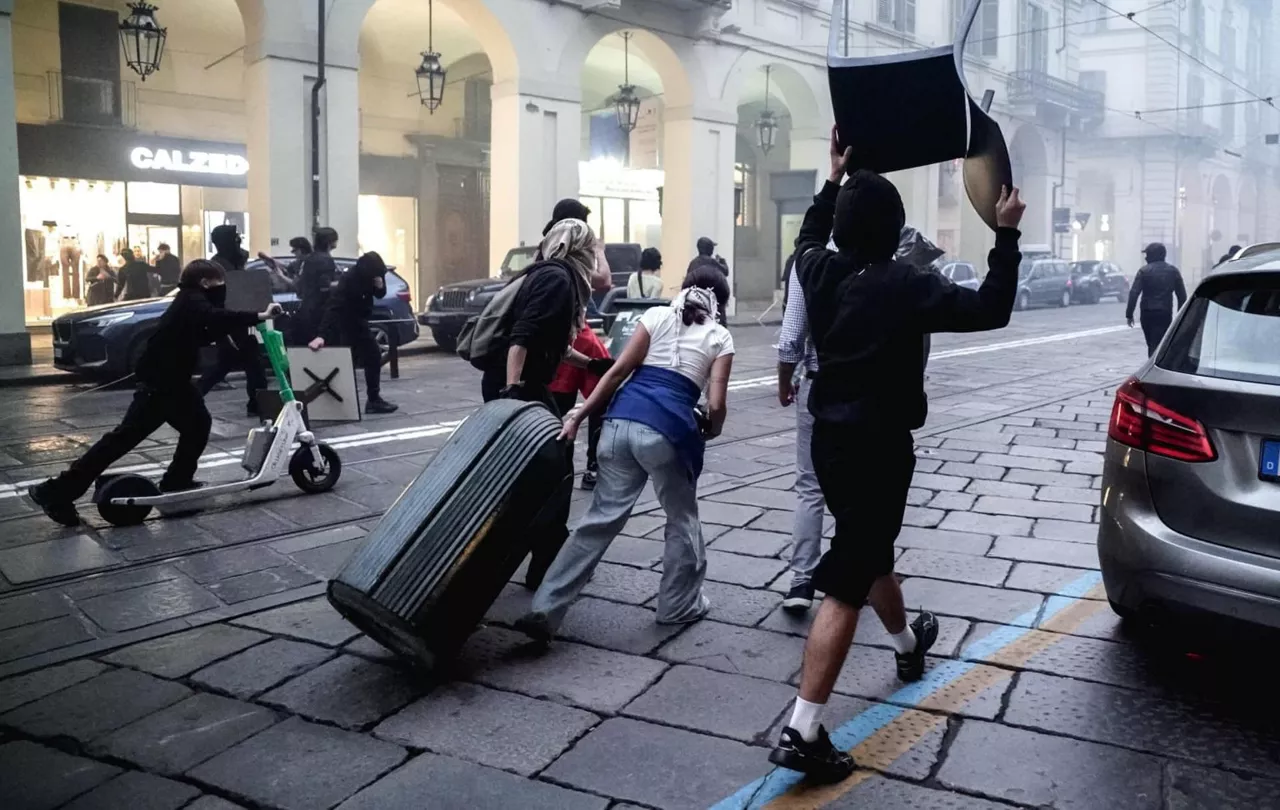
Violent protests in Italy and Albania against rising prices
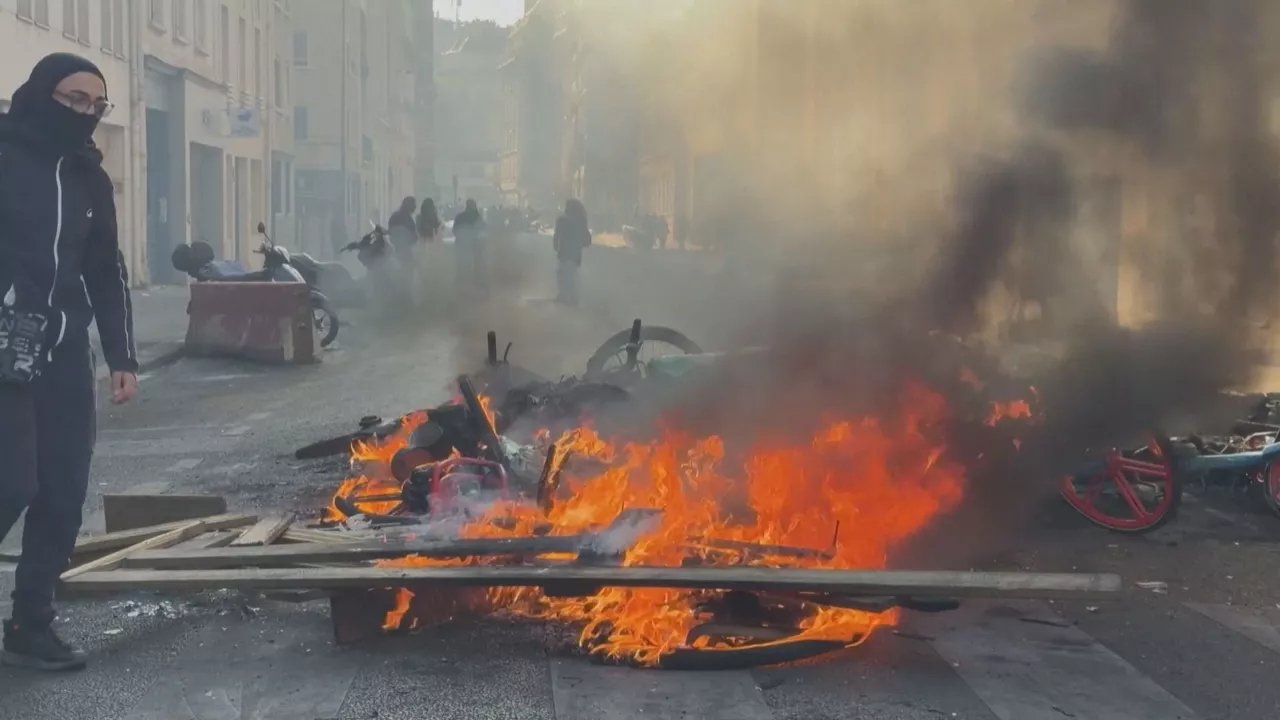
Riots erupt again in Paris the day after the protests
The Pope reappears in the Vatican to pray for the Angelus
Consequences of the protests in France: one person has died, 1,200 have been arrested and there is destruction everywhere