United Arab Emirates announces withdrawal from OPEC due to crisis in the Strait of Hormuz
the departure of the United Arab Emirates, which has been a member of OPEC since 1967, may cause disorder and weaken the group, which, despite disagreements over fair and stable prices for oil producers, has sought to show a united front.


The United Arab Emirates will cease to be a member of theAlliance of the Organization of the Petroleum Exporting Countries (OPEC) eta OPEP+ from 1 May, due to the situation caused by the crisis in the Strait of Hormuz.
In a social media message, Arab Emirates Energy Minister Suhail al-Mazroui has thanked the Organization of the Petroleum Exporting Countries and its member countries for their "constructive collaboration for decades." After expressing his country's "commitment" to energy security, he has ensured that they will continue to provide "responsible" fuel and promote "stable markets" worldwide.
According to the news agency WAM, after analysing its current and future production capacity, the Persian Gulf country has decided to move away from the "oil-based economy" and invest in "domestic energy production."
OPEC was founded in 1960 and its initial partners were Saudi Arabia, Iraq, Iran, Kuwait and Venezuela. The United Arab Emirates joined the organization seven years later.
OPEP+, consisting of countries such as Russia, Mexico or Kazakhstan , was born to strengthen coordination between large oil producers.
Among other things, the Organization of Petroleum Exporters sets the prices of oil barrels, and one of its tasks is to ensure market stability.
You might like
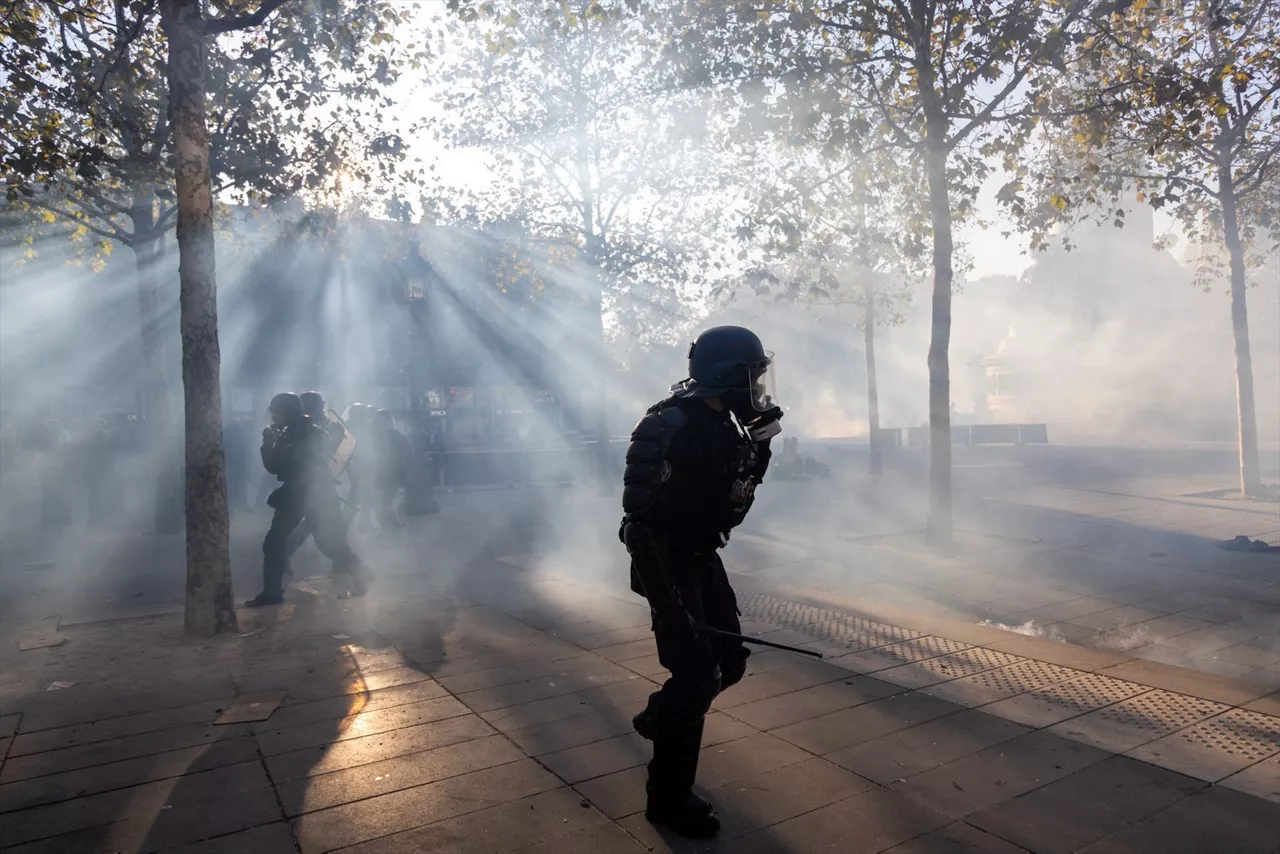
Yellow vests called for demonstrations on Saturday, and Macron accuses Trump of manipulating revolts
Von der Leyen blames several states and other actors for the migration crisis in Ceuta
Milei calls Sanchez a "dictator" and accuses him of promoting an "invasion" in Ceuta
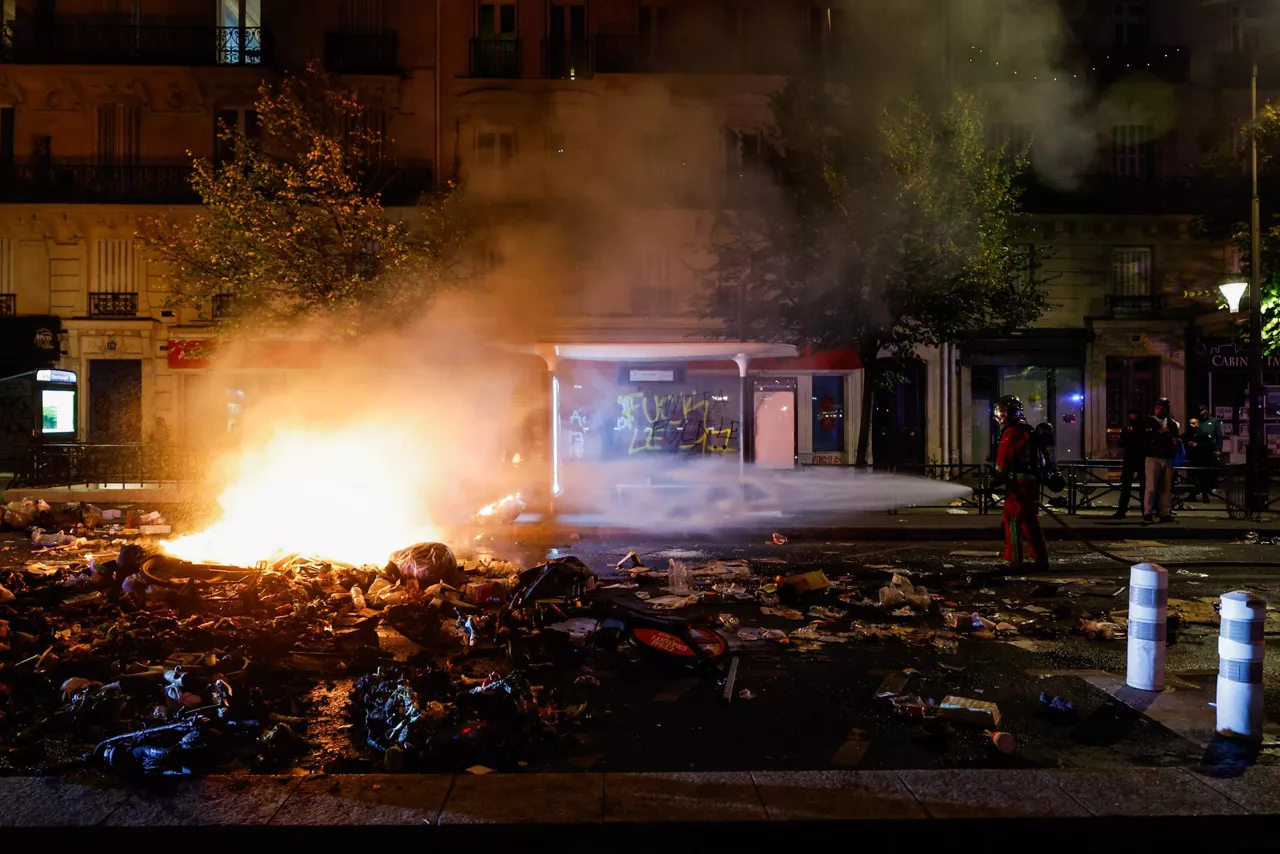
Partial curfews will be imposed in several French cities due to riots
Macron holds the far left responsible for the violence and conveys his support to the police and traders
Violent protests in Italy and Albania against rising prices
Riots erupt again in Paris the day after the protests
The Pope reappears in the Vatican to pray for the Angelus
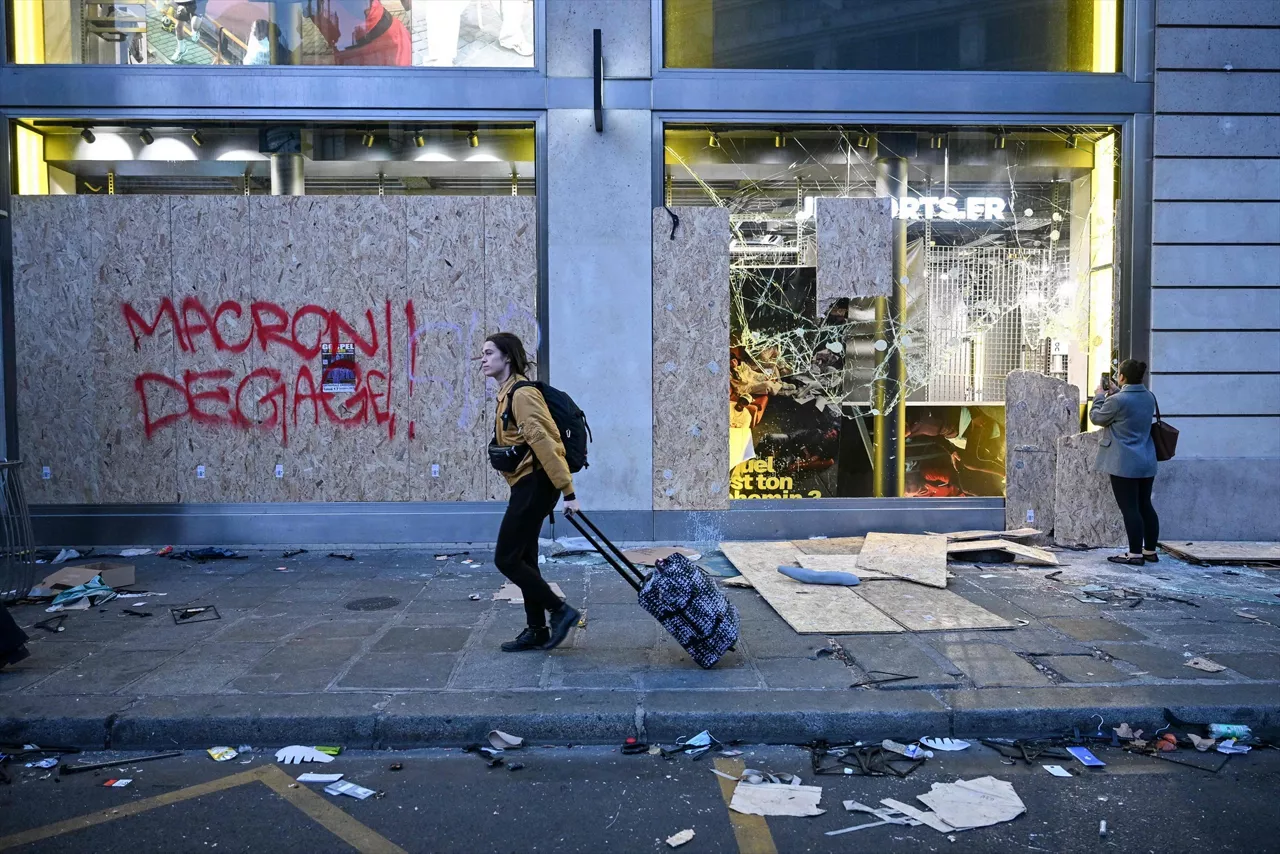
Consequences of the protests in France: one person has died, 1,200 have been arrested and there is destruction everywhere