Iran closes Ormuz and Trump seeks ways of negotiating
In this context, the United States last night restored the naval siege of Iran and continued its attacks for the fourth consecutive day. Trump seeks to stifle Tehran and seek new investment agreements in the Gulf.


Iran's closure of the Strait of Hormuz and the intensification of US attacks have brought the Middle East conflict into a new critical phase, and for the time being peace seems far away, a conflict that deteriorated last week when Trump concluded the ceasefire agreement signed on June 17 after both sides accused each other of violating it.
The definitive breakdown of diplomacy has led to open clashes in the Persian Gulf, and the Iranian Revolution Guard (IRGC) has cut off international maritime traffic in the world's main energy artery, the Strait of Hormuz.
Nine dead and more than 200 wounded in recent attacks
In this context, the United States has reestablished a naval siege of Iran last night and continued its attacks on southern Iranian territory for the fourth night in a row. The latest bombings have lasted seven hours and left at least nine dead , including seven military personnel, and more than 200 injured, according to the Iranian authorities.
Iran has responded immediately to this attack and has claimed responsibility for several drone and missile attacks on US military interests in the Middle East.
Trump, looking for alternative avenues of negotiation
Meanwhile, Trump is watching for alternatives. After announcing the resumption of the naval blockade, the president demanded on social media that all ships pay a 20% fee to Washington for protecting the Strait of Hormuz.
24 hours later, however, he completely changed what he had said before: he abolished the tax and offered his Gulf allies "high-trade and investment agreements" in exchange for securing a safe step.
According to this move, Trump is looking for unorthodox solutions to stop the more than four months of conflict that energized the pact he reached just a month ago.
You might like
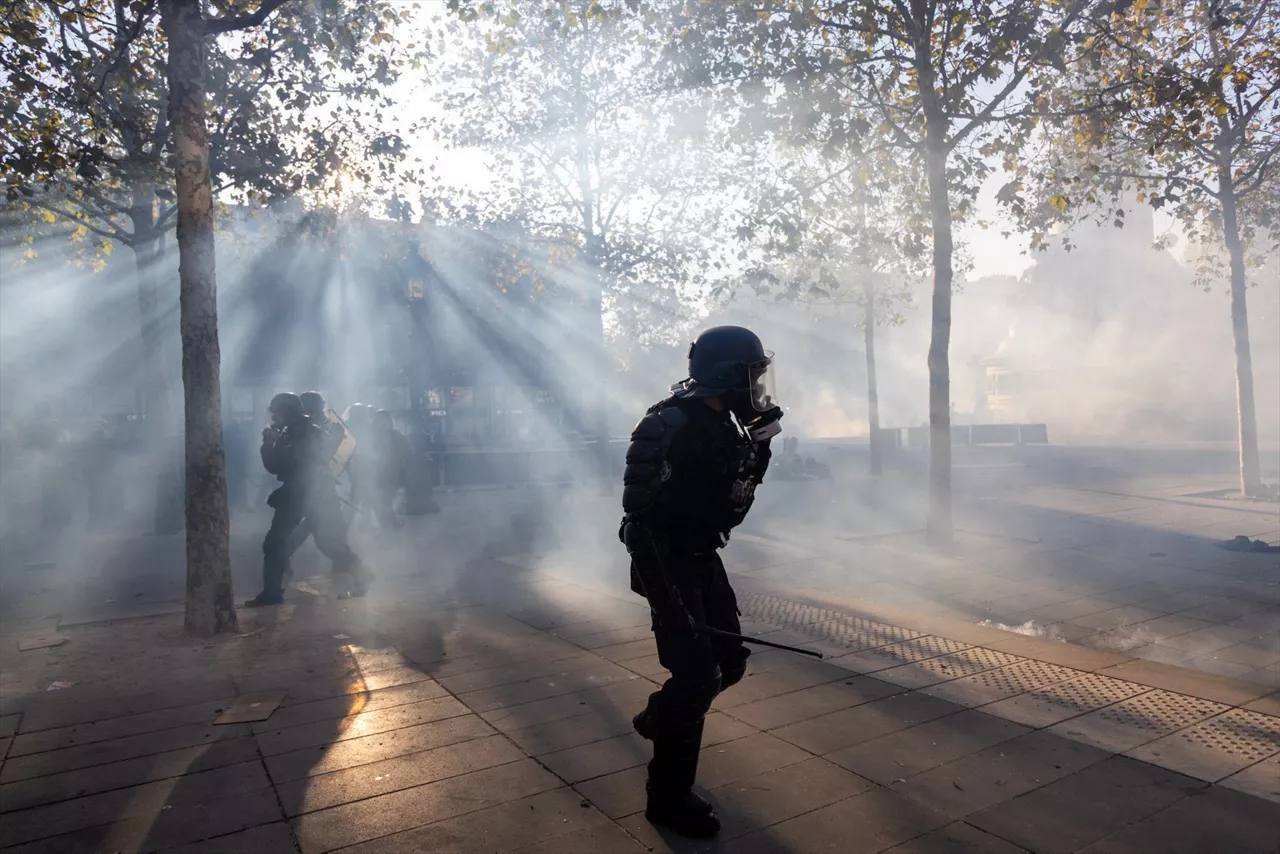
Yellow vests called for demonstrations on Saturday, and Macron accuses Trump of manipulating revolts
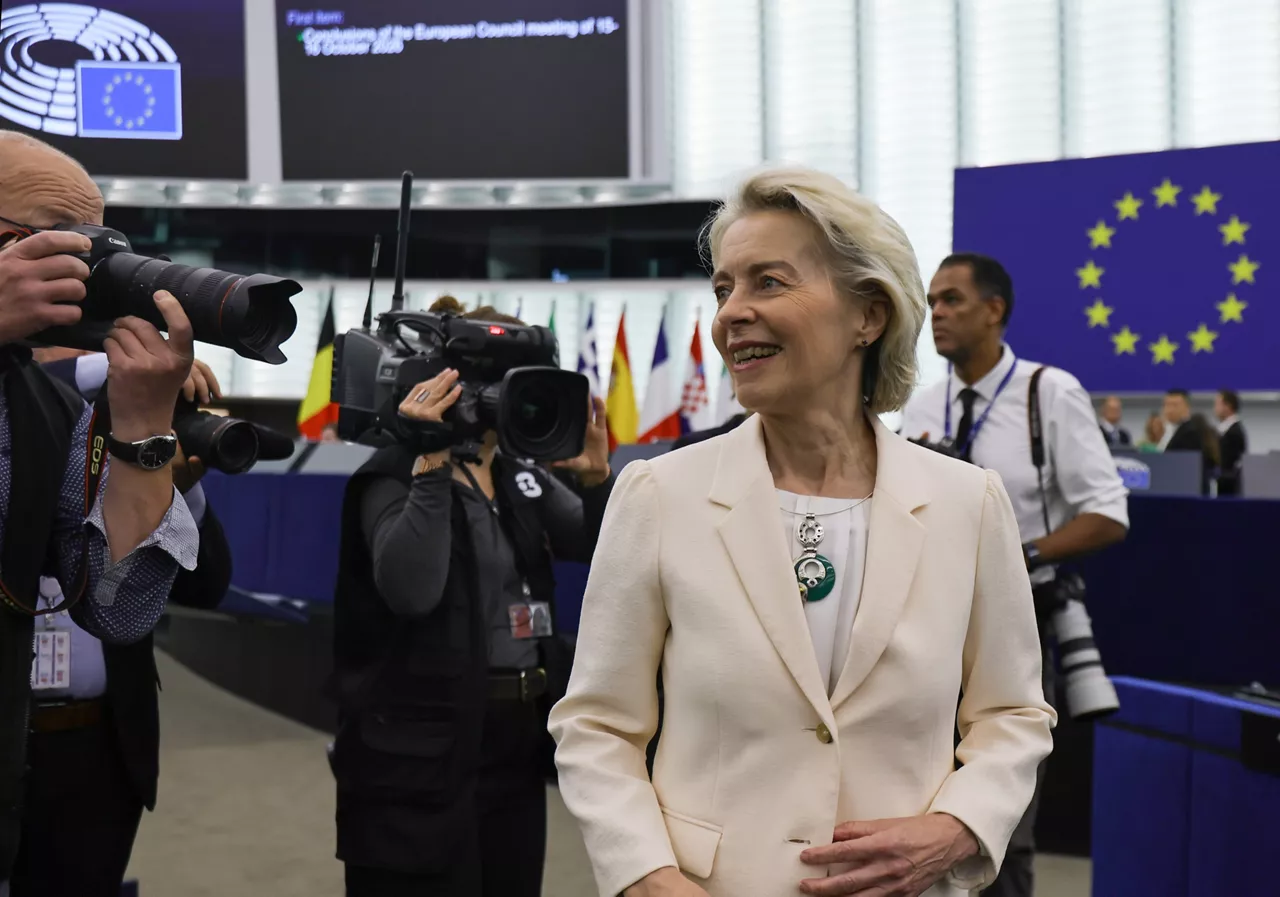
Von der Leyen blames several states and other actors for the migration crisis in Ceuta

Milei calls Sanchez a "dictator" and accuses him of promoting an "invasion" in Ceuta
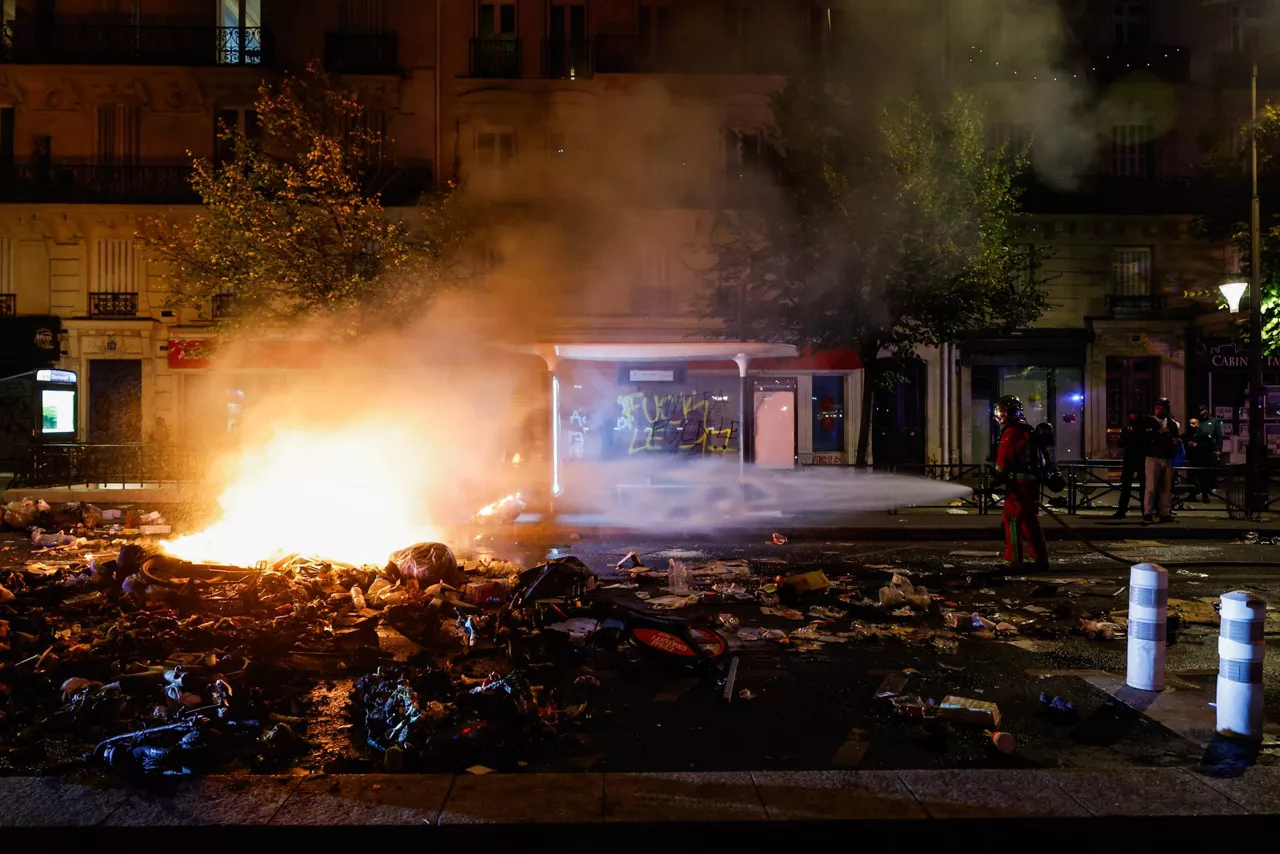
Partial curfews will be imposed in several French cities due to riots
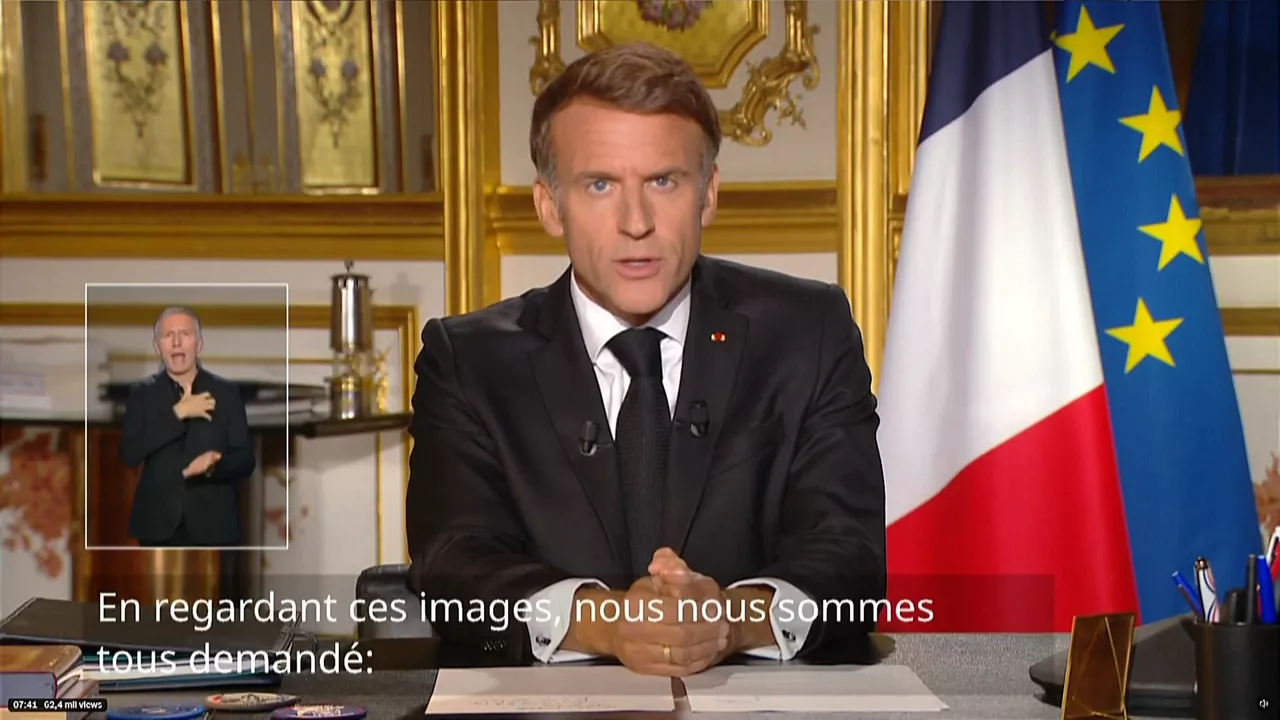
Macron holds the far left responsible for the violence and conveys his support to the police and traders
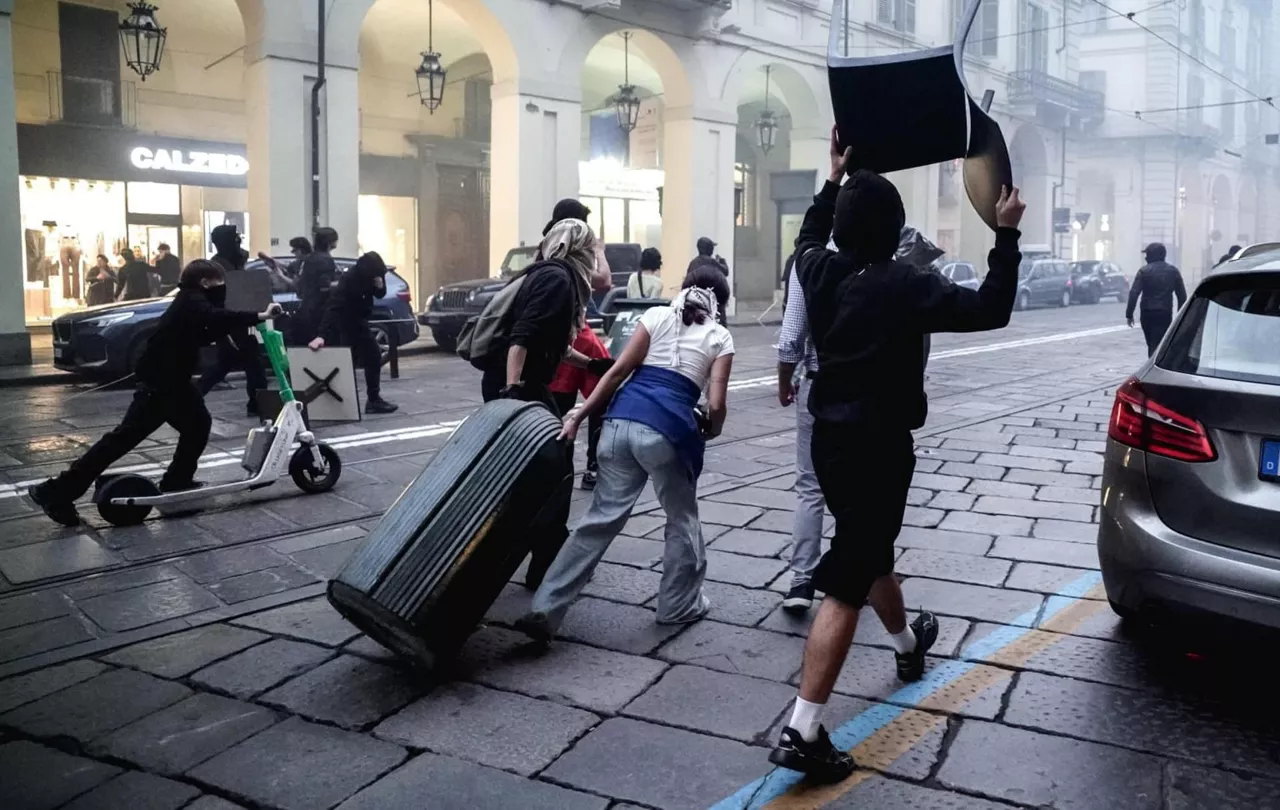
Violent protests in Italy and Albania against rising prices
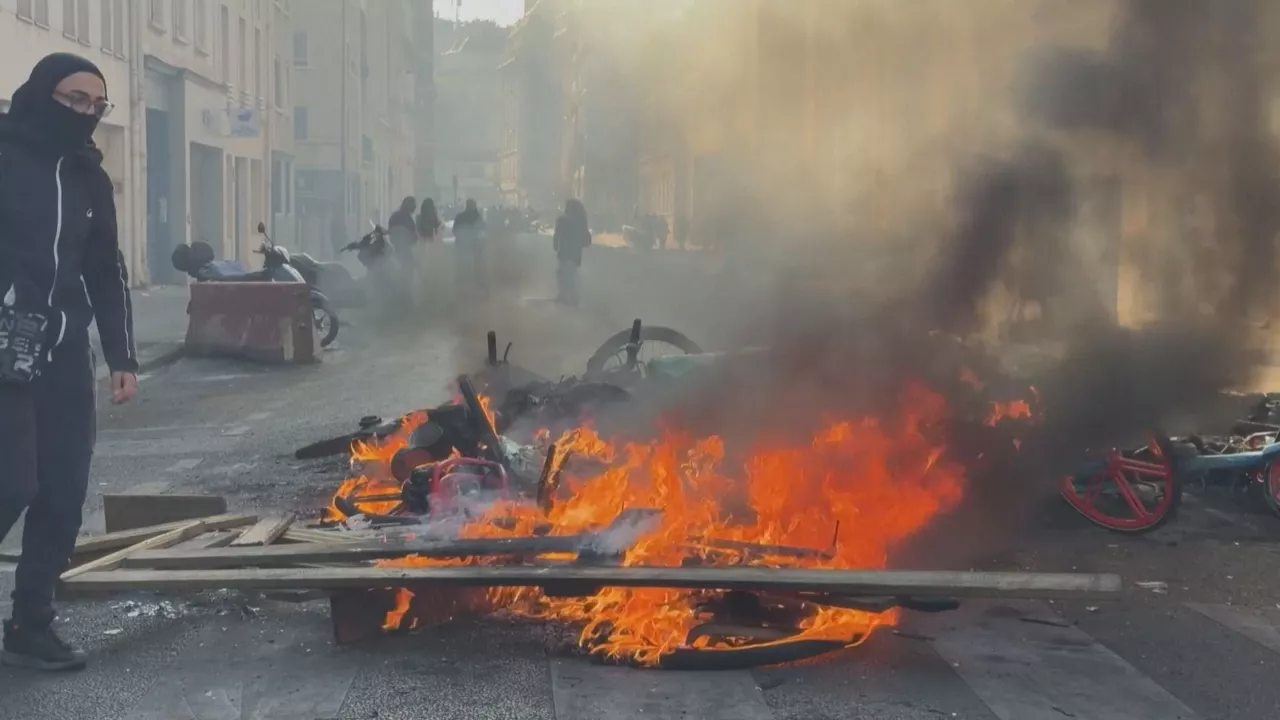
Riots erupt again in Paris the day after the protests
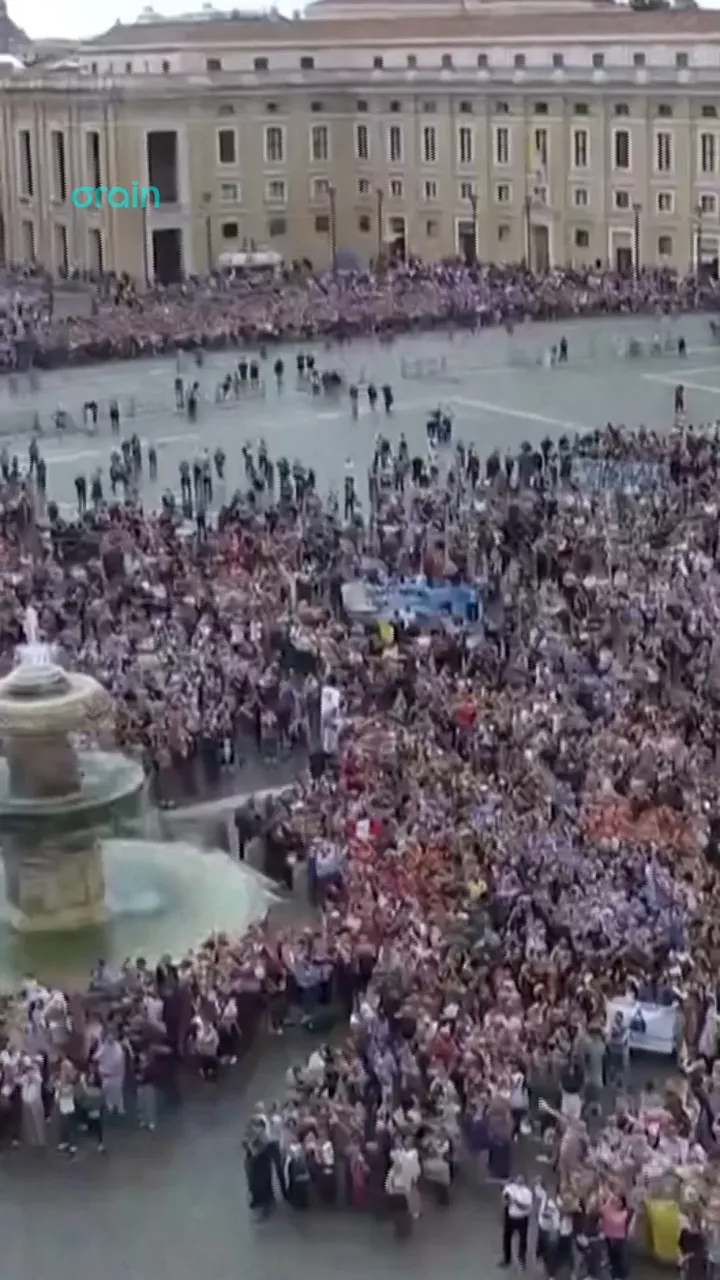
The Pope reappears in the Vatican to pray for the Angelus
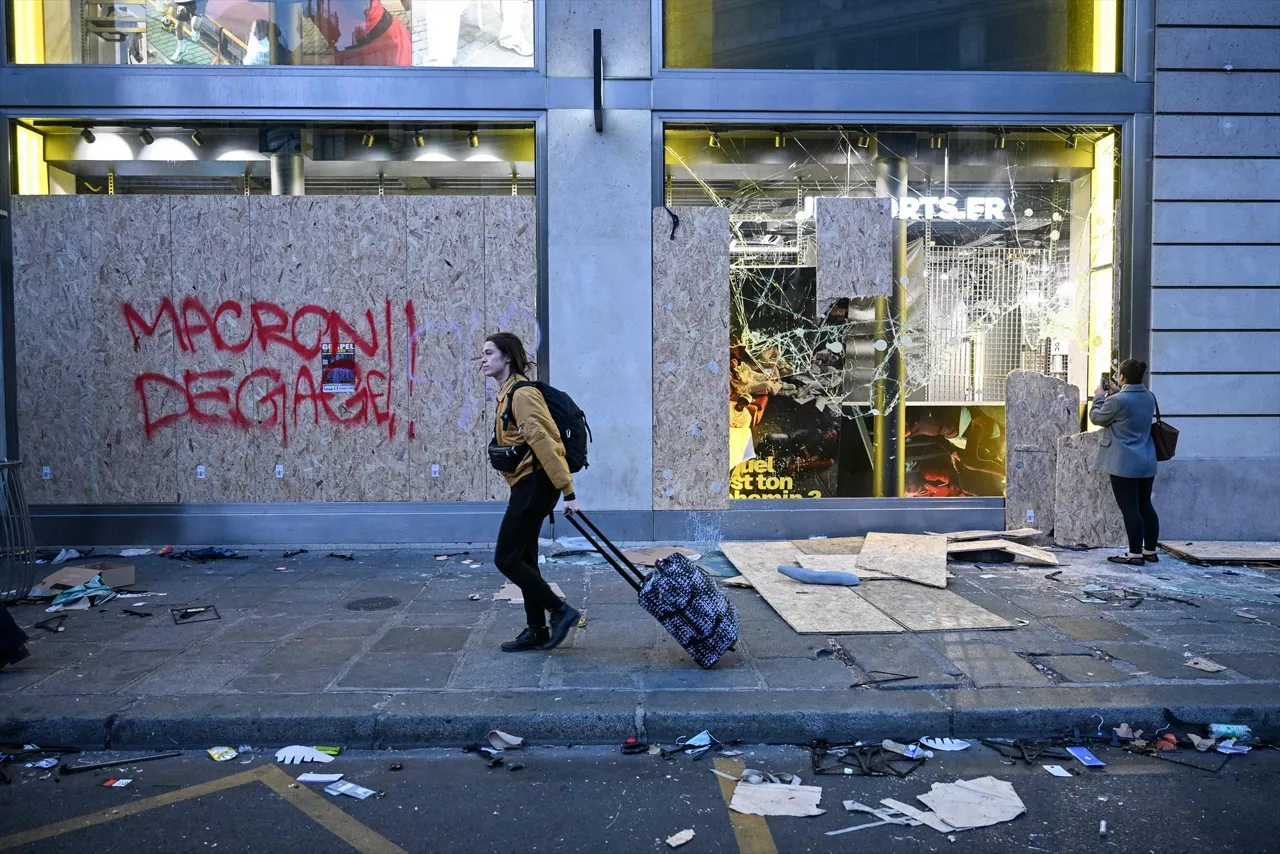
Consequences of the protests in France: one person has died, 1,200 have been arrested and there is destruction everywhere