Close competition in Iceland in the referendum on EU membership
The 'yes' has gained a slight advantage, but the difference is very few votes, and at other times in the count the 'no' has prevailed.


The 'yes' vote leads the provisional count of the referendum to resume negotiations on Iceland's accession to the European Union (EU) by a difference of about two points, with approximately 60% of the votes cast.
Based on these data, 50.9% of voters are in favour of resuming negotiations and 49.1% are against.
With 129,351 votes counted, the negative prevails in the three rural districts and the affirmative in the two districts in which Reykjavik is divided.
In the southwestern district (the most populous and corresponding to the inhabitants of the capital) the refusal now has a slight advantage, after the two options had been equal in the first count.
About 65% of the 273,000 Icelanders called to the polls live in these last three districts.
Although the count has been completed in the northern district of Reykjavik, it continues for the other five. The result can therefore still be changed, because, moreover, the votes cast previously have yet to be counted, and around 23% of the electorate voted in this way.
Last week's polls reflected a tie, or gave a slight advantage to the yes, even though the two polls released the day before offered uneven results.
In the event of a 'yes' victory, Iceland would resume negotiations with Brussels and a new referendum should be held after a possible agreement has been concluded.
Iceland applied to jointhe EU in 2009, in the midst of the economic crisis that hit the country hard, but four years later, the process was halted by conflicts with several EU countries over internal divisions, the euro crisis and compensation to foreign savers for the bankruptcy of the Icesave Bank.
The tripartite government led by Social Democrat Kristrun Frostadottir, who has been in power since 2024, agreed to hold a referendum on the grounds that it had not been held at the time.
National sovereignty, control of natural resources (especially fishing), and the price of life have been at the center of the debate, but also the threat posed by US President Donald Trump for his intention to embrace Greenland.
You might like
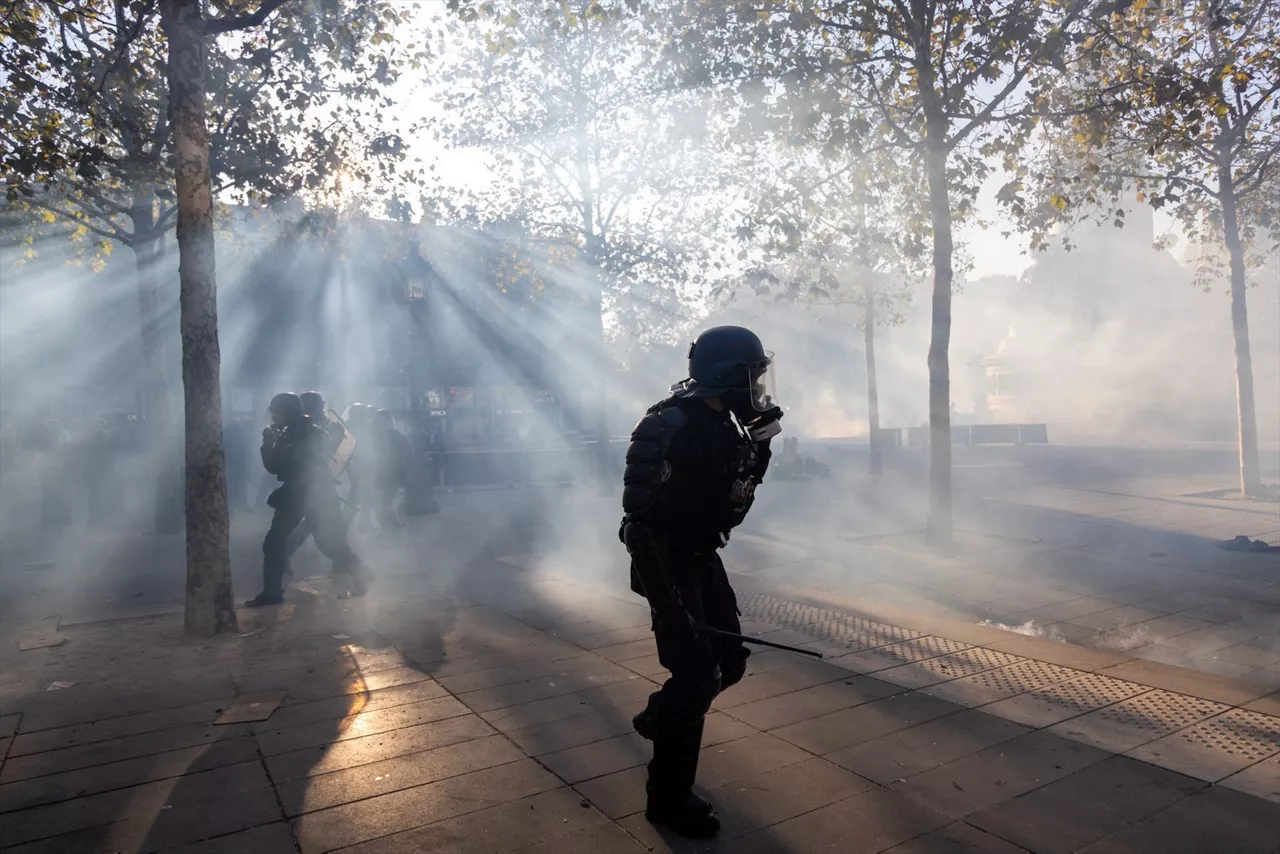
Yellow vests called for demonstrations on Saturday, and Macron accuses Trump of manipulating revolts
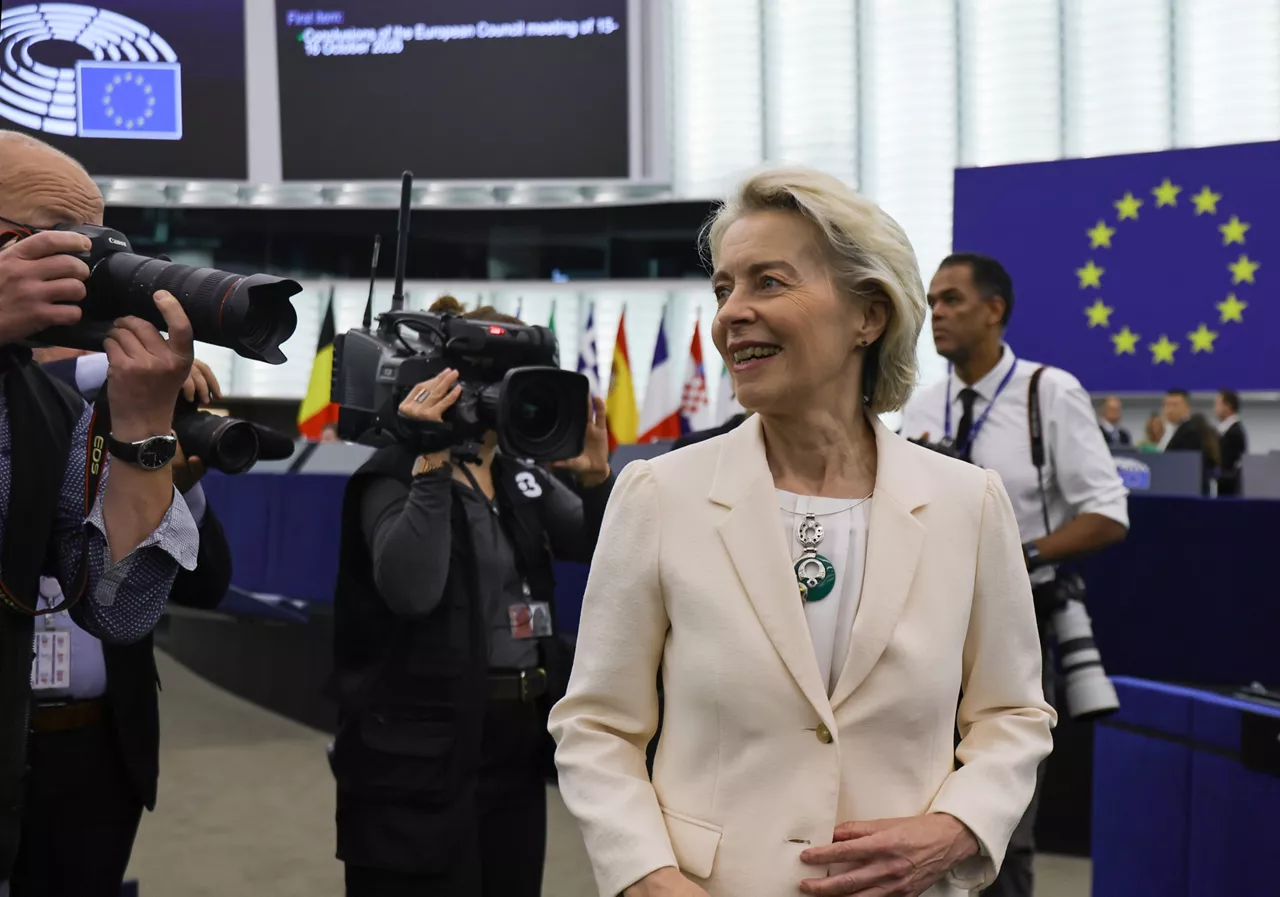
Von der Leyen blames several states and other actors for the migration crisis in Ceuta

Milei calls Sanchez a "dictator" and accuses him of promoting an "invasion" in Ceuta
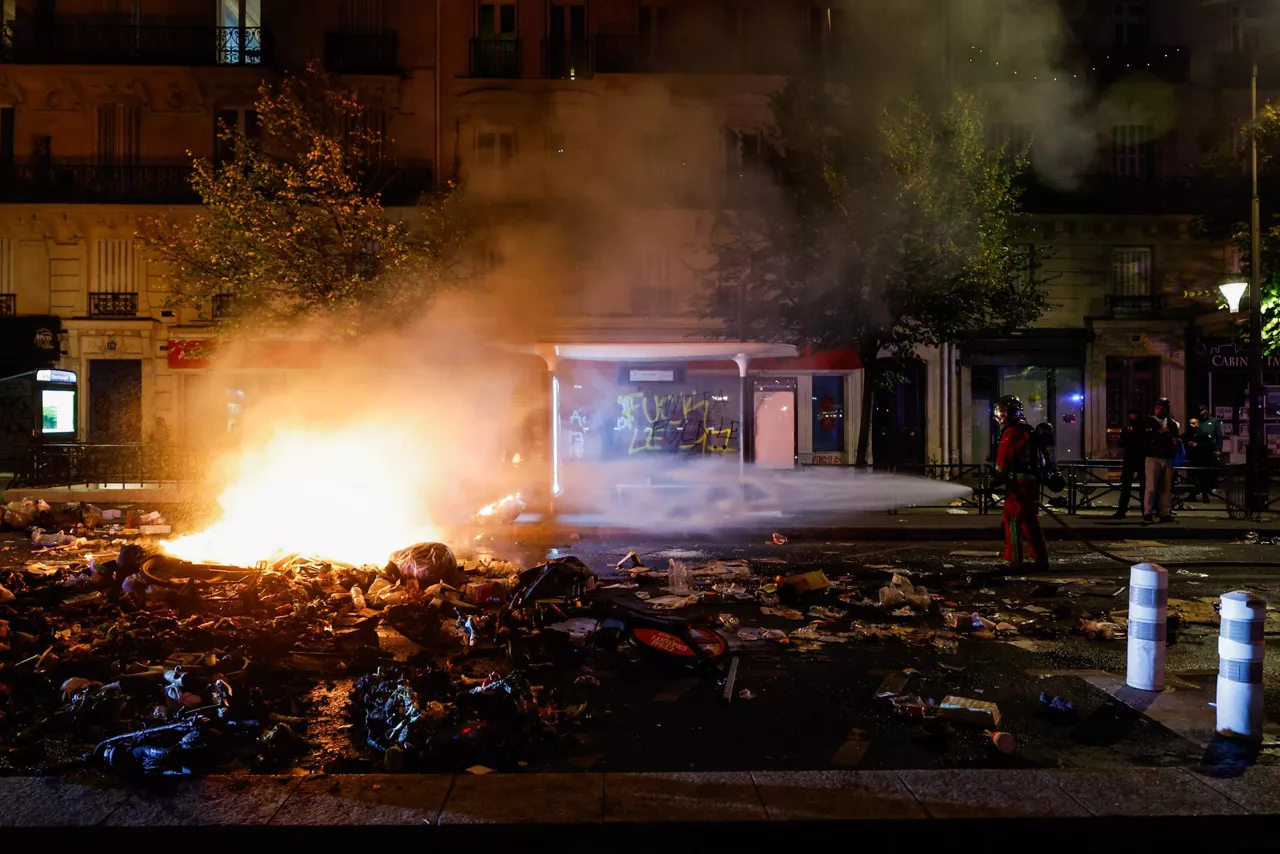
Partial curfews will be imposed in several French cities due to riots

Macron holds the far left responsible for the violence and conveys his support to the police and traders
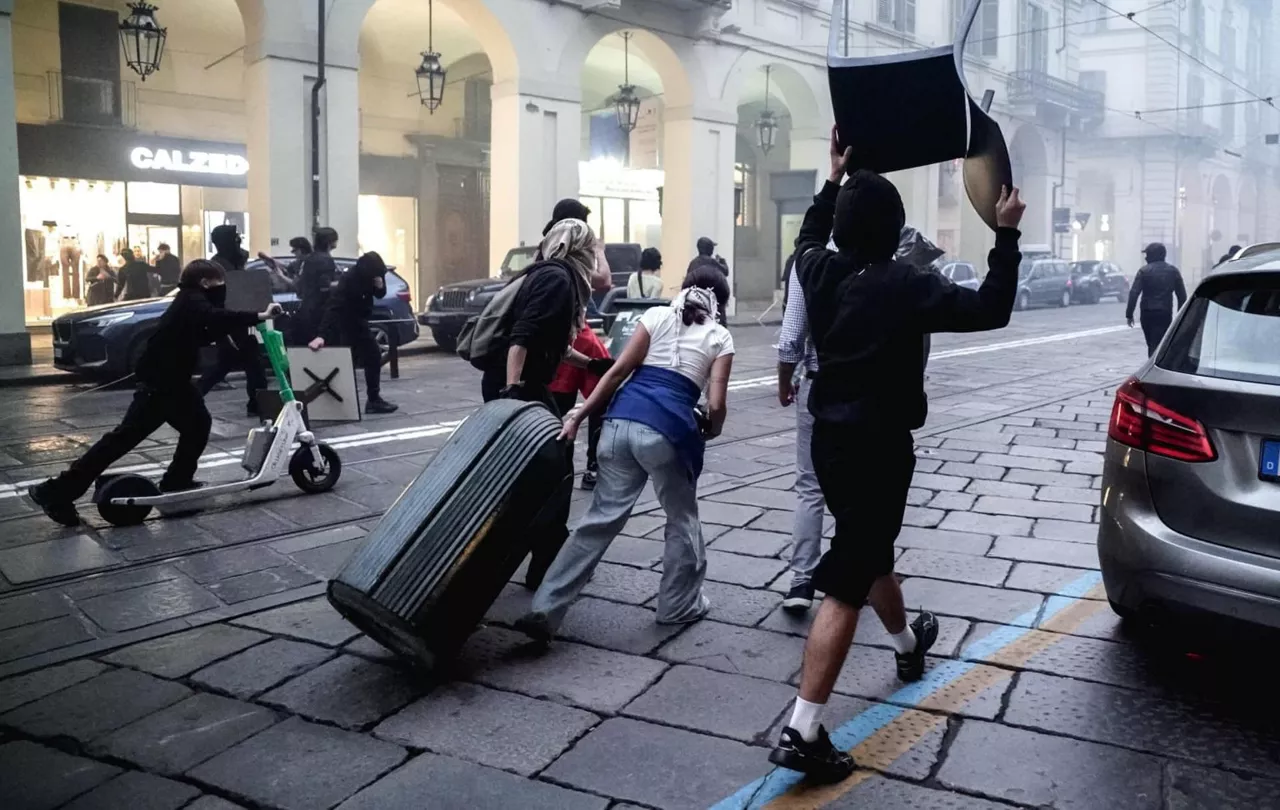
Violent protests in Italy and Albania against rising prices
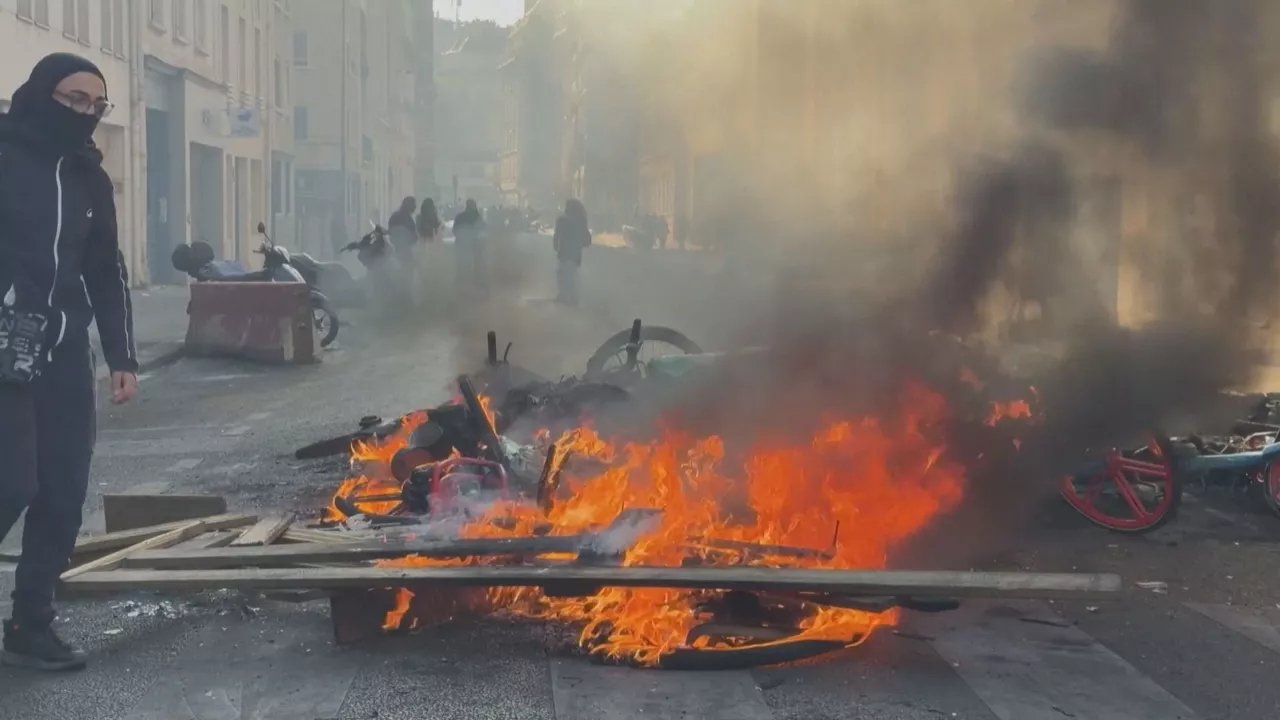
Riots erupt again in Paris the day after the protests
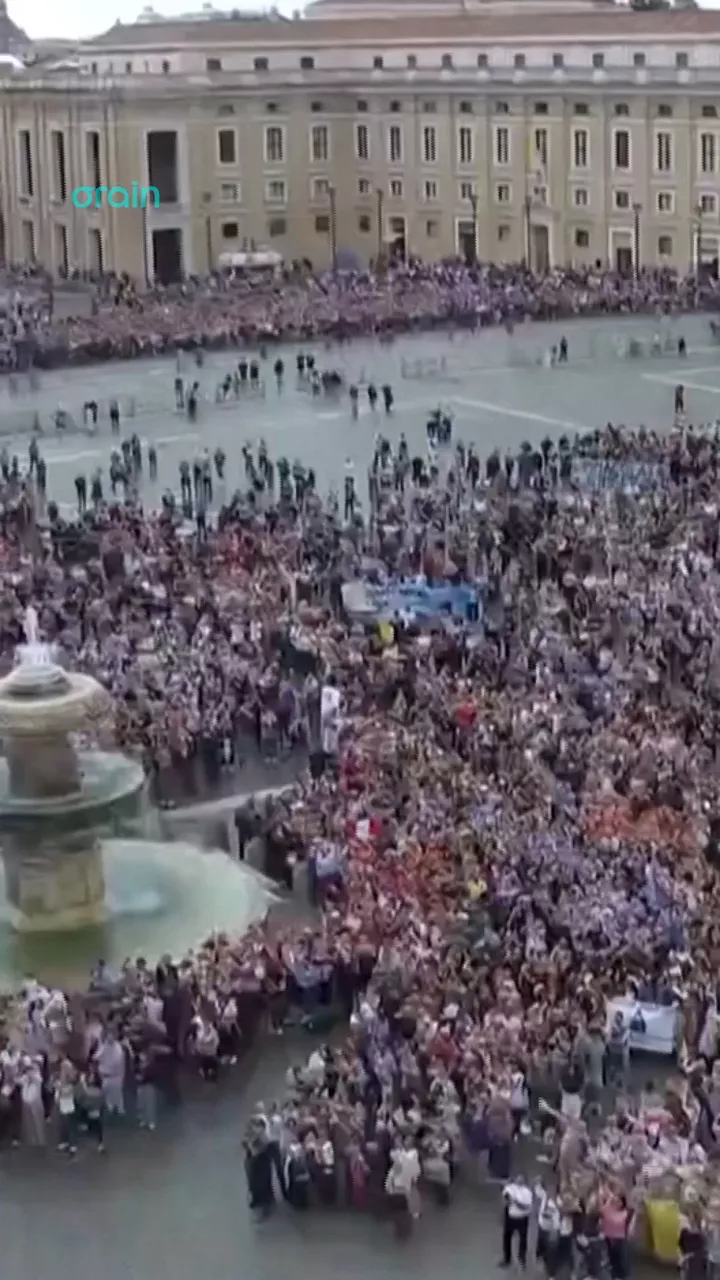
The Pope reappears in the Vatican to pray for the Angelus
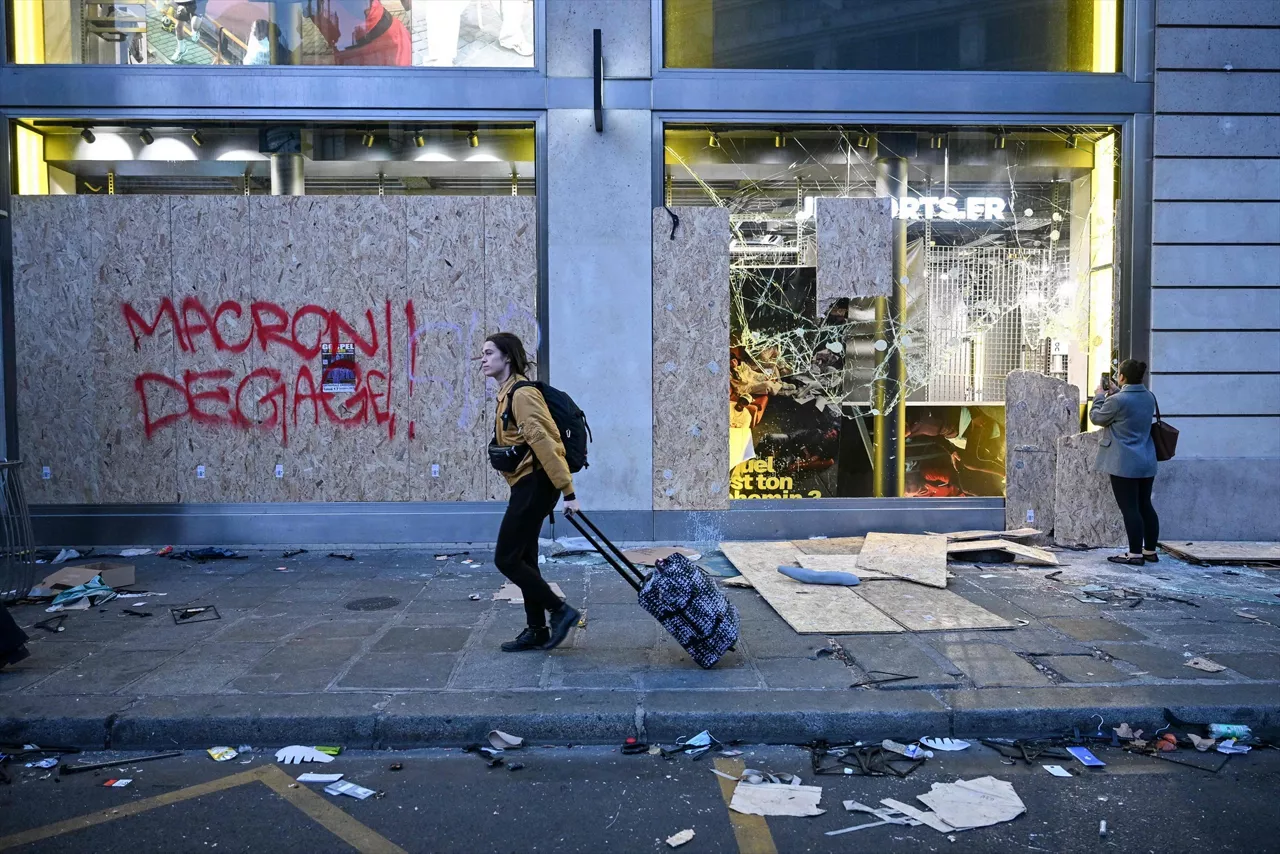
Consequences of the protests in France: one person has died, 1,200 have been arrested and there is destruction everywhere