
The festival will offer a retrospective to Jose Giovanni
The French filmmaker and novelist directed fifteen films and worked with Jacques Becker, Jean-Pierre Melville and Jacques Deray.


José Giovanni, director, screenwriter and French novelist will star in the retrospective cycle of the 74 edition of the San Sebastian Film Festival.
José Giovanni (1923-2004), born in Paris under the name of Joseph Antoine Roger Damiani, was first a novelist, fixer and screenwriter; when he took full responsibility for his projects as director, he gave the French police genre "special looks and aesthetics," as explained from the Festival.
Giovanni's novel 'Le Trou', which tells of his time in prison - he was charged with murder and sentenced to death, but was later commuted to death with forced labour - aroused interest in Jacques Becker, who decided to take it to the big screen.
"Classe tous risques" (1958) was born from his third novel, "Classe tous risques/The Big Risk" (1960), a film by Claude Sautet, and served as screenwriter for Giovanni. Years later, Jean-Pierre Melville adapted his second novel, "Le Deuxième souffle" (1958), to create one of the key titles of the "polar" genre: "Le Deuxième souffle/Second Wind" (1966).
In 1963, he began his fruitful relationship as a screenwriter with Jacques Deray - 'Symphonie pour un massacre/Symphony for a massacre' (1963), 'Rififi à Tokyo/Rififi in Tokyo' (1963), 'L'homme de Marrakech/The Man from Marrakech' (1966) and 'Avec la peau des autres/To Skin a Spy' (1966) - and three years later he did the same thing with Robert Rich - 's' s' s' s' s' s' s' s' s' s' s' s' s' s' s' s' s' s' s' s' s' s' s' s' s' s' s' s' s' s' s' s' s' s' s' s' s' s' s' s' s' s' s' s' s' s' s' s' s' s' s' s' s' s' s' s' s' s' s' s' s' s' s' s' s' s' s' s' s' s' s' s' s' s' s' s' s' s' s' s' s' s' s' s' s' s' s' s' s' s' s' s' s' s' s' '' '' '' '' '' '' '' '' '' '' '' '' '' '' '' '' '' '' '' '' '' '' '' '' '' '' '' '' '' '' '' '' '' '' '' '' '' '' '' '' '' '' '' '' '' '' '' '' '' '' '' '' '' -' ---' '' '' '-' -' -' -' -' ---' ------' ------' -----' -' -' -------------------------------------------------------------- Criminal Face '(1968) -.
Giovanni debuted behind the camera with 'La Loi du survivant/Law of Survival' (1967), and from then on, with the sole exception of 'Le Clan des Siciliens/The Sicilian Clan' (1969) by Henri Verneuil, Giovanni worked mainly on directing; he soon established "a style of his own, raw and correct, adapted to himself or to other writers, in stories full of diverse characters," as explained by the Festival.
Of the 15 feature films he directed (along with two TV films and three television series), special mention was made of "Le Rapace/Birds of Prey" (1968), "Dernier domicile connu/Last Known Address" (1970), "Un aller simple/One Way Ticket" (1971), "La Scoumoune/Hit Man" (1972), "Deux hommes dans la ville/Two Men in Town" (1973), "Le Gitan/the Gypsy" (1975) and "Une Tuire" (1971).
You might like

Orlando Bloom, Marion Cotillard and Jeremy Irons attend the Film Festival
In addition to Wener Herzog and Naomi Watts, creditors of the Donostia Prize, Brad Pitt, Noemie Merlant, Martin McDonagh, Cristian Mungiu, Pawel Pawlikowski and Ira Sachs, the head of the official jury, among others, will arrive in San Sebastian.
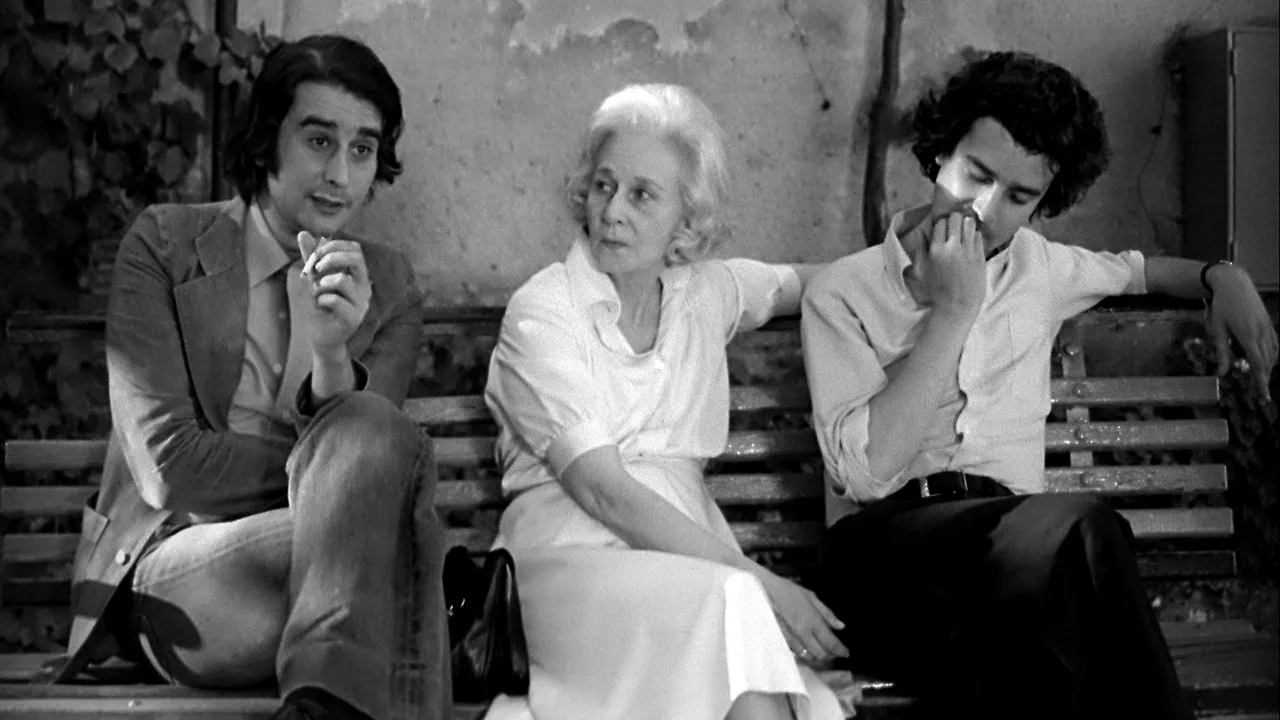
Classics The festival section will redeem El Desencanto and Ander and Yul
The festival will feature feature films by Milos Forman, Pere Portabella, Jacques Tati, Fernando Trueba, Agnes Varda and José Giovanni, and the festival will award the best music for the first time.
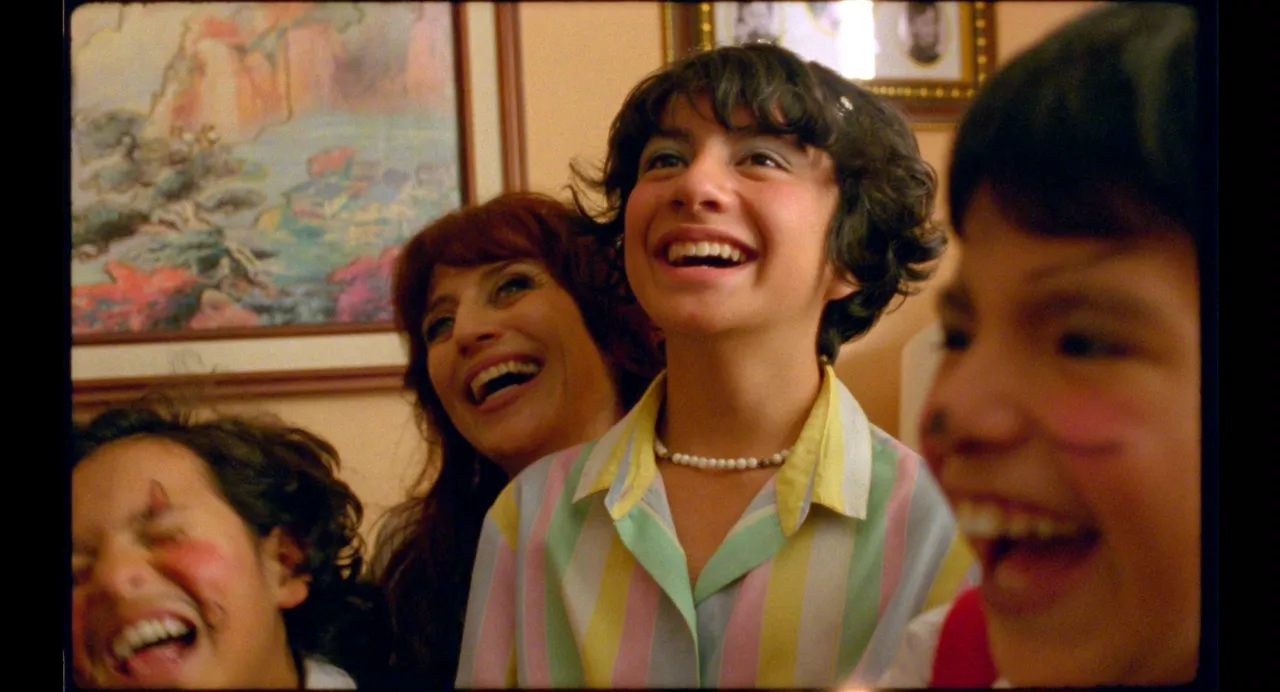
"Six Months in the Pink Blue Building" wins the Sebastiane Latino Award
The lesbian, gay, bisexual trans and intersex association of the Basque Country has awarded the award to the feature film of the Mexican screenwriter and director Brumo Santamaría Razo.

Naomi Watts receives the Donostia Film Festival Award
Watts joins German director, screenwriter, producer and actor Werner Herzog on the 74th edition Donostia Awards winning list.
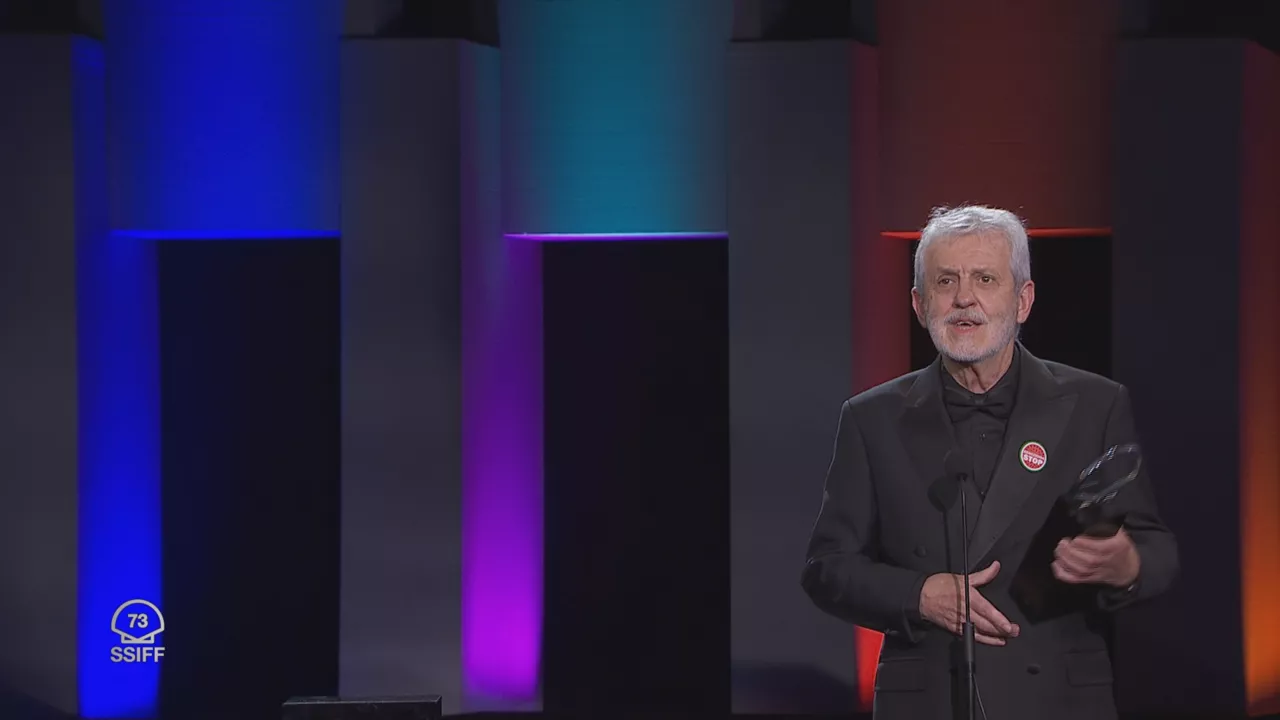
Actor Jose Ramon Soroiz will receive this year's Zinemira Award
The Festival and EPE-IBAIA will pay tribute to actor José Ramón Soroiz at the Grand Basque Film Gala to be held at the Victoria Eugenia Theatre on 22 September.
Outstanding Basque film films at the Film Festival
A total of 31 Basque productions will participate in the various sections of the 74 edition of the Festival, 19 of which will compete for the Irizar Prize for Basque Cinema.
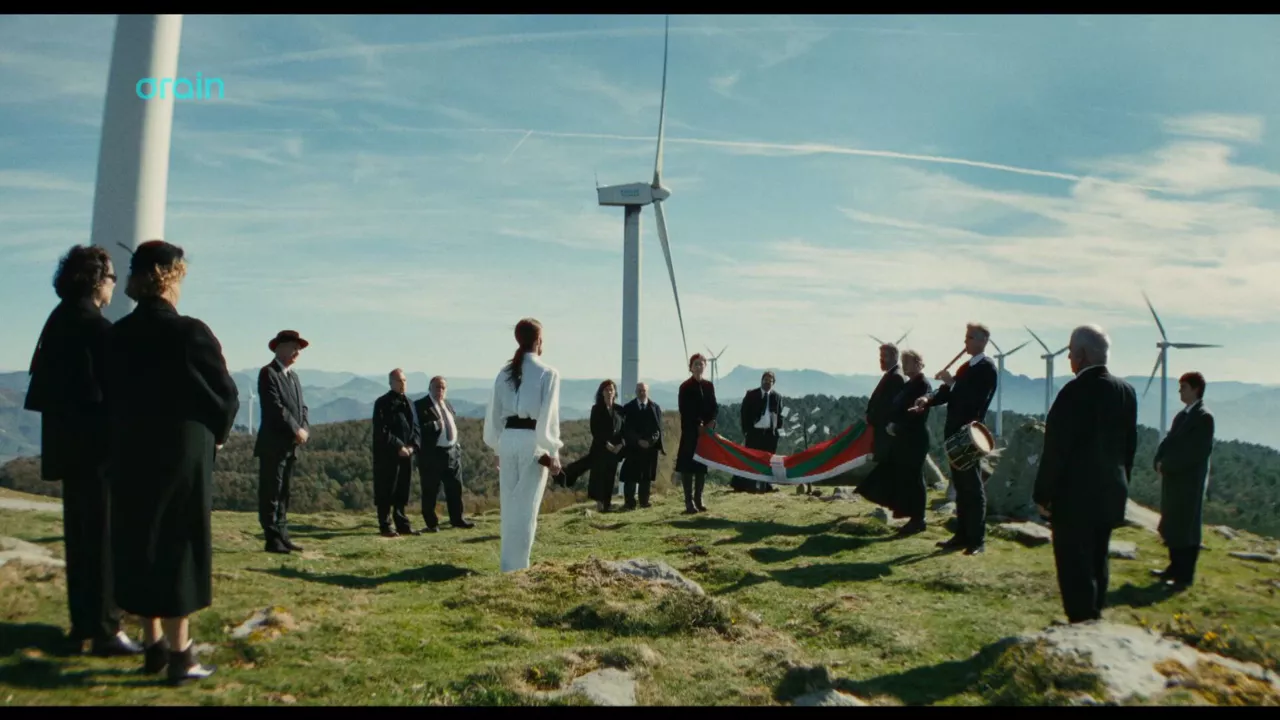
First images of 'The Last Farewell': We released the trailer for Koldo Almandoz's new film
The existentialist drama filmed in Basque focuses on life and death, combining irony, tenderness and humor. The protagonists are Iñigo Azpitarte and Izaro Nieto, owner of a civil funeral company and a young man who practices in it. 'The last farewell' will be presented in the Official Section of the Festival, within the Special Screenings, and is the third feature film by Koldo Almandoz, after Sipo Phantasma and Oreina.
The Basque Terror, beyond the Film Festival
This text has been automatically translated, it may contain errors or inaccuracies.
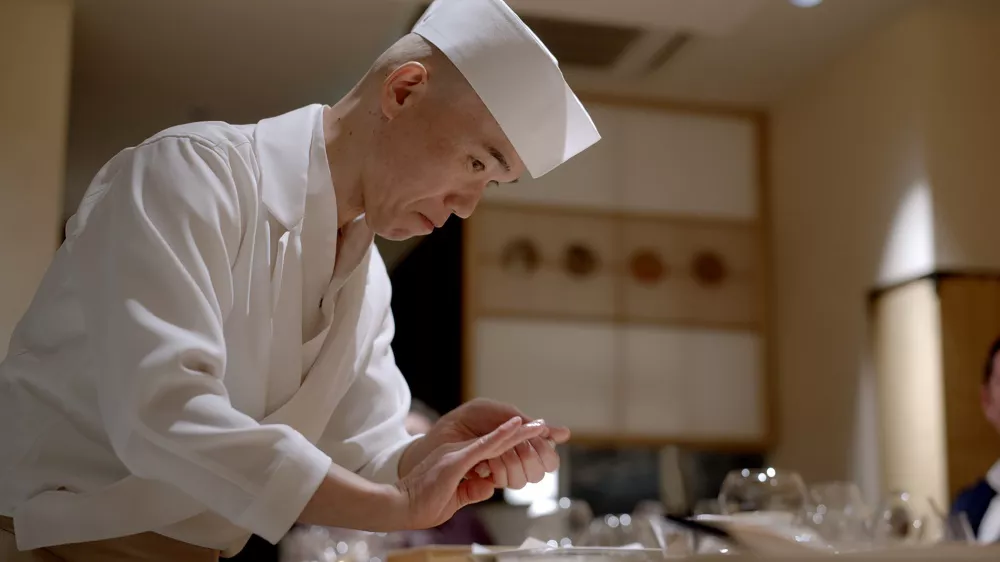
Culinary Cinema will feature four world premieres and travel to kitchens in Andalusia, Mallorca and Japan
Tickets for movies and dinners will be on sale this Friday, August 28, at 10 a.m., through the usual channels.
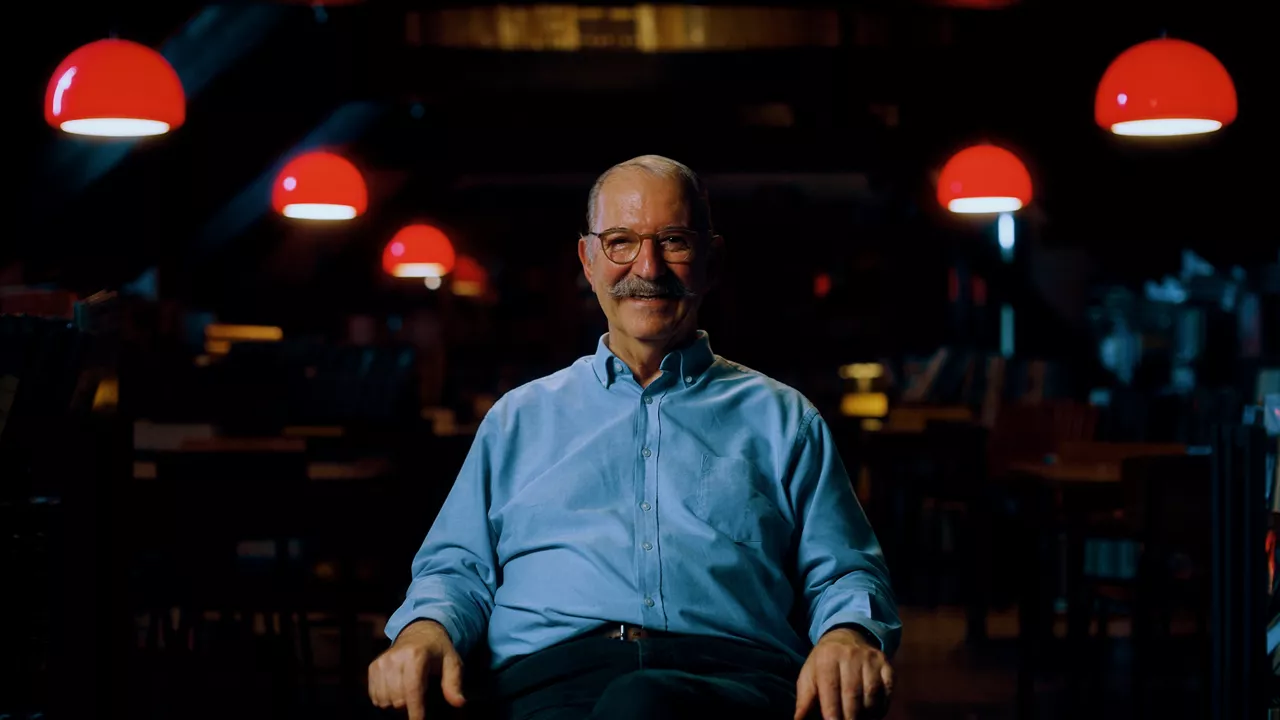
The Festival premieres "Subijana, beyond a mustache", a work that brings us closer to the life and fires of the culinary master
The new non-fiction work by Jorge Fernández Mayoral and Jesús Javier Ruiz Aquerreta will be presented at the San Sebastián Film Festival, within the Culinary Zinema section. Under the title Subijana, beyond a mustache, the film offers an intimate and personal account of the Guipuzcoano cook Pedro Subijana, a key figure in the great transformation and modernization of our gastronomy and a portrait of one of the main drivers of the New Basque Cuisine.