Green neighborhoods, good connection and fewer cars: Vienna is a model for the Basque Country


Fewer spaces for cars, more neighborhood life and higher buildings to gain green spaces are some of the lessons that the Housing Department can learn from urban development in Vienna for the Basque Country.
"We are doing some things and we have found that we are on the right track and in others we have to continue studying," he summed up on Thursdayduring a visit by the Director of Housing, Soil and Architecture of the Basque Government, Pablo García Astrain, to the neighbourhood of Seestadt, one of the largest urban projects in Europe.
A Basque delegation has been visiting various housing projects in the Austrian capital these days to explore a policy that is set as a model in Europe, on which García Astrain has identified several points.
The first is the connection to high-capacity public transport, such as the subway or commuter trains.
Another is that "there is no opposition between nature and construction," because both are integrated. Green areas are public areas that are incorporated into the initial designs of neighborhoods.
Seestadt is a new neighborhood that has been built since 2010 on an old airfield in northeastern Vienna, around a five-hectare artificial lake, and has vast public areas that occupy half the total space of the project.
The neighborhood now has about 12,000 inhabitants, but is designed to exceed 25,000 when its development ends in the next decade. The total investment in the works is over 6 billion euros.
Of the 11,500 housing units planned, approximately two-thirds correspond to different forms of affordable housing as a result of public aid.
The design of the neighbourhood incorporated gender criteria and child participation processes , enabling children and young people to provide a vision of public spaces that would allow housing, schools, shops, work and leisure to remain within walking or cycling distances.
Garcia Astrain points out that experience in Vienna shows that building many homes is not enough, because combining housing, employment, commerce, equipment, nature and different social profiles requires tremendous planning.
"That's making a city," said the director, who highlighted the combination of public, protected and free housing in all projects.
Fewer cars.
García Astrain has pointed out that the space occupied by the car is one of the main differences between Vienna and the Basque Country.
In the new neighbourhood of Vienna, parking lots are concentrated in specific areas of height, rather than building underground garages under each dwelling, which, he explains, allows for a significant reduction in costs and environmental impact.
Higher height to gain public space
García Astrain has also highlighted the higher densities of some projects in Vienna, with developments of around 170 homes per hectare, which in the Basque Country is around 100.
He has argued that building higher should not lead to worse urban quality if it allows the release of land for quality parks and public spaces.
Another element that has given it value is the diversity of types of housing and social profilesthat can coexist even within the same building.
He acknowledges that the transfer of this formula to the Basque Country is conditioned by a culture of property that is much more entrenched than in Vienna, where rent prevails.
The housing manager has insisted that the Vienna model shows that rent doesn't have to be synonymous with precariousness. "Here rent is the same stability as property for us, especially since you don't have to pay a mortgage," he said.
You might like

Pradales: There is no minimum political consensus, which is a disgrace to Spain
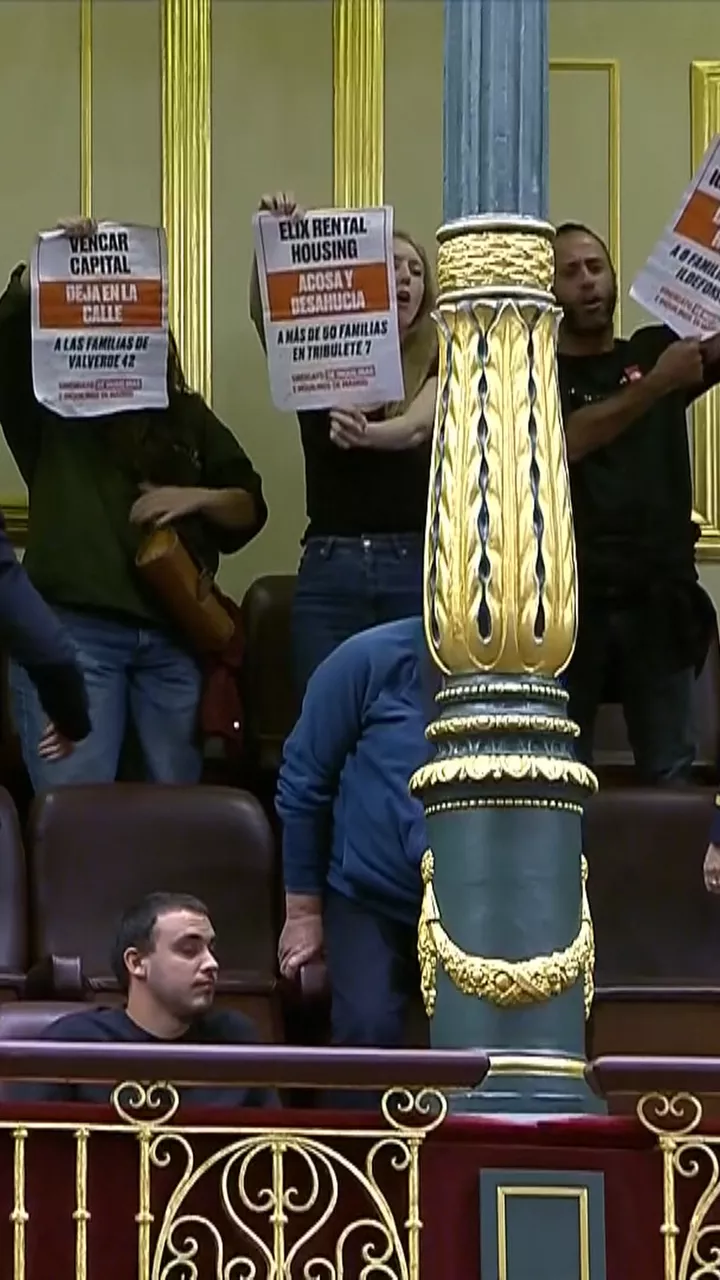
Activists throw leaflets in the Chamber at the cry of "vulture funds rule Congress"
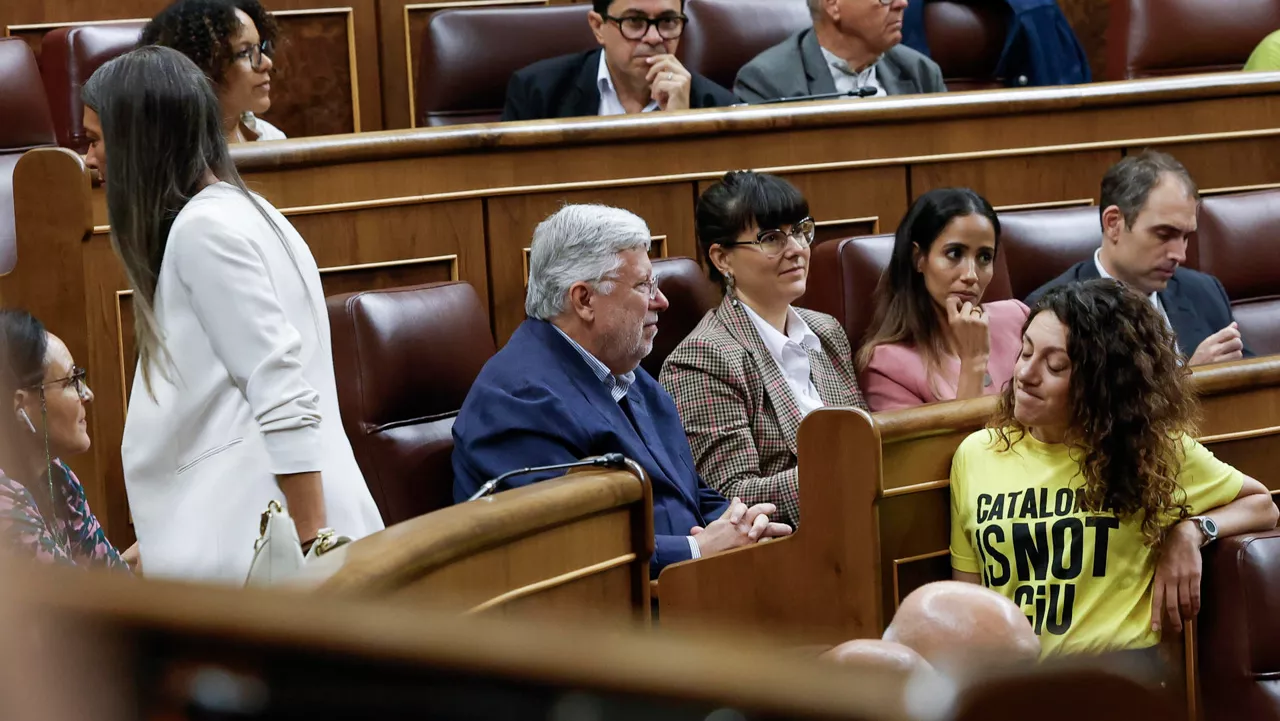
Congress rejected the housing decrees, and the government was unable to secure sufficient protection
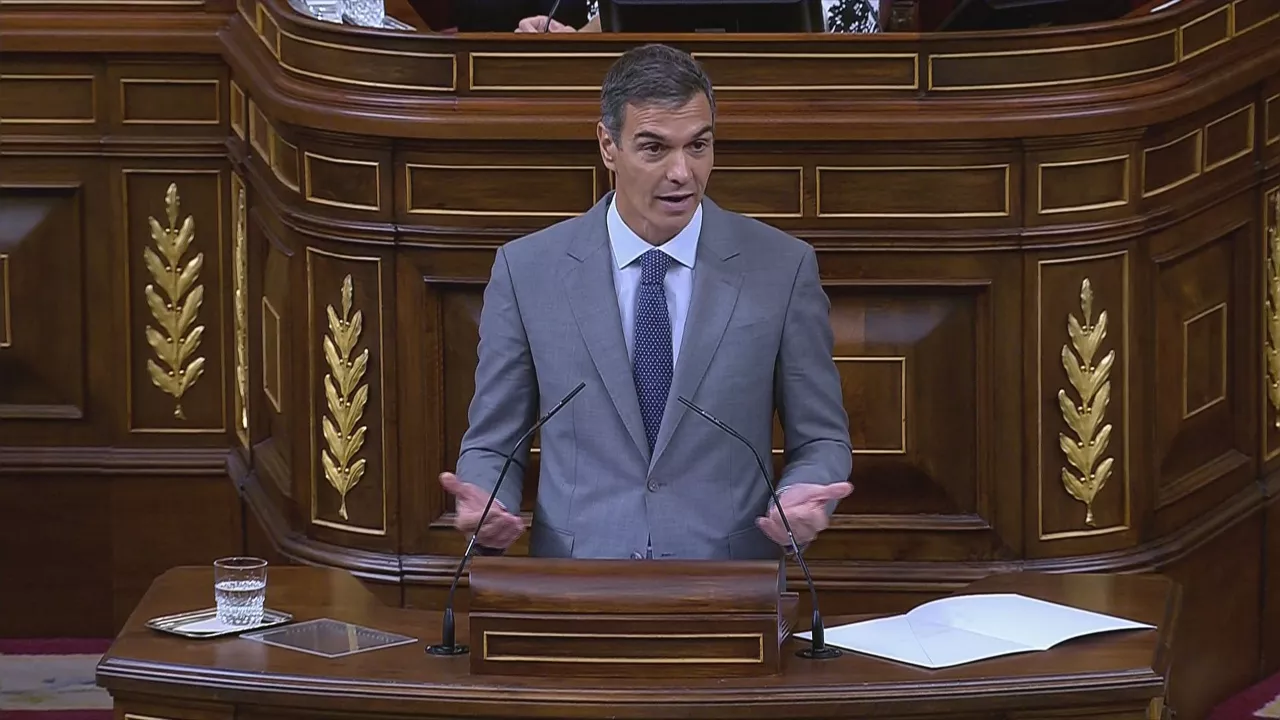
Sanchez warns the PP and Junts: "History will judge you sooner than you think and firmer than you think."
The protesters in Sol are moving in front of Congress: "Where is the progressive government?"
What are the deadlines if Sanchez calls an election?

Junts' no to housing decrees opens the door to early elections
There will be news: the vote on housing decrees, anti-speculation mobilizations and the red alert in the Peninsular East

Sanchez has said that they will not "step back": "Either they are with the social majority, or they are with the speculators."