Mohamed VI opposes the "instrumentalization" of Ceuta and warns that he will not tolerate "blackmail" in his relationship with Spain
The King of Morocco spoke for the first time about the 80,000 accesses to Ceuta, a few days after the visit of the kings of Spain to the city of North Africa.


King Mohamed VI of Morocco warned on Friday that the relationship with Spain is a "sovereign choice" and therefore cannot be subjected to "threats" or "blackmail" of any kind, while denouncing the"instrumentalization" of what happened in Ceuta in July by various media and criticizing the delay in the repatriation of minors.
In his opening address to the new Moroccan legislature, the King spoke for the first time publicly about the events of last summer in Ceuta, when more than 80,000 migrants entered from the Alawite kingdom, but he did not specifically mention the triple-autonomous that the Kings of Spain will visit next week.
In line with the official communiqué issued by the Ministry of Foreign Affairs, Mohamed VI has denounced "the irresponsible statements of certain political and media media and the flagrant instrumentalization of the situation". Having said that, he wanted to make it clear that Morocco's relationship with Spain is "a sovereign choice and a voluntary commitment", so that "no pressure or threat or blackmail can be exerted".
Mohamed VI has acknowledged that the relationship with Spain "has made significant progress in various sectors, including the fight against irregular immigration", but has warned that cooperation in the latter area "presents major challenges related to outdated legal provisions and judicial decisions far from reality".
Unfortunately, he added, "this behavior makes it difficult to repatriate minors and people who usurp refugee status and increases the appetite for criminal networks."
You might like
The assessment committee recognizes 60 other people as victims and proposes that the police centre declare them a "memorial centre for torture"
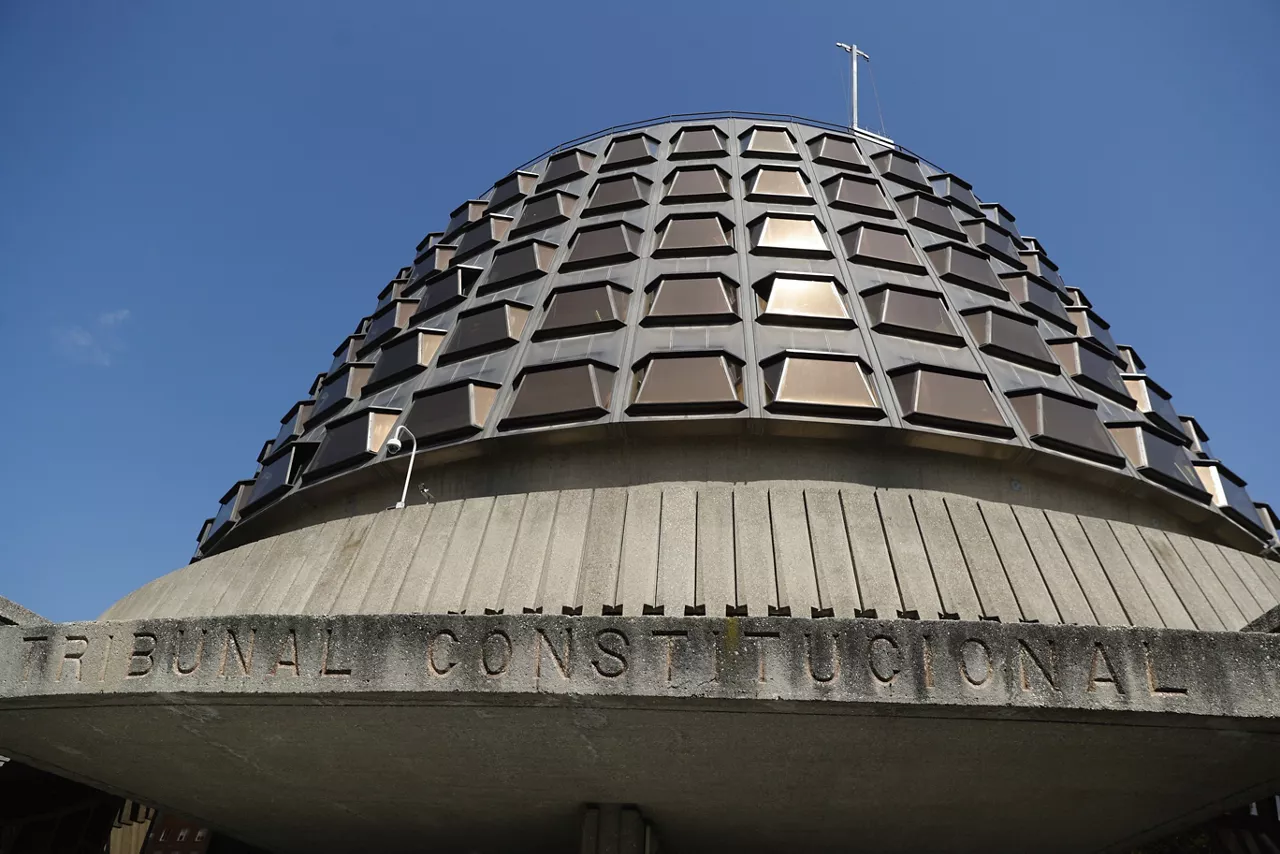
The Constitutional Court rejected the Ombudsman's appeal against the Grandchildren 'Act
Aske alleges that the two imprisoned by the National High Court are victims of a "criminalization campaign"
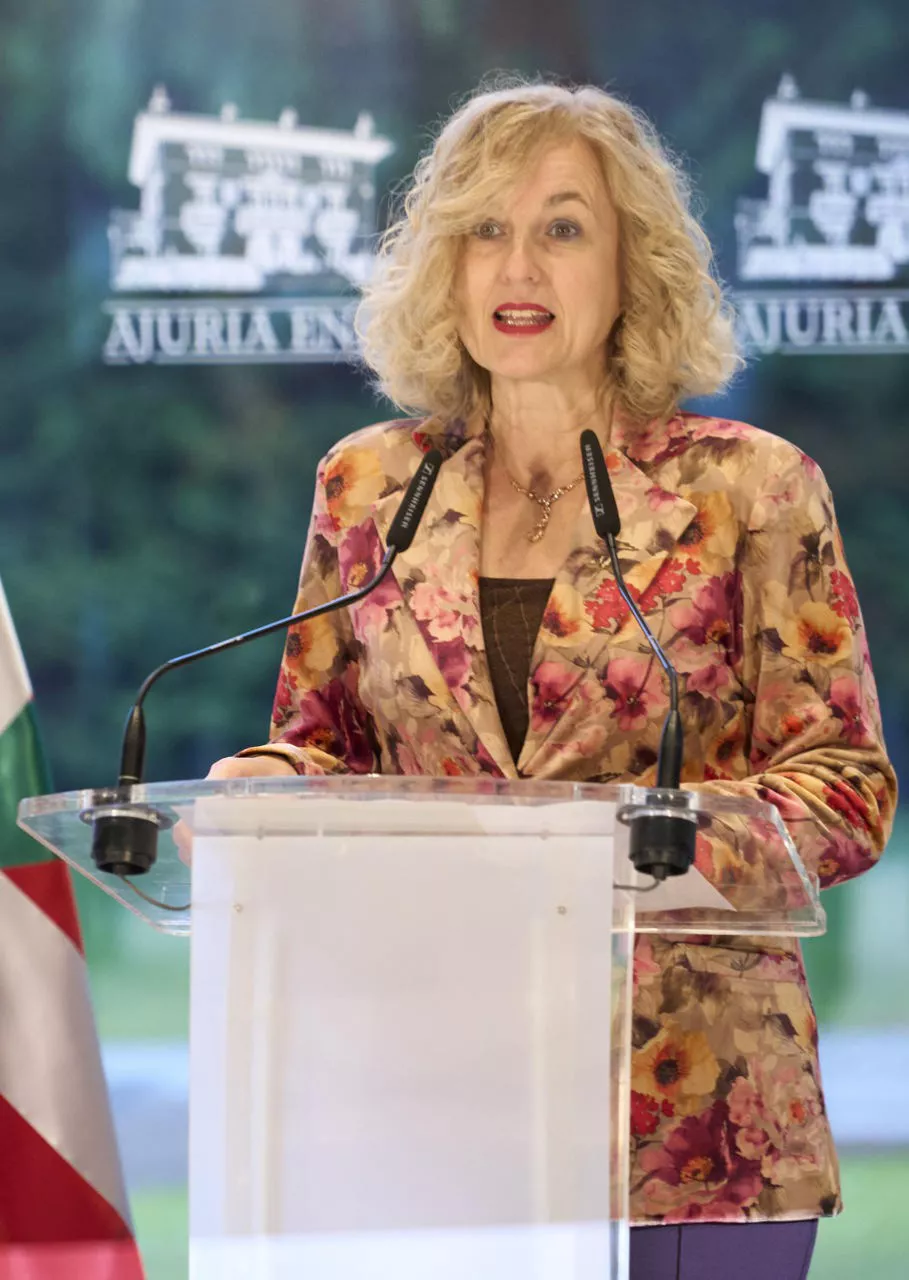
Cristina González takes office as Counsellor for Tourism, Trade and Consumption of the Basque Government

EH Bildu Navarra presents his candidacy for general election, led by Maiz and Aoiz
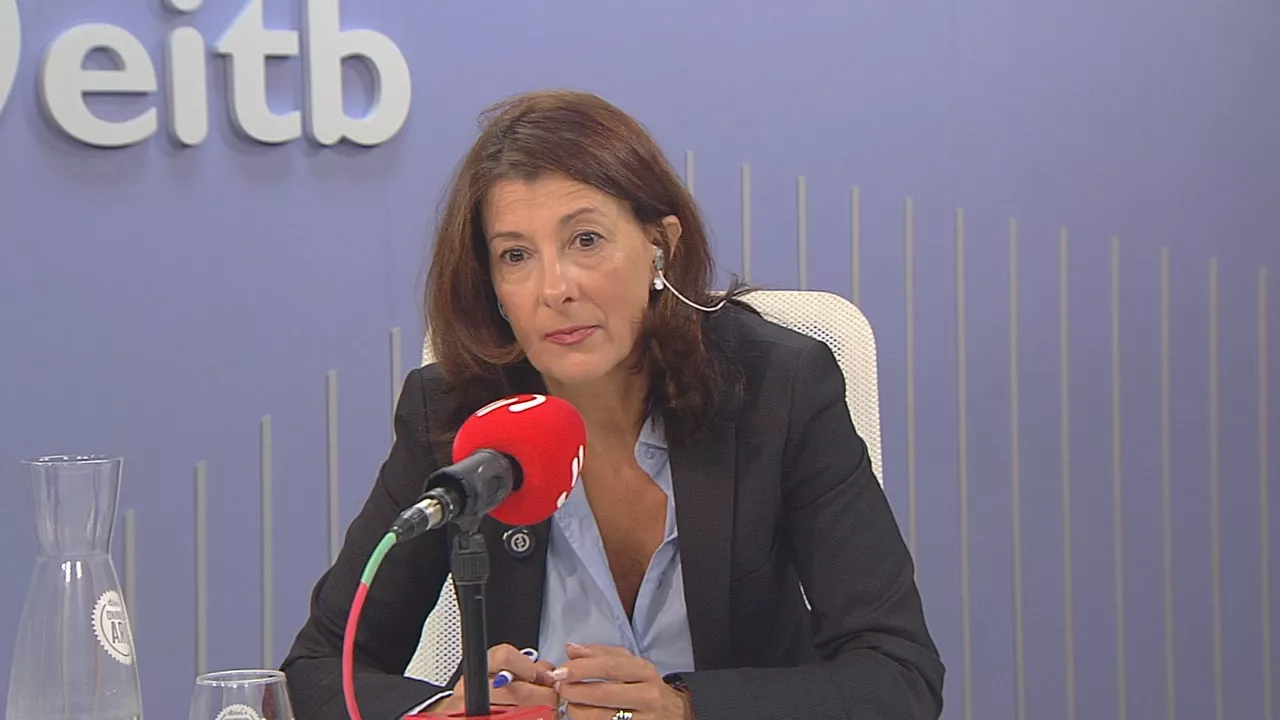
The PP calls for "respect for justice" in the case of two people imprisoned for a terrorist offence
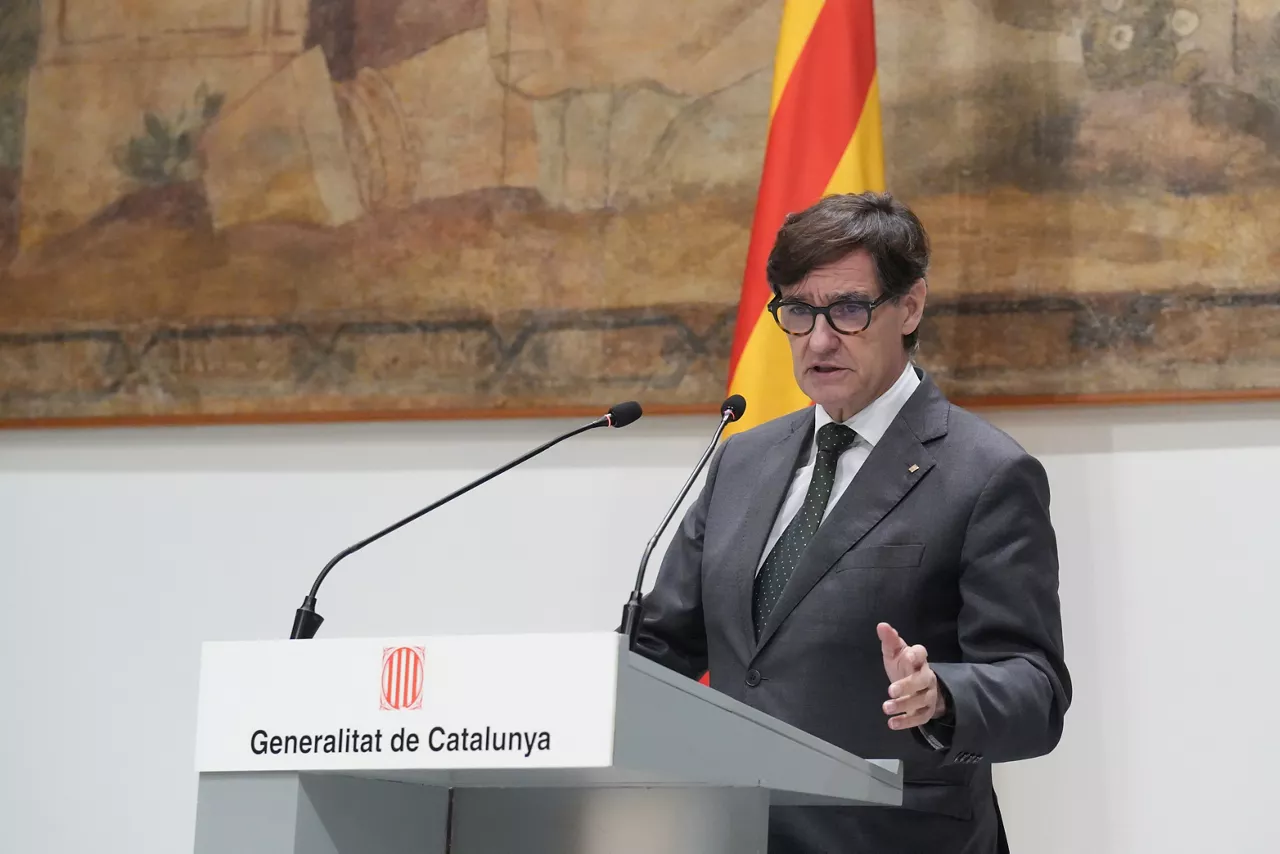
Illa has argued that amnesty opens a new stage in Catalonia: "It is everyone's victory."
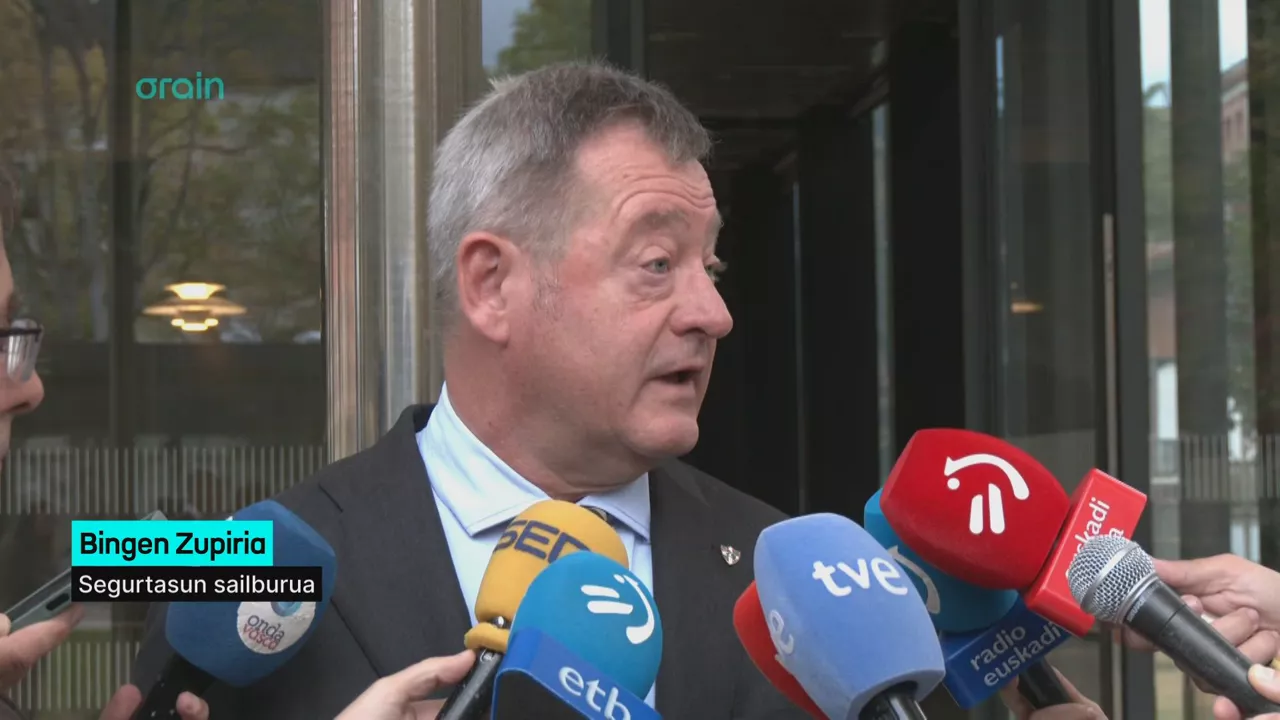
Zupiria explained that the Ertzaintza did not arrest the young people accused of terrorism because they were not committing any crime at the time
Lluís Puig returns to Catalonia and will take up his seat at the Parlament today