Moncloa believes that those who have not been able to vote will have to present their allegations
The Supreme Court's order upholding the precautionary suspension relating to the registration of residents abroad set five days for the filing of allegations.

Stock image of a ballot box. Photo: EITB

The Government of Spain is considering the orderof the Supreme Court maintaining the precautionary suspension of the right to vote for nationalized persons under the so-called "grandchildren's law". It remains to be seen whether the decision to be invoked by the State Lawyer's Office or whether each of the injured persons, according to the latest consular count of more than 163,000 persons, should be the subject of individual allegations.
Due to the approaching general election on 29 November, the time limits are very short, with the Supreme Court setting five working days for the parties concerned to present their case.
At the press conference following the Council of Ministers, the Government's Minister Spokesperson, Elma Saiz, did not provide any information on the intentions of theState Government. She merely stated that they were studying the Resolution . However, according to government sources, it was more appropriate for each injured party to present their allegations because they had the legal legitimacy to do so.
If they disagree with the decisions of the Supreme Court and the requirements are met, the next step would be an application for amparo before the Constitutional Court.
The Spanish Government has announced that it will respect the decisions taken by the courts. In any case, its spokesman Saiz has stated that this situation "restricts one of the fundamental rights enshrined in the Constitution, the right to vote", and has therefore described the Supreme's decisionas"extremely serious".
You might like

Race for a unitary list to the left of the PSOE: how are the negotiations going?

Ada Colau calls on ERC and Podemos to negotiate a single candidacy: "There's still time."
The Basque Government will inform the victims of ETA one by one of the permits granted to prisoners
Ceuta's president warns that the autonomous city is "a pressure cooker that can explode at any time."
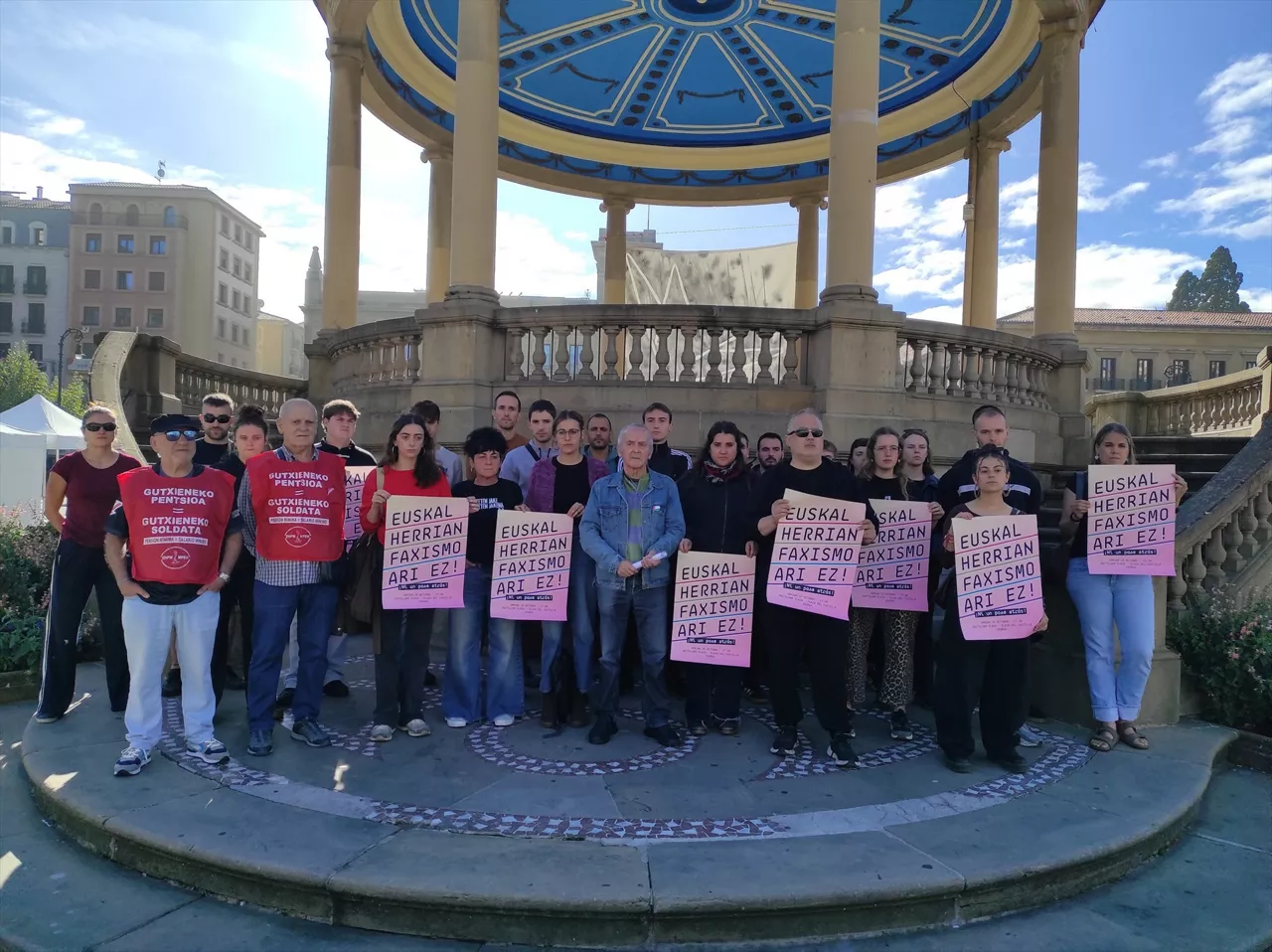
Protest called for Thursday in Pamplona against the act of ultra activist Vito Quiles
Maider Etxebarria to repeat as PSE-EE candidate for mayor of Vitoria-Gasteiz

Rufian believes ERC and Commons should "talk" and "listen" after the ERC-Podemos agreement
We can not join the Broad Front and call for joining the agreement reached with ERC