
What changes with the new EU law on media freedom?
As this is a regulation, the articles of the new regulation are binding on all EU States without the need for any transposition. One of the major obstacles to the negotiations was the attempt to introduce a clause allowing journalists or their sources to be monitored on grounds of 'national security'.

Interior Minister Fernando Grande-Marlaska, surrounded by a group of journalists in the port of Tarifa (Cadiz).

Thenew European Regulation on the Freedom of the Media , which is now binding, introduces for the first time into the European Union a law protecting journalists and the media from pressure, protecting the public media and strengthening the transparency of media companies.
As this is a regulation, its articles are binding on all EU States without the need for transposition, but some amendments require updating national legislation, and not all of them, including Spain, have arrived in time.
These are some of the key points that will be implemented thanks to the law known as EMFA :
Ownership of the media and institutional publicity
States shall establish media records with information on the ownership of communal property (including any number of shares likely to influence editorial decisions), specifying the amount of advertising investment received and the income received from foreign public funding.
In the Spanish State, will be managedby the Committee on Markets and Competition, and communities must also have registers.
However, the registration of a means of communication shall not be a prerequisite for its opening, but if it is not carried out, the Committee on Markets and Competition shall impose fines and shall be an objective element for the receipt of institutional publicity.
Transparency will also be enhanced with regard to institutional advertising of the media by organizations at different levels: media companies and public institutions , including communities and municipalities, will have to report on the budget they receive or allocate, respectively.
Guarantees for the public media
The law also provides for protective measures in defence of the independence of the public media. Henceforth, in each EU State, the criteria for the appointment and termination of senior officials, the duration of their terms of office and sufficient funding for the fulfilment of their purposes must be established by law.
Brussels originally intended to set the public media budgets for several years in order to ensure the stability of their projects and to prevent them from being used as an instrument of exchange in the negotiations for the adoption of the general budgets of each state.
However, they have decided that the public contribution to the negotiations should be "predictable and sustainable" , which is one of the issues that has not yet been developed in Spain.
Protecting journalists from espionage
One of the biggest obstacles to the negotiations was the attempt to include a clause that would allow journalists or their sources to be monitored if "national security" reasonswere argued .
Finally, the Act makes a general reference to 'respect the responsibilities of the Member States' in this area, so that journalists affected by this exception must be fully informed of the measures taken against them and may lodge a judicial appeal.
The new rule also prohibits pressuring journalists or the media to force the disclosure of their sources.
You might like
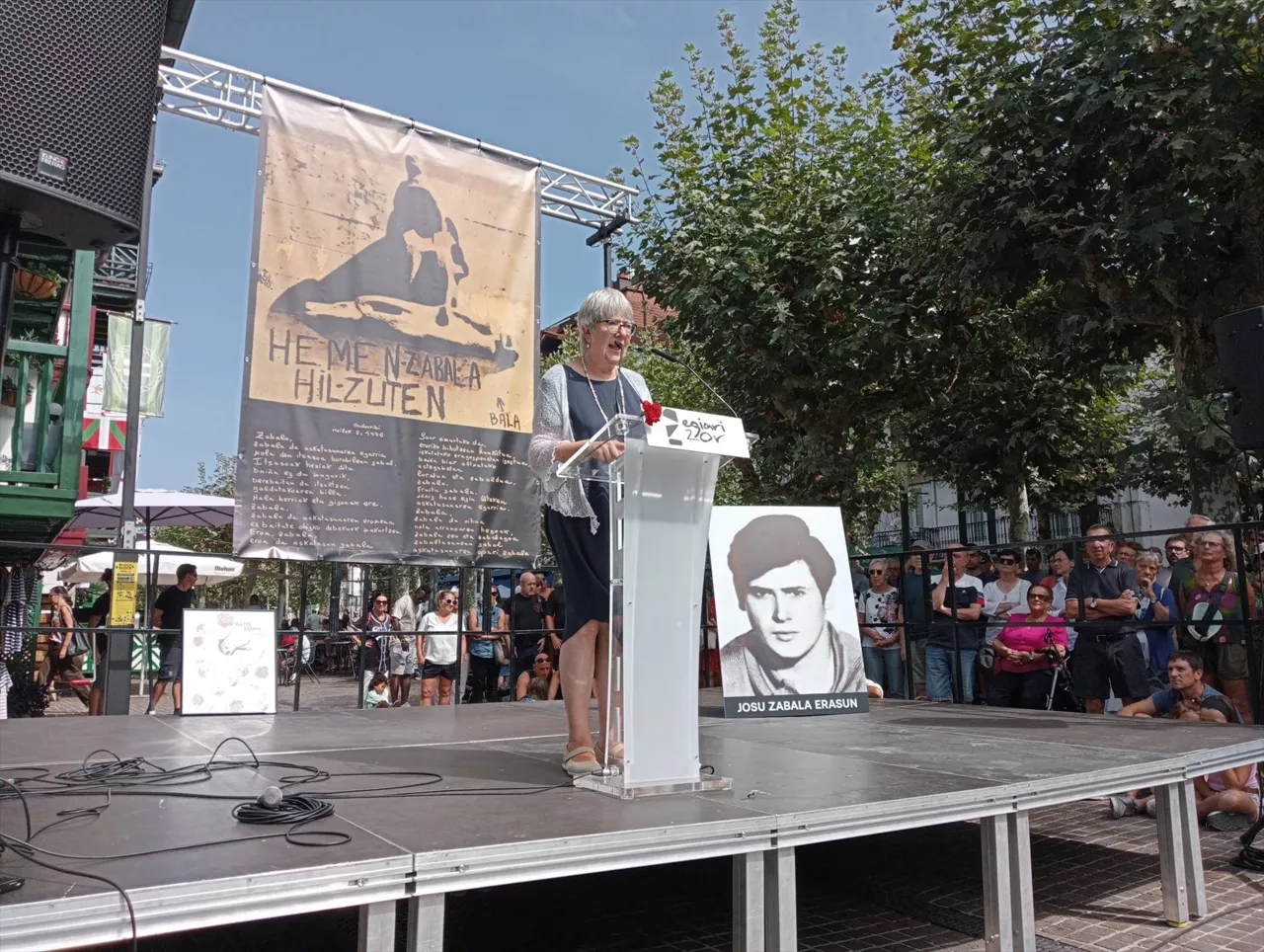
Josu Zabala Erasun was remembered in Hondarribia on the 50th anniversary of his death
Josu Zabala Erasun was shot dead by the Civil Guard in 1976 during a demonstration against the kidnapping of ETA member Eduardo Moreno Bergaretxe, 'Pertur'.
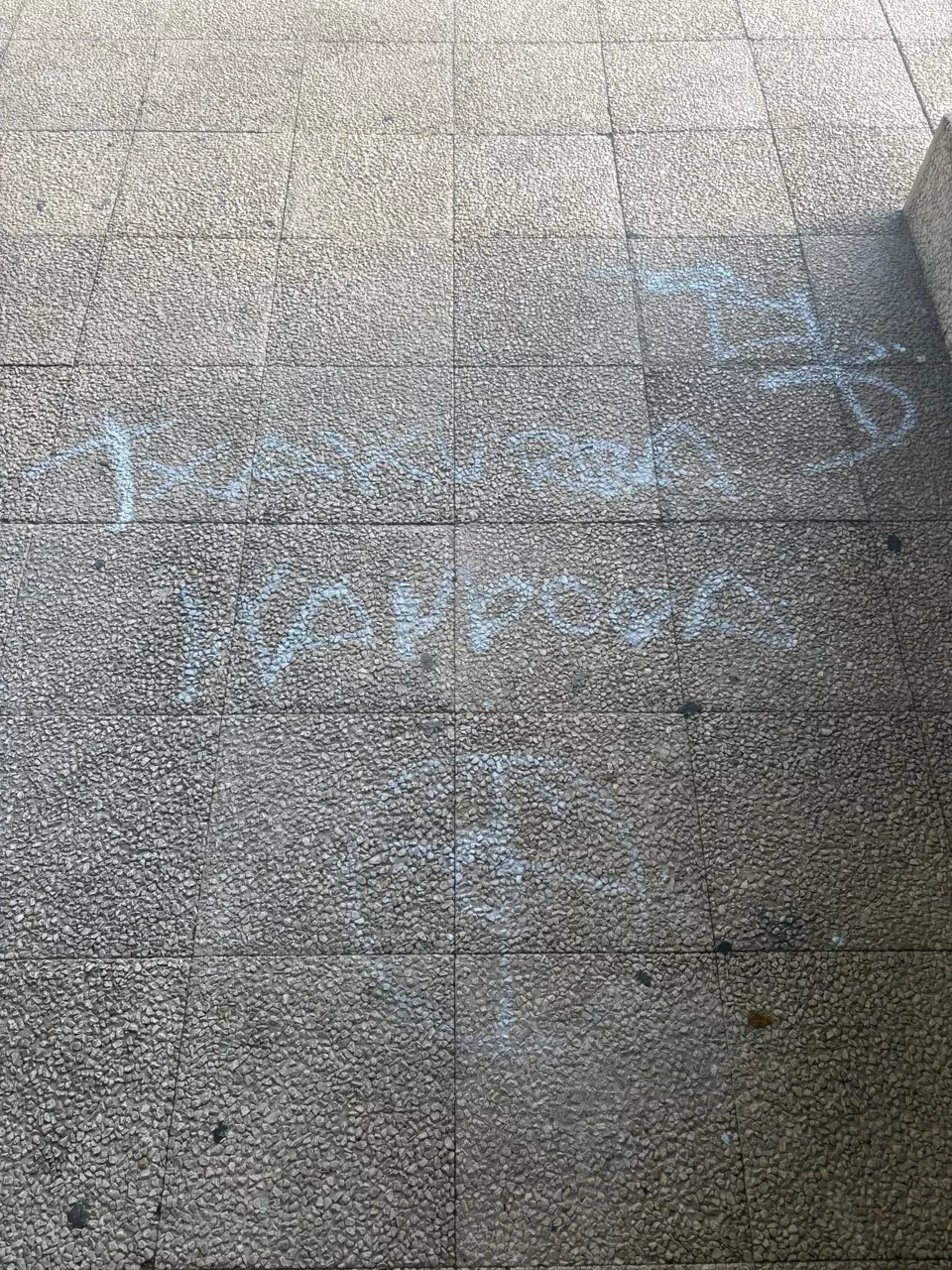
A painting against an ertzaina appears near his home in Vitoria-Gasteiz
The Department of Safety and Security has condemned "the threats and threats to the police, which recall past times and attack not only the said officer and the Ertzaintza, but also the foundations of democracy and coexistence".
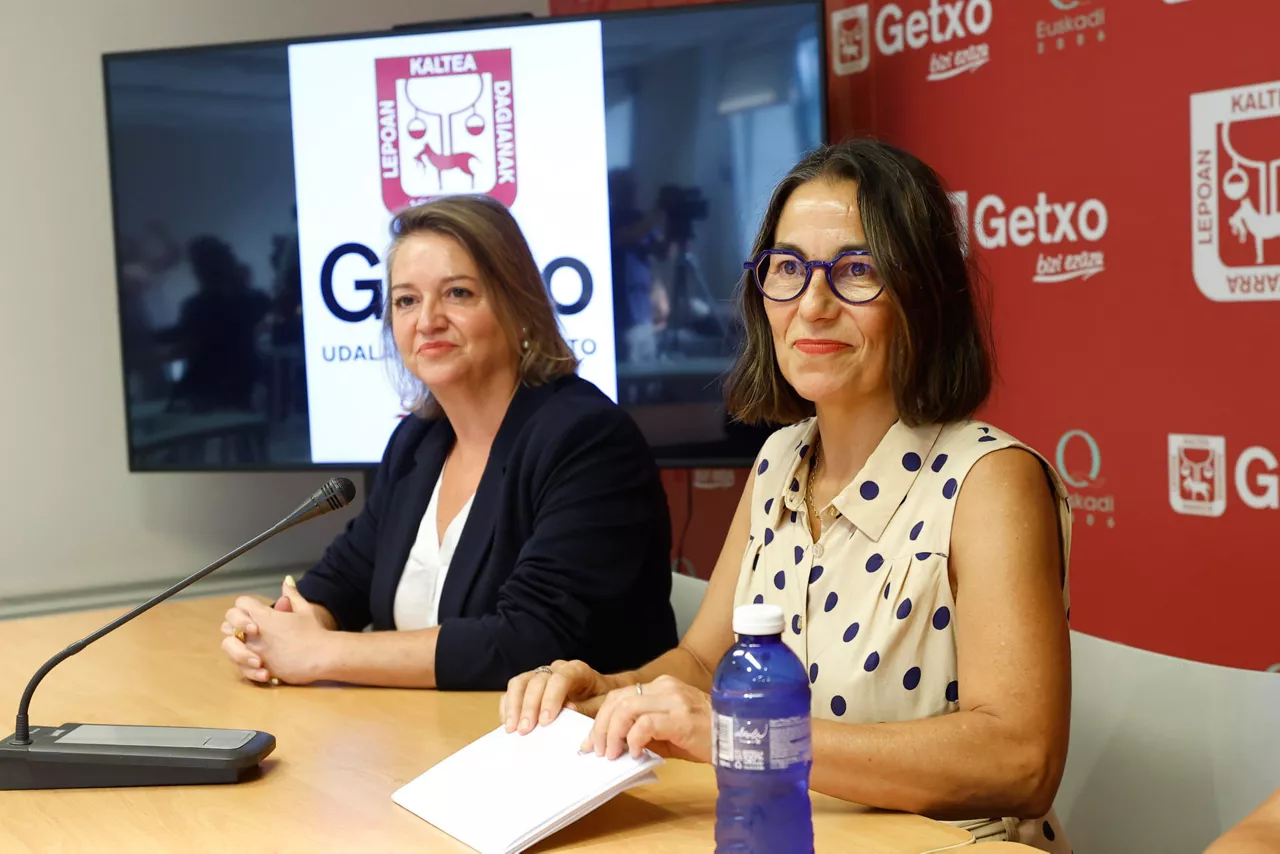
Agirre has called for a "public repair" of Irura's Bat Palace on the grounds that "progress" is not enough
According to the mayor, for months the debate has gone beyond the legal issue, with very serious accusations being made against the people affected and against the PNV, so he has clearly said that it is not enough to leave what happened behind.
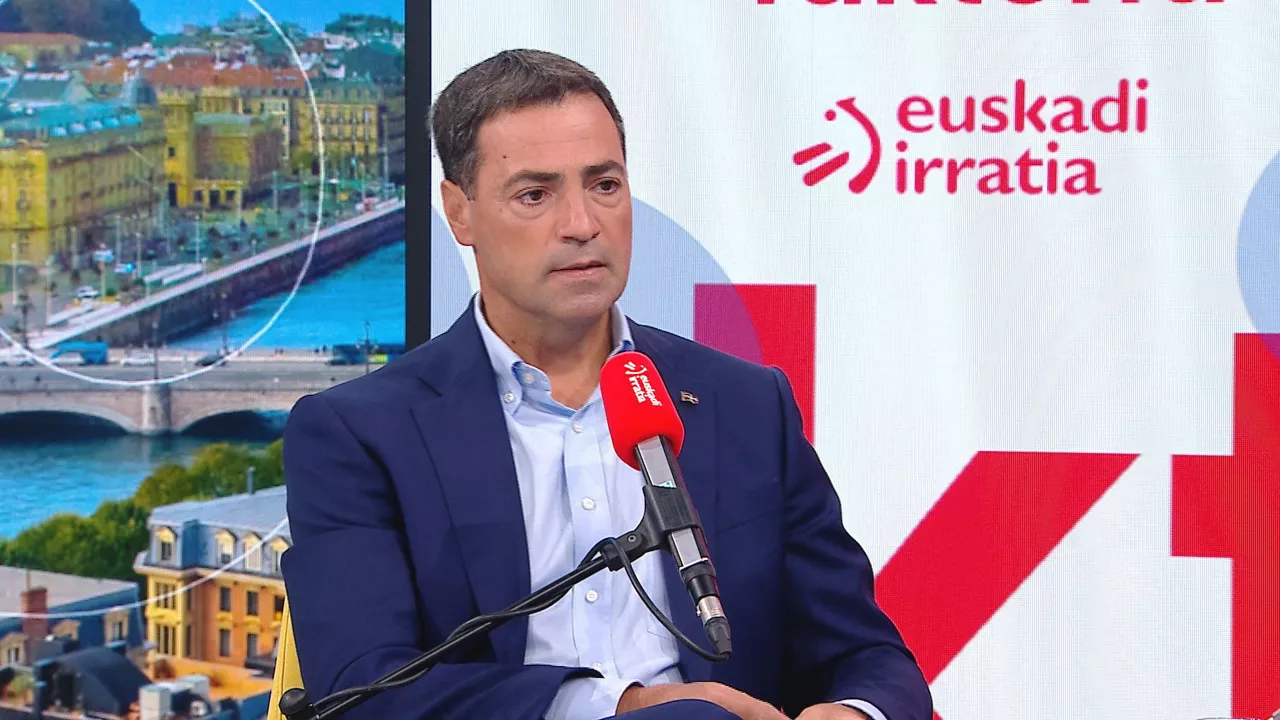
The President has assured us that there is no organized crime in the Basque Country today
Interviewed in the Faktoria programme of Euskadi Irratia, the President of the Basque Government, Imanol Pradales, has pointed out that the murders of recent years are mainly related to the deterioration of personal relations caused by drugs, addictions or gender-based violence, and has stressed that there is currently no organized crime in the Basque Country.
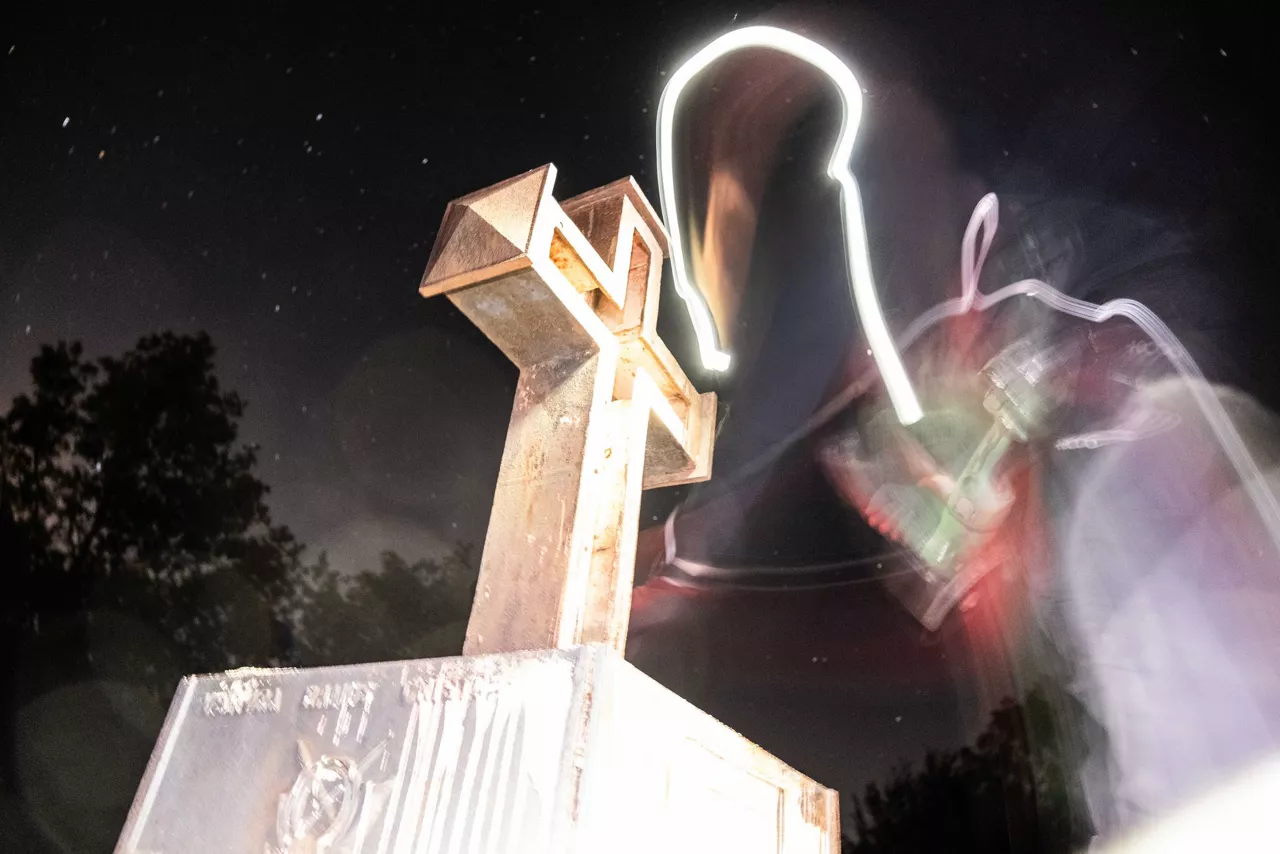
Ernai launches the Francoist cross of Mount Isuskitza
Ernai has shot down and videotaped the 1940 cross on Mount Isuskitza (Álava) in memory of the Franco requetés. The youth organization has claimed that fascism has no place in our country and has called for participation in the demonstration that will take place on 13 September in San Sebastian.
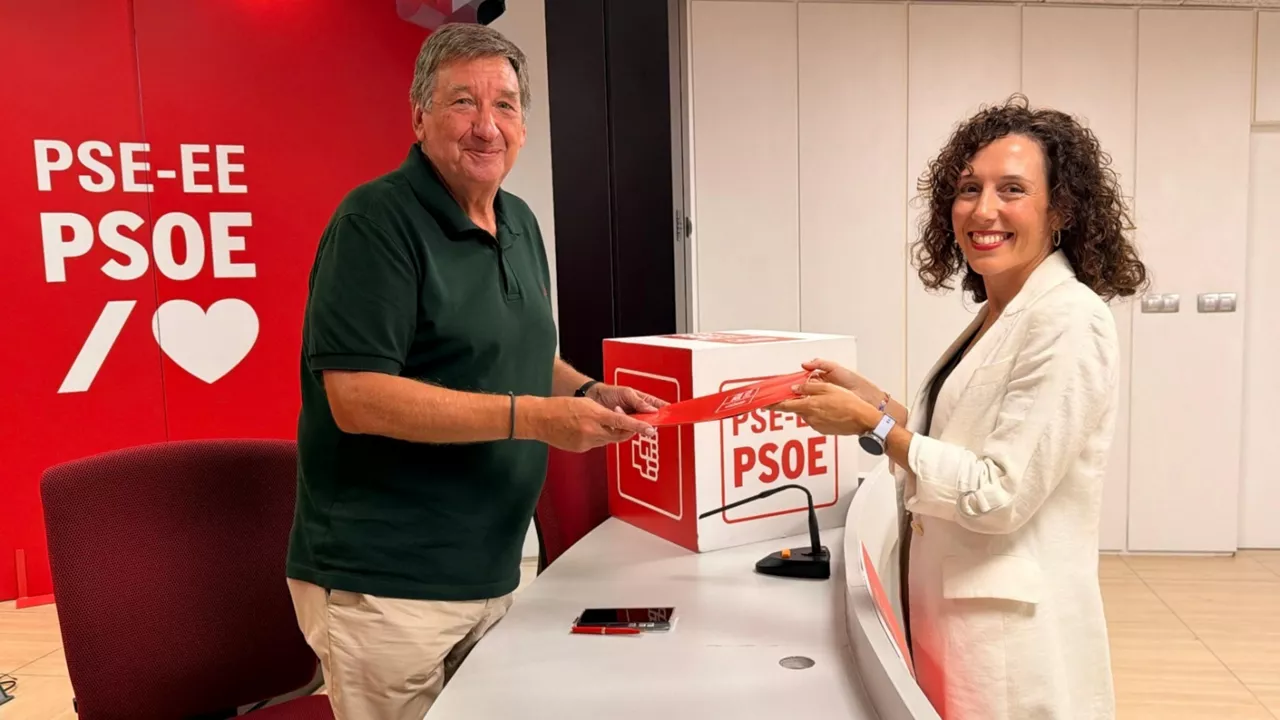
Nora Abete (PSE-EE) presents her candidacy for mayor of Bilbao
The current deputy mayor of the Bilbao City Council and spokesperson for the PSE-EE has explained that his candidacy stems from "proximity, listening and decision-making."
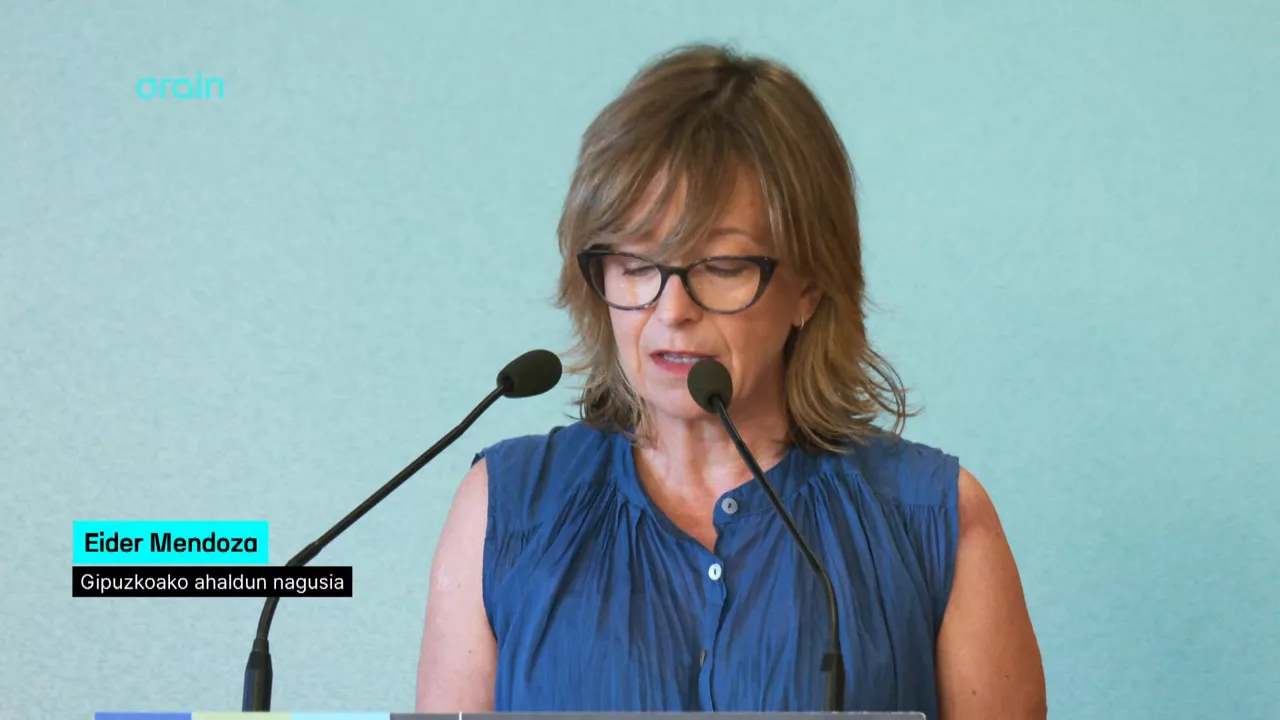
Gipuzkoa's Provincial Council will begin negotiating fiscal budgetary measures next week
Gipuzkoa MP Eider Mendoza has advanced her intention to start a round of talks with opposition groups to begin negotiations on the territory's budgets and some fiscal measures.
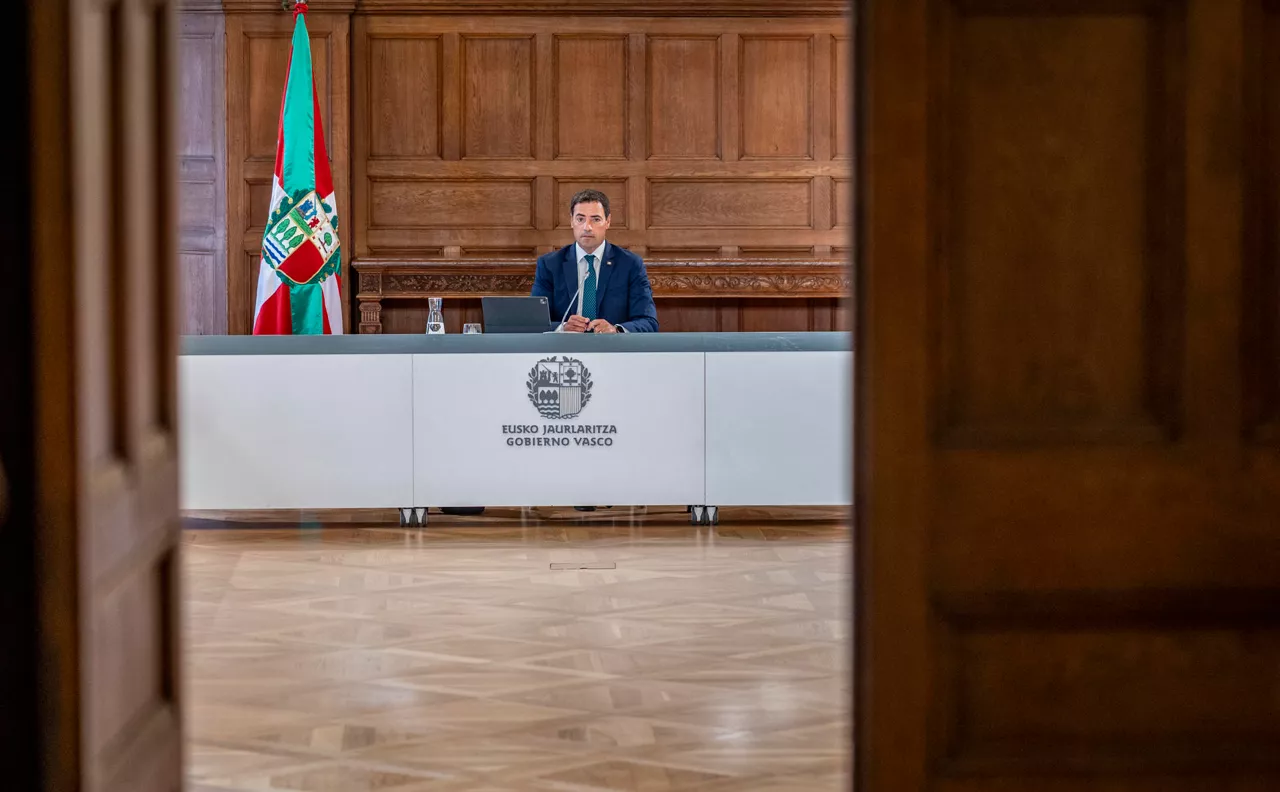
The President shall propose economic, self-government and housing agreements in his round of meetings with the parties and social partners
The meetings will take place from 8 to 15 September with the aim of strengthening dialogue and fostering partnerships in a context marked by international uncertainty and the electoral cycle of 2027.
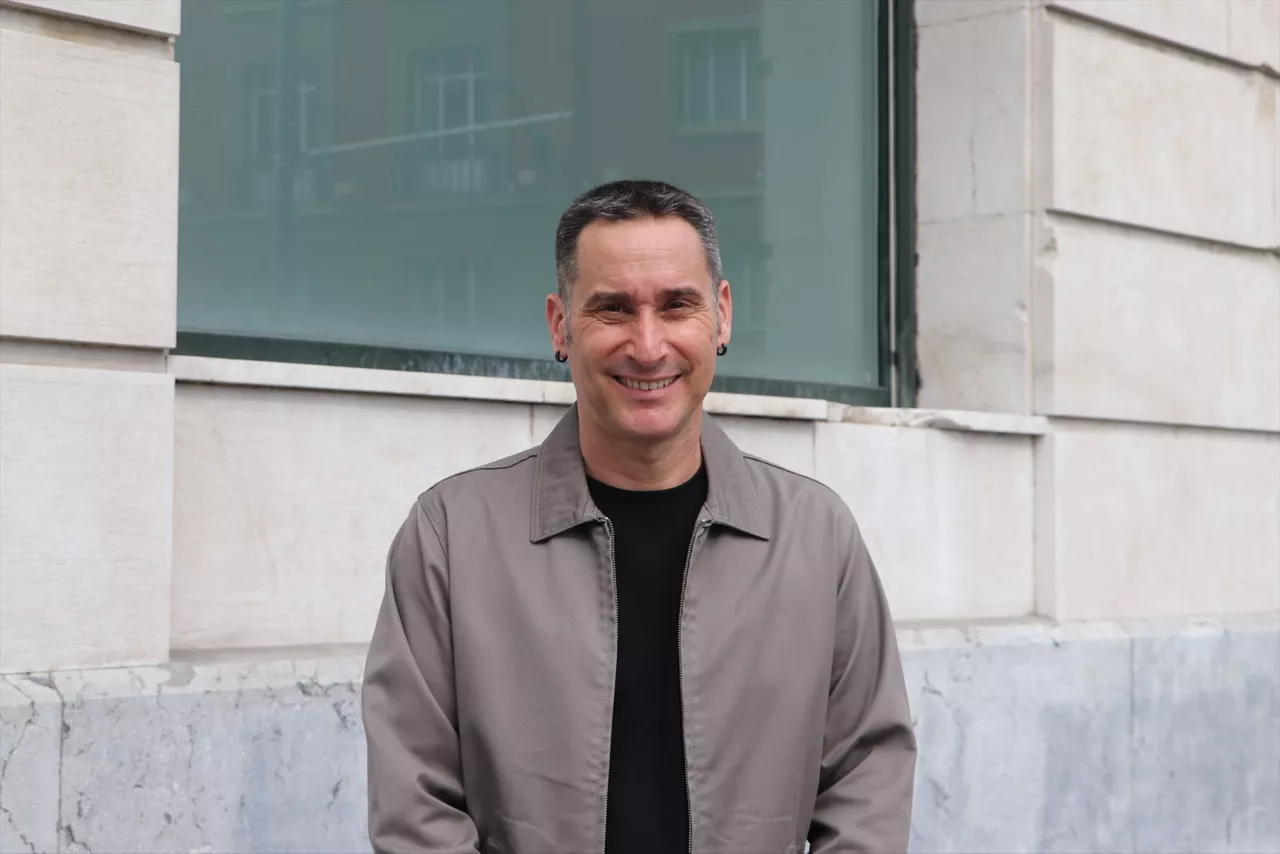
Iker Casanova will again be EH Bildu's candidate for Bizkaia's MP
EH Bildu's Bizkaia Political Bureau believes that baracaldés is the right person to represent the project of left-wing sovereignty.
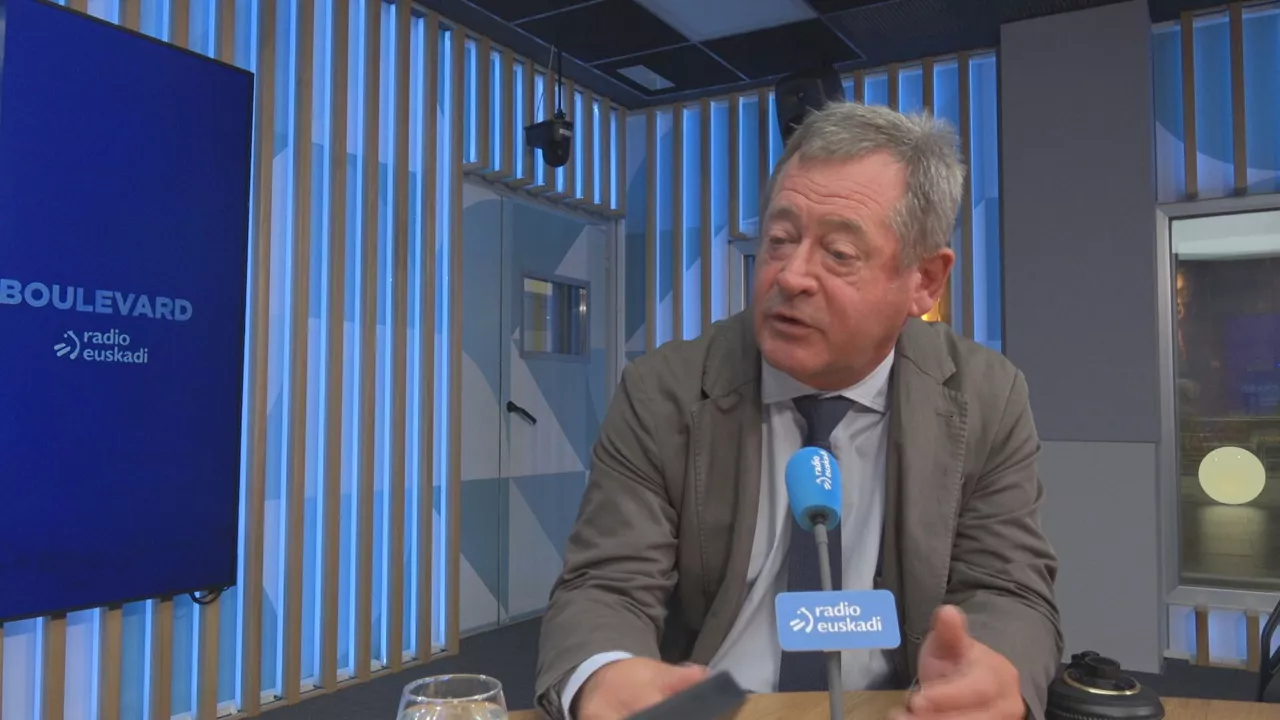
Zupiria believes that there is no political tint in the recent incidents between young people and the Ertzaintza
The Security Adviser of the Basque Government, Bingen Zupiria, has linked the incidents to young men, the consumption of alcohol and other substances and the "disinhibition" of night leisure. Asked about Ceuta, he regretted that Morocco was not asked to "assume its responsibility".