
O23, Franco or Sofia, among others, have been mentioned by Juan Carlos I in his memoir of his life
The emeritus king of Spain has written from Abu Dhabi the book "Reconciliación", in which he reviews his life, shadows and legacy. At 87 years old, he claims his role in the Transition, regrets his estrangement from Philip VI and confesses "mistakes", "loneliness" and "pain".


At the age of 87 and since his exile in Abu Dhabi, Juan Carlos I has broken a long public silence with oracles called "Réconciliation", memoirs written in first person and reviewing his life.
The emeritus King of Spain has vindicated his role in the Transition, confronted his shadows and offered a personal reading of the events that marked his reign, from February 23 until his departure from Philip VI. The publication of his memoirs has aroused great curiosity.
"The Crown of Spain is entirely upon me."
"Don't forget that you inherit a political system created by me."
"You may exclude me personally, but you cannot give up the institutional inheritance upon you," he wrote to his son, Philip VI.
Since the retreat of Abu Dhabi, the emeritus king proclaims that the parliamentary monarchy is "entirely upon me."
He says he was "robbed of his story," and he writes his memoirs to retrieve it.
Relationship with your son.
"As long as I live, I hope to have a quiet retreat, to have a harmonious relationship with my son and to return to Spain, to my house."
Juan Carlos I admits that his departure from Philip VI is due to "pressure from the government" and regrets that he has not been able to "weave privileged relations" with his grandchildren, Leonor and Sofia.
About Letizia: "Entering the royal family didn't help cohesion."
Sofia, her queen, despite her disgust.
"Nothing can ever erase my deep feelings for my wife Sofi, my queen."
"Spain could not have had a queen more devoted and reprehensible."
He recognizes "sentimental deviations," but claims that most stories about his relationships are fictional.
She regrets not having been to Sofia Abu Dhabi and says:
"I did all I could, despite my clumsiness, for his well-being and comfort."

Franco: "If I could have been king it was because of him."
"He respected her terribly, admired her intelligence and her political sense."
"No one managed to tear it down or destabilize it, and that, in such a long time, has merit."
"Why lie, if he was the person who made me king, and made me king to create a more open regime?"
O23: "I have never shown so much authority in my life"
"The history of Spain was played at that very moment."
The emeritus remembers the 23F blow as his most decisive night.
"I spoke calmly because I knew the fate of the Crown and the country was at stake."
"That long night there were three attempts at coup: that of Tejero and Milans, that of the Army and that of the Falangists."

ETA: "The toughest and most painful battle"
"I knew we'd finally be stronger than them."
"It was the hardest and most painful of my reign."
He remembers the victims as "a personal wound that is still difficult to heal."
About 11M, "I've rarely cried so much. It was a national and personal trauma."
"Why don't you shut up?": a slogan he didn't want.
"Even though I didn't want to," Why don't you shut up? "" It became a slogan of political resistance. "
"Chavez drove me mad, Zapatero pulled my jacket so he wouldn't intervene."
Then he said, laughing, that on a visit to Palma he gave Chavez the shirt with the phrase.
Juan Carlos I.ak Hugo Chavezekin 2007an izandako liskarra gogoratu du:
Chavez exasperated me.
Transition: "I promised democracy to the Spaniards and fulfilled it"
"In front of the Washington Capitol, I clearly promised the Spanish democracies."
"I felt pride and strength in making that promise, because I knew I could keep it."
He describes the Transition as "I controlled the galloping horse so that neither left nor right could go too far."
Drama: "I will never recover from the death of my brother Alfonso"
"I miss him. I lost a friend, a confidant."
"It's still hard to talk about."
He remembers the 1956 accident, when a gun accidentally shot and killed his brother, "He died in my father's arms."
Spain will decide, history will judge us.
"I am a man who gave himself entirely to his people."
"I hope to be buried with honor, Spain will decide, history will judge us."
He closes his memories by invoking the spirit of the Transition and calling for reconciliation.

You might like
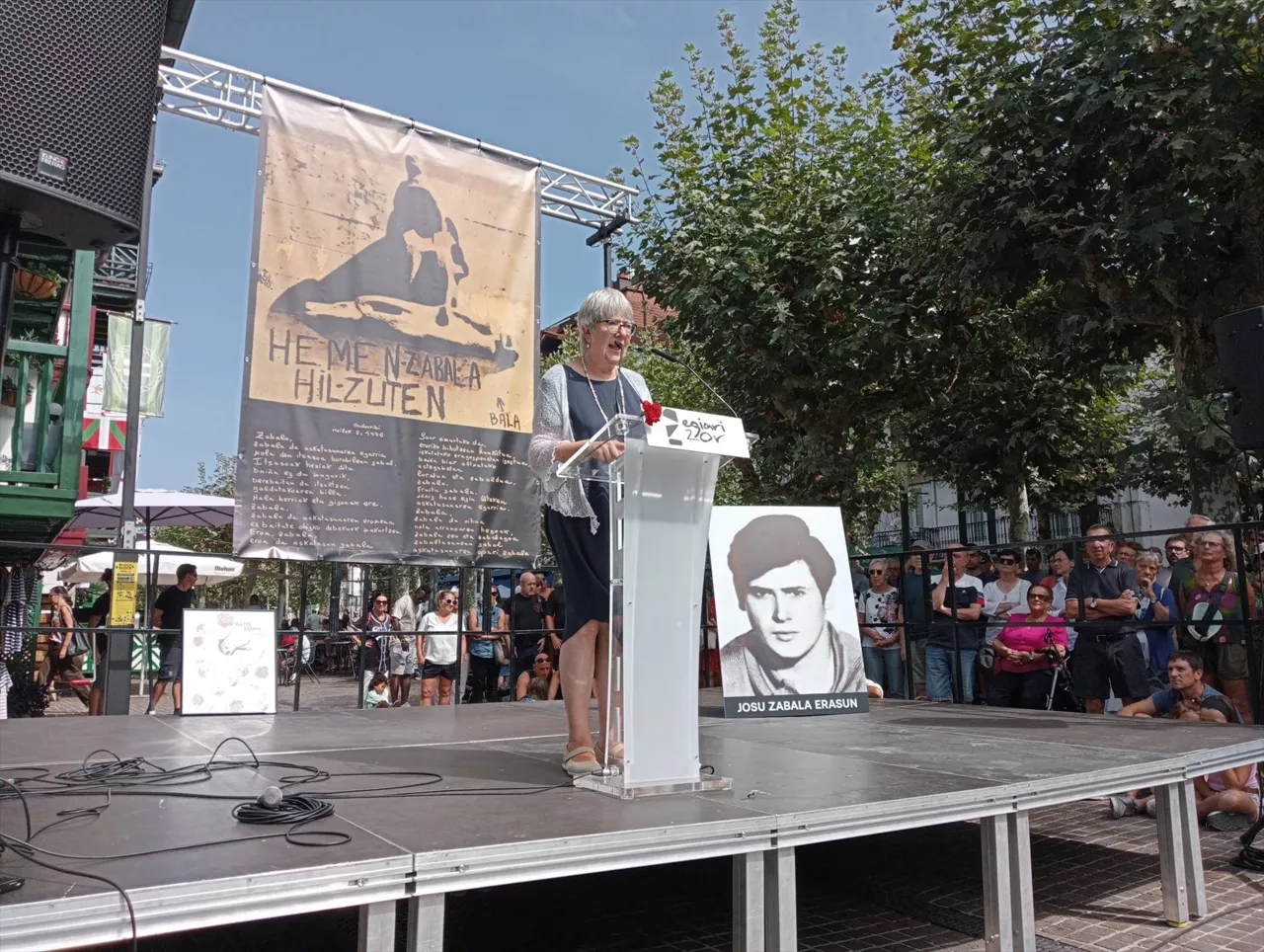
Josu Zabala Erasun was remembered in Hondarribia on the 50th anniversary of his death
Josu Zabala Erasun was shot dead by the Civil Guard in 1976 during a demonstration against the kidnapping of ETA member Eduardo Moreno Bergaretxe, 'Pertur'.
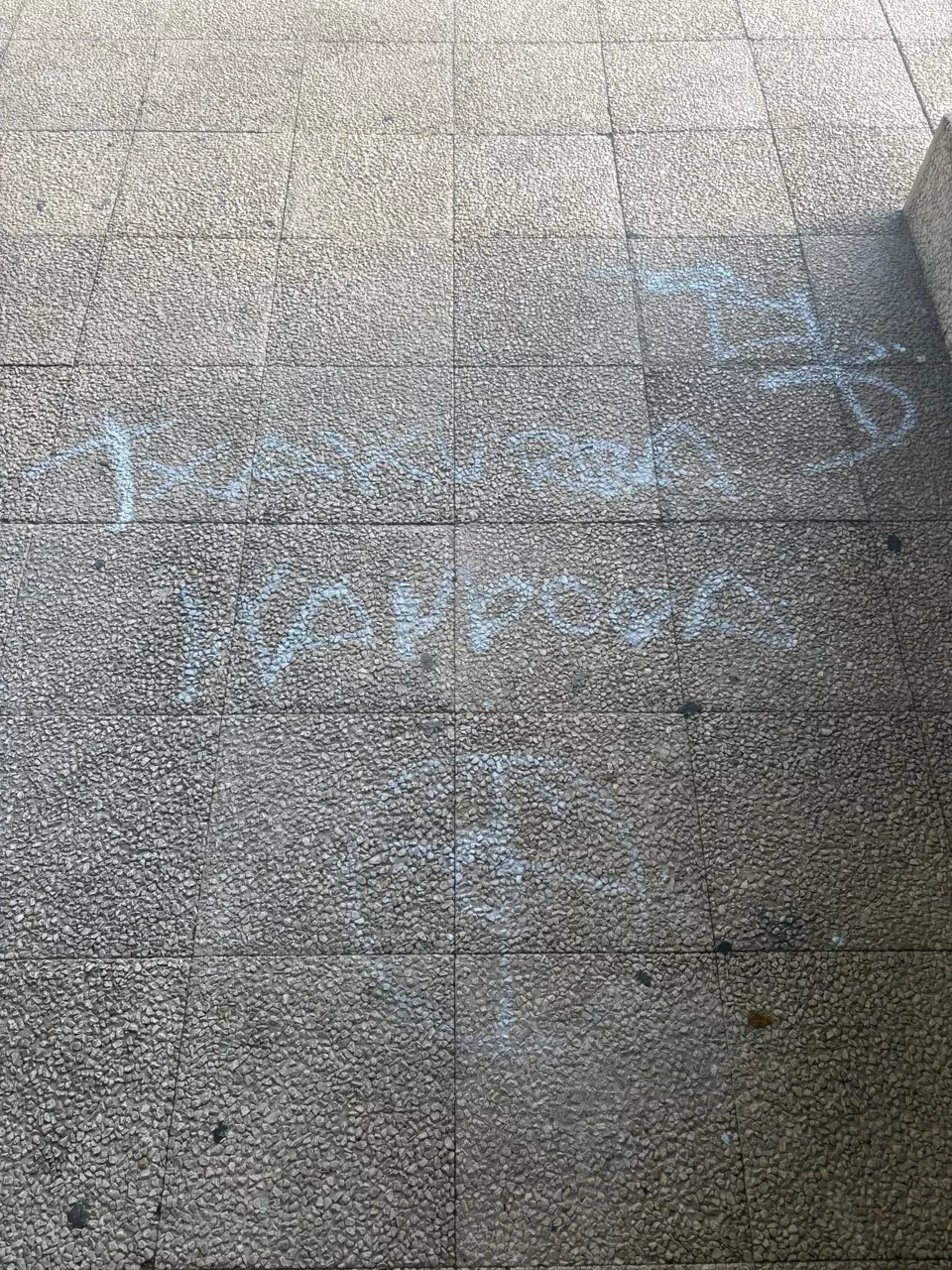
A painting against an ertzaina appears near his home in Vitoria-Gasteiz
The Department of Safety and Security has condemned "the threats and threats to the police, which recall past times and attack not only the said officer and the Ertzaintza, but also the foundations of democracy and coexistence".
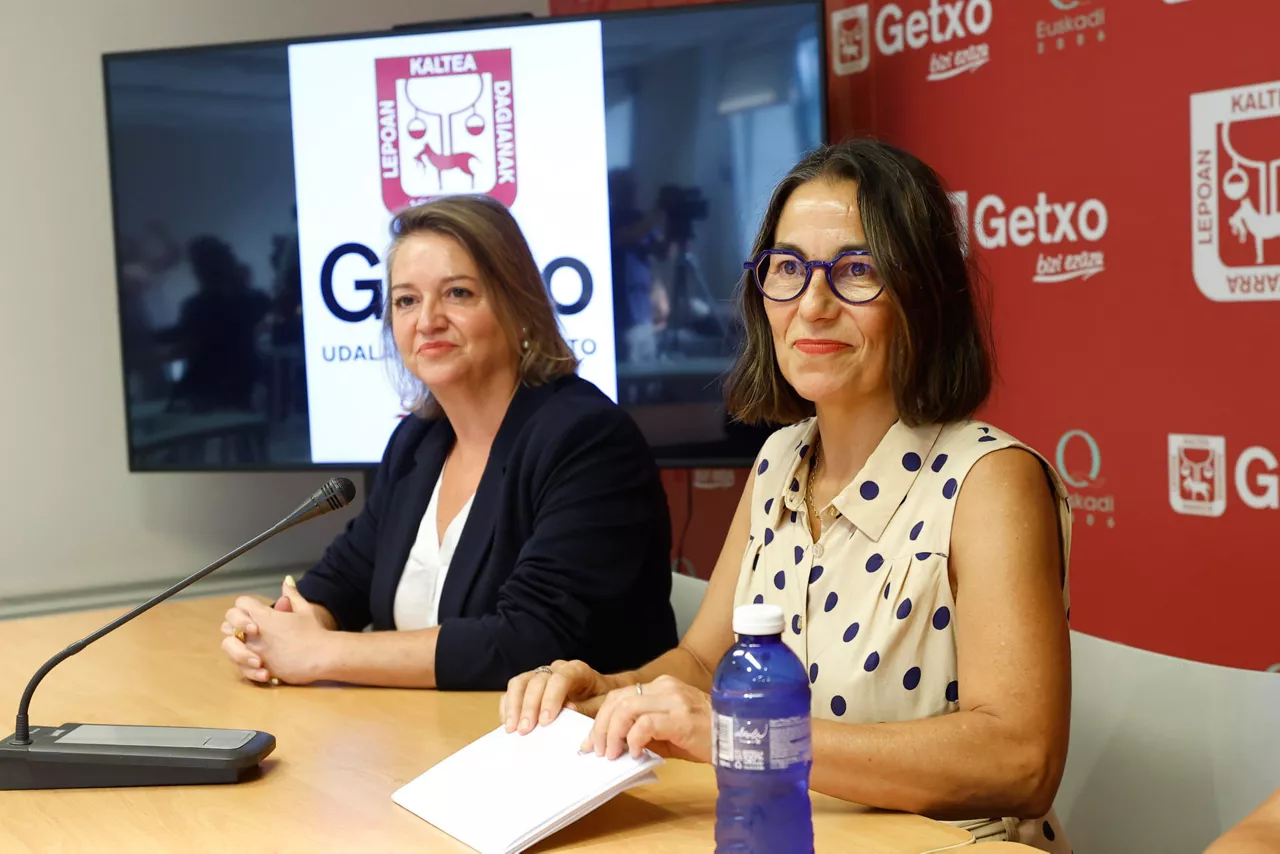
Agirre has called for a "public repair" of Irura's Bat Palace on the grounds that "progress" is not enough
According to the mayor, for months the debate has gone beyond the legal issue, with very serious accusations being made against the people affected and against the PNV, so he has clearly said that it is not enough to leave what happened behind.
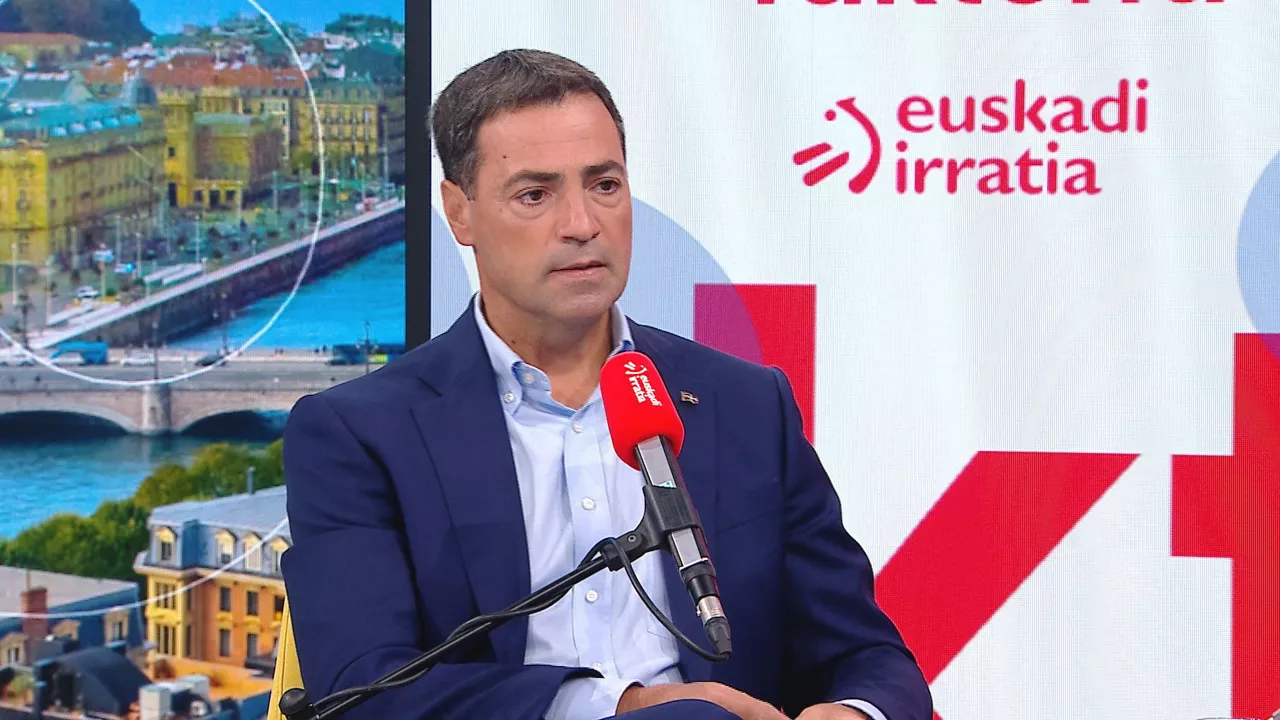
The President has assured us that there is no organized crime in the Basque Country today
Interviewed in the Faktoria programme of Euskadi Irratia, the President of the Basque Government, Imanol Pradales, has pointed out that the murders of recent years are mainly related to the deterioration of personal relations caused by drugs, addictions or gender-based violence, and has stressed that there is currently no organized crime in the Basque Country.
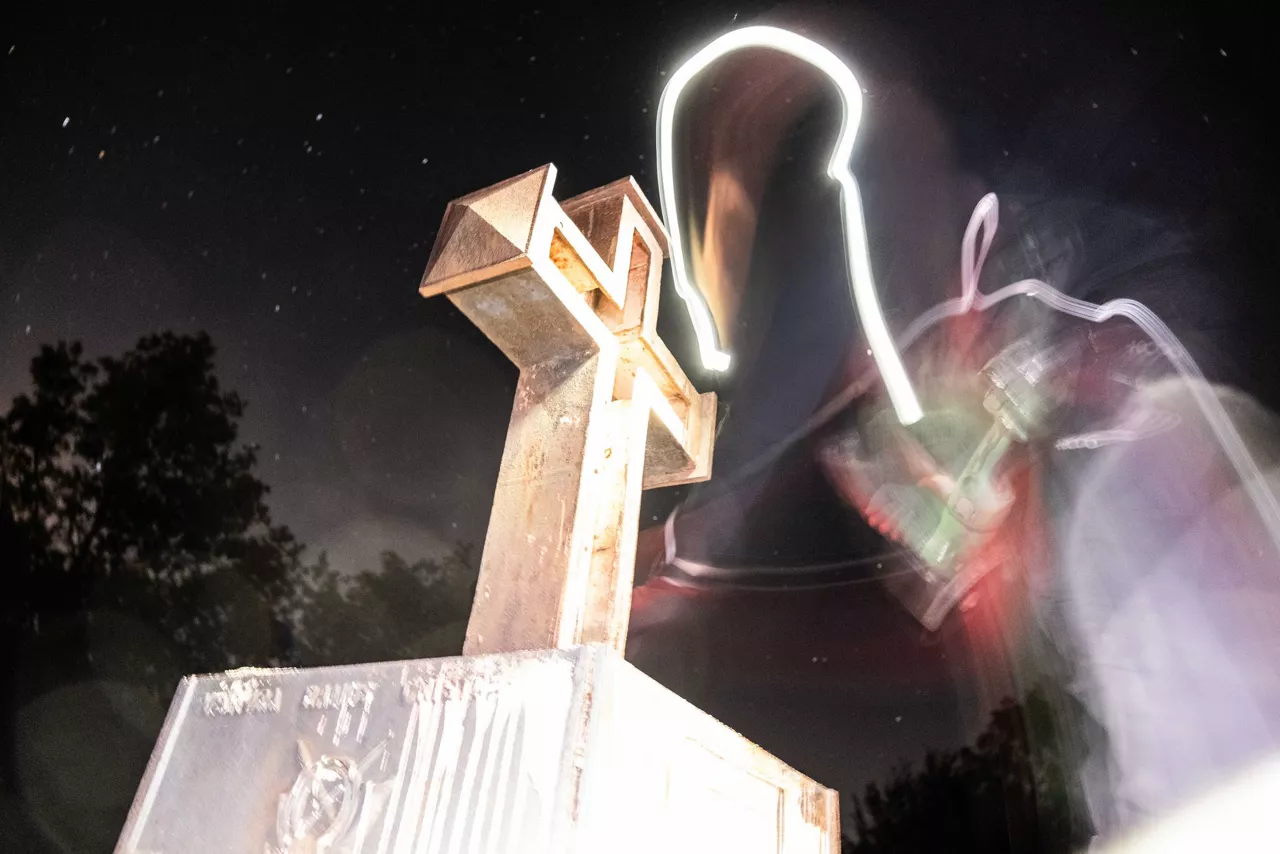
Ernai launches the Francoist cross of Mount Isuskitza
Ernai has shot down and videotaped the 1940 cross on Mount Isuskitza (Álava) in memory of the Franco requetés. The youth organization has claimed that fascism has no place in our country and has called for participation in the demonstration that will take place on 13 September in San Sebastian.
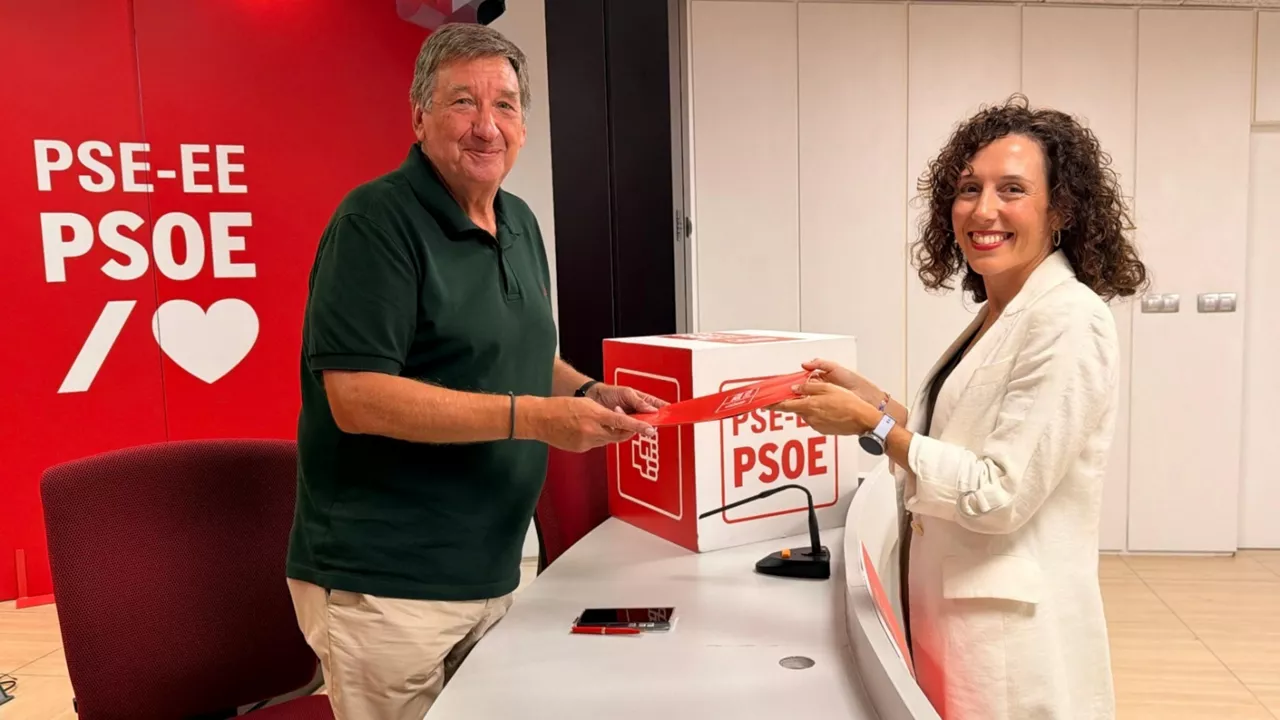
Nora Abete (PSE-EE) presents her candidacy for mayor of Bilbao
The current deputy mayor of the Bilbao City Council and spokesperson for the PSE-EE has explained that his candidacy stems from "proximity, listening and decision-making."
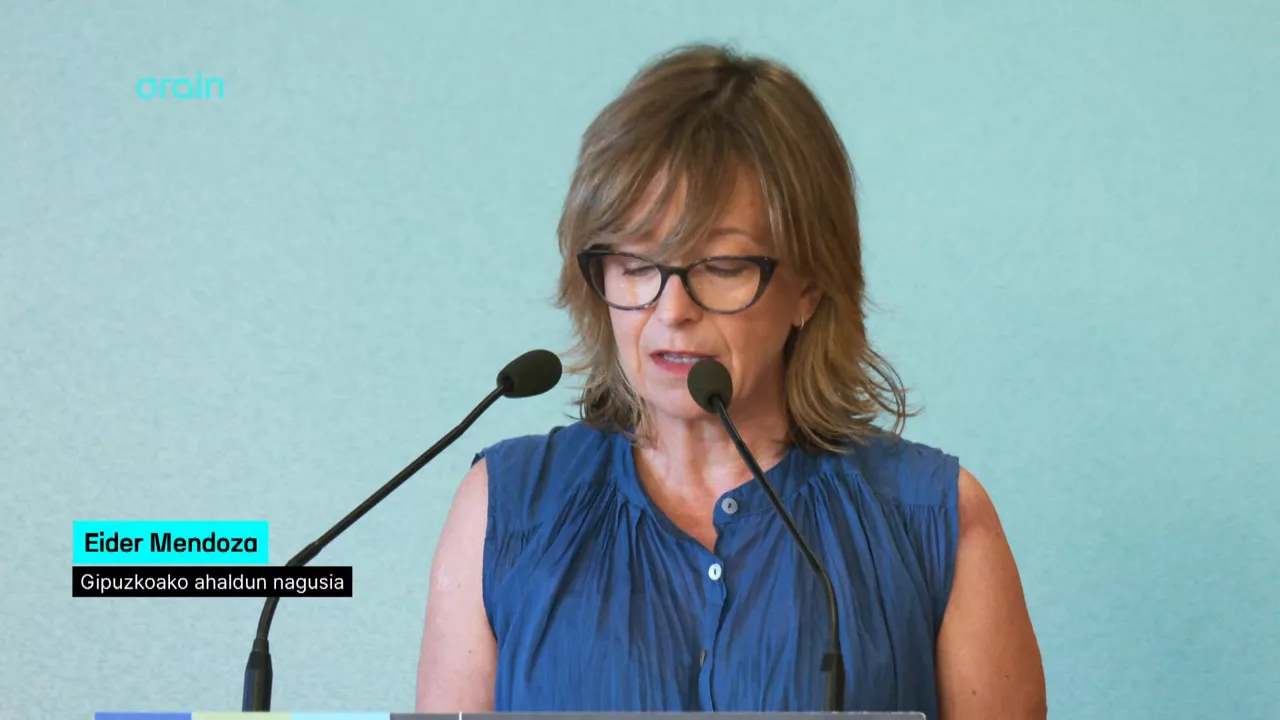
Gipuzkoa's Provincial Council will begin negotiating fiscal budgetary measures next week
Gipuzkoa MP Eider Mendoza has advanced her intention to start a round of talks with opposition groups to begin negotiations on the territory's budgets and some fiscal measures.
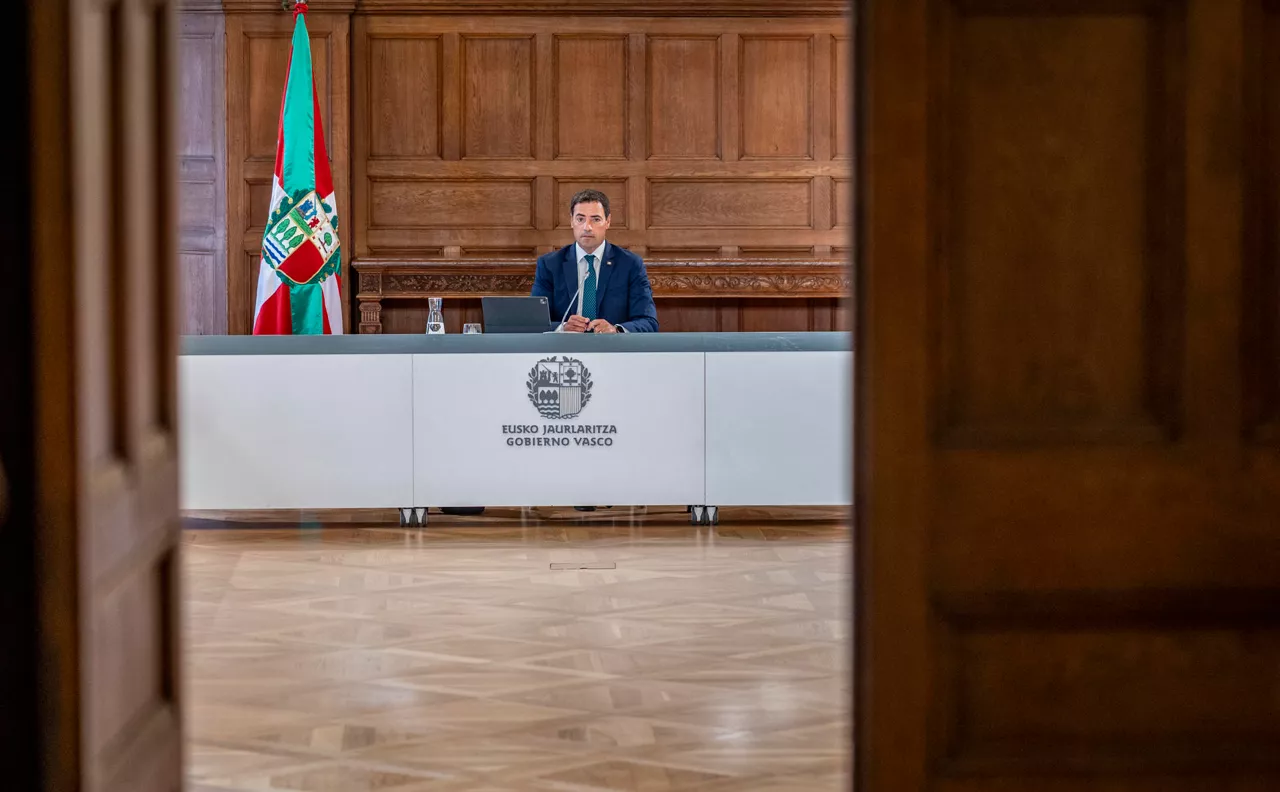
The President shall propose economic, self-government and housing agreements in his round of meetings with the parties and social partners
The meetings will take place from 8 to 15 September with the aim of strengthening dialogue and fostering partnerships in a context marked by international uncertainty and the electoral cycle of 2027.
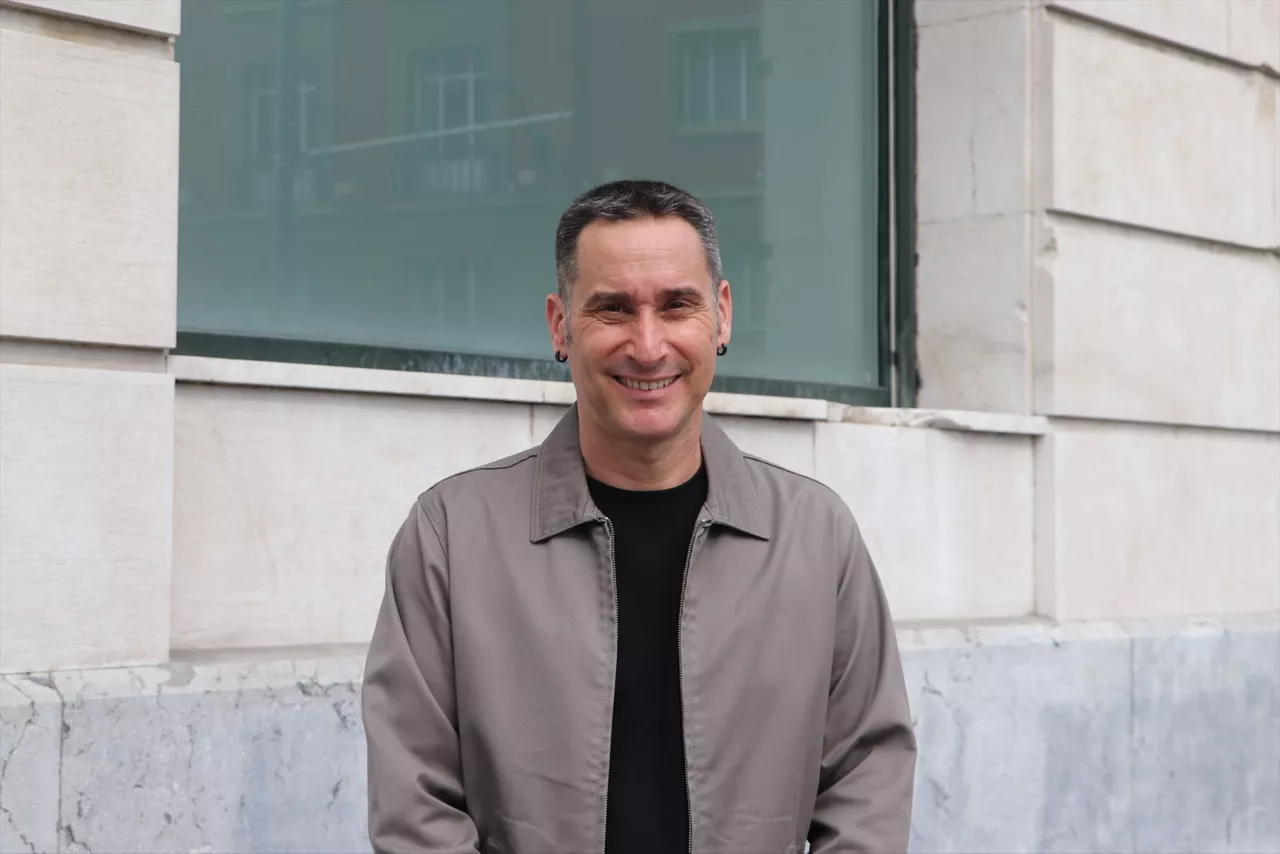
Iker Casanova will again be EH Bildu's candidate for Bizkaia's MP
EH Bildu's Bizkaia Political Bureau believes that baracaldés is the right person to represent the project of left-wing sovereignty.
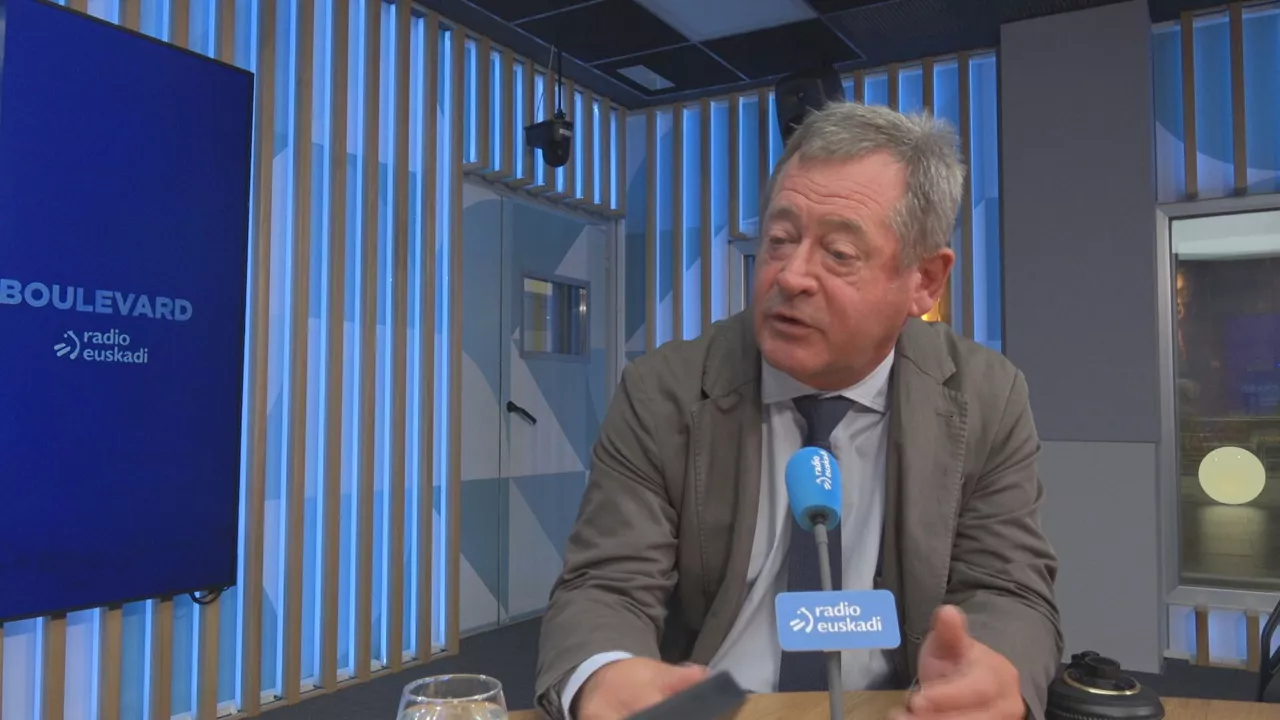
Zupiria believes that there is no political tint in the recent incidents between young people and the Ertzaintza
The Security Adviser of the Basque Government, Bingen Zupiria, has linked the incidents to young men, the consumption of alcohol and other substances and the "disinhibition" of night leisure. Asked about Ceuta, he regretted that Morocco was not asked to "assume its responsibility".