
50 years without Franco: that was the dictator's last five weeks
Fifty years ago, on 20 November 1975, Francisco Franco, the dictator who ruled Spain for almost four decades, died as a result of medical problems that became apparent in the last weeks of his life.


Fifty years ago, on 20 November 1975, Francisco Franco, the dictator who ruled Spain for almost four decades, died as a result of medical problems that became apparent in the last weeks of his life, and Spain was also in the midst of a deep political and social crisis.
In fact, five weeks before the famous "Spaniards, Franco has died," the regime was not in good health: there were strikes and protests at universities, Franco was internationally isolated and Morocco was on the verge of a war that could be triggered by pressure from the Sahara...
This is what we know about his last five weeks before the dictator 's death.
* October 12: beginning of the end
Franco will preside over Hispanic Day, although his participation will be limited to closing the event. When he returns to El Pardo Palace he is not well.
* 15 October: first medical tests
Doctors will see that Franco has had several heart attacks in the last few weeks.
* 17 October: its last Council of Ministers
Franco, contrary to medical opinion, will insist on chairing the Council of Ministers, where cardiologists will inject heparin and keep it monitored from an adjoining room.
* 20 October: flu and heart attack
It will be known that several hearings have been suspended, and the Cifra agency will release a brief note: "Franco, suffering from the flu. "The note says he is almost recovered, but that day Vicente Pozuelo, Franco's personal doctor, will secretly ask the coroner Antonio Piga to organize with his father, Professor of Forensic Medicine Bonifacio Piga, a team of specialists who must be willing to embalm the dictator.
That night the patient will have a very serious heart attack , and the doctors will take the President of the Government, Carlos Arias Navarro, out of bed, warning him that theHead of State may be killed at any time.
* 21 October: first public information
Arias Navarro, bound by doctors, decides to report Franco's illness, although he will not reveal the true dimension of it. The Head of State's Civil House will publish a note : "During a flu process, the head of state has suffered from acute coronary deficiency and is evolving properly, and has begun rehabilitation and started part of his usual activities."
* October 24: The world reports on Franco
International media will report that Franco is dying. The government will deny the information and start reporting on the general's health every day.
* October 30: Juan Carlos, Spanish Head of State
Prince Juan Carlos will take the Head of State as an interim.
* 3 November: new complications
Franco suffers from massive dysgestive bleeding. He will be operated on without time to be taken to the hospital. The doctors who were in El Pardo that night will later tell how the operation has been carried out. The guard kit will be enabled as a chirofano, with dubious hygienic conditions. Franco will be taken to the hospital bleeding, and in the middle of the operation, the light will go.
* November 7: Another digestive bleeding
Franco will be taken to La Paz Hospital, where a large part of his stomach will be removed. He will survive again.
* 14 November: "very serious" prognosis
On that day, it will be announced that the Head of State suffers from peritonitis, which has led to a new surgical intervention. At 23:30, the "endotoxic shock" will be considered overcome, but the prognosis is "very serious."
* November 18: irreversible
As the "regular medical team" will report, Franco has assisted breathing, sedation, and it has been decided to keep the body at a temperature of 33 degrees.
* November 20: "Franco is dead"
Last information: "His Excellency the Head of State, Francisco Franco Bahamonde, died at the La Paz Health Residence of Social Security in Madrid on 20 November at 5:25 p.m. as the latest episode of a toxic shock caused by cardiac arrest due to peritonitis," says the medical statement that will put an end to rumors about the leader's health.
You might like
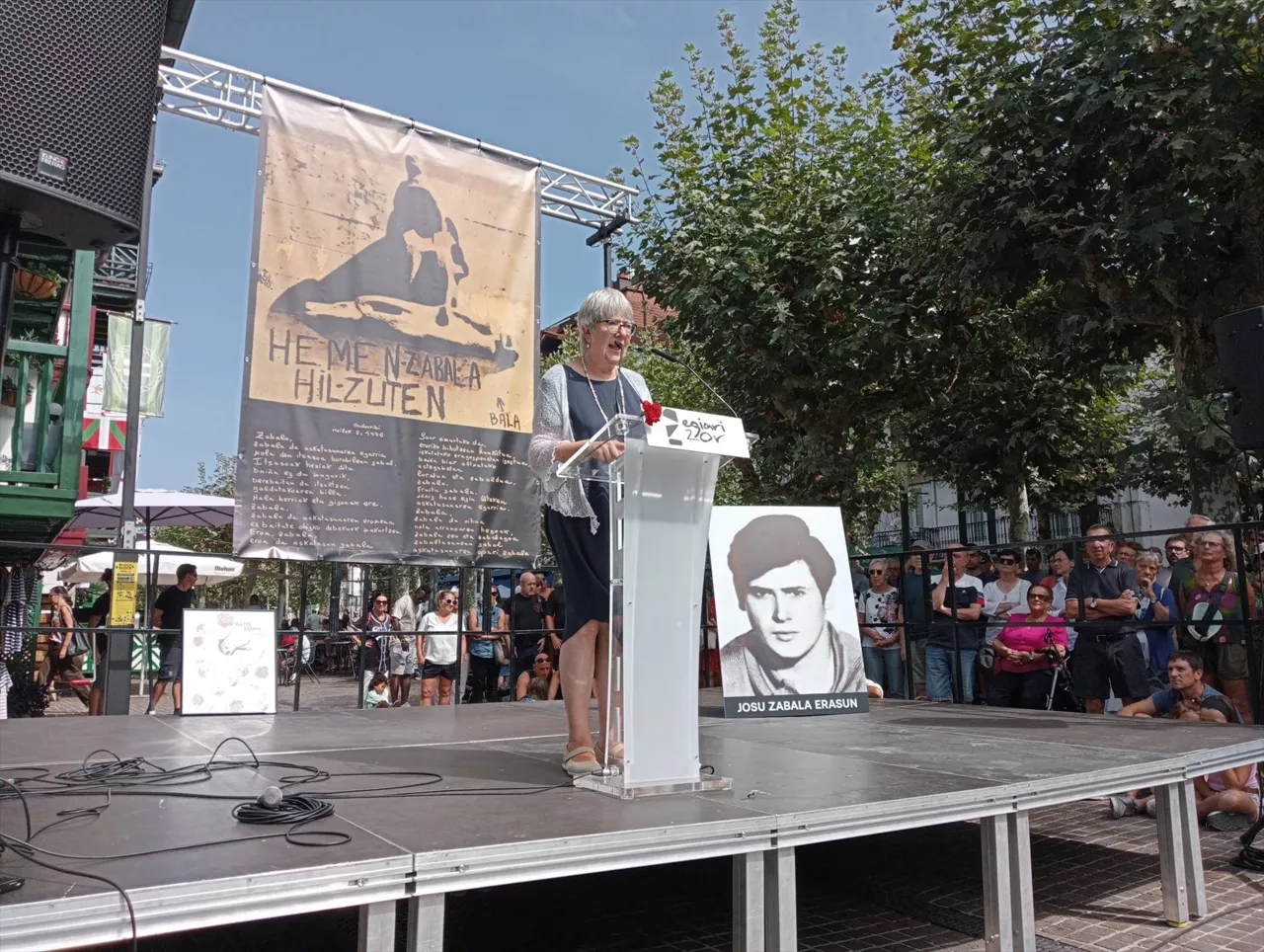
Josu Zabala Erasun was remembered in Hondarribia on the 50th anniversary of his death
Josu Zabala Erasun was shot dead by the Civil Guard in 1976 during a demonstration against the kidnapping of ETA member Eduardo Moreno Bergaretxe, 'Pertur'.
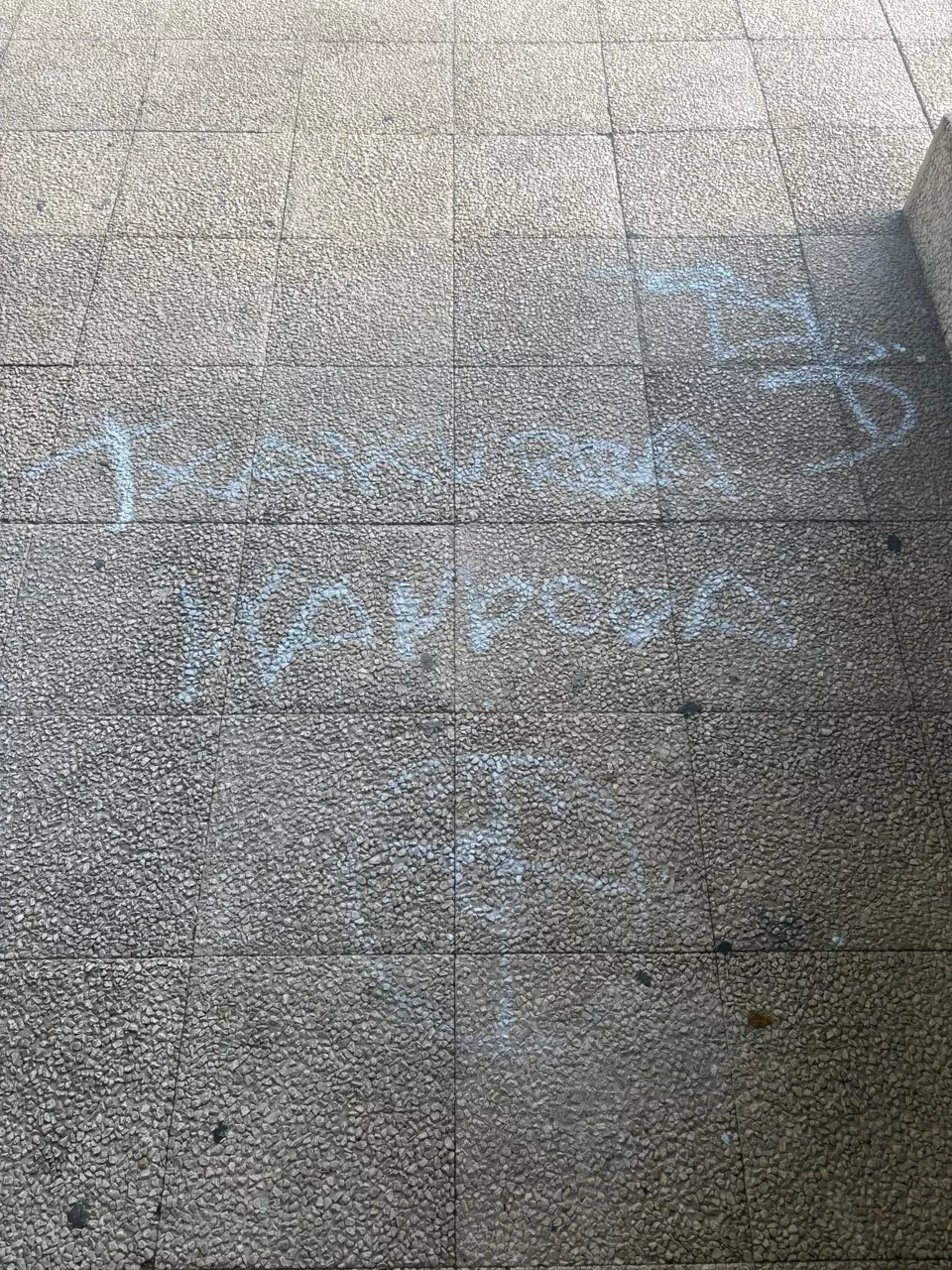
A painting against an ertzaina appears near his home in Vitoria-Gasteiz
The Department of Safety and Security has condemned "the threats and threats to the police, which recall past times and attack not only the said officer and the Ertzaintza, but also the foundations of democracy and coexistence".
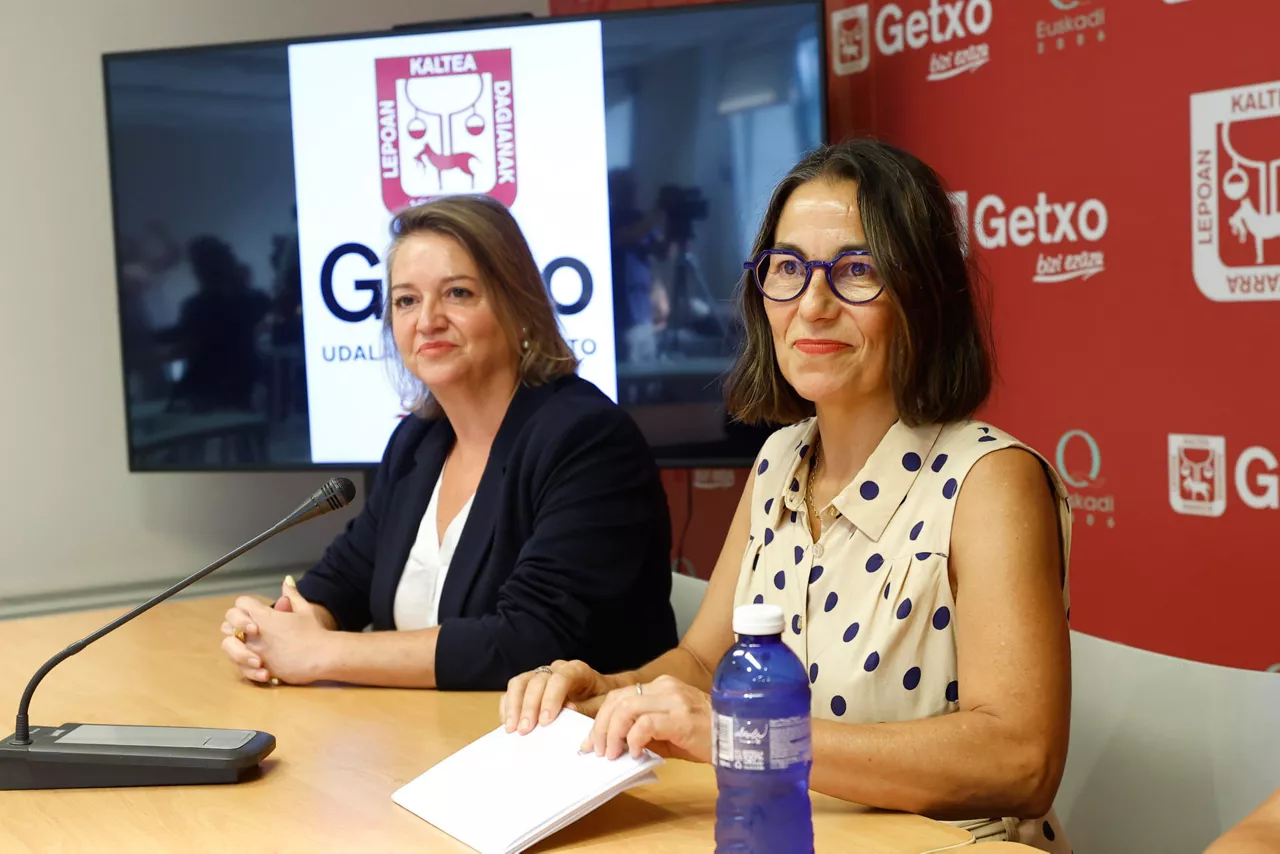
Agirre has called for a "public repair" of Irura's Bat Palace on the grounds that "progress" is not enough
According to the mayor, for months the debate has gone beyond the legal issue, with very serious accusations being made against the people affected and against the PNV, so he has clearly said that it is not enough to leave what happened behind.
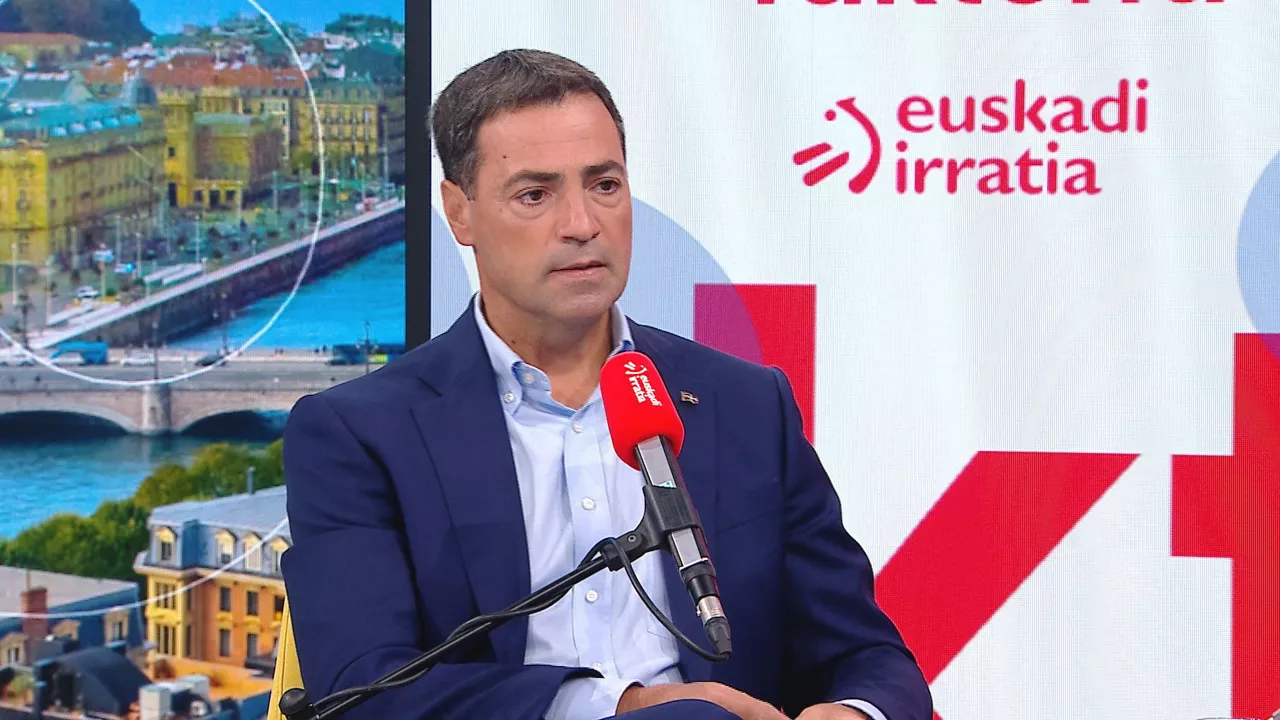
The President has assured us that there is no organized crime in the Basque Country today
Interviewed in the Faktoria programme of Euskadi Irratia, the President of the Basque Government, Imanol Pradales, has pointed out that the murders of recent years are mainly related to the deterioration of personal relations caused by drugs, addictions or gender-based violence, and has stressed that there is currently no organized crime in the Basque Country.
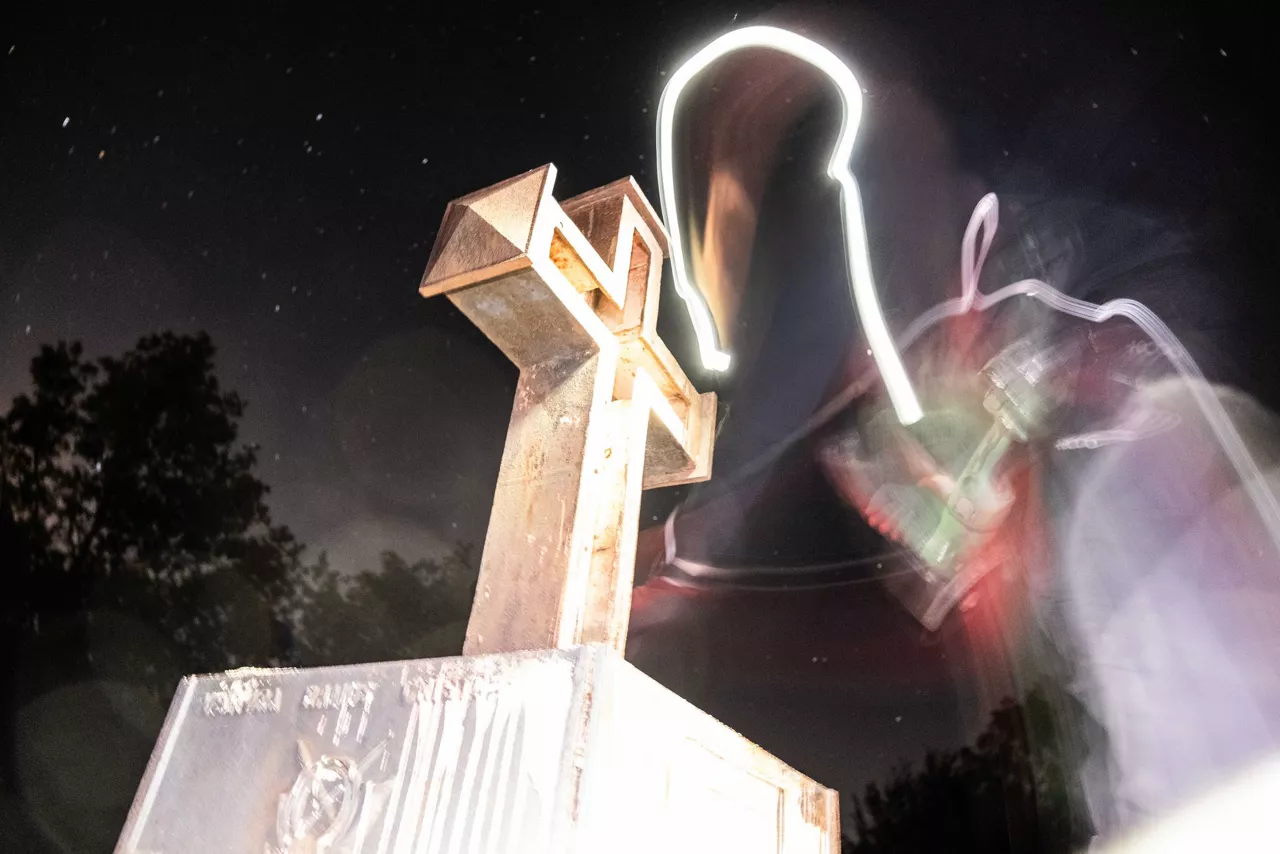
Ernai launches the Francoist cross of Mount Isuskitza
Ernai has shot down and videotaped the 1940 cross on Mount Isuskitza (Álava) in memory of the Franco requetés. The youth organization has claimed that fascism has no place in our country and has called for participation in the demonstration that will take place on 13 September in San Sebastian.
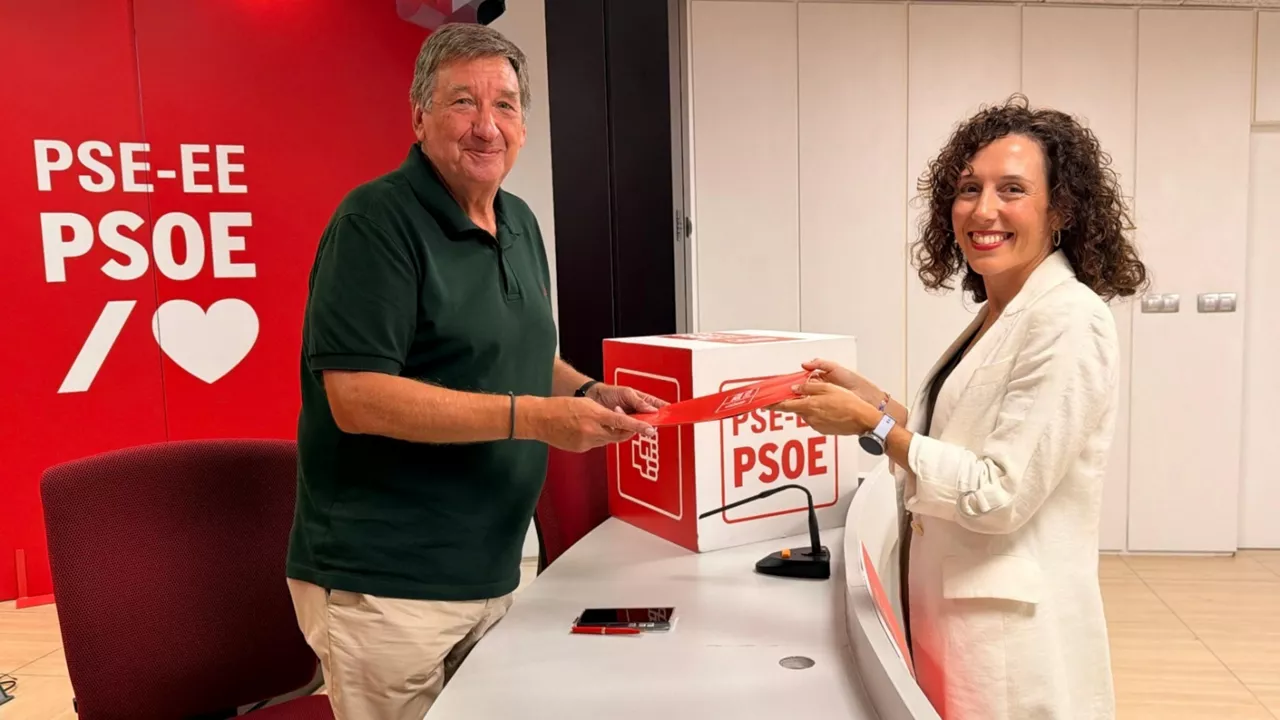
Nora Abete (PSE-EE) presents her candidacy for mayor of Bilbao
The current deputy mayor of the Bilbao City Council and spokesperson for the PSE-EE has explained that his candidacy stems from "proximity, listening and decision-making."
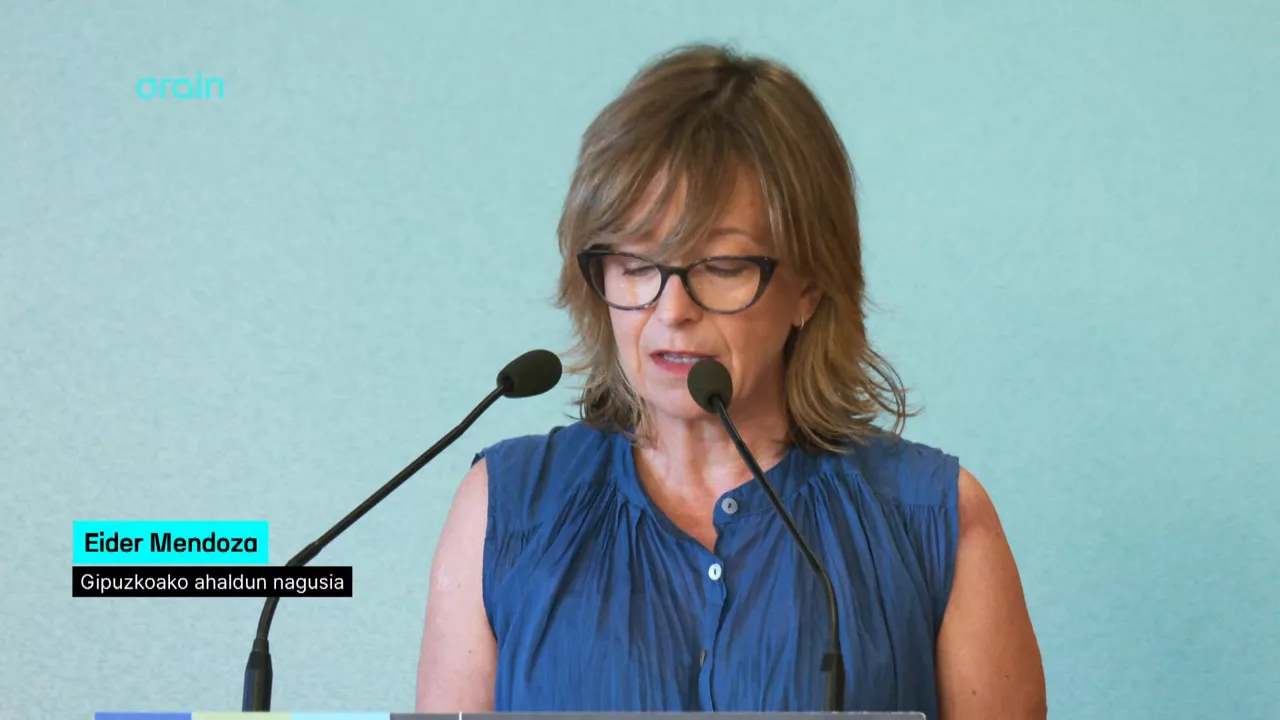
Gipuzkoa's Provincial Council will begin negotiating fiscal budgetary measures next week
Gipuzkoa MP Eider Mendoza has advanced her intention to start a round of talks with opposition groups to begin negotiations on the territory's budgets and some fiscal measures.
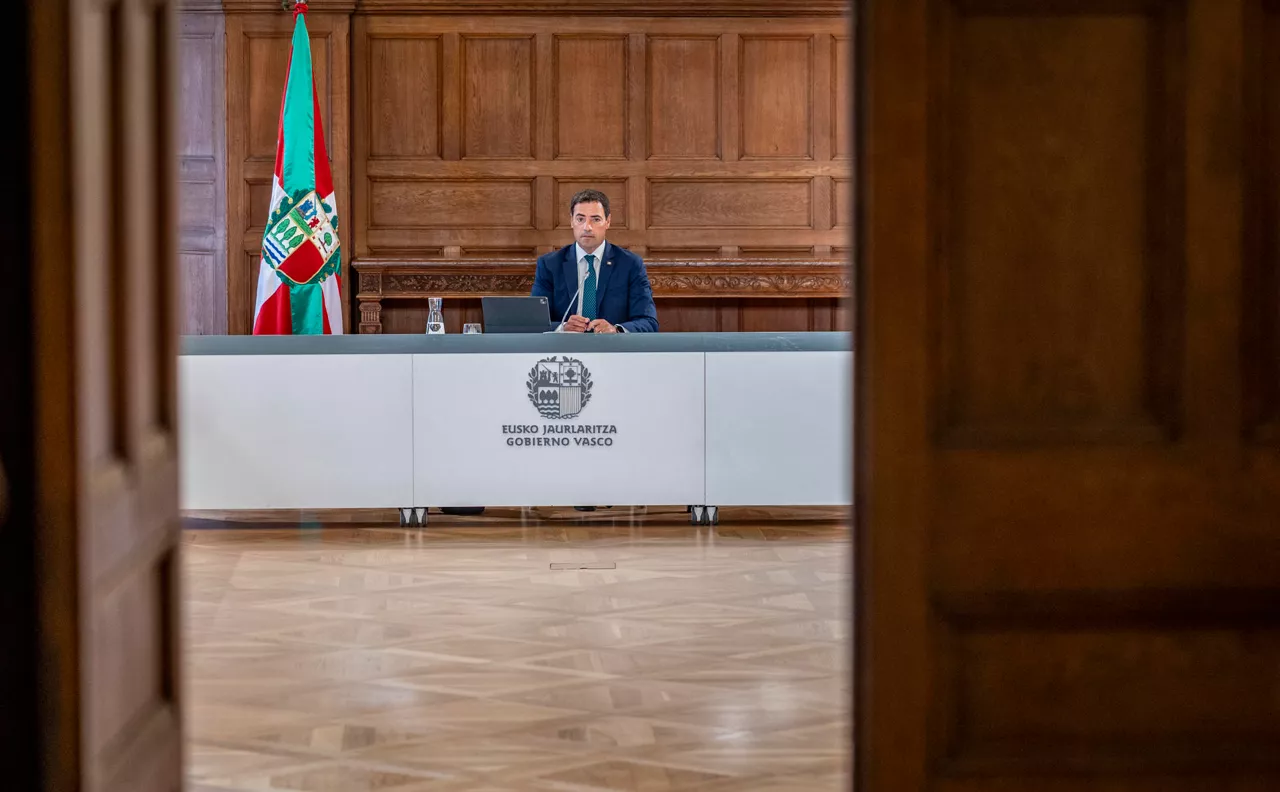
The President shall propose economic, self-government and housing agreements in his round of meetings with the parties and social partners
The meetings will take place from 8 to 15 September with the aim of strengthening dialogue and fostering partnerships in a context marked by international uncertainty and the electoral cycle of 2027.
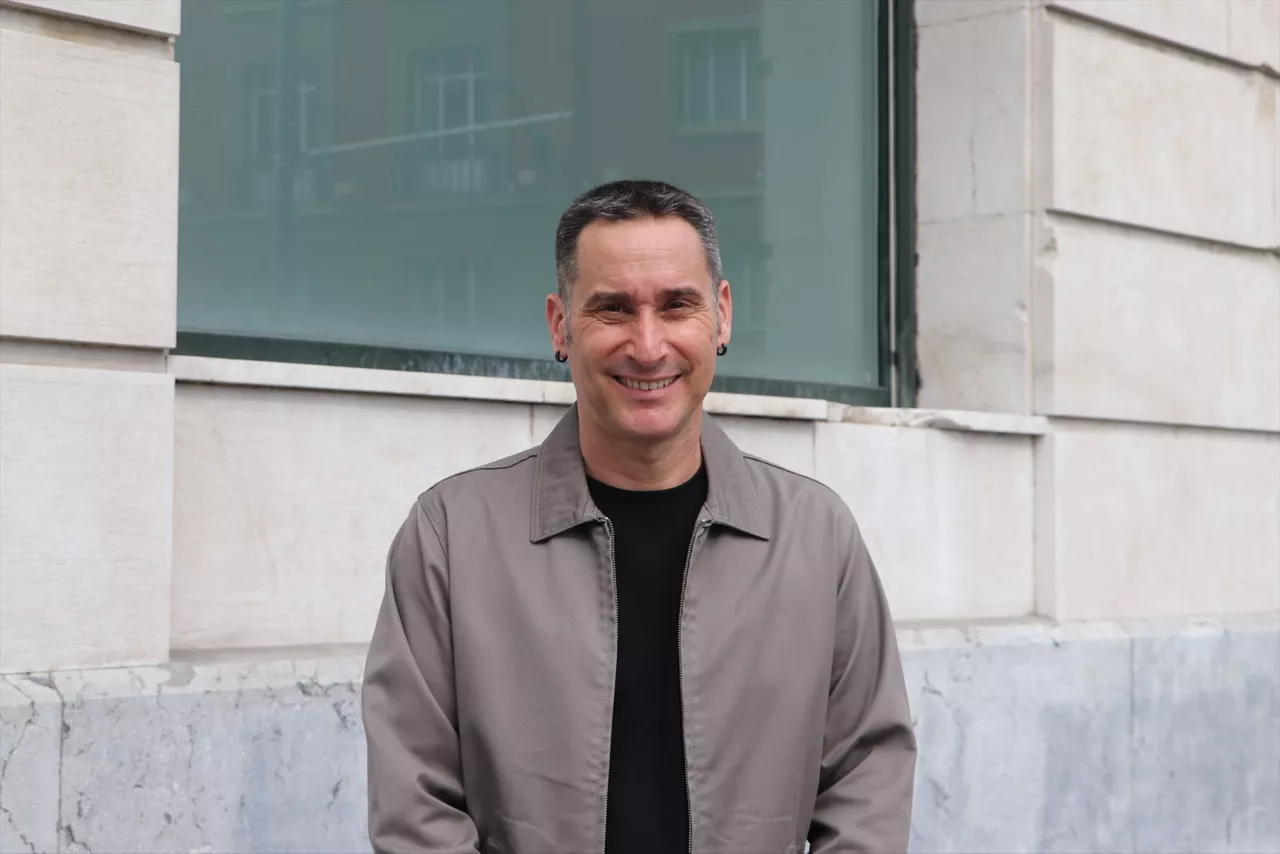
Iker Casanova will again be EH Bildu's candidate for Bizkaia's MP
EH Bildu's Bizkaia Political Bureau believes that baracaldés is the right person to represent the project of left-wing sovereignty.
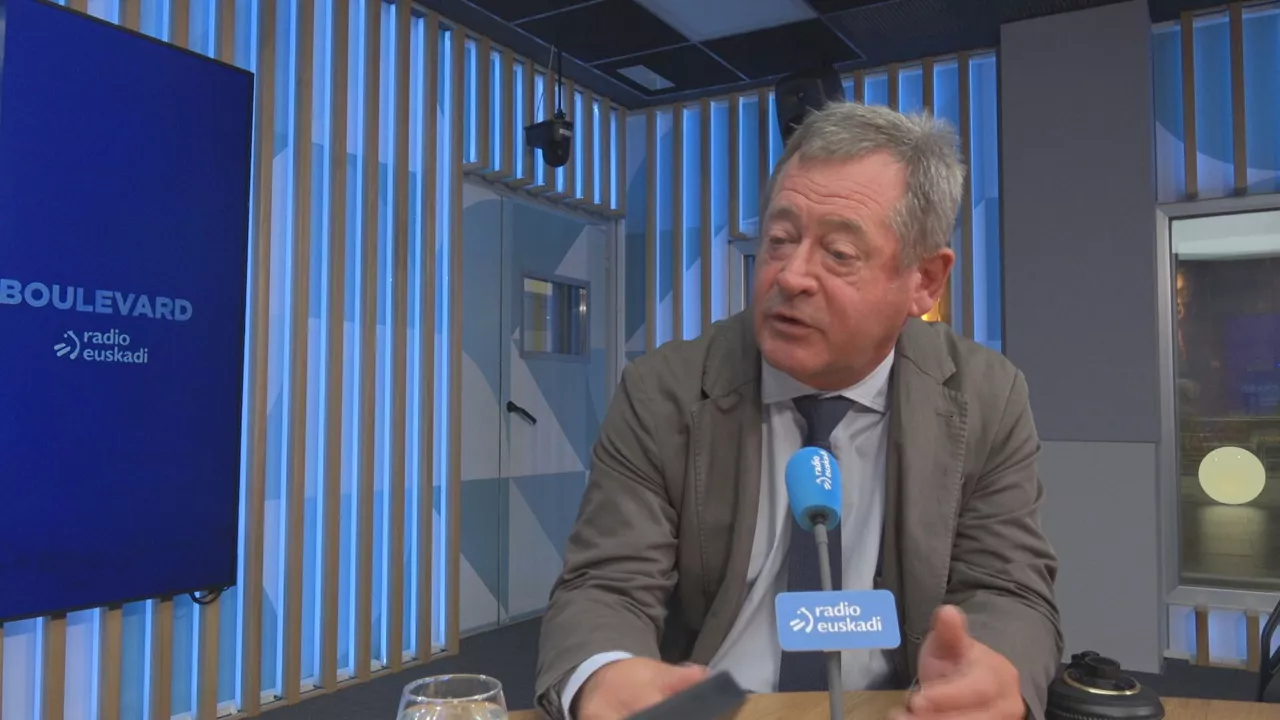
Zupiria believes that there is no political tint in the recent incidents between young people and the Ertzaintza
The Security Adviser of the Basque Government, Bingen Zupiria, has linked the incidents to young men, the consumption of alcohol and other substances and the "disinhibition" of night leisure. Asked about Ceuta, he regretted that Morocco was not asked to "assume its responsibility".