
Juan Carlos I headlines: "I hope they forgive me and the Spanish understand what I have done."
The emeritus king of Spain, Juan Carlos I, has given his first interview on French public television, in which he refused to repent of his mistakes, defended his constitutional legacy, apologized to the Spanish and called Philip VI a "good king."


The emeritus king of Spain, Juan Carlos I, has appeared in a long interview in France 3 to review his life and address some of the most controversial passages of his career. The interview in Abu Dhabi revolves around his new biography, which will be published in Spanish next week.
Among the anecdotes he remembers, he explains that he received the Chilean dictator Augusto Pinochet at Madrid airport and that he suggested that he "do as Francodid. "Juan Carlos replies in the documentary that he then replied yes, but then" did what the Spaniards wanted. "He adds that Franco never asked him directly to maintain the regime and that, in his agony, he only asked him to keep" Spain united. "
He has not repented of anything: he answers "no" when asked whether he has repentance or repentance.
He has defended his legacy: he says that his greatest pride is the 1978 Constitution and that "it served Spain and the Spanish".
He apologizes to the citizens. He expects the Spanish to "understand what they have done" and forgive him.
He misses Spain: after five years in Abu Dhabi, he says he misses "bulls, flamenco and Spanish life."
His relationship with Franco is that the dictator only asked him to keep Spain "united" and did not demand that he continue the regime.
Pinochet in Madrid:He says that the Chilean dictator suggested that he "do the same as Franco" and that at first he said yes.
His scandal: he says everything is "fixed" and lives "quiet" after closing tax cases.
Philip VI is a "good king": he says his son is at a difficult political moment and must be "protected".
Desire to return: He has assured that he will return to Spain "when the conditions are met".
The emeritus does not specify his flaws, nor does he show regret when asked directly by the journalist. "No," he replies if he regrets. "No," he says when asked if he feels sorry. He says that all fiscal issues are resolved and that he lives "quietly" , but that his problems were solved because it was inviolable, because they were prescribed or because he paid about four million euros before reporting that it was too late to avoid sanctions.
Juan Carlos admits that he misses Spain after five years in Abu Dhabi. What does he remember? Bulls, flamenco and life in his country, as he sums it up. He argues that he modernized Spain during his time as head of state and says that "he cannot be asked to modernize tastes."
Emeritus says he will come back when "conditions" are given , and he says his greatest pride is the 1978 Constitution. He stresses that in the Transition no power was reserved for him because "one makes a democracy or one does not."
He has also highlighted the work of Philip VI, who has described him as a "good king" . He has pointed out that his visit to the United Arab Emirates responded to his willingness not to enter the reign of his son and has called for support for the present monarch at a political moment that he considers "difficult in all countries".
The book is entitled Reconciliación and, in this regard, Juan Carlos I has given the last message: he has apologized to the Spaniards and expressed his desire to "understand what he has done." He says he has no regrets, but he is confident that one day the citizens will forgive him.
You might like
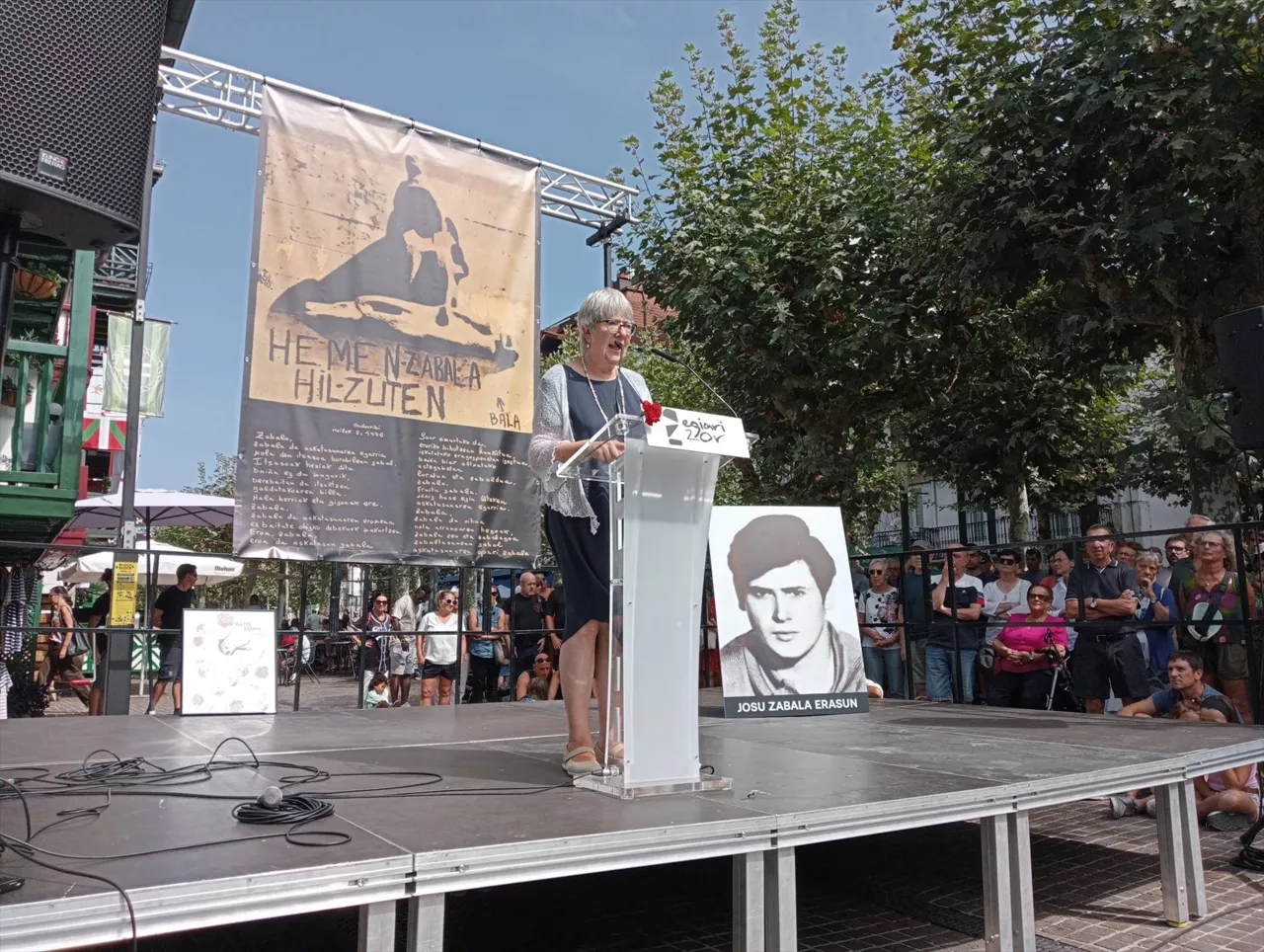
Josu Zabala Erasun was remembered in Hondarribia on the 50th anniversary of his death
Josu Zabala Erasun was shot dead by the Civil Guard in 1976 during a demonstration against the kidnapping of ETA member Eduardo Moreno Bergaretxe, 'Pertur'.
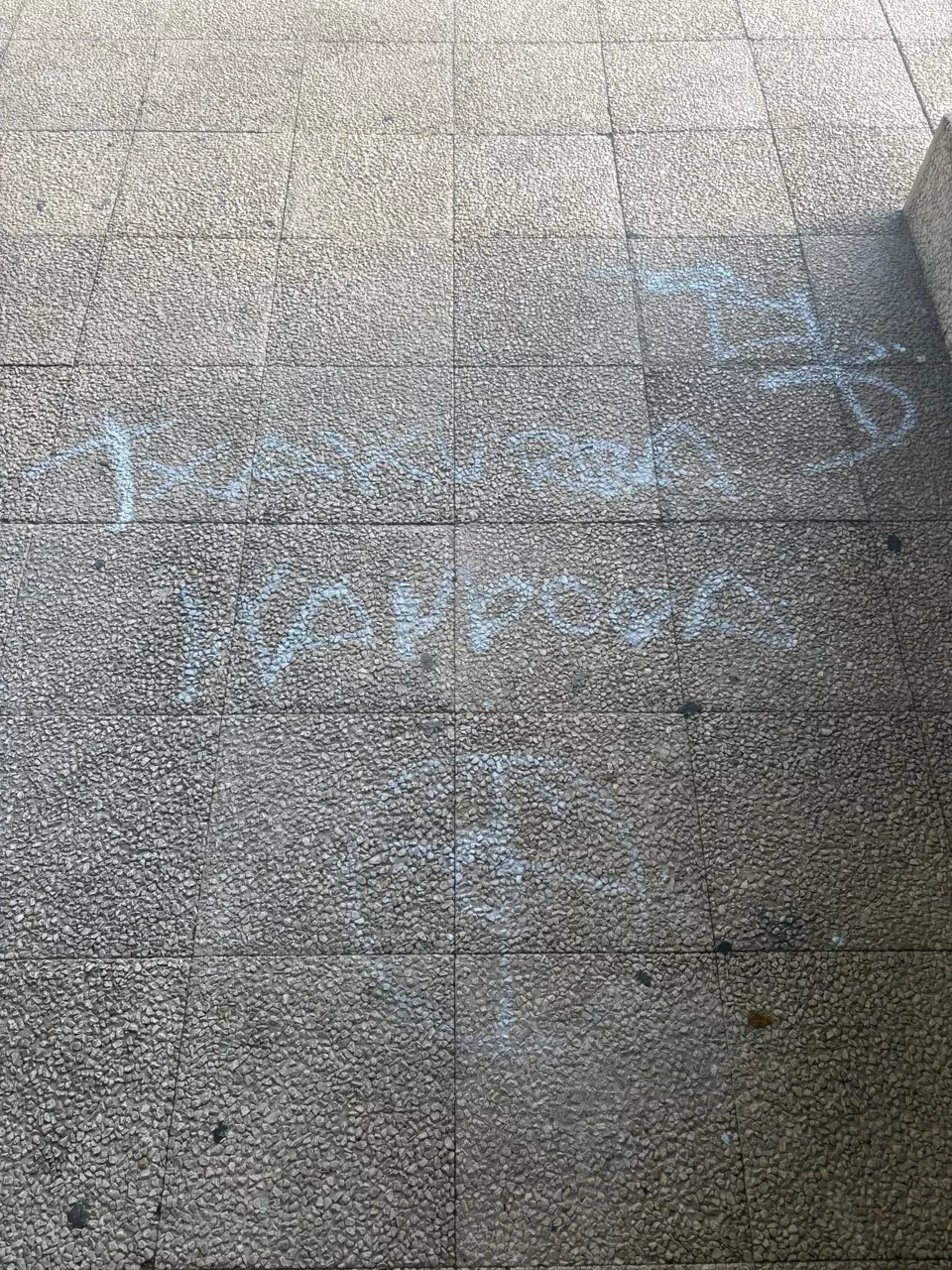
A painting against an ertzaina appears near his home in Vitoria-Gasteiz
The Department of Safety and Security has condemned "the threats and threats to the police, which recall past times and attack not only the said officer and the Ertzaintza, but also the foundations of democracy and coexistence".
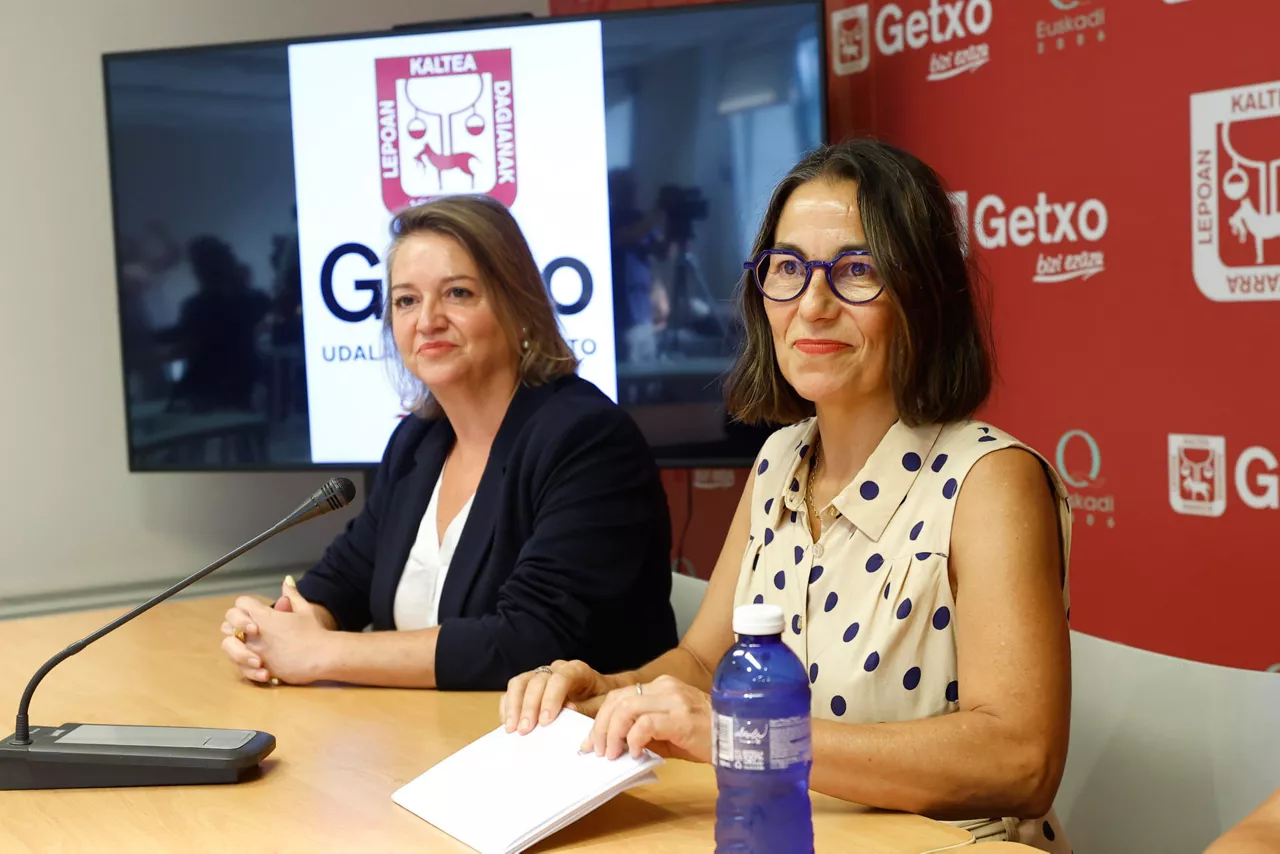
Agirre has called for a "public repair" of Irura's Bat Palace on the grounds that "progress" is not enough
According to the mayor, for months the debate has gone beyond the legal issue, with very serious accusations being made against the people affected and against the PNV, so he has clearly said that it is not enough to leave what happened behind.
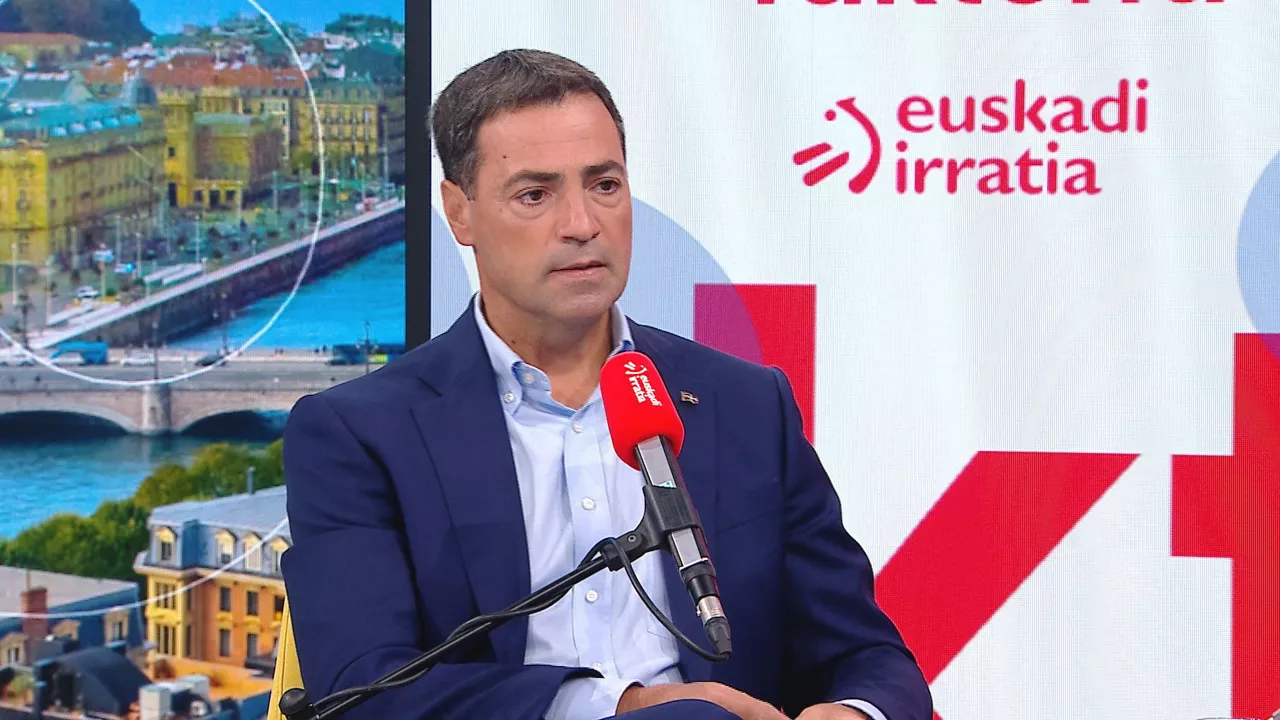
The President has assured us that there is no organized crime in the Basque Country today
Interviewed in the Faktoria programme of Euskadi Irratia, the President of the Basque Government, Imanol Pradales, has pointed out that the murders of recent years are mainly related to the deterioration of personal relations caused by drugs, addictions or gender-based violence, and has stressed that there is currently no organized crime in the Basque Country.
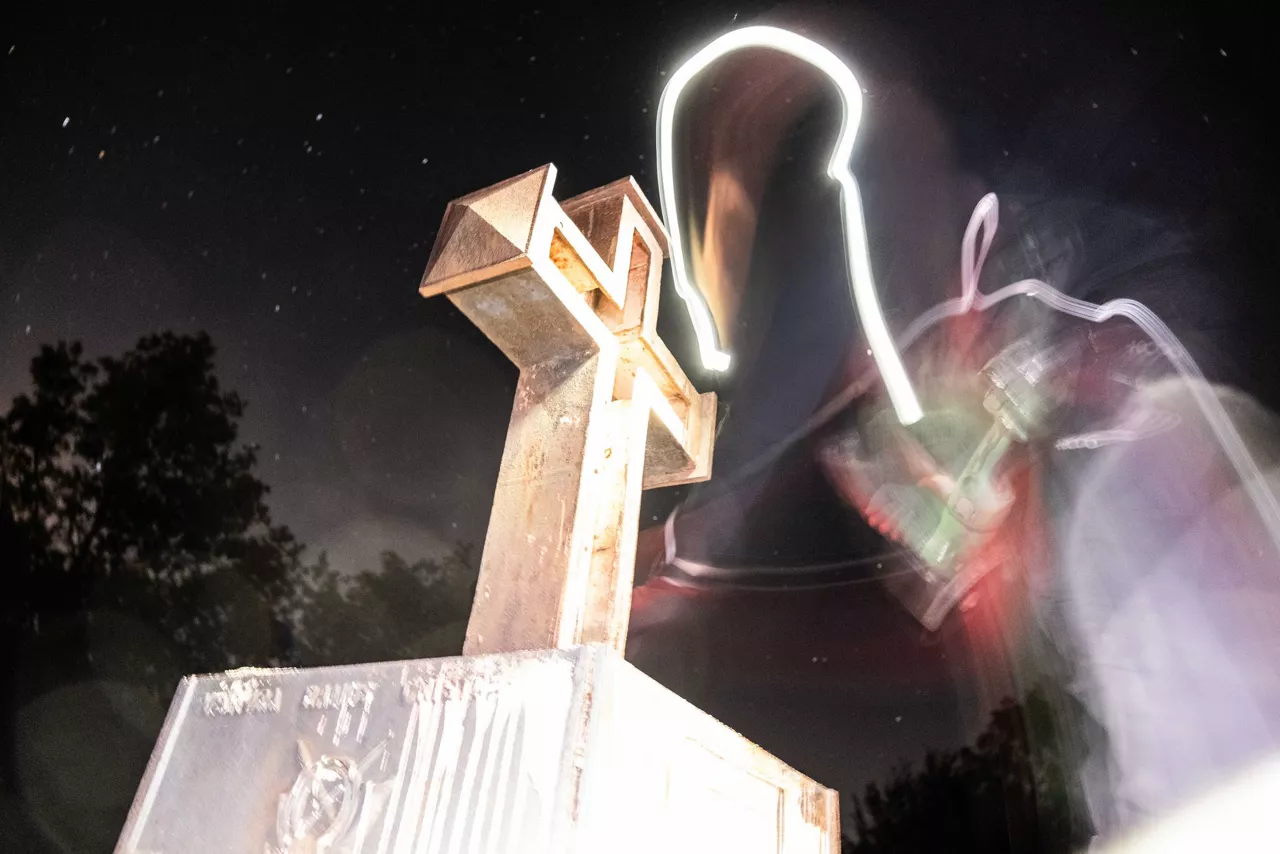
Ernai launches the Francoist cross of Mount Isuskitza
Ernai has shot down and videotaped the 1940 cross on Mount Isuskitza (Álava) in memory of the Franco requetés. The youth organization has claimed that fascism has no place in our country and has called for participation in the demonstration that will take place on 13 September in San Sebastian.
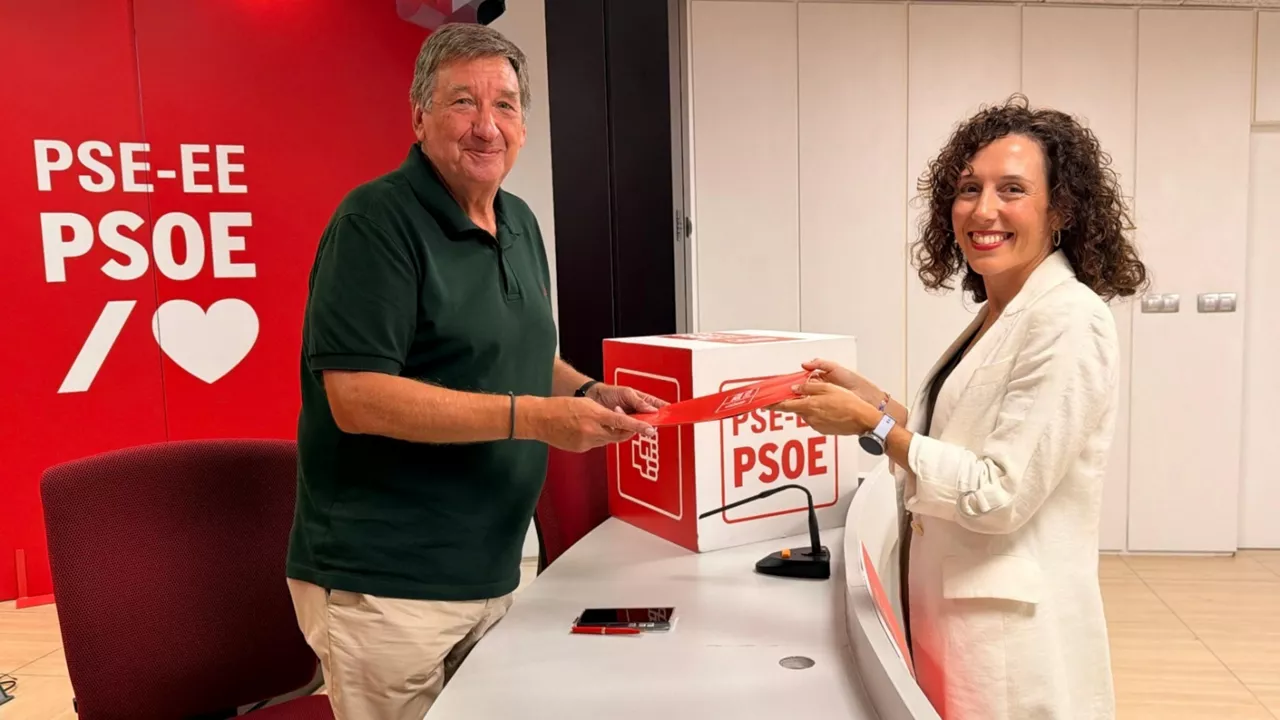
Nora Abete (PSE-EE) presents her candidacy for mayor of Bilbao
The current deputy mayor of the Bilbao City Council and spokesperson for the PSE-EE has explained that his candidacy stems from "proximity, listening and decision-making."
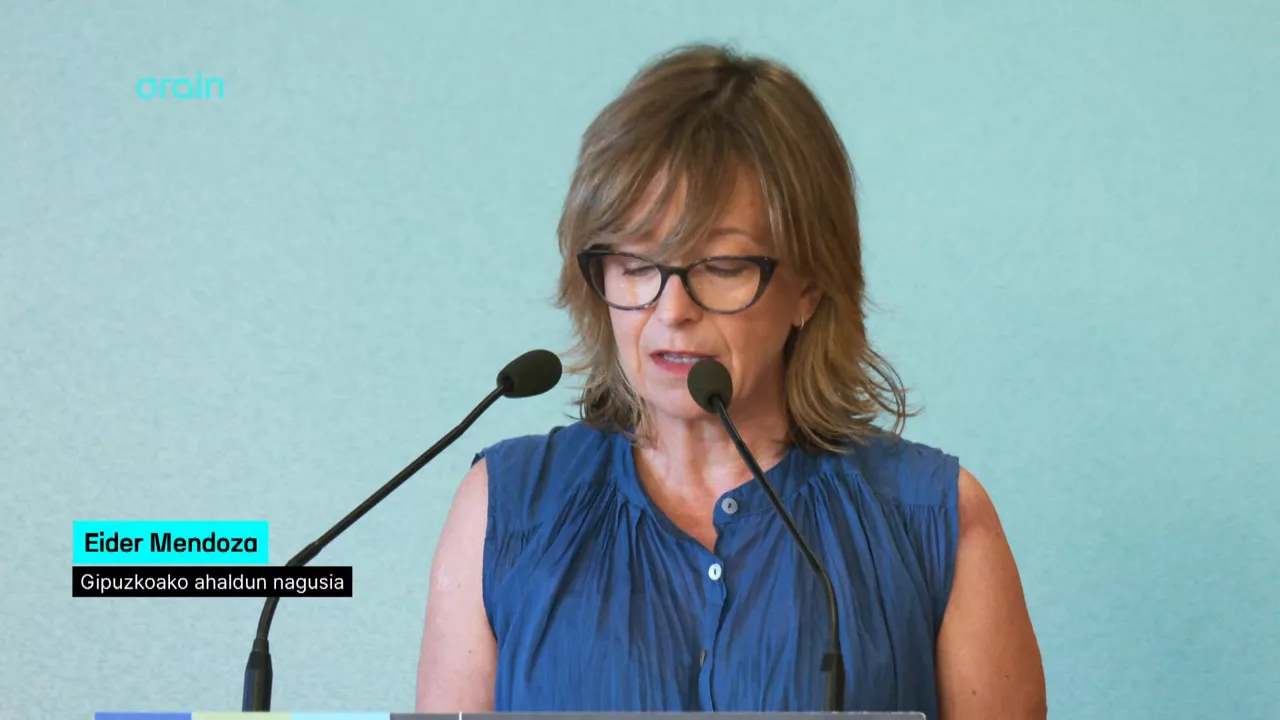
Gipuzkoa's Provincial Council will begin negotiating fiscal budgetary measures next week
Gipuzkoa MP Eider Mendoza has advanced her intention to start a round of talks with opposition groups to begin negotiations on the territory's budgets and some fiscal measures.
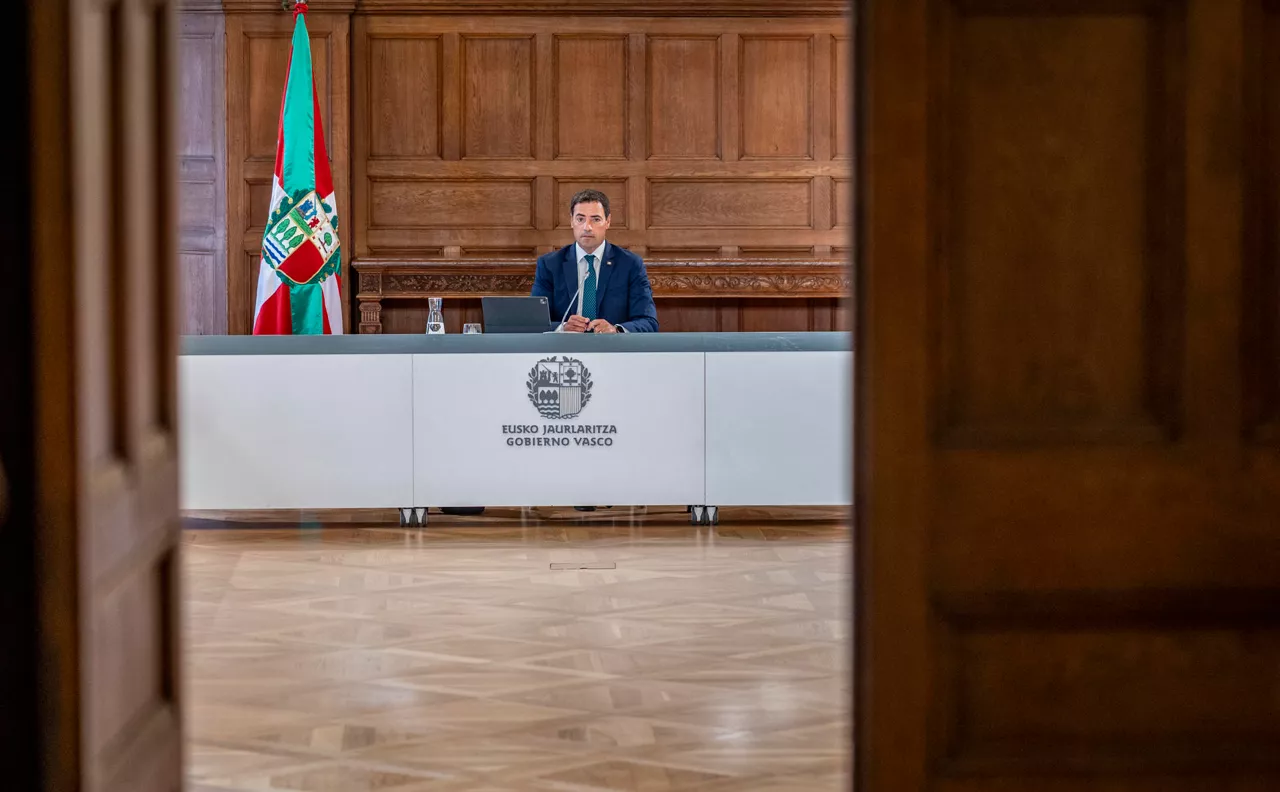
The President shall propose economic, self-government and housing agreements in his round of meetings with the parties and social partners
The meetings will take place from 8 to 15 September with the aim of strengthening dialogue and fostering partnerships in a context marked by international uncertainty and the electoral cycle of 2027.
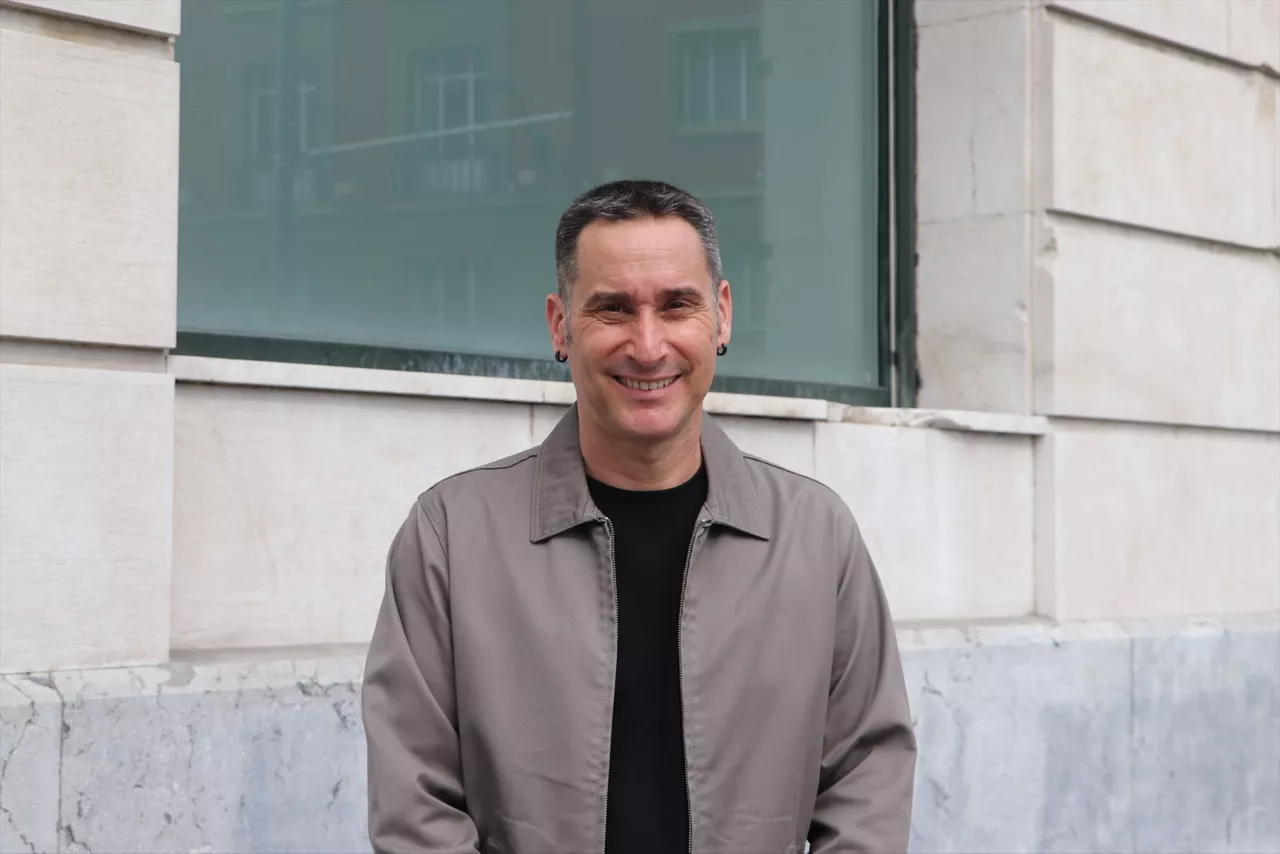
Iker Casanova will again be EH Bildu's candidate for Bizkaia's MP
EH Bildu's Bizkaia Political Bureau believes that baracaldés is the right person to represent the project of left-wing sovereignty.
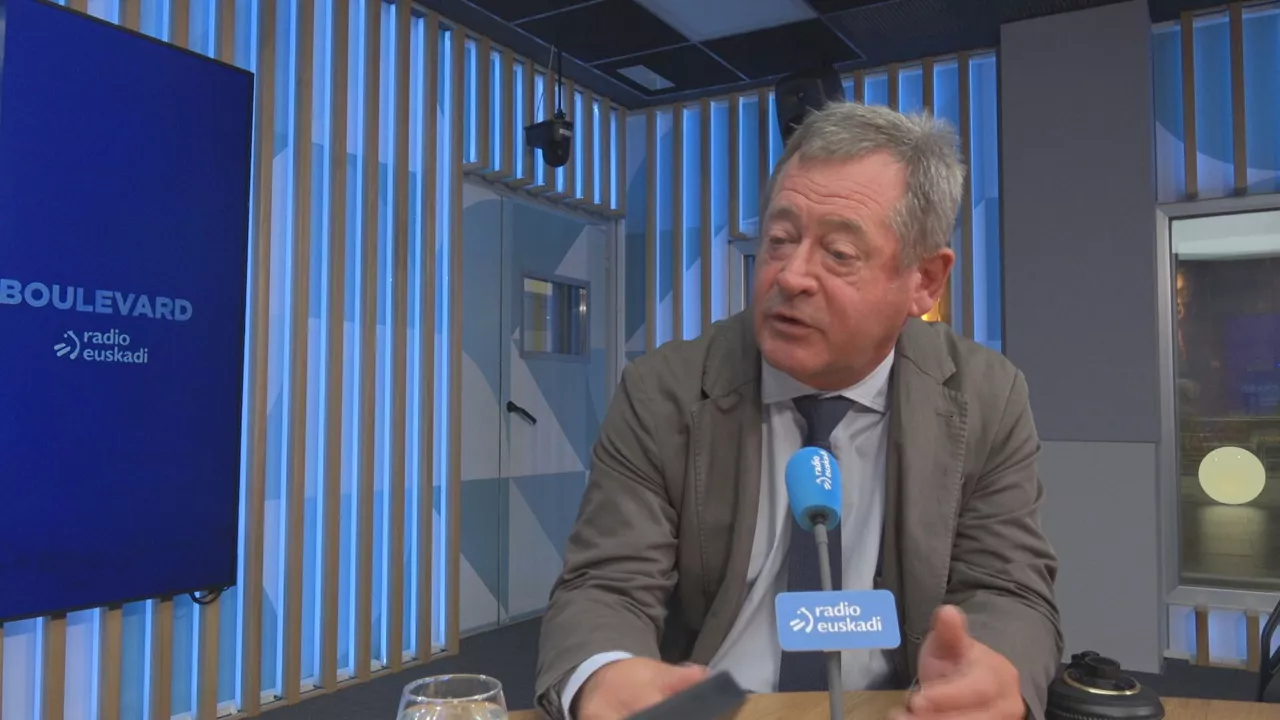
Zupiria believes that there is no political tint in the recent incidents between young people and the Ertzaintza
The Security Adviser of the Basque Government, Bingen Zupiria, has linked the incidents to young men, the consumption of alcohol and other substances and the "disinhibition" of night leisure. Asked about Ceuta, he regretted that Morocco was not asked to "assume its responsibility".